Guide to Natural Food Coloring in Sweets
There's a cheeky way you can dye treats with beet, turmeric, spirulina and blueberry; expect vibrant, natural hues, but watch for staining and allergic reaction

This article contains Amazon affiliate links. As an Amazon Associate, CandiesAndSweets earns from qualifying purchases.
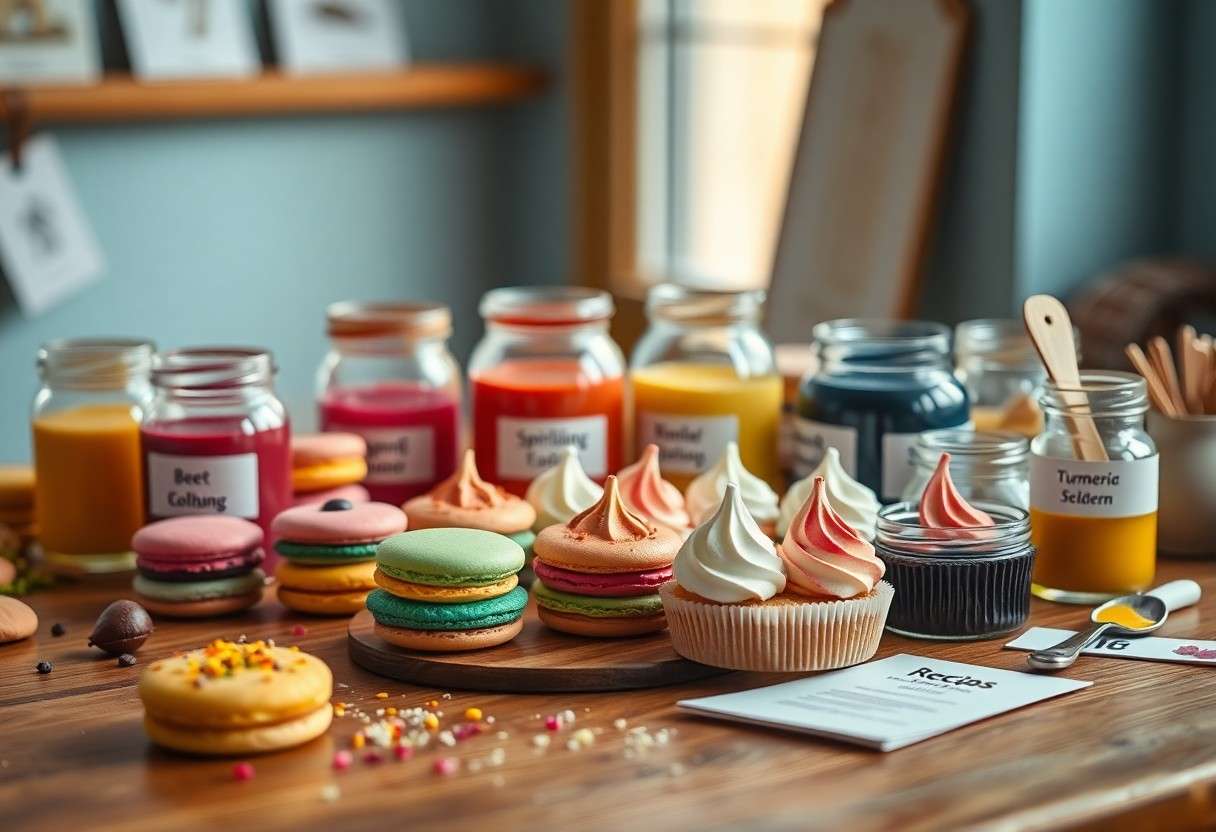
There’s a cheeky way you can dye treats with beet, turmeric, spirulina and blueberry; expect vibrant, natural hues, but watch for staining and allergic reactions, and enjoy how real ingredients brighten taste without synthetic nasties.
To Dye For: The Pros and Cons of Mother Nature’s Ink
Pros vs Cons
| Pros | Cons |
|---|---|
| Fewer synthetic chemicals | Often less intense color |
| Contains antioxidants | Fades quickly with heat or light |
| Label-friendly wording | Higher cost per gram |
| Can add subtle flavor | Vegetable aftertaste possible |
| Good for small batches | Shorter shelf-life |
| Organic options available | Color varies by harvest |
| Appeals to health-minded guests | Less predictable in recipes |
The Bright Side: Guilt-Free Glow and Health Perks
You’ll trade neon for nuance when you use beet, turmeric, or spirulina, and enjoy a natural glow plus mild nutrients instead of mystery additives.
Plus, you’ll impress label-watchers and reduce exposure to synthetic dyes, making treats feel like a cheeky health upgrade without boring the tastebuds.
The Reality Check: Fading Hopes and Vegetable Aftertastes
Color can wobble under heat, acid, or sunlight, so what looked stunning in the bowl may arrive on the plate muted or brown-fades quickly happens.
Some pigments carry a vegetal twang or change texture, so you’ll need clever masking, stronger flavors, or recipe tweaks to keep desserts singing. You might also enjoy our guide on How does dark chocolate affect the immune system?.
Watch pH, favor concentrated powders over watery juices, test small batches, and accept that sometimes you’ll need recipe craft to match the hue you imagine.
Kitchen Alchemy: A Step-by-Step Guide to Extraction
| Extraction Quick Guide | |
|---|---|
| Step | Tip |
| Cold maceration | Use for berries; preserves delicate pigments |
| Simmer & reduce | Best for beets/turmeric; watch heat |
| Dry & grind | Turns color into powders with long shelf life |
| Strain & store | Refrigerate concentrates and label clearly |
The Simmer and Strain: Making Liquid Concentrates
Simmer chopped produce gently in just enough water to cover, adding a splash of acid (lemon or vinegar) to lift pigments, then strain through a fine sieve for clear liquid. Reduce on low heat until you reach the color intensity you want, keeping in mind that excess heat dulls pigments and that you should refrigerate concentrates and use within a week.
The Dust-Up: Turning Produce into Potent Powders
Grind dried fruits, roots, or leaves into a fine powder using a spice mill, then sift to remove coarse bits; powders pack intense color so you only need small amounts. Avoid overdrying heat-sensitive items and take care because fine dust can irritate lungs, so grind in short bursts and keep your face away from the nozzle.
Seal powders in airtight jars with a desiccant packet and store in a cool, dark place to maintain vibrancy; moisture ruins powdered color, and labeled jars help you dose accurately when tinting sweets.
Master Decorator Secrets: Tips for a Vibrant Finish
You coax peak color by choosing concentrated natural food coloring and using minimal liquid so your sweets keep bold edges instead of bleeding into a sad puddle.
Experiment with layers-thin washes, dry between coats, and tint fondant lightly before shaping to secure a vibrant finish.
- Use powdered beet or spirulina for a strong color punch
- Try alcohol or glycerin tinctures for intense, low-flavor hits
- Test tiny pH tweaks to avoid muddying hues
Any stubborn dullness responds to a quick brush of concentrated paste or a dusting of powdered color. You might also enjoy our guide on Does dark chocolate contain any vitamins or minerals beneficial for health?.
Flavor Stealth: Coloring Without the Cabbage Flavor
Swap raw veggie infusions for concentrated powders or tinctures so you keep the hue but drop the vegetal aftertaste; tiny amounts go a long way when you want pure color, not salad. You might also enjoy our guide on Year-Round Cookie Recipes – Seasonal Flavors For Every Month Of The Year.
Pick neutral carriers like vodka or glycerin for extracts and use minimal liquid in batters so the pigment stays and the cabbage flavor doesn’t gatecrash your frosting.
Storage Wisdom: Keeping Your Colors from Going Ghost
Seal pigments in airtight, labeled containers and stash them where it’s cool and dark so oxidation and fading move at a glacial pace-mold is the real party pooper.
Store liquid extracts refrigerated and keep powders with desiccant packs to prevent clumping; exposure to heat and light will bleach your best shades faster than you can say “pale.”
Rotate your stash regularly and toss anything with a strange smell or visible growth; freezing can extend life for many extracts but test texture after thawing before using in delicate sweets.
To wrap up
Conclusively you can swap synthetic dyes for beet, spirulina, turmeric or butterfly pea and still make guests gasp. You will learn tricks for color intensity, pH shifts, and texture so your sweets look like art and taste like dessert. Trust your palate, play with small batches, and enjoy making treats that are as honest as they are showy.