Why Plant Based Coloring Beats Artificial Dyes
With a splash of plant pigment, you get vibrant hues that skip toxic chemicals, are safer for your health, and leave outfits compostable and eco-friendly-all wh

This article contains Amazon affiliate links. As an Amazon Associate, CandiesAndSweets earns from qualifying purchases.
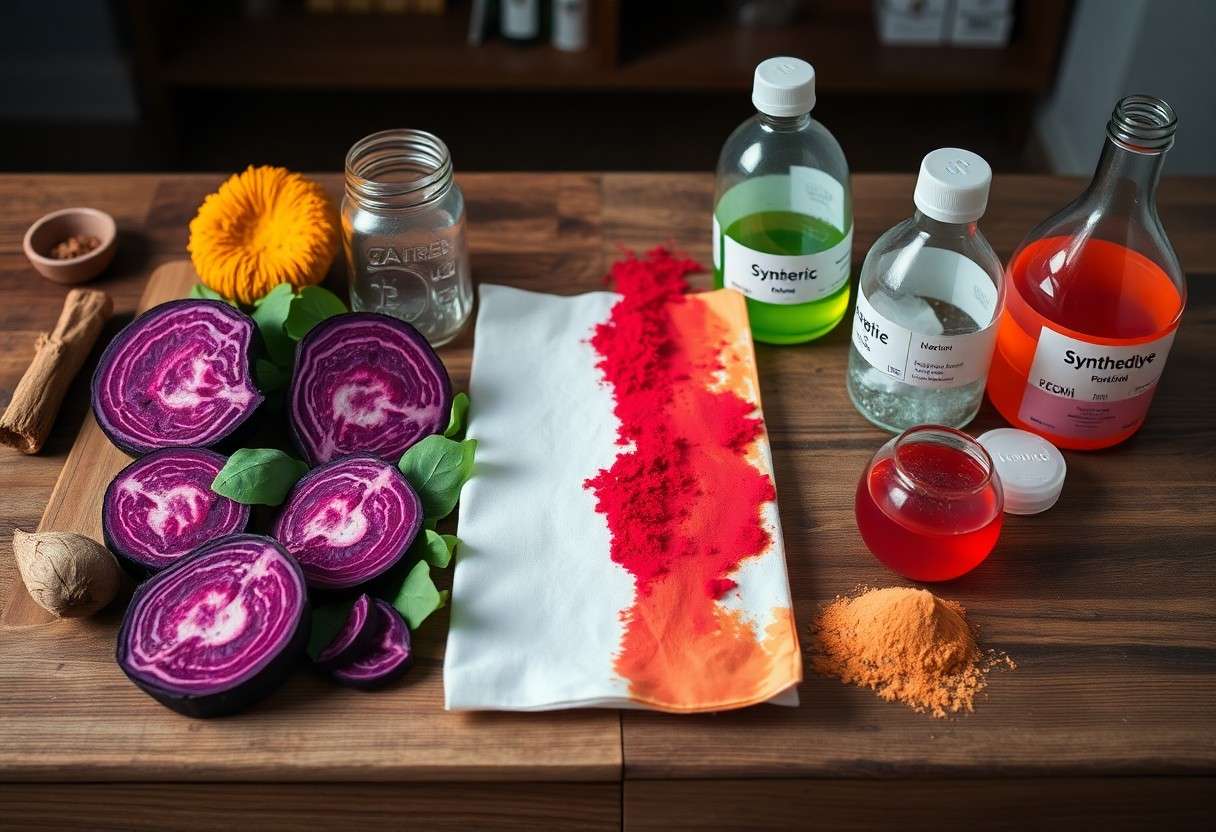
With a splash of plant pigment, you get vibrant hues that skip toxic chemicals, are safer for your health, and leave outfits compostable and eco-friendly-all while making artificial dyes look like yesterday’s science experiment.
Better Red Than Dead: The Synthetic Scare
Red warnings on labels make you squint at neon colors, since some industrial dyes link to allergies, hyperactivity, and suspected carcinogens; you can swap them for plant pigments that add color and deliver antioxidants instead of chemical leftovers.
Coal Tar for Breakfast
Coal tar derivatives found their way into food dyes and you end up picturing breakfast with a side of industrial contaminants; regulators removed many after links to carcinogenic polycyclic aromatic hydrocarbons surfaced, so those bright hues deserve suspicion.
The Chemistry of a Tantrum
Mixing synthetic azo dyes in your snacks can generate breakdown products called aromatic amines, which are tied to allergic reactions and behavioral spikes in sensitive kids, so you see mood effects as more than coincidence.
Tiny structural differences decide whether you ingest harmless pigments or fragments the body converts into mutagenic metabolites; you benefit from plant dyes like anthocyanins and betalains that bring protective antioxidants instead of reactive byproducts.
Beet It: The Power of Plant Pigments
Beets pack punchy reds and purples via betalains, so you get vivid color plus a dash of antioxidant credibility that artificial options lack; you’ll also sidestep some synthetic dyes linked to allergic reactions in sensitive folks.
Plant extracts let you tweak shades by adjusting pH or heat, giving you creative control while staying biodegradable and kinder to the planet-so your cupcakes look great and your conscience stays clean.
Turning Over a New Leaf
You can coax bright greens from spinach, parsley, or spirulina with cool extractions that preserve hue; expect delicate chlorophyll to fade if you overheat, so handle pigment like a temperamental guest.
Green options let you experiment boldly, though you should watch concentration-too much can bring off-flavors-and you’ll appreciate how natural greens add a subtle freshness you can taste.
Turmeric: The Gold Standard
Turmeric gives you an unmistakable yellow thanks to curcumin, offering a vibrant, long-lasting tint that performs well in baking and sauces while keeping ingredients simple and familiar to your guests.
Golden hues from turmeric come with practical notes: you’ll love the color payoff, but expect staining of hands and fabrics, and remember to balance quantity to avoid overpowering flavor.
Curcumin releases more readily when you mix it with a little fat and a pinch of black pepper, so if you want maximum color and uptake, combine turmeric with oil and pair with pepper for best results.
A Spectrum of Suspects: Why Labs Lose
Labs promise repeatable hues, but their cocktail of synthetic molecules often misbehaves on real fibers, leaving you with bleeding colors or unexpected stains. Manufacturers chase perfect recipes while you deal with residues that resist washing, proving that controlled experiments can fail spectacularly in everyday use.
Neon Nightmares vs. Earthy Tones
Neon dyes scream at you with impossible brightness, but that shout often hides toxic additives that leach during your first wash. Your choice for flashy color can mean chemical runoff and allergic reactions, so you pay a real-world price for lab-made intensity.
Green alternatives dial down the drama and give you tones that age like a story rather than bleach out into a cautionary tale; natural pigments behave predictably when treated well. You get nuance instead of a publicity stunt on fabric.
Stability Without the Side Effects
Plant pigments stabilize when you pair them with the right techniques, letting you keep color while avoiding carcinogenic byproducts common in some synthetics. Artists and crafters know that careful processing gives you longevity without dumping harmful chemicals into waterways.
Your fabrics can perform as well as lab-treated pieces if you use proper fixatives and time-tested methods, yielding lasting shades that won’t betray you after the first clean. Small technique tweaks spare you future headaches and environmental guilt.
Chemists studying natural dyes report that pH control and bio-mordants cut fading and reduce runoff, so you get colorfast results without the safety trade-offs of industrial dyes. When you demand more from your materials, you force manufacturers to pay attention to health and ecological impact.
Reading the Label Without a PhD
Labels can be decoded without a lab coat; you can spot artificial dyes listed as FD&C numbers, ‘artificial color’, or E-numbers, while names like turmeric, beet, annatto signal plant-based pigments you can trust.
No Degree Required
You don’t need a degree to choose safer colors – scan for plain-language ingredients and avoid listings like ‘FD&C’ or ‘lake’ that often mean synthetic additives; those synthetics can trigger allergies or sensitivities.
Open the package and read like a detective: single-word plant names usually mean fewer surprise chemicals and a lower chance of irritation for you.
Marketing to the Health-Conscious
Brands will plaster ‘natural’ across the front, but you should peek at the back; ‘natural’ without a listed plant source can still hide synthetic dyes.
Claims such as ‘no artificial colors’ deserve applause but confirm them by checking for FD&C numbers or the phrase ‘artificial color’ so you don’t get fooled.
See ingredient lists that name turmeric, spirulina, or beet and you’ll know you got a plant-based color that’s less likely to provoke reactions, even if it fades faster than its synthetic cousins.
Mother Nature’s Makeover
You can see the difference when a dye doesn’t shout “chemical”-plant pigments age like a charming guest, softening with time while keeping character. They deliver safer, chemical-free color that makes you feel smugly ethical.
Colors pulled from botanicals cling to fibers and food with less fuss, so you avoid the toxic residues and mysterious warnings that come with many synthetics.
From Roots to Rainbows
Roots, leaves and petals show you where shades originate; when you choose them, you cut down on solvent-heavy extraction and reduce environmental contamination from factory runoff.
Antioxidants with a Side of Style
Plants give you pigments that moonlight as protectors-natural antioxidants slow oxidation and keep hues fresher, which makes your creations both prettier and smarter.
Think about anthocyanins and carotenoids: they add UV defense and slow fading, so your dyed foods and fabrics resist dulling instead of leaching endocrine-disrupting nasties.
The Planet Prefers Plants
Switching to plant-based dyes slashes synthetic runoff, so you spare rivers from toxic chemicals and give soil and downstream communities a breather.
Your pick nudges industry away from petro feedstocks, trimming carbon-heavy processes and the industrial footprint you probably don’t want on your conscience.
Guilt-Free Hues
Bright botanical pigments let you sport vivid color without the petro-guilt, and you can proudly say your clothes fed the compost, not the creek thanks to natural pigments.
Saving the Fish from Neon Blue
Marine life perks up when dyes stay plant-based because you stop flushing ocean-toxic pigments that spike algal blooms and suffocate juvenile fish.
Wildlife surveys show that choosing plant extracts curbs dead zones and chemical buildup, which means fewer fish kills and safer seafood for you.
Conclusion
Drawing together the case for plant-based coloring, you get brighter, kinder results that make your food and fabrics sing without chemical drama. You trade lab-speak for garden-sourced hues that often come with less irritation and a smaller footprint, so your choices can look good and feel like a tiny act of rebellion against synthetic dullness.


