How Aquafaba Creates Perfect Vegan Marshmallows
There's a revolutionary ingredient that can elevate your vegan marshmallow game: aquafaba. Derived from the liquid of cooked chickpeas, this plant-based alterna

This article contains Amazon affiliate links. As an Amazon Associate, CandiesAndSweets earns from qualifying purchases.
There’s a revolutionary ingredient that can elevate your vegan marshmallow game: aquafaba. Derived from the liquid of cooked chickpeas, this plant-based alternative mimics egg whites, allowing you to achieve that light and fluffy texture without any animal products. By whipping aquafaba, you can take advantage of its stabilizing properties, resulting in perfectly airy marshmallows that are not only delicious but also suitable for various dietary preferences. Dive into the science behind this magical ingredient and discover how to craft your own vegan marshmallows with ease.
Understanding Aquafaba
What is Aquafaba?
Aquafaba, the leftover liquid from cooked legumes, particularly chickpeas, has gained significant attention as a versatile plant-based ingredient. This starchy fluid is a byproduct of boiling legumes and often contains proteins, starches, and soluble fibers. Its unique composition allows it to mimic the properties of egg whites, making it an ideal substitute in various recipes, especially for those following a vegan lifestyle. You might already know it from its use in popular dishes like meringues, mousses, and, of course, vegan marshmallows.
The term ‘aquafaba’ originated from the Latin words for water (‘aqua’) and bean (‘faba’). You can easily use it straight from the can of chickpeas or from homemade chickpea cooking water, ensuring you’re leveraging this byproduct effectively. The consistency and functionality of aquafaba are attributed to its ability to form stable foams, an vital feature in creating airy textures in many vegan confections. Your understanding of this ingredient can open up a realm of creative possibilities in your cooking.
Aquafaba can be whipped up into soft peaks or stiff peaks, similar to egg whites, depending on its method of preparation and the legume used. For maximum efficacy, using a stand mixer or an electric whisk is advisable to achieve optimal fluffiness. You may be surprised by how this simple liquid can revolutionize your approach to baking and dessert making, allowing you to create delightful treats without animal products.
Nutritional Profile of Aquafaba
The nutritional basis of aquafaba is quite compelling for those who seek a plant-based diet. Typically, aquafaba is low in calories, with approximately 3-4 calories per tablespoon. This makes it an excellent option for those looking to reduce calorie intake without sacrificing culinary endeavors. The protein content is another attractive feature, providing about 0.5 grams of protein per tablespoon, which can contribute to your daily protein needs when used in recipes alongside other plant-based ingredients.
Aquafaba is also virtually fat-free and cholesterol-free, making it a heart-healthy choice for individuals aiming to minimize these components in their diets. Additionally, it contains small amounts of carbohydrates, primarily in the form of starch and soluble fibers, which can aid digestion and facilitate a feeling of fullness. The absence of common allergens typically associated with eggs also makes aquafaba a safe alternative for those with dietary restrictions.
Despite its humble origins, aquafaba boasts a unique nutrient profile that can enhance the overall nutritional value of many dishes. Incorporating aquafaba into your cooking can enrich your meals while providing vital nutrients without animal products. As you explore different recipes, you’ll find that this ingredient not only contributes to taste and texture but also offers nutritional benefits that align with a balanced diet.
The Science Behind Aquafaba’s Functionality
The magic of aquafaba lies in its unique molecular structure, consisting of proteins and polysaccharides that contribute to its remarkable functional properties. When whipped, aquafaba’s proteins unfold and form a network that traps air, resulting in a stable foam that mirrors the behavior of egg whites. This foaming ability is a game changer when creating vegan confections that require lightness and volume. You can achieve wonderful results, particularly in recipes demanding a sturdy meringue or a fluffy marshmallow texture.
Further investigation into the molecular interactions within aquafaba reveals the presence of various proteins, including globulins and albumins, which play crucial roles in its ability to stabilize foams. The foaming capacity is significantly influenced by the method of extraction; for instance, using aquafaba from canned legumes offers a more consistent composition compared to that from freshly cooked beans. Understanding this distinction helps you select the right aquafaba for your specific culinary applications.
Using an immersion blender or a stand mixer results in a greater incorporation of air, enhancing the light and airy quality vital for a perfect marshmallow. The combination of air, sugars, and the binding properties of aquafaba creates an exquisite texture that is incredibly satisfying. Harnessing the science behind aquafaba can elevate your vegan creations to professional levels, helping you make treats that rival traditional recipes.
Diving deeper into the science of aquafaba’s functionality, you’ll find that the temperature, pH, and even the type of beans used can influence foam stability. For instance, aquafaba derived from chickpeas performs exceptionally well due to its balanced protein content, while others may require specific techniques to achieve desired results. Understanding these variables allows you to fine-tune your methods for the best outcomes in your vegan marshmallow-making journey.
The Ingredients for Vegan Marshmallows
Main Ingredients Overview
The base of vegan marshmallows relies heavily on a few key components that work synergistically to replicate the texture and taste of traditional marshmallows. Aquafaba serves as the primary ingredient, acting as a stabilizer that mimics egg whites in texture and functionality. This plant-based alternative not only provides the necessary volume but also brings a lightness to the mixture that is important for achieving that lofty marshmallow form. The unique properties of aquafaba, such as its emulsifying ability, allow it to retain air when whipped, giving your marshmallows their characteristic fluffy consistency.
Alongside aquafaba, granulated sugar is a fundamental ingredient that contributes sweetness and structure. As sugar dissolves in the marshmallow mixture, it helps create a syrupy consistency that plays a critical role in giving the marshmallows their chewy texture as it solidifies upon cooling. Using organic cane sugar or alternative sweeteners not only influences the taste but affects the overall texture and stability of the final product. Therefore, selecting the right type of sugar is integral to your vegan marshmallow-making process.
Finally, agar-agar emerges as a top contender for replacing gelatin in the vegan marshmallow arena. This seaweed-derived thickener is potent and effective, providing longevity and strength to the marshmallow’s structure. Agar-agar works differently from gelatin; it sets at room temperature, giving you an array of creative options for mold shapes and serving styles. Each of these ingredients plays a fundamental role; their quality and proportions can significantly influence the outcome of your marshmallows. This intricate blend creates a harmonious balance that results in a delightful vegan treat.
| Ingredient | Role in Marshmallow |
| Aquafaba | Acts as a stabilizer and volume source |
| Granulated Sugar | Provides sweetness and structure |
| Agar-Agar | Replaces gelatin, enabling setting at room temperature |
| Flavoring Agents | Adds identity and taste |
| Stabilizers | Ensures firmness and texture |
Sweeteners: Types and Their Roles
Your choice of sweeteners significantly impacts the flavor, texture, and overall quality of vegan marshmallows. While granulated sugar is the most common option, alternative sweeteners such as maple syrup, agave nectar, or brown rice syrup can be used for different flavor profiles. Each sweetener varies in viscosity and sweetness level; for instance, maple syrup gives a distinct, rich flavor, while brown rice syrup adds a milder sweetness. Understanding these nuances allows you to tailor your marshmallow recipe to suit specific tastes or dietary needs.
The moisture content of your sweetener also affects the final texture of your marshmallows. High-moisture sweeteners like agave contribute to a softer marshmallow, while drier options allow for a chewier texture. Combining different sweeteners can yield an ideal balance that enhances both taste and consistency, ensuring a superior chewy treat. In addition, using all-natural sweeteners can transform your marshmallows into a healthier indulgence without sacrificing flavor.
Integrating sweeteners wisely also helps in achieving the desired caramelization during the cooking process, providing that classic toasted flavor reminiscent of traditional marshmallows. Being mindful of the ratios between liquid and solid components will help you perfect your marshmallow-making endeavor. This exploration of various sweeteners lends an exciting dimension to your culinary adventures.
| Sweetener Type | Impact on Texture/Taste |
| Granulated Sugar | Standard sweetness and structure |
| Maple Syrup | Rich flavor, softer texture |
| Agave Nectar | Mild sweetness, softer marshmallows |
| Brown Rice Syrup | Subtle sweetness, chewy texture |
| Coconut Sugar | Caramel notes, slightly thicker consistency |
Flavoring Agents: Extracts and Alternatives
Flavor is what distinguishes your marshmallows, and choosing the right flavoring agents is important for success. Popular options like vanilla extract are classic choices that enhance sweetness and provide a warm undertone. However, you may also choose to experiment with flavored extracts like almond, peppermint, or even citrus zests to create unique taste experiences. Each flavoring agent introduces different aromatics, allowing you to craft your marshmallows for specific occasions or personal tastes.
Using natural flavoring alternatives such as fruit purees or spices can add a creative twist to your marshmallows. Not only do these ingredients introduce exciting flavors, but they also introduce color, enhancing the visual appeal. When incorporating fruit purees, it’s beneficial to consider the moisture content and how it will interact with the other ingredients. Maintaining the right balance is key to achieving the desired flavor intensity without compromising texture.
Extracts and alternatives should be used thoughtfully, as too much can overwhelm the delicate marshmallow flavor. Start small, gradually incorporating extracts, and taste-testing to ensure that your marshmallows are well-balanced. This careful approach not only enhances flavor but also allows for versatility in your marshmallow creations.
Stabilizers: Ensuring Structure and Texture
Stabilizers play a pivotal role in achieving the desired density and chewiness in vegan marshmallows. Ingredients like agar-agar and cornstarch contribute not only to the structure but also help to create that distinct marshmallow texture. Agar-agar, derived from red algae, provides a robust setting ability, whereas cornstarch aids in preventing excess stickiness once the marshmallows have cooled.
The use of stabilizers extends beyond mere structure. For instance, guar gum acts as a natural thickener, improving mouthfeel while also extending shelf life. Understanding the compatibility of various stabilizers with other ingredients allows you to customize your marshmallow recipe further. Experimenting with these components can lead to uniquely textured marshmallows, bound to impress.
Different types of stabilizers offer various textures and firmness, making it important to choose the right one for your specific marshmallow vision. Working with these stabilizers, you can achieve the perfect balance between softness and chewiness, crafting marshmallows that are delightful in both flavor and texture. This exploration of stabilizers should guide you in creating satisfying vegan marshmallows that stand the test of time.
The Science of Marshmallow Texture
What Makes Marshmallows Chewy?
Chewiness in marshmallows is primarily developed through the balance of sugar and water content, along with the cooking process. The sugar undergoes a partial caramelization, which contributes to the smooth texture. When you combine this with the right ratio of gelatin or aquafaba, you create a network that holds moisture while allowing the marshmallow to maintain its shape. The temperature at which the sugar syrup is cooked is also significant; cooking it to the right stage, typically around 240°F to 245°F, ensures that the syrup retains the right consistency, providing that delightful chew.
As the marshmallow mixture cools, the proteins and starches start to set, forming a matrix that gives the marshmallow its characteristic texture. With traditional marshmallows, the gelatin provides structural integrity, while in vegan versions, aquafaba mimics this effect by trapping water and forming a foamy consistency. The more stable this foam is, the more moisture it can hold, contributing to the overall chewiness. Aim for a hand-whipped method or a stand mixer to achieve the right aeration and texture.
The incorporation of sugar granules also plays a vital role as they dissolve and crystallize during the cooling phase, lending a unique bite to each marshmallow. Using different types of sugars can also affect the end texture; for example, light corn syrup helps prevent crystallization, maintaining chewiness, while powdered sugar can create a softer bite. Each variable—from sugar type to precise cooking temperature—directly influences the chewiness of your final product, making it necessary to get it just right for your desired texture experience.
The Role of Air Incorporation
Air incorporation serves as a game-changer in the creation of the perfect marshmallow. The process begins when you whip aquafaba or gelatin, introducing air into the mixture and forming a stable foam. This foam is the foundation of your marshmallow’s structure, allowing it to rise, hold its shape, and provide that light, fluffy texture. The more air you incorporate, the larger the bubbles form, which helps produce that characteristic marshmallow fluffiness you crave.
The stability of these air bubbles is vital, as they dictate the overall mouthfeel. During whipping, the aquafaba proteins unfold and stabilize around the air pockets, creating a network that traps the air within. This network must remain intact during the addition of warm syrup to ensure the marshmallow retains its volume. Incorporating the syrup slowly while mixing helps maintain this foam, promoting an even distribution of heat throughout the mixture. Aim for a gradual incorporation to give your marshmallows the right lightness without risking collapse.
After the marshmallows are molded and set, the air incorporated during the whipping process continues to influence their final texture. The trapped air not only helps achieve that desired soft bite but also affects how the marshmallows interact with other ingredients, like chocolate or graham cracker crumbs, enhancing overall flavor and mouthfeel. A well-aerated marshmallow will have a more pronounced taste as it creates a lighter overall experience on your palate.
Emulsification and Stabilization of Foams
Emulsification plays a critical role in stabilizing the foams created during the marshmallow-making process. In the case of aquafaba, the proteins within the bean water act as emulsifiers, facilitating the even distribution of fats and air throughout the mixture. This results in a more uniform texture that holds together beautifully during the cooling process. A strong emulsion is necessary because when air pockets are evenly distributed, it ensures that your marshmallow mixture won’t deflate, which could create a gummy or dense final product.
Precise temperatures and techniques significantly influence the effectiveness of emulsification. For example, heating the aquafaba slightly before whipping can enhance its foam-stabilizing properties. The integration of sugars also aids emulsification since they have a unique ability to blend with water and help maintain the system’s overall stability. Additionally, the use of a stand mixer allows for faster and more automated air incorporation, which can improve the quality of the foam.
When focusing on the emulsification in marshmallow preparation, consider the impact of the entire process on texture and taste. The right combination of ingredients, optimal temperatures, and mixing methods create a stable environment that fosters airy and light marshmallows. Your attention to these details directly influences the final product, showcasing the beauty of how science can transform simple ingredients into a delicious treat.
Step-by-Step Guide to Making Vegan Marshmallows
| Step | Description |
| 1 | Gather your ingredients. |
| 2 | Prepare the aquafaba. |
| 3 | Whip the aquafaba. |
| 4 | Combine ingredients. |
| 5 | Set and cut marshmallows. |
Gathering Your Ingredients
Before submerging into the marshmallow-making process, assembling all your ingredients ensures a smooth experience. You’ll need aquafaba, which is the water from canned chickpeas or cooked chickpeas, sugar, corn syrup, vanilla extract, and a pinch of salt. Each component plays a pivotal role in achieving that fluffy texture and sweet flavor you expect from traditional marshmallows. Double-check your pantry to avoid any interruptions while you’re in the thick of marshmallow magic.
Quality matters when selecting your ingredients. For instance, using pure cane sugar enhances the taste and can affect the texture too. Opt for a light corn syrup instead of dark, as it will keep the marshmallows from crystallizing and ensure they remain soft. The vanilla extract adds a rich warmth, so choose a good quality one to elevate the flavor profile. Lastly, make sure the aquafaba is well-drained and free of any residual chickpea pieces, as these can interfere with the final texture.
Having everything on hand before you start allows you to focus entirely on the process. Measure your ingredient quantities in advance to save time and ensure accuracy. This small step simplifies the steps that follow, so you can transition smoothly from one stage to the next. You’ll find that being organized can save you from missteps that come from scrambling for ingredients in the middle of the recipe.
Preparing the Aquafaba
The foundation of vegan marshmallows lies in the aquafaba. This bean liquid is an exceptional egg white substitute, and preparing it correctly is vital. Start by ensuring you have about 3/4 cup of aquafaba ready, which usually equates to one can of chickpeas. Strain the chickpeas to separate the liquid from the solids. This doesn’t need much modification; however, you can enhance it by gently whipping with a whisk to eliminate any foam that may interfere later.
Additional steps such as reducing the aquafaba on the stove can help concentrate its properties for better whipping. However, for many home cooks, simply using the liquid from canned chickpeas is enough. Experiment with both methods to see which yields the texture you desire. An imperative tip is to make sure that any tools or bowls used for preparation are completely clean, as even a trace of fat can hinder the aeration process.
The choice between using fresh aquafaba from cooked chickpeas versus canned ones is imperative. Fresh aquafaba tends to have a different composition, which may require tweaking your recipe. Understanding how much air to incorporate and the texture you aim for will guide your aquafaba preparations. The liquid should resemble the consistency of raw egg whites after adequate whipping, which is key to achieving that marshmallow fluffiness.
Whipping Aquafaba: Techniques and Tips
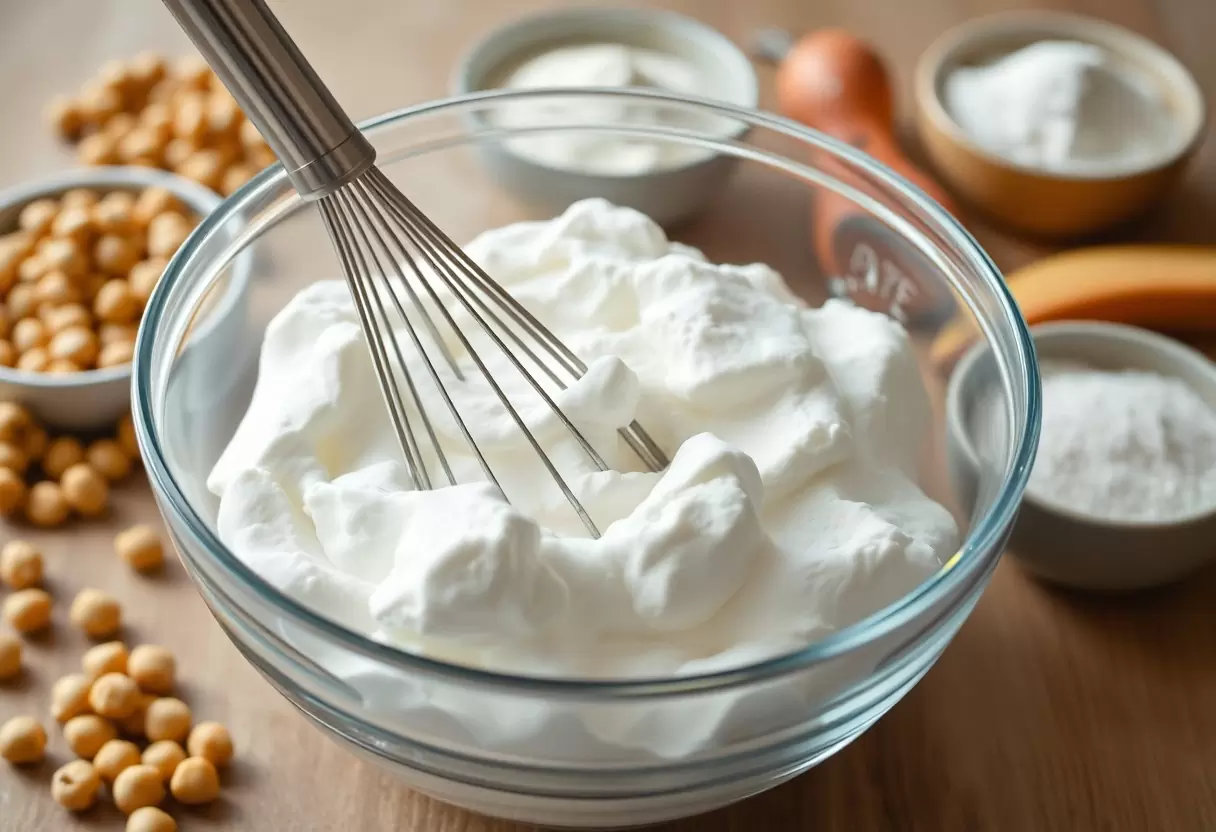
Start by pouring your prepared aquafaba into a mixing bowl. Use either a stand mixer or hand mixer for optimal results. Begin at a low speed to avoid splattering and slowly increase to high speed until soft peaks form, which may take around 10 minutes. The more air you whip into the aquafaba, the fluffier your marshmallows will be. Adding a pinch of cream of tartar helps stabilize the mixture, providing consistency throughout the whipping process.
Another trick is to ensure your mixing bowl and whisk are free of any oils or fats, which can compromise the fluffiness of the aquafaba. You can also experiment with different mixing speeds; while high speed incorporates air quickly, a more controlled medium speed may lead to a more stable peak formation if whipped for longer. Taste testing is also possible once it reaches the soft peak stage; it should have a mild flavor without any saltiness.
After achieving soft peaks, gradually add in your sugar mixture while continuing to whip. A common issue arises when sugar is added too quickly or without enough aeration, leading to a dense texture. Better results can come from slowly incorporating the sugar over a few minutes, ensuring it dissolves fully into the aquafaba. This not only enhances sweetness but also retains the air you’ve incorporated. This process is fundamental in perfecting the fluffy texture of your final marshmallows.
- Aquafaba techniques
- Fluffiness
- Stabilization
- Mixing speeds
This creates a strong base for your marshmallow mixture.
Combining Ingredients for the Perfect Mixture
With the aquafaba whipped into the desired consistency, the next step involves carefully combining it with the other ingredients. You’ll need to mix the sugar and corn syrup mixture, which has been heated until dissolved, with the whipped aquafaba. Pour in the syrup gradually while gently folding to maintain the volume of the whipped aquafaba. A spatula works best for this, moving from the bottom of the bowl upwards, ensuring everything is thoroughly combined without losing the necessary fluffiness.
The timing here is imperative; too long mixing can deflate your whipped aquafaba. Keeping a close eye on the texture during this phase prevents rogue lumps and promotes a smooth final mixture. The mixture should hold its form and have a slightly glossy appearance, indicating proper integration of the ingredients. Enhance the flavor with a splash of vanilla extract added at this point for maximum infusion into the mixture.
Adjustments in the texture can stem from various factors like temperature or ingredient quantities, so be open to the possibility of experimentation. If you desire a firmer marshmallow, consider adding more powdered sugar or even gelatin alternatives designed for vegan recipes. Understanding your environment can influence the final product—higher humidity or temperature may require additional adjustments to achieve your preferred end result. Ensuring you achieve the right balance will directly affect the success of your marshmallow-making adventure.
Finding the right balance of ingredients is a rewarding aspect of making marshmallows. It’s an art form of sorts, where precision in ratios leads to a delightful treat. You’ll notice that your efforts in combining these textures will come together beautifully.
Setting and Cutting the Marshmallows
Once your mixture is complete, it’s time to transfer it into a prepared pan lined with parchment paper and dusted with a layer of powdered sugar to prevent sticking. Smooth the top with a spatula for even distribution, and let your mixture set at room temperature. Depending on your climate, it generally takes about 4 to 6 hours for marshmallows to firm up. Be patient; this waiting period is critical for obtaining thorough structure and just the right chewiness.
After the drying period, you can easily lift the marshmallow block out of the pan using the parchment paper overhang. Dusting with more powdered sugar on top helps ease the removal process. A sharp knife or pizza cutter, coated in a bit of powdered sugar, can prevent sticking when cutting into squares or shapes. Be sure to cut swiftly; drawing the blade across the sticky surface will yield cleaner cuts and keep your finished product looking neat.
Storage of your marshmallows should be done in an airtight container, ideally dusted with powdered sugar to keep them from clinging to one another. The texture can hold for a week or more, although their deliciousness will make them hard to resist for long! Additionally, you can also dip or roll them in melted vegan chocolate for an extra layer of decadence; this adds another dimension to the flavor profile. It’s a fun way to enhance your treat and wow anyone you share them with.
Setting and Cutting the Marshmallows
Once your mixture is complete, it’s time to transfer it into a prepared pan lined with parchment paper and dusted with a layer of powdered sugar to prevent sticking. Smooth the top with a spatula for even distribution, and let your mixture set at room temperature. Depending on your climate, it generally takes about 4 to 6 hours for marshmallows to firm up. Be patient; this waiting period is critical for obtaining thorough structure and just the right chewiness.
After the drying period, you can easily lift the marshmallow block out of the pan using the parchment paper overhang. Dusting with more powdered sugar on top helps ease the removal process. A sharp knife or pizza cutter, coated in a bit of powdered sugar, can prevent sticking when cutting into squares or shapes. Be sure to cut swiftly; drawing the blade across the sticky surface will yield cleaner cuts and keep your finished product looking neat.
Storage of your marshmallows should be done in an airtight container, ideally dusted with powdered sugar to keep them from clinging to one another. The texture can hold for a week or more, although their deliciousness will make them hard to resist for long! Additionally, you can also dip or roll them in melted vegan chocolate for an extra layer of decadence; this adds another dimension to the flavor profile. It’s a fun way to enhance your treat and wow anyone you share them with.
- Setting time
- Cutting methods
- Storage solutions
- Flavor enhancements
This will significantly elevate your overall marshmallow experience.
Troubleshooting Common Issues
Whipping Fails: Causes and Solutions
Whipping aquafaba can sometimes lead to disappointing results if certain factors are overlooked. If you find that your aquafaba doesn’t whip up into stiff peaks, examine the conditions of your mixing bowl and utensils. Any trace of fat, such as oil or residue from previous usage, can prevent proper whipping. Opt for a clean, dry stainless steel or glass bowl, and ensure your whisk or beaters are also free from grease. Additionally, using chilled aquafaba can significantly enhance the volume you achieve; temperature impacts how well proteins stabilize and form peaks.
If the foam collapses shortly after whipping, the issue might lie in the aquafaba’s protein quality. Not all canned chickpeas produce the same quality of aquafaba; some brands may contain diluted or less effective liquid. Experiment with different brands to see which gives the best results. Incorporating a stabilizer like cornstarch or cream of tartar during whipping provides extra support to maintain the foam structure, allowing you to retain those peaks longer.
The duration of whipping is also key. Be mindful not to over-whip your aquafaba, as this can lead to a grainy texture. Aim for a perfect balance, where the foam is thick enough to hold its shape yet smooth to the touch. If you encounter a grainy texture, you can blend the mixture briefly to re-emulsify the components, salvaging your whipped aquafaba before incorporating it into your marshmallow mixture.
Texture Problems: Too Hard or Too Soft
Achieving the desired texture in your vegan marshmallows hinges on the precision of your sugar-to-aquafaba ratio. If your marshmallows turn out too hard, consider adjusting the amount of sugar you are using. A high sugar concentration can lead to an overly firm texture, particularly if it’s cooked to a higher temperature than necessary. Testing different sugar amounts can help find the sweet spot for your preferences; reducing sugar by 10-20% can often yield a softer bite while still maintaining the integrity of the marshmallow.
On the contrary, if your marshmallows are too soft or gooey, this may result from undercooking the sugar syrup. The ideal temperature for the syrup is 240°F (115°C), known as the soft ball stage. Using a candy thermometer can help prevent undercooking; without this crucial tool, it’s easy to misjudge the consistency. If your current batch is too soft, you may need to cook the syrup for a few extra minutes next time or ensure that it reaches the correct temperature before incorporating it with the aquafaba.
Additionally, the humidity in your environment can affect both the treatment and results of your marshmallow mixture. In high-humidity conditions, the extra moisture can lead to a softer texture after cooling. To combat this, consider letting your marshmallows set for a more extended period or using a dehumidifier in your kitchen during preparation. Changes in weather can affect ingredients differently, so remain flexible and adapt your methods based on the conditions.
Flavor Balance: Adjusting Sweetness and Taste
Striking the right flavor balance in your vegan marshmallows can elevate them from average to extraordinary. If you find your marshmallows overly sweet, consider reducing the sugar content, but be aware of its role in texture. Using agave or maple syrup can provide complex flavors without overwhelming sweetness. Experiment with ratios, starting by replacing a portion of the granulated sugar; a 1:1 ratio of sugar to syrup can enhance the depth of flavor while keeping the marshmallows delightful.
Infusing flavors into your marshmallows is another avenue for enhancing taste without relying solely on sweetness. You can incorporate vanilla extract or other natural flavorings during the whipped aquafaba stage. A few drops of almond extract can transform a basic recipe, yielding a more sophisticated taste profile. Spices such as cinnamon or cardamom can also introduce warmth and complexity, balancing the sweetness beautifully.
Tasting your mixture during the process is vital for achieving the right balance. If you feel the marshmallow mixture needs a little “something” without adding more sugar, consider a pinch of salt. Salt not only amplifies sweetness but can also add depth and elevate flavors that might otherwise be masked by sugar’s overpowering nature. Finding the right combination will allow your marshmallows to shine and leave a lasting impression.
For those struggling with finding the perfect taste, consider creating a small batch of flavored marshmallows first. Adjusting the sweetness and adding distinct flavors in small increments can make it easier to perfect your final recipe. With practice, you’ll arrive at the ideal balance that satisfies your palate while respecting the integrity of the marshmallow’s classic charm.
Creative Uses for Vegan Marshmallows
S’mores: A Vegan Twist
Transform your next campfire gathering with a delectable twist on the classic s’mores using vegan marshmallows. Start by selecting your favorite vegan-friendly graham crackers, which are easy to find and often just as delicious as traditional ones. Toast your marshmallows over the fire until they reach the perfect fluffy consistency—golden outside while remaining gooey inside. Layer them onto a graham cracker alongside your choice of vegan chocolate, creating a sweet synergy of flavors that satisfy your cravings without compromising your dietary choices.
Experiment with different flavor combinations to enhance your s’mores experience. Try adding slices of fresh fruit, such as strawberries or bananas, for a refreshing twist that complements the richness of the chocolate. You can also incorporate nut butters, like almond or peanut butter, as a spread between the graham crackers, resulting in a combination of taste and texture that elevates the traditional snack to new heights. The versatility of vegan marshmallows allows your creativity to shine while adhering to your plant-based lifestyle.
Hosting a s’mores party? Set up a creative s’mores bar with an array of toppings. Include options like toasted coconut, crushed nuts, or even various flavored vegan chocolates. This interactive approach lets guests customize their s’mores to their preference, turning a simple treat into a fun experience for all. You might find that everyone leaves with a newfound appreciation for the delightful world of vegan marshmallows.
Marshmallow Toppings for Desserts
Elevate your dessert game by incorporating vegan marshmallows as a topping for various treats. Picture a luscious vegan chocolate cake adorned with a fluffy layer of toasted marshmallows. As you take a bite, the contrast between the rich cake and the sweet marshmallows creates a sensational experience. You can melt marshmallows atop cookies or brownies, allowing them to ooze into the dessert, creating an irresistible combination that tempts even the most discerning palate.
Delve into a classic favorite by creating a rice crispy treat using vegan marshmallows. Combining crispy rice cereals and melted marshmallows results in a chewy, satisfying dessert perfect for any occasion. You can also mix in other elements like vegan chocolate chips or nuts for added texture and flavor. These treats can be customized based on seasonal ingredients, making them a versatile addition to your dessert repertoire.
Consider using vegan marshmallows as toppings for dairy-free ice cream sundaes. As you layer your sundae with rich scoops of ice cream, drizzle with sauces like chocolate or caramel, and then finish with a sprinkle of candied nuts and fluffy marshmallows, the combination becomes a perfect indulgence. This versatility means you can make your dessert stand out at any gathering.
Incorporating Marshmallows into Vegan Treats
Vegan marshmallows lend themselves to a multitude of creative recipes beyond traditional desserts. Incorporating them into your baking repertoire can yield surprising results. For instance, adding marshmallows into a vegan hot chocolate mix brings a comforting element to a classic winter beverage. You can also fold them into batter for pancakes or waffles, creating deliciously sweet breakfast treats that everyone will love. Their light texture and subtle sweetness enhance the overall flavor profile.
Incorporating vegan marshmallows into no-bake desserts, such as cheesecake or mousse, can provide a delightful creaminess that complements other flavors. Try mixing them into your vegan cheesecake filling for an added level of fluffiness that mimics traditional recipes. Whether melted into your mixture or served as a chewy topping, they round out your dessert with a distinct, enjoyable texture.
Conclusion
From above, it becomes clear how aquafaba transforms the process of making vegan marshmallows. By using the liquid from canned chickpeas or cooking your own, you harness a powerful ingredient that mimics egg whites. This opens up a world of possibilities for creating fluffy, airy textures that are vital in achieving that perfect marshmallow consistency. You can appreciate the versatility of aquafaba as it not only substitutes egg whites but also contributes to a more sustainable and cruelty-free choice for your confections.
As you experiment with aquafaba in your kitchen, you will discover the importance of whipping it properly to achieve maximum volume. The incorporation of sugar and gentle heat enhances the stability of your marshmallows, allowing you to customize flavors and adapt to various recipes. By embracing this unique ingredient, you take control over your culinary creativity, ensuring your marshmallows are not only vegan but also deliciously satisfying, catering to both your dietary preferences and those of your guests.
Ultimately, the innovation of aquafaba in creating vegan marshmallows not only meets your dietary needs but also aligns with a growing movement toward plant-based alternatives. It enables you to enjoy classic treats without compromising on taste or texture. As you perfect your technique and share your creations, you become part of a community dedicated to redefining traditional recipes, making them accessible and enjoyable for everyone, regardless of their dietary choices.