How Candy Became Part of Physical Rehabilitation
Just as you might not associate sweets with recovery, candy has surprisingly woven its way into physical rehabilitation practices. You may be curious how this s

This article contains Amazon affiliate links. As an Amazon Associate, CandiesAndSweets earns from qualifying purchases.
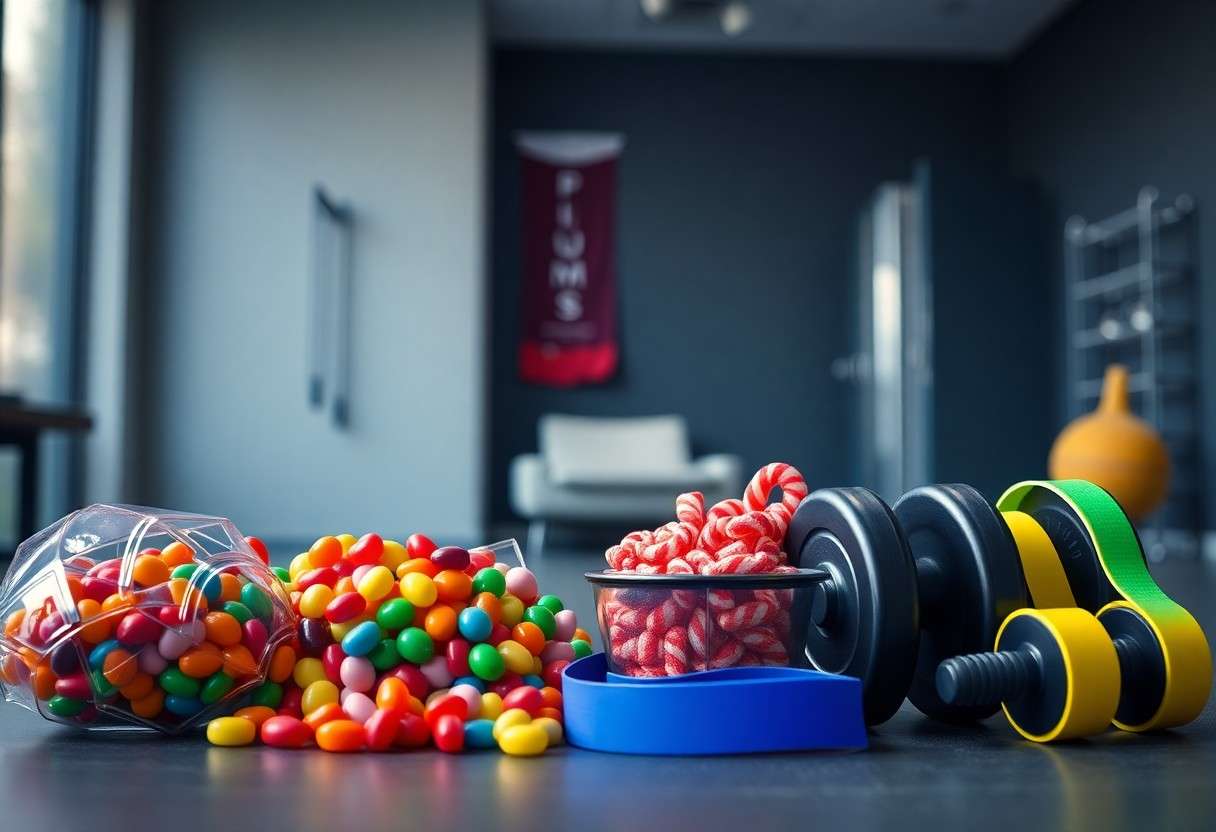
Just as you might not associate sweets with recovery, candy has surprisingly woven its way into physical rehabilitation practices. You may be curious how this sugary treat can serve a purpose beyond mere enjoyment. Innovative therapists have discovered that candy can motivate patients, enhance sensory experiences, and even facilitate emotional healing during the challenging recovery process. In this article, you will explore the compelling reasons behind this unique combination and its positive impact on rehabilitation outcomes.
The Sweet Origins: Historical Context of Candy in Medicine
Medicinal Uses in Ancient Cultures
Ancient civilizations were well-acquainted with the idea of candy serving medicinal purposes. In Mesopotamia, for instance, honey was not only a beloved treat but also recognized for its therapeutic properties. You would find honey being used to treat wounds and infections, a practice that laid the foundation for the use of sweet substances in healing. Similarly, the Egyptians utilized dates and fig pastes, creating early forms of confectionery that were often part of medicinal formulas. These societies understood that flavor could encourage consumption of potentially beneficial remedies, making candy an necessary component of their healthcare practices.
In traditional Chinese medicine, licorice root became a staple for its ability to harmonize and amplify the effects of other herbs. You might have come across a variety of sweets that included herbal ingredients, designed to soothe ailments ranging from sore throats to digestive issues. These early instances of incorporating sweetness into medicine reveal a timeless strategy: you are more likely to take your medicine if it tastes good, thus intertwining pleasure and health from the very beginnings of medicinal practices.
The Evolution of Candy’s Role in Healing
Over the centuries, the perception of candy shifted, transitioning from strictly medicinal use to more of a recreational treat. By the Middle Ages, candies were still utilized for their healing benefits but increasingly became associated with hospitality and celebration. The developments in sugar refinement in Europe during the Renaissance further propelled this shift; you began to see sugary confections that appealed not only to the taste buds but also to the social fabric of gatherings and feasts. Apothecaries began to stock sweet treats alongside their herbal remedies, allowing patients to find relief in the comfort of sweetness.
These culinary advancements led to the commercialization of candy, which by the 19th century became a symbol of social status. You’d find diverse varieties of candy that were marketed not just for pleasure but also as set pieces in traditional medicine cabinets. Even as candy became less common in direct medical practices, the understanding that sweet flavors can improve moods and offer psychological comfort remained relevant. Candy thus transitioned from an outright remedy to a supportive element in treatment, paving the way for its current incorporation into physical rehabilitation settings, where it serves to motivate and uplift patients during their recovery journeys.
The Science of Sugar: How Candy Affects Mental and Physical Recovery
The Neurochemical Boost: Endorphins and Dopamine
The consumption of candy triggers a release of endorphins and dopamine in your brain, creating a natural high that is not only pleasurable but also beneficial for your recovery. When you indulge in a sweet treat, your brain’s reward system activates, and the sensations can lead to a significant mood improvement. This neurochemical surge assists in alleviating feelings of pain and discomfort, making the rehabilitation process feel less daunting. Research shows that sugary foods can raise your levels of serotonin, enhancing your overall sense of well-being, which is vital when coping with the stresses of physical recovery.
The Role of Positive Associations and Comfort Foods
Comfort foods, including candy, are often associated with positive memories and experiences from your past. When you associate sugar with moments of joy — like celebrations, family gatherings, or simple pleasures — enjoying these treats becomes a source of emotional comfort. In a rehabilitation context, where stress and emotional fluctuations can be common, having access to comfort foods can help ease anxiety and improve your overall outlook. You might find yourself more willing to engage in therapy when you know you can reward yourself with something that brings you happiness.
Moreover, positive associations linked to candy can play a significant psychological role in your recovery process. Studies show that integrating comfort foods into treatment can lead to increased feelings of safety and security, making it easier for you to confront the challenges of rehabilitation. The mere act of enjoying a childhood favorite can evoke nostalgia, helping you to feel connected to happier times, thereby fostering resilience and optimism during your healing journey.
Therapeutic Applications: Candy in Modern Rehabilitation Settings
Pain Management and Distraction Techniques
Your experience in a rehabilitation setting can often be challenging, especially when it comes to managing pain. Interestingly, candy plays a notable role in pain management strategies. The mere act of indulging in a sweet treat can release endorphins, serving as a natural pain reliever. For example, studies have shown that the brief distraction provided by candy—whether it’s unwrapping, tasting, or even just licking—can redirect your focus away from discomfort and onto the pleasant experience of flavor. As you engage with the candy, the mind can momentarily escape any physical ailments, allowing for a more effective therapeutic session.
This technique is especially useful in integrating candy into distraction protocols during painful procedures or physical therapy sessions. When you’re faced with the discomfort of a stretch or manipulation, having a piece of candy can help increase tolerance by providing an enjoyable alternative focus. All of this contributes to reducing anxiety and enhancing your overall experience in what can often be a difficult rehabilitation journey.
Enhancing Engagement in Physical Therapy
Incorporating candy into physical therapy sessions serves not just as a distraction but also as a motivational tool to boost your engagement. Therapists are increasingly recognizing that small rewards can radically improve adherence to exercise regimens. Earning a piece of candy for completing a challenging drill instills a sense of accomplishment, encouraging you to reach your goals. For instance, using a reward system where particular candy types correspond to specific milestones creates an environment of positivity and excitement around rehabilitation.
Moreover, candy can create a playful atmosphere in therapy sessions. Studies evidence that incorporating enjoyable elements alongside challenging tasks leads to higher levels of participation and persistence in your treatment protocol. The anticipation of a treat can act as a behavioral reinforcement, transforming potentially dreary activities into rewarding experiences that are more likely to keep you coming back for additional sessions. Adopting this playful approach can make your journey to recovery more engaging, fostering a positive association with physical activity and rehabilitation exercises.
Case Examples: Success Stories from Rehabilitation Centers
Transformative Programs Using Candy as Incentives
Several rehabilitation centers have embraced the integration of candy into their therapeutic programs with impressive results. One notable example is the Heartland Rehabilitation Institute, where physical therapists use candy rewards to motivate patients in completing challenging tasks. Each time a patient walks a certain distance or achieves a new level of mobility, they are rewarded with small candy treats. This practice not only encourages physical activity but also creates a positive association with the effort, making patients more eager to engage in their rehabilitation process.
In a pilot program at the Maplewood Recovery Center, candy has been incorporated into their cognitive rehabilitation games. Patients participate in memory exercises and problem-solving tasks, where successful completion earns them candy prizes. This novel approach has resulted in a 25% increase in patient engagement levels, showing how something as simple as candy can drive significant improvements in rehabilitation outcomes.
Patient Testimonials and the Impact on Recovery
Patients have reported profound changes in their recovery journeys thanks to the use of candy as an incentive. One patient, Sarah, shared her experience of being more motivated to participate in therapy sessions knowing that her efforts would be rewarded by her favorite gummy bears. This anticipation turned her rehabilitation into a more enjoyable and less daunting task, allowing her to achieve milestones she once thought were out of reach. Similarly, Tom, a stroke survivor, found that small candy rewards for completing exercises encouraged him to push beyond his limits, resulting in quicker recovery of dexterity in his hand.
The connection between candy as a motivational tool and its effect on recovery is evident through various testimonials. Many patients describe how the sugar rush provided an emotional lift, helping them combat feelings of despair during difficult sessions. This element of incentive has proven to be not just a treat but a pivotal part of creating a supportive rehab environment where the focus shifts from pain to achievement, allowing patients to embrace their recovery journey with joy and enthusiasm.
Ethical Considerations: The Balance Between Treat and Therapy
Risks of Overindulgence and Sugar Addiction
While incorporating candy into physical rehabilitation can offer a morale boost, it also poses potential risks. Overindulgence in sugar-laden treats can lead to unhealthy eating patterns, affecting both physical and mental health. Research has shown that excessive sugar consumption can lead to increased cravings and dependence, creating a cycle that may hinder the recovery process. For many, what starts as a rewarding treat can quickly become an emotional crutch, complicating the path to rehabilitation and overall well-being.
Moreover, studies indicate that high sugar intake can have detrimental effects on inflammation and recovery times. In physical therapy contexts, inflammation can impede healing and rehabilitation progress. Balancing the use of candy in rehabilitation requires careful consideration of these potential pitfalls to ensure that its role remains supportive rather than detrimental.
Guidelines for Responsible Integration of Candy in Recovery
Creating a structured plan for introducing candy into rehabilitation sessions can help meet both emotional and physical needs effectively. Setting clear boundaries around the type and amount of candy used as a reward is paramount. For instance, opting for smaller portions or healthier alternatives like dark chocolate or fruit-based candies may satisfy cravings without contributing to excessive sugar intake. Establishing a token system where candy serves as an occasional reward rather than a routine indulgence can reinforce the social and motivational aspects of recovery without jeopardizing health.
You can also enhance the experience by pairing candy rewards with positive affirmations or progress milestones. This can cultivate a balanced relationship with treats, ensuring that emotional benefits are realized alongside physical gains. Engaging patients in discussions about their choices around candy can foster awareness and promote mindful consumption, equipping them with skills that extend beyond the rehabilitation setting. When candy is seen not merely as a reward, but as an occasional treat in a healthy, balanced lifestyle, it can contribute positively to recovery without overshadowing the fundamental goals of physical rehabilitation.
Final Words
Considering all points, it’s clear that the integration of candy into physical rehabilitation has transformed how we approach recovery. This method is not just about the treat itself; it’s about leveraging the emotional and psychological benefits that sweets can provide. By incorporating candy into your rehabilitation routine, you can enhance motivation and create positive associations with the often challenging process of recovery. The delightful experience of enjoying candy can foster a sense of achievement as you reach your rehabilitation goals, making the process feel less daunting and more enjoyable.
Ultimately, the success of any rehabilitation program lies in its ability to engage and inspire you to actively participate in your healing journey. By utilizing candy wisely and purposefully, you can harness its potential to stimulate not just your taste buds but also your motivation and enthusiasm for rehabilitation. As you move forward, consider how small rewards, like candy, can play a role in making your recovery experience more positive and fulfilling.