How Candy Helps With Swallowing Therapy
It's common to find swallowing difficulties challenging and frustrating, but incorporating candy into your therapy can make the process more enjoyable and effec

This article contains Amazon affiliate links. As an Amazon Associate, CandiesAndSweets earns from qualifying purchases.
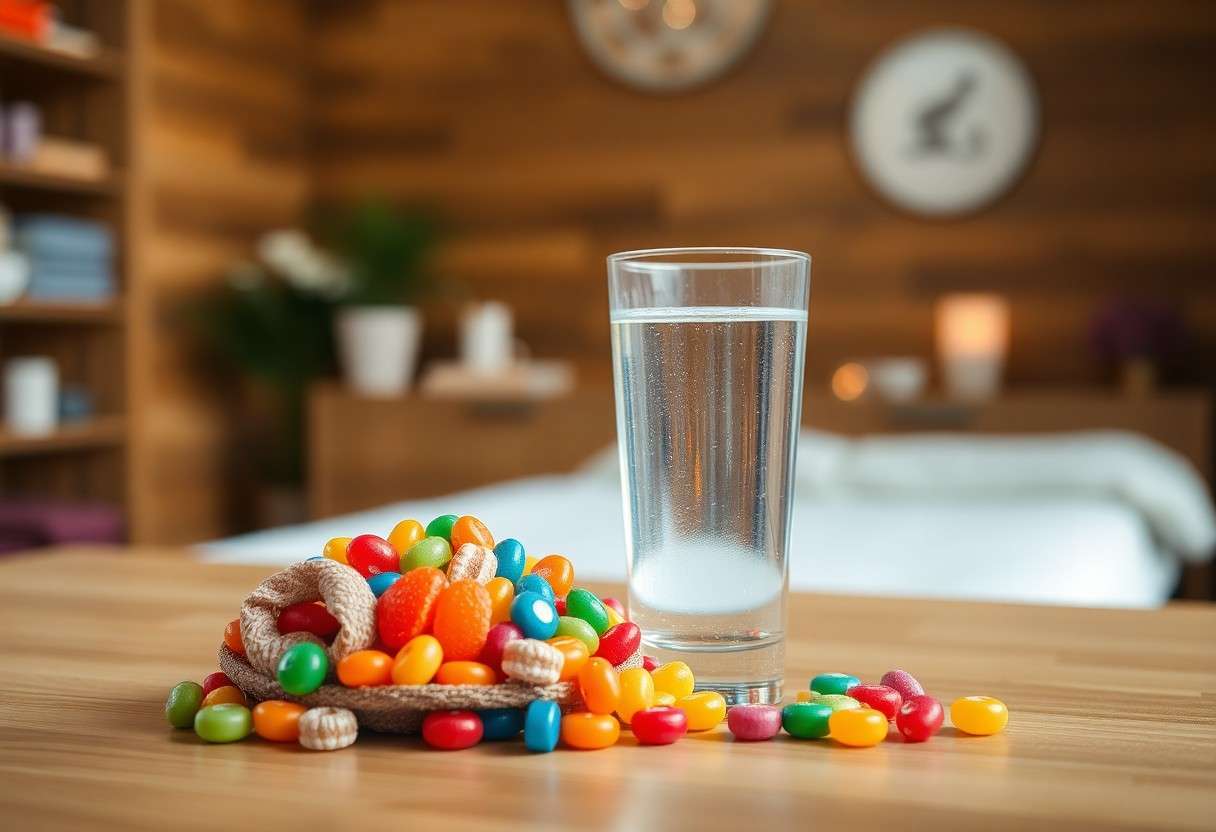
It’s common to find swallowing difficulties challenging and frustrating, but incorporating candy into your therapy can make the process more enjoyable and effective. By using different types of candy, you can stimulate your swallowing muscles, improve your oral motor skills, and enhance your ability to manage various food textures. In this blog post, you’ll discover how specific candies can serve as practical tools in your swallowing therapy journey, creating a positive approach to overcoming barriers and achieving better results.
The Sweet Science: Understanding How Candy Aids Swallowing
The Role of Texture and Consistency in Swallowing
Your experience during swallowing therapy can be significantly influenced by the texture and consistency of what you consume. Different candies provide distinct sensory experiences, from chewy caramels that require more effort to gummy bears that offer a unique resistance as you bite into them. This variability can help you practice and strengthen your swallowing muscles by exposing them to different challenges. For individuals struggling with swallowing, incorporating candies that range from hard to soft can progressively enhance your skills, leading to improved control and confidence during mealtimes.
Neurophysiological Responses to Sweetness
The sweet taste of candy engages your brain in unique ways that can be beneficial for swallowing therapy. Research shows that sweet foods stimulate the brain’s reward pathways, triggering positive neurophysiological responses that can make the experience of eating more enjoyable and less stressful. This emotional connection to sweetness doesn’t just enhance your mood; it may also promote better swallowing reflexes by activating areas in the brain responsible for motor control and coordination.
Your body’s response to sweetness isn’t merely about enjoyment; it involves a complex interplay of neural signals that encourage salivation and prepare your swallowing muscles for action. With each piece of candy, you might notice an increase in saliva production, which naturally lubricates the throat and aids in the swallowing process. This physiological reaction serves as a reminder that the right flavors can create an environment that is both pleasurable and functional, smoothing the path toward mastering swallowing techniques.
Candy Choices: Which Treats Enhance Therapy?
Examining Hard vs. Chewy Candies
When opting for candy for swallowing therapy, both hard and chewy options have unique benefits. Hard candies, like Jolly Ranchers or Werther’s Originals, require prolonged chewing and can help stimulate saliva production. This is particularly beneficial for individuals who need to work on their mastication skills. Chewy candies, such as gummies or taffy, provide a different texture that can also foster improved swallow coordination. The act of pulling, stretching, and chewing these candies engages various muscle groups in your mouth and throat, giving you a more comprehensive workout during therapy.
Choosing the right type of candy often depends on your specific swallowing goals. If your focus is on building stamina and endurance, hard candies might be the way to go. On the other hand, if your needs involve improving the strength of the jaw and the coordination of swallowing, chewy candies could be more appropriate. As you progress, experimenting with both forms can help diversify your therapy sessions, keeping them engaging and effective.
The Impact of Sugar Content and Flavoring
The sugar content and flavorings in candy also play an vital role in swallowing therapy. Low-sugar or sugar-free options often use alternative sweeteners like erythritol or xylitol, which may be more suitable for those with dietary restrictions or health concerns, such as diabetes. The reduced sugar content can offer a milder flavor that may encourage repeated sampling, allowing you to practice swallowing without overwhelming your palate with intense sweetness. Flavoring can take the form of familiar tastes like cherry, lemon, or root beer, which can keep the experience enjoyable and motivate you to engage more fully in the therapeutic process.
Additionally, the sensory experience provided by different flavors can affect your overall enjoyment of the therapy. Research shows that pleasant flavors can lead to improved motivation and positive associations with the swallowing exercises you perform. If you find yourself particularly drawn to fruity flavors, for example, incorporating a variety of fruity candies into your routine could stimulate both appetite and engagement, making each therapy session feel less like a chore and more like a tasty treat.
The Role of Enjoyment: Motivation Through Sweet Rewards
Psychological Effect of Treats on Therapy Engagement
Candy serves as a powerful motivator during swallowing therapy, transforming what could be a monotonous task into an engaging experience. By integrating sweet rewards into your routine, you’re likely to find yourself more excited about practicing your swallowing exercises. Think about it: each time you successfully complete an exercise, there’s a delicious piece of candy waiting for you. This anticipation adds a layer of enjoyment, encouraging consistency and commitment to your therapy plan. Studies have shown that rewards can significantly enhance motivation in therapeutic scenarios, which is precisely what candy provides in this context.
Building Positive Associations with Swallowing Exercises
Associating swallowing exercises with pleasurable experiences fosters a more positive mindset towards the therapy journey. Every time you practice swallowing, and immediately follow it with a tasty treat, you create a mental link between hard work and reward. Your brain begins to view these exercises not merely as a chore but as a step towards something enjoyable. Over time, this can lead to increased participation and a greater likelihood of adhering to your swallowing therapy, making it less of a burden and more of a normalized, rewarded activity.
Further reinforcing this positive association involves selecting candies or treats that you truly enjoy, thereby personalizing your therapy reward system. Consider incorporating a variety of flavors or textures that you find appealing, turning each session into an opportunity to indulge in your favorite sweets. This tailored approach makes the practice more relatable and enjoyable, enhancing your willingness to partake in the necessary regimen for improving your swallowing abilities. Ultimately, the more pleasure you derive from the process, the more steadfast your commitment will become.
Practical Applications: Incorporating Candy into Therapy Sessions
Guideline Strategies for Clinicians
To successfully integrate candy into swallowing therapy, start by assessing each patient’s individual needs and preferences. You might find that certain textures resonate better with specific patients, such as those who respond positively to hard candies versus softer, chewy ones. Establish a structured approach, often beginning with small pieces of candy to gauge their comfort levels and ability to manage textures. Using a variety of flavors can also enhance engagement, particularly among younger patients who might be at a greater risk for reluctance during therapy sessions.
In subsequent sessions, gradually increase the complexity of the tasks by introducing candies that are more challenging to swallow. Consider the use of multi-colored or uniquely shaped candies to not only maintain interest but also foster cognitive developments regarding color recognition and categorization. Documenting each session’s progress can provide valuable insights, allowing you to tailor activities further and ensure that your therapeutic approach remains both effective and enjoyable.
Safe Allergy-Aware Candy Options for Patients
Choosing candies that are safe for patients with allergies is paramount in swallowing therapy. Always ensure that you check ingredient labels for common allergens, such as peanuts, tree nuts, dairy, and gluten. There are many brands dedicated specifically to creating allergy-friendly options, including gummy candies made with fruit purees that are entirely nut-free, dairy-free, and gluten-free. Brands like Surf Sweets produce organic, allergy-conscious treats that not only comply with allergy standards but also provide texture variations beneficial for therapy.
Sometimes addressing patients’ allergies means also being considerate of dietary restrictions. Vegan or organic candies might be viable alternatives depending on each individual’s needs. Research into candy options should always be ongoing, as manufacturers frequently update ingredients or release new products specifically designed for those with dietary restrictions. Remember that obtaining patient feedback on their preferences can offer valuable insights into effective options, ensuring that therapy remains both safe and fun.
Real-World Examples: Success Stories from Therapy Sessions
Anecdotal Evidence of Improvement
Clinicians frequently share success stories showcasing how candy can transform swallowing therapy. For instance, a speech-language pathologist recounted a case involving a five-year-old patient who had significant difficulty swallowing solid foods. The child was hesitant to engage in therapy until gummy bears were introduced into the sessions. This sweet treat not only piqued the child’s interest but also provided a form of positive reinforcement. Over the course of just a few weeks, this patient moved from refusing most solid foods to eagerly participating in swallowing exercises with a variety of candies, indicating substantial progress in both skill and confidence.
Another testimony involved an adult patient recovering from a stroke, who struggled with the texture of traditional swallowing aids. When jawbreakers were incorporated into the exercises, the patient found the activities enjoyable and less intimidating. The tactile aspect of the hard candy encouraged the patient to activate oral muscles more effectively. This particular patient exhibited remarkable improvement, with documented increases in swallowing strength and coordination, contributing to a significant enhancement in overall quality of life.
Expert Commentary on Case Outcomes
Expert opinions from speech therapists emphasize that incorporating enjoyable elements like candy can create a more inviting therapy atmosphere. One leading therapist noted that “engaging patients with substances they find pleasurable not only aids in skill development but also significantly reduces anxiety surrounding the swallowing process.” Their experiences mirror the anecdotal evidence provided by clinicians, supporting the notion that positive experiences can lead to better outcomes in swallowing therapy.
Research has demonstrated that making therapy enjoyable fosters a willingness to participate more actively. Cases reflect that candy can serve dual purposes: breaking down psychological barriers while simultaneously promoting necessary physical skills. Within rehabilitation settings, the use of candy is increasingly validated through both individual narratives and broader clinical studies that highlight improved patient engagement and faster recovery periods. This compelling evidence illustrates candy’s role as a novel and effective tool in swallowing therapy, as it aligns therapy goals with the simple joys of candy consumption.
Conclusion
Ultimately, incorporating candy into swallowing therapy can be an effective and enjoyable tool for you or your loved one. The various textures, flavors, and shapes of candy can help stimulate your taste buds and enhance your swallowing skills. By allowing you to practice swallowing in a more playful manner, candy can alleviate anxiety associated with traditional therapy methods, making the process feel less daunting and more engaging. This added element of fun can encourage consistency in practice, leading to improved outcomes over time.
Additionally, choosing the right types of candy can provide you with the opportunity to work on specific swallowing challenges. Soft candies might be beneficial for those learning to manage consistency, while harder candies can promote jaw and mouth coordination. Whichever option suits your needs, integrating candy into your therapy plan offers a unique approach to blending enjoyment with rehabilitation. Embracing this method can not only make your therapy sessions more enjoyable but also empower you to make significant strides in your swallowing journey.


