How Clean Label Standards Transform Candy Making
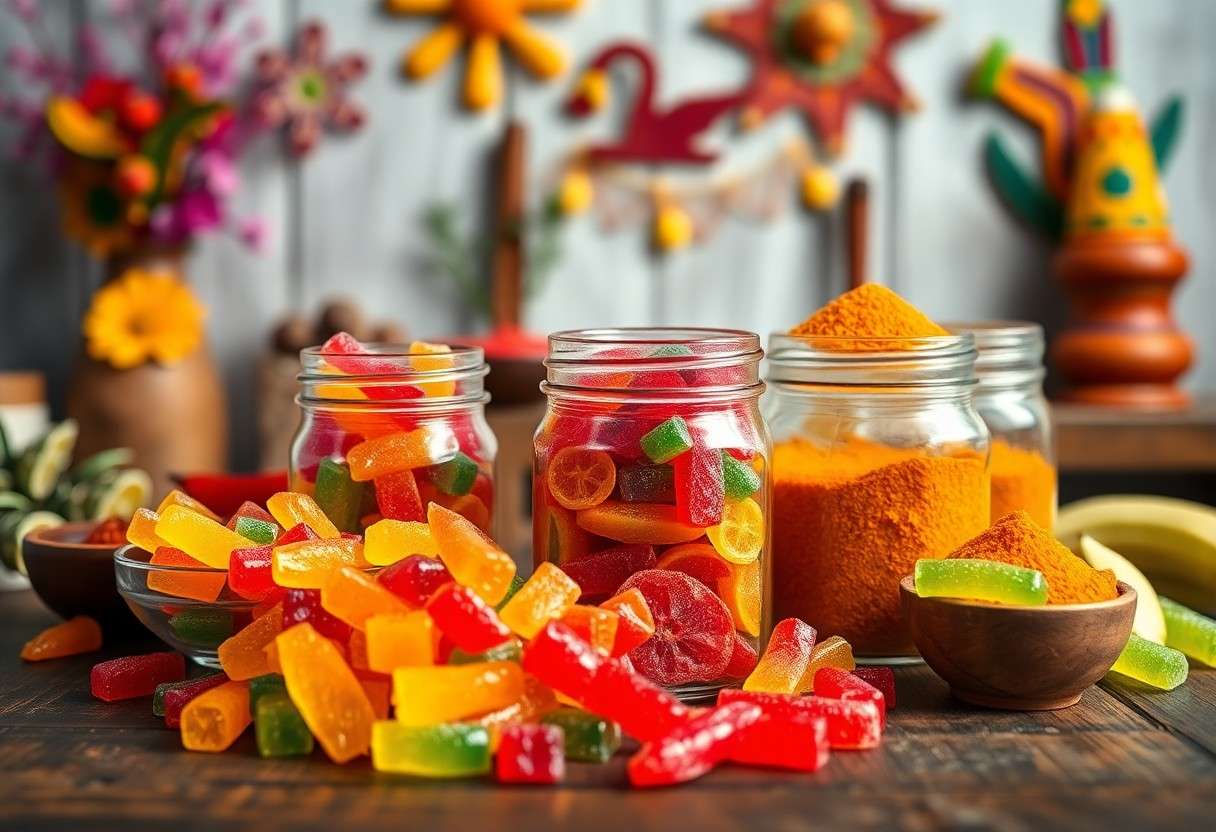
You watch candy makers swap artificial additives for real ingredients, cut hidden allergens, boost consumer trust, and yes, risk shorter shelf life for brighter

This article contains Amazon affiliate links. As an Amazon Associate, CandiesAndSweets earns from qualifying purchases.
You watch candy makers swap artificial additives for real ingredients, cut hidden allergens, boost consumer trust, and yes, risk shorter shelf life for brighter, cleaner taste.
Shedding the Synthetic Skin
You peel back the glossy shell and find candy that tells the truth; shiny coatings once hid long ingredient lists, but now you prize cleaner labels and fewer additives.
Candy’s new look favors texture over gloss, so you learn craftier techniques to keep chew and shine without synthetic glazing agents, winning you both patience and consumer trust.
Adieu to Red Dye No. 40
Bye, Red Dye No. 40-you opt for beet, paprika, and fruit pigments that color without the fuss, since some studies link artificial reds to behavioral responses in sensitive children.
Real Fruit, Real Flavor
Swap the lab aroma for concentrate and you taste differences: batches vary, hues shift, and the payoff is authentic flavor that keeps customers coming back for honest candy.
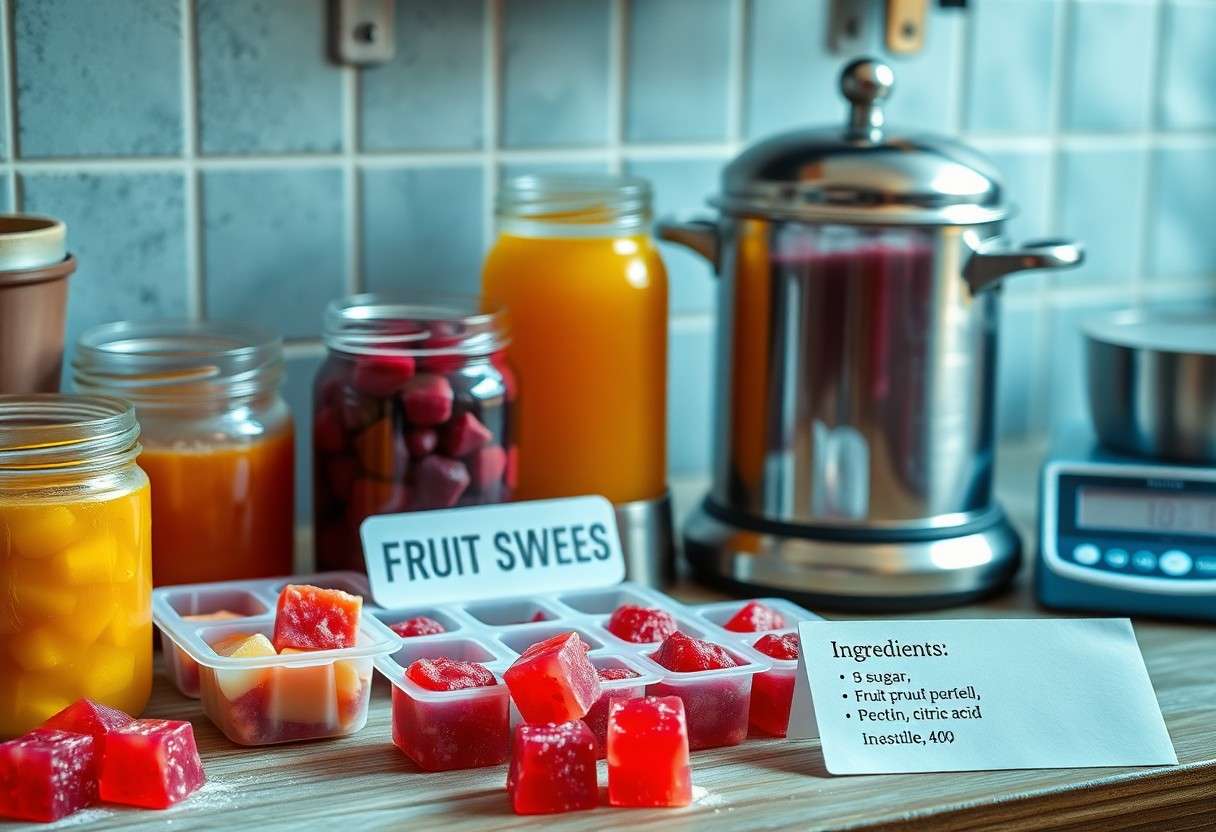
Fresh fruit ingredients force you to tweak pectin, sugar, and drying times so texture stays right, while natural preservatives like citric acid give you real antioxidants and a shorter but proud shelf life.
The Sweet Truth About Sugar
Sugar still runs the show in candy, and you notice labels demanding less of it. Clean-label shifts push makers to cut added sugar and expose sweetener sources so you, the shopper, avoid surprises and reduce tooth decay and metabolic risk without sacrificing fun.
Labels now make formulators swap sugar blends for fruit concentrates or lower-sugar recipes, and you get treats that boast simple panels. Chefs must balance texture and flavor so you keep that nostalgic chew without the mystery chemistry.
Stevia’s Big Break
Stevia has elbowed into candy-making because you want zero-calorie sweetness with a short, pronounceable ingredient list. Makers tweak blends so you still crave another bite while the label stays honest.
Manufacturers highlight stevia extract and pair it with tiny sugars to preserve mouthfeel, letting you enjoy a cleaner label and familiar texture in the same candy bar.
Honey, I Shrunk the Chemicals
Honey replaces multiple chemical humectants and artificial flavors so you spot fewer additives and more botanical character; you get a label that reads like a farm visit rather than a chemistry set.
Bees’ batch variability forces you to accept flavor swings, and brands must test for pesticide residues, so cleaner labels still demand rigorous sourcing you can trust.
You should note honey alters moisture and shelf life, so formulators balance preservation while keeping labels simple; also do not give honey to infants and check sourcing claims when you pick a jar.
Transparency is the New Toffee
Labels now do the heavy lifting so you can decide fast: you scan for hidden additives and celebrate short lists that actually mean something, while brands that shout origin stories get your attention quicker than a new flavor drop.
Decoding the Fine Print
Reading ingredient panels becomes your detective game: you flag synthetic emulsifiers and quirky chemical names, then reward companies that list real items like cocoa butter; that clarity makes your snack choices smarter and sassier.
From Lab to Orchard
Where manufacturers once hid processes, you now demand origin stories: are sugars from heirloom fruit or slick lab syrups? Seeing farm names and harvest dates gives you the power to weigh taste claims against possible trace pesticides.
You should ask for batch codes and third-party tests so you can verify claims; spotting a lab report that contradicts glossy labels flags mislabeling, while clear supply chains and organic certifications confirm the sweet truth.
The Shelf-Life Struggle
Shelf-life haunts you when clean labels push out classic preservatives; you’ll face shorter shelf spans, tighter cold chains, and quicker markdowns as proof-of-freshness rules stiffen.
You juggle new testing scripts, supplier guarantees, and the marketing win of a clean-label premium, all while balancing the real threat of product spoilage and wasted inventory.
Freshness Without the Phantoms
Freshness now asks you to trust botanical antioxidants and smart packaging instead of the usual chemical sentinels; expect wins in shelf appeal but watch for flavor fade and uneven protection.
Keeping moisture, light, and oxygen out becomes your daily obsession, with oxygen-barrier films and desiccants replacing mystery stabilizers to protect texture and safety.
Nature’s Preservation Panic
Nature’s freebies can be fickle: extracts that worked in pilot batches may leave you fighting microbial growth or strange off-notes in commercial runs.
Removing synthetics forces lengthy challenge tests, tighter supplier audits, and occasional reformulations that raise costs and invite regulatory scrutiny.
Practical fixes you can adopt include blending complementary botanicals, demanding strict source specs, and adding extra shelf trials to tame batch inconsistency while keeping the clean appeal shoppers crave.
The Texture Tussle
Candy forces you into a tiny battle of snap versus chew where clean labels rewrite the rulebook; replace synthetics and you face unexpected graininess or limp results. You learn fast that ingredient honesty often demands more experimental batches and sharper tasting notes.
Fans expect the same nostalgic mouthfeel, so you tweak syrups, pH, and gelator blends to match memory. Tiny miscalculations create stickiness or sugar bloom, which ruin both texture and trust.
Gelling Without the Gross Stuff
Skip the old artificial gums and aim for fruit-derived pectins, agar, or konjac; you’ll chase clean bounce without chemical names. Careful dosing prevents sogginess or the dreaded rubbery chew, so you test like a mad scientist with better snacks.
Pectin’s Power Play
Pectin gives you a fruit-sourced fix that keeps labels simple while delivering tender gels, provided you balance sugar and acid; missteps lead to runny or chalky outcomes that spoil texture and shelf appeal.
Using high-methoxyl pectin favors classic jellies that need more sugar to set, while low-methoxyl plus calcium builds firmer, lower-sugar bites; you must watch water activity and heat profiles to prevent microbial growth and ensure safe, tasty results.
Marketing the Guilt-Free Gummy
Marketing your guilt-free gummy turns ingredient honesty into your best pitch: you pair playful flavor stories with short, transparent ingredient lists so shoppers spot value at a glance. You win repeat buyers when packaging promises match the pantry-no hidden preservatives, just clear claims and real taste.
Appealing to the Wellness Wonka
You charm wellness-focused buyers by speaking like a friend, not a lab report: short phrases, clear benefits, and fun visuals. You should highlight no artificial dyes and real fruit content so health seekers feel clever, not cheated.
Showcase small, verifiable badges and ingredient callouts in your ads and on-pack to turn curiosity into purchase. Showcase brief sourcing notes and simple allergy cues to keep you honest and persuasive. You might also enjoy our guide on Combating Counterfeit Confectionery in Global Markets.
The Green-Washed Wrapper
Watch brands that flaunt green colors and vague claims while burying suspect sweeteners in the fine print; you risk customer backlash the moment someone reads the label. Watch for phrases like “made with natural flavors” that mask processed inputs.
Labels can mislead, so you should insist on readable ingredient order and clear percentage statements to avoid deception. Labels that display trusted certifications and exact fruit content build immediate credibility. You might also enjoy our guide on Mergers and Acquisitions – Reshaping the Global Confectionery Landscape.
Consider training your team and suppliers to spot common tricks-buzzwords, tiny-type disclosures, and images of fruit that don’t match ingredients-so you protect your brand and offer genuine transparency instead of green-painted fiction.
Summing up
With these considerations, you watch clean label standards turn candy making into culinary honesty: you swap indecipherable ingredient lists for simple, familiar names, tweak recipes to keep texture and fun, and win shoppers who read labels like they’re solving a mystery. Your brand gains trust, small changes spark big taste wins, and candy counters feel less like temptation and more like a smart treat choice. You might also enjoy our guide on Labeling Requirements for Confectionery Products Across Borders.