How Flavanols in Chocolate Boost Brain Function
With the rise of health-conscious choices, you may be pleased to learn that indulging in chocolate can offer benefits beyond mere enjoyment. The flavanols found

This article contains Amazon affiliate links. As an Amazon Associate, CandiesAndSweets earns from qualifying purchases.
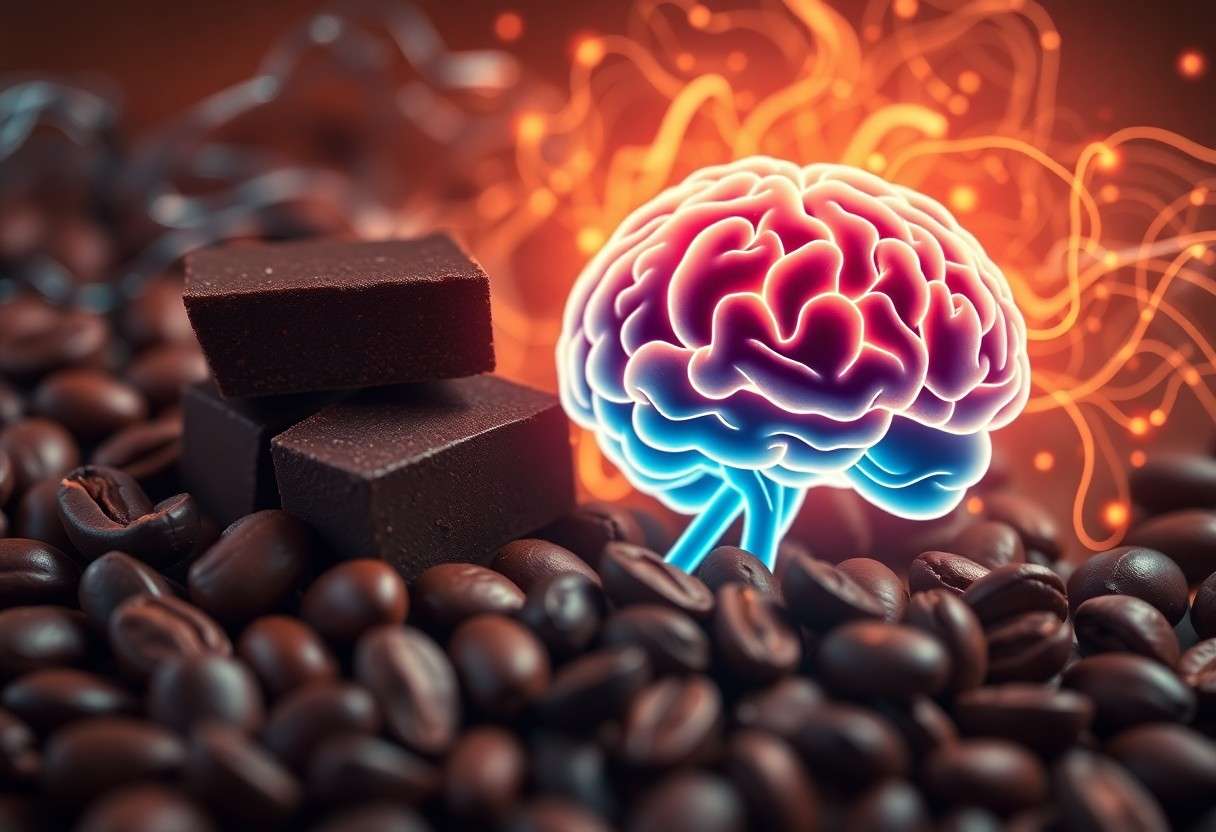
With the rise of health-conscious choices, you may be pleased to learn that indulging in chocolate can offer benefits beyond mere enjoyment. The flavanols found in dark chocolate contribute positively to your brain function by improving blood flow, enhancing cognitive performance, and promoting overall mental well-being. This blog post will explore the science behind these powerful compounds, how they can enrich your life, and practical tips on incorporating chocolate into your diet for optimal brain health.
Understanding Flavanols
For many, the allure of chocolate goes beyond its delectable taste; it also lies in its potential health benefits. Among the various components of chocolate, flavanols stand out due to their significant effects on your brain function. Flavanols are a type of antioxidant found in various plant-based foods, which can help protect your cells from damage. They belong to a larger group known as flavonoids and are particularly abundant in cocoa beans, making chocolate one of the most pleasurable sources of these beneficial compounds.
What are Flavanols?
After delving into the world of flavanols, you will learn that they are polyphenolic compounds that contribute to the health benefits associated with certain foods. These compounds interact with your body’s cells and play a pivotal role in promoting cardiovascular health and cognitive function. Research suggests that the consumption of flavanols can enhance blood flow to your brain, which may improve memory, attention, and overall cognitive performance.
Sources of Flavanols
On the hunt for flavanols? Your best bet lies in selecting foods rich in these antioxidants. Dark chocolate is arguably the most delicious source, with higher cocoa content typically correlating with a greater concentration of flavanols. You can also find flavanols in a range of other foods, including apples, berries, onions, and certain teas. Your overall diet can significantly impact the amount of flavanols you consume, so incorporating a variety of these foods can be beneficial.
To get the most out of flavanols, aim for dark chocolate containing at least 70% cocoa, as this is where you will find higher levels of the beneficial compounds. Other noteworthy sources of flavanols include red wine and various fruits, particularly berries like blueberries, blackberries, and strawberries. By diversifying your intake of flavanol-rich foods, you can enhance both your brain function and your overall health.
The Science Behind Brain Function
Clearly, the brain operates through a complex interplay of neurons that communicate via electrical and chemical signals. Understanding the mechanics of brain function gives insight into how different compounds, like flavanols found in chocolate, can have a significant impact on cognitive performance. Your brain is responsible for tasks ranging from simple motor functions to intricate decision-making strategies, and its ability to maintain optimal performance is influenced by a variety of factors, including diet, lifestyle, and even genetics.
As you explore deeper into brain science, you find that various components work together to support cognitive health. The aging process can lead to a decline in neural functioning, but ongoing research suggests that incorporating flavanol-rich foods could play a role in neuroprotection, thereby preserving your cognitive abilities as you age. This newfound understanding emphasizes the importance of nutrition—not just for your physical health, but also for the health of your brain.
Cognitive Health and Neuroprotection
Any exploration of flavanols leads you to discover their potential benefits for cognitive health. Scientific studies have indicated that these compounds can enhance blood flow to the brain, which is critical for maintaining optimal function. Improved circulation can lead to increased oxygen and nutrient delivery, imperative components for cognitive vitality. Moreover, flavanols may provide protective effects against neurodegenerative diseases by combating oxidative stress and inflammation, two culprits that often contribute to cognitive decline.
With age, your risk of experiencing cognitive impairment increases. However, incorporating chocolate rich in flavanols into your diet may offer a preventive strategy. By safeguarding neurons and promoting neuroplasticity—the brain’s ability to form new connections—you can potentially enhance your overall cognitive resilience.
Mechanisms of Action in the Brain
Across various studies, researchers have identified key mechanisms by which flavanols exert their effects on brain function. They are believed to enhance synaptic plasticity, a process critical to learning and memory, by influencing neuronal signaling pathways. Furthermore, flavanols stimulate the release of brain-derived neurotrophic factor (BDNF), a protein that plays a vital role in neuronal survival and growth. This suggests that flavanols not only support existing neurons but may also help in the growth of new ones.
Cognitive enhancements attributed to flavanols extend beyond simple improvements in mood or focus. Research indicates that these compounds can modulate cerebral blood flow, thereby enhancing oxygen delivery to the brain. This improved oxygenation supports various cognitive tasks, including attention, memory, and problem-solving skills. The cumulative effects of consistent flavanol intake may contribute to lasting changes in brain function, underscoring the importance of nutrition in maintaining cognitive health.
Chocolate as a Source of Flavanols
Even though many people indulge in chocolate for its delicious taste, it is also celebrated for its health benefits, particularly its flavanol content. Flavanols are a type of flavonoid that offer various health advantages, including improved heart health and cognitive function. You might be surprised to learn that different types of chocolate contain varying amounts of flavanols, which can influence the extent of their benefits to your brain function.
Types of Chocolate and Flavanol Content
By understanding the types of chocolate available, you can make better choices to boost your flavanol intake. Here’s a breakdown of common chocolate varieties and their flavanol content:
| Type of Chocolate | Flavanol Content (per 100g) |
|---|---|
| Dark Chocolate | 100–300 mg |
| Milk Chocolate | 5–15 mg |
| White Chocolate | 0 mg |
| Raw Chocolate | 500–700 mg |
| Chocolate Drinks | Varies |
- Dark chocolate generally offers the highest flavanol levels.
- Milk chocolate contains significantly less due to the presence of milk solids.
- White chocolate lacks flavanols as it does not contain cocoa solids.
- Raw chocolate is an excellent source, often retaining more beneficial compounds.
- Chocolate drinks can vary based on preparation and ingredients.
This highlights the importance of choosing the right type of chocolate if you want to maximize your flavanol intake for potential brain benefits.
Recommended Consumption for Benefits
Consumption of flavanol-rich chocolate is recommended to be moderate, ideally around 30 to 50 grams of dark chocolate per day. This amount has been linked to various health benefits, including enhanced cognitive function and improved blood flow. By selecting chocolate with a higher percentage of cocoa (70% or more), you can significantly increase your flavanol intake while enjoying the delicious taste of chocolate.
With the right amount of flavanol-rich chocolate integrated into your daily routine, you can experience its potential brain-boosting benefits. Just be sure to balance your daily intake with other healthy food choices, as enjoying chocolate is most beneficial when part of a well-rounded diet. Keeping moderation in mind allows you to indulge without compromising your health.
Research Findings on Flavanols and Brain Function
Once again, the research community has turned its attention towards the impressive benefits of flavanols found in chocolate, especially in relation to enhancing brain function. Numerous studies have indicated that these bioactive compounds can positively influence cognitive performance. Flavanols have been shown to improve blood flow to the brain, leading to increased oxygen and nutrient delivery, which are important for optimal cognitive functioning. You may find it fascinating that participants in various studies reported enhancements in memory, attention, and overall mental clarity after consuming chocolate rich in flavanols. These findings provide a compelling argument for including dark chocolate in your diet as a delightful cognitive booster.
Recent Studies and Their Implications
Recent studies have unveiled exciting insights into how flavanols may help mitigate age-related cognitive decline. For instance, one study suggested that the intake of flavanol-rich chocolate was linked to improved executive functions, such as problem-solving and planning. You might be intrigued to know that participants who consumed these flavanols exhibited brain activity patterns similar to those seen in younger individuals, highlighting the potential for chocolate to support cognitive health as you age. Additionally, the research suggests that the timing and amount of flavanol consumption could play a role in maximizing its benefits, allowing you to tailor your chocolate intake for optimal results.
Potential for Future Research
Recent explorations in the field of flavanol research not only highlight its current benefits but also suggest vast potential for future studies. There is a growing interest in investigating the specific mechanisms by which flavanols exert their positive effects on brain function, paving the way for targeted applications in preventing cognitive decline. Moreover, researchers are considering the combination of flavanols with other dietary components to understand synergistic effects that could further enhance cognitive health. You may find it encouraging to know that the promising outcomes from existing studies lay the groundwork for innovative interventions aimed at improving brain health through dietary practices.
Another area ripe for exploration is the effects of varying types of chocolate and their respective flavanol concentrations on cognitive performance. As more studies evaluate different formulations and preparations of chocolate, you could discover that certain varieties hold even greater promise for enhancing your brain functions. The links between lifestyle factors, such as exercise and overall diet, in combination with flavanol-rich chocolate consumption, also warrant further investigation. This comprehensive approach may ultimately result in a deeper understanding of how you can optimize your diet for improved cognitive health.
Other Foods Rich in Flavanols
Many people often think of chocolate as the primary source of flavanols, but there are numerous other foods that equally contribute to your flavanol intake. These foods not only add variety to your diet but also provide numerous health benefits. Fruits like apples, grapes, and berries, as well as beverages such as tea and red wine, are all excellent sources of flavanols. By diversifying the sources from which you obtain flavanols, you can ensure that your body receives a range of antioxidants that support overall health.
Comparative Analysis with Chocolate
Chocolate is indeed a delicious way to enjoy flavanols, yet when comparing its flavanol content to other foods, you might find surprising alternatives. Below is a comparative analysis of the flavanol content found in various foods:
| Food Item | Flavanol Content (mg per 100g) |
|---|---|
| Dark Chocolate (70% cocoa) | 1,500 mg |
| Green Tea | 100 mg |
| Blueberries | 200 mg |
| Apples | 110 mg |
| Red Wine | 160 mg |
Incorporating Flavanols into a Healthy Diet
Beside indulging in dark chocolate, you have a multitude of options for incorporating flavanols into your daily meals. A balanced diet rich in fruits, vegetables, and beverages such as tea can help you increase your flavanol consumption. Aim to include a variety of these sources throughout your week. Start your day with a cup of green tea, enjoy a colorful fruit salad at lunch, and consider sipping red wine during dinner—while being mindful of moderation.
Consequently, focusing on a diverse array of flavanol-rich foods can enhance your overall brain function and health. By being intentional about including these foods in your daily meals, you are making a positive change that not only satisfies your taste buds but also supports your cognitive health, ensuring you reap the benefits these powerful antioxidants offer.
Practical Applications of Flavanol Consumption
Unlike many dietary components that require careful monitoring and adjustment, flavanols in chocolate can be enjoyed as part of a delightful treat. Regular consumption can provide cognitive benefits, but mindful choices in chocolate selection are vital for maximizing the flavanol content. Incorporating high-flavanol chocolate into your diet can offer you a tasty way to support brain function, making it an enjoyable addition to your daily routine.
Tips for Choosing High-Flavanol Chocolate
Anytime you are shopping for chocolate, look for specific indicators of high flavanol content. Here are some tips that can guide your selection:
- Choose dark chocolate that contains at least 70% cocoa.
- Check for brands that specifically mention high flavanol levels on the packaging.
- Avoid chocolates with added sugars or ingredients that may diminish health benefits.
- Consider organic options, which often emphasize quality and purity in their sourcing.
Perceiving these details while shopping can enhance your chances of selecting a chocolate that not only satisfies your cravings but also contributes positively to your overall cognitive health.
Integrating Flavanols into Daily Life
Across your daily routine, there are several strategies you can employ to incorporate flavanol-rich chocolate effectively. One simple way is to include a small square of dark chocolate as a mid-afternoon snack, allowing you to enjoy a moment of indulgence while reaping cognitive benefits. Additionally, try adding cocoa powder to smoothies or oatmeal for an extra boost of flavor and nutrients. You can even sprinkle high-flavanol chocolate shavings onto your yogurt or fruit for a delicious and healthful topping. By being mindful of these small additions, you effectively enhance the antioxidant profile of your meals.
Another effective approach to integrate flavanols into your daily life is to keep a stash of high-flavanol chocolate readily available at home or at work. This ensures that you have a healthy option on hand when cravings strike, preventing the temptation of less nutritious snacks. Additionally, consider making homemade treats using cocoa powder as a base, which can elevate your desserts while providing the benefits of flavanols. Exploring recipes and creating delicious flavanol-rich treats can further motivate you to make consistent choices that positively impact your brain health.
Conclusion
As a reminder, the consumption of flavanols found in chocolate can significantly enhance your brain function. These natural compounds have been shown to improve blood flow to the brain, which may lead to better cognitive performance and mental sharpness. Incorporating moderate amounts of dark chocolate into your diet could potentially sharpen your focus and bolster your memory, making it an enjoyable addition to your routine that aligns with your wellness goals.
Furthermore, the potential benefits extend beyond just brain function. Flavanols also have antioxidant properties that can promote overall cardiovascular health, contributing to a more resilient body and mind. By choosing high-quality dark chocolate rich in flavanols, you can savor a delicious treat while also investing in your cognitive health and enhancing your quality of life. Enjoy finding the right balance to maximize both your enjoyment and the benefits chocolate has to offer!