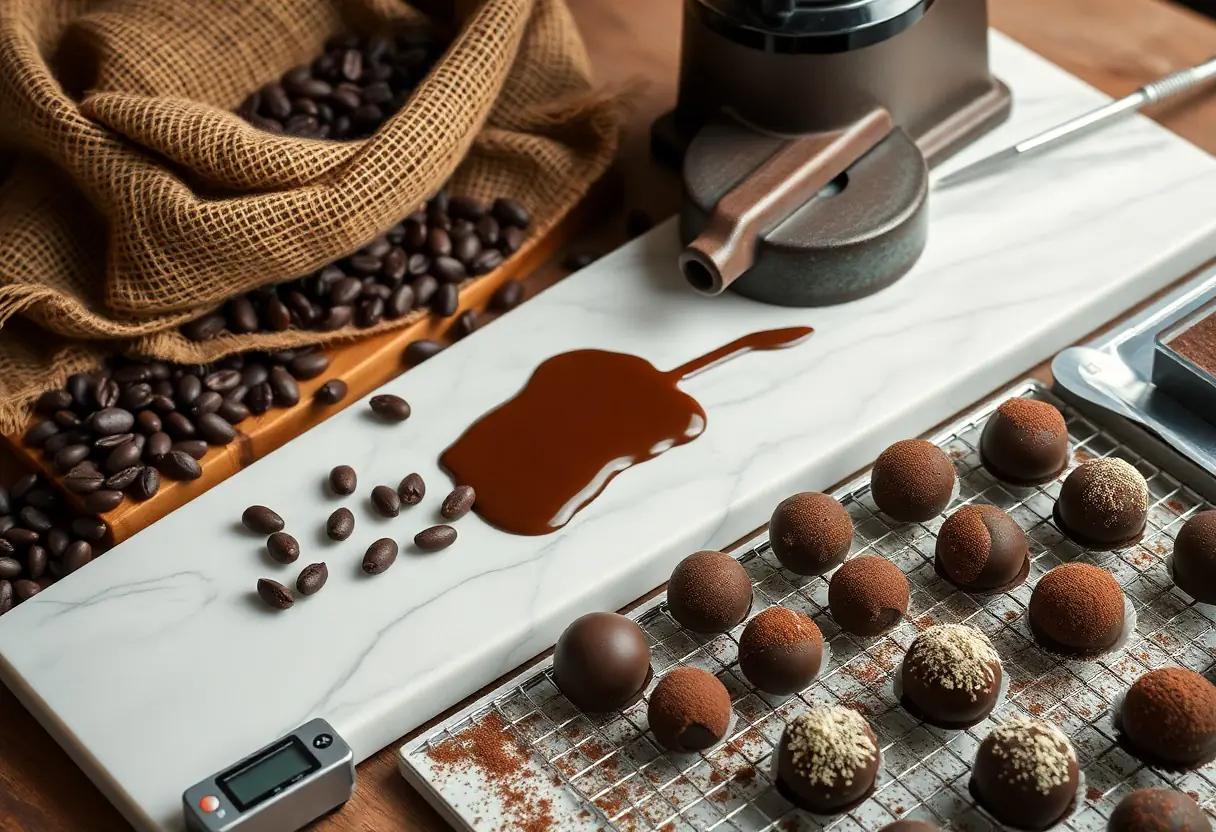
Complete Guide to Bean to Bar Chocolate Tasting at Home
You can host a professional bean-to-bar chocolate tasting at home by focusing on a clean palate, identifying single-origin flavor notes, noting high cocoa perce

This article contains Amazon affiliate links. As an Amazon Associate, CandiesAndSweets earns from qualifying purchases.
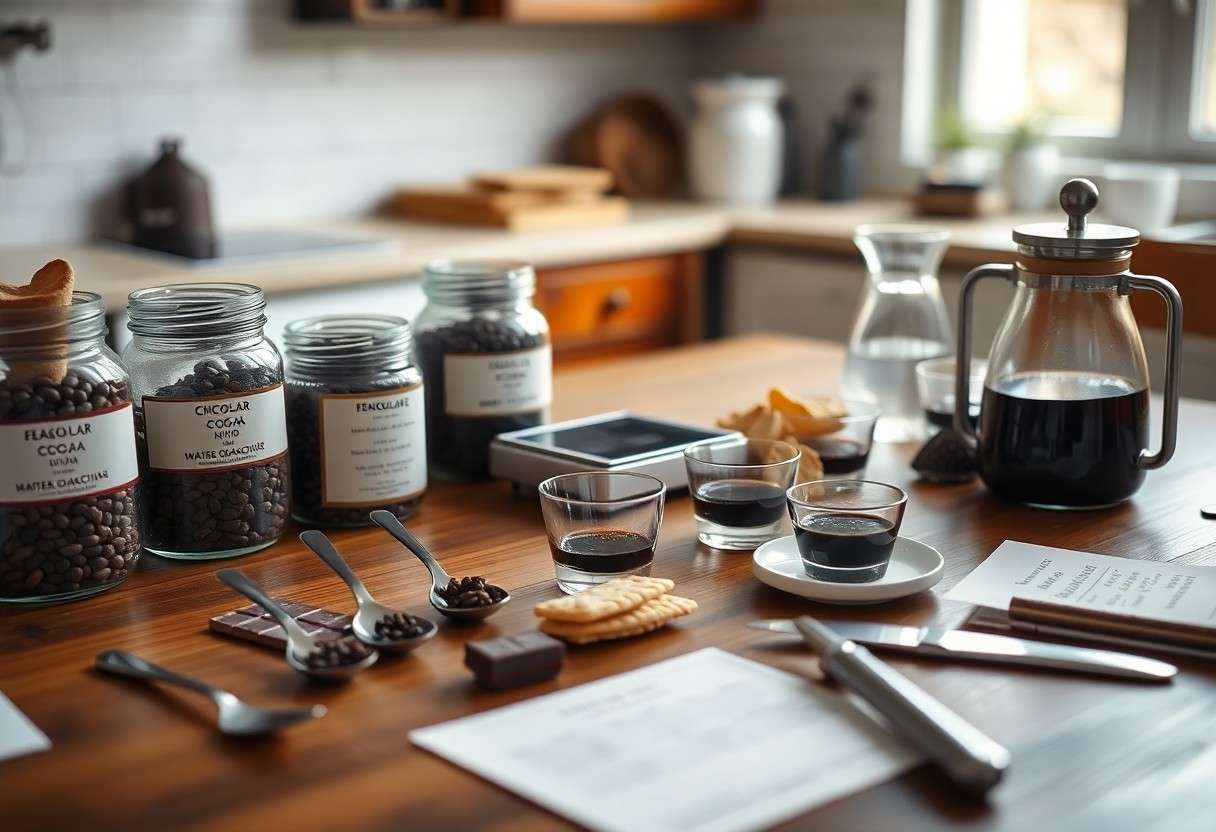
You can host a professional bean-to-bar chocolate tasting at home by focusing on a clean palate, identifying single-origin flavor notes, noting high cocoa percentages, and managing allergies while avoiding overheating to preserve aroma and texture.
Understanding Bean to Bar Varieties and Types
| Variety | Typical Profile |
|---|---|
| Criollo | Delicate, floral, low bitterness |
| Forastero | Robust, earthy, higher yields |
| Trinitario | Hybrid balance of fruit and structure |
| Heirloom / Regional | Distinct terroir-driven notes |
- bean-to-bar
- single-origin
- blended bars
- high-percentage cacao
- inclusions
You should compare tasting notes against the table to match bars to your preference, looking for bean-to-bar markers and labels that promise specific flavor profiles like floral or earthy.
Your tasting will reveal how processing affects the bar; watch for bars with visible inclusions and clear origin claims to judge consistency and potential allergies risks.
Distinguishing Single-Origin from Blended Bars
When you read a label, choose single-origin to explore terroir-driven clarity and choose blended bars for crafted balance and predictable flavor across batches.
Identifying High-Percentage Cacao and Inclusion Profiles
Check the cacao percentage to anticipate bitterness and body; high-percentage cacao gives intense cocoa notes while inclusions alter texture and aroma, adding nuts, fruit, or spices.
After you taste a high-percentage bar, note lingering tannins, how sugar rounding affects flavor, and avoid bars with visible pieces if you or guests have allergies.
Critical Factors Influencing Flavor Profiles
Tasting a bar reveals how bean to bar methods, terroir, genetic varietals, fermentation, and roasting combine to shape distinct flavor profiles; use your palate to isolate acidity, fruit, floral, nutty, and bitter notes.
- Terroir: soil, altitude, climate
- Genetic varietals: Criollo, Trinitario, Forastero
- Fermentation: duration, control
- Roasting: profile, time, temperature
- Processing: conching, alkalization
Pay attention to off-notes such as moldy, vinegary fermentation faults or burnt roast aromas that can overpower delicate origin traits. Any adjustments in roast or fermentation will change what you perceive when tasting.
The Impact of Terroir and Genetic Varietals
Origin determines mineral, floral, and fruit signals you detect; coastal, highland, and volcanic soils yield distinct acidity and body. Select bars labeled with region and genetic varietals so you can train your palate to recognize those signatures.
How Fermentation and Roasting Shapes the Finish
Fermentation creates the aromatic precursors that define finish and complexity; you will notice controlled fermentation brings clean fruit and floral notes, while poor fermentation produces vinegary or moldy faults that dominate the finish.
Roasting develops sugars and bitter compounds, so you must judge roast level against origin: lighter roasts preserve origin nuance, heavier roasts yield caramelized or burnt tones that can mask subtlety and increase astringency.
Step-by-Step Sensory Evaluation Process
Follow a consistent sequence to assess appearance, snap, aroma, melt, and flavor; record scores and context for each sample. You should note any off-smells or visible mold and discard contaminated pieces immediately.
| Step | Action |
|---|---|
| Prep | Neutral lighting, clean palate, room-temperature pieces, sanitized tools. |
| Visual & Snap | Inspect gloss, color, and surface; break to hear a clear snap. |
| Aroma & Melt | Warm in your hands, inhale gently, then let a piece soften on the tongue to release aroma and texture. |
| Flavor & Finish | Score acidity, sweetness, bitterness, and aftertaste; note lingering positive or negative impressions. |
Analyzing Visual Appearance and Auditory Snap
Observe the surface for even gloss, speckling, or fat bloom, and check edges for discoloration; if you spot fuzzy growth or chemical odors, treat the sample as contaminated. Tap the bar with a clean knife and listen for a sharp snap, which indicates proper temper and cocoa butter crystal structure.
Evaluating Olfactory Notes and Melting Mechanics
Close the piece to your nose and inhale gently, identifying fruity, nutty, or spicy top notes while flagging any musty or chemical aromas as defects; you should build a scent profile before tasting.
Let the chocolate rest on your tongue and observe how it softens, releases flavors, and leaves texture-silky melt and gradual flavor development often point to quality cocoa butter and careful conching; gritty or waxy feelings warrant lower scores.
Pros and Cons of Small-Batch Craft Chocolate
Craft producers often deliver complex, distinct flavors and transparent bean stories, so you can evaluate origin and processing choices when you taste. They give you a clearer sense of terroir and maker intent.
Texture varies widely: you may find velvety single-origin bars or grainier batches depending on conching; expect higher cost and a shorter shelf life compared with mass-produced bars, which affects how you plan tastings.
| Pros | Cons |
|---|---|
| Complex, unique flavor profiles | Higher per-bar price |
| Traceable bean sourcing | Limited availability and sell-outs |
| Ingredient purity-fewer additives | Batch-to-batch variability |
| Short supply favors freshness | Shorter shelf life |
| Single-origin clarity | Smaller output limits choices |
| Closer maker-to-consumer stories | Less standardized texture |
| Support for ethical producers | Price sensitivity for casual buyers |
| Educational tasting opportunities | Seasonal access to specific harvests |
Advantages of Ethical Sourcing and Ingredient Purity
You gain access to traceable beans and clear origin information, which helps you evaluate farming practices and flavor lineage during home tastings.
Ingredient purity means you can detect real cacao expression without masking additives, so you learn to distinguish authentic notes and compare processing styles.
Considerations Regarding Price Points and Availability
Pricing typically reflects bean procurement and small-batch production, so you should expect higher per-bar cost and plan tastings accordingly.
Availability fluctuates by harvest and maker capacity, which can limit specific bars; you can follow producers or reserve drops to secure samples for comparative tasting. You might also enjoy our guide on Belgian Chocolate: A Legacy of Quality and Innovation in Every Bite.
Stock rotations and limited runs mean you may prefer subscriptions or targeted purchases; when budget is tight, choose bars with transparent sourcing and detailed tasting notes to maximize learning from each buy.
Curating Your Home Tasting Collection
Stock 4-6 bars across single-origin and blends, varying cacao percentage and processing style so you can taste clear contrasts; include at least one award-winning producer and a local micro-batch for breadth.
Balance familiar flavors with adventurous picks, arranging bars from lightest to darkest intensity so you can track how acidity, fruitiness, and bitterness shift as you progress through the flight.
Identifying Award-Winning Makers and Regions
Research recent competition results and trusted tasting notes so you can identify makers that consistently score highly and highlight regions like Madagascar, Ecuador, and Trinidad for distinctive profiles.
Compare label details-bean variety, fermentation, and roast levels-so you can match awards to actual taste characteristics instead of relying solely on packaging claims.
Proper Storage Techniques to Maintain Freshness
Store bars in a cool, dark spot at roughly 16-20°C with low humidity to prevent bloom and off-odors; you should avoid heat and sunlight that cause spoiled texture and flavor.
Keep chocolate wrapped and sealed away from strong-smelling foods-onions, spices, and cleaners will transfer aromas quickly-so you can preserve original flavors using airtight containers or original foil and box.
Avoid refrigeration unless necessary; if you must chill bars, let them return to room temperature in a sealed bag to prevent condensation that creates sugar or fat bloom and dulls flavor.
Final Words
Drawing together, you now have a clear path to conduct bean-to-bar tastings at home: select varied origins, control temperature, use clean water and neutral palate cleansers, and record aroma and flavor notes. You will refine your palate by tasting methodically, comparing texture and finish, and experimenting with pairings. You should store bars properly and approach each session with patience to appreciate cacao complexity and develop consistent tasting practice.