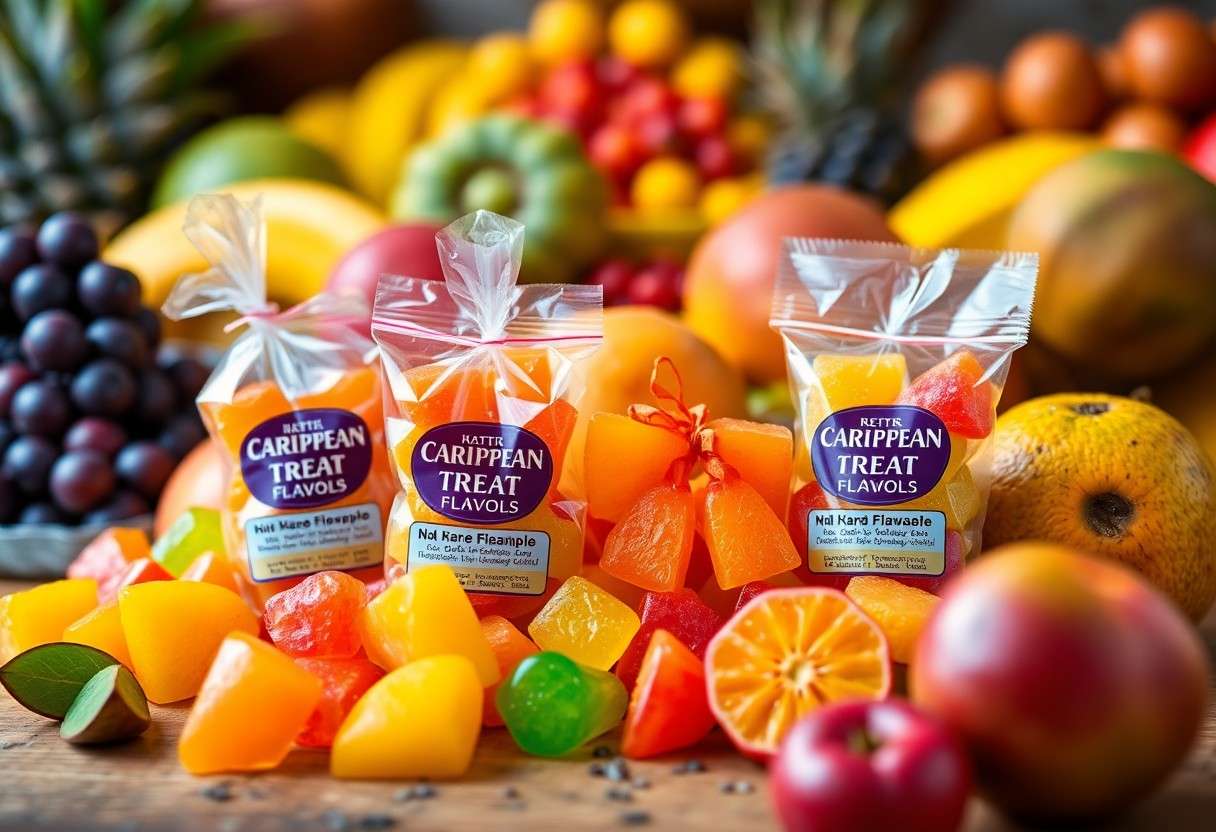
How Social Media Shapes Modern Candy Trends
With the rise of social media platforms, your candy consumption and preferences have likely been influenced by viral trends and eye-catching aesthetics. These p

This article contains Amazon affiliate links. As an Amazon Associate, CandiesAndSweets earns from qualifying purchases.

With the rise of social media platforms, your candy consumption and preferences have likely been influenced by viral trends and eye-catching aesthetics. These platforms serve as powerful marketing tools, enabling brands to reach you directly with innovative flavors, unique packaging, and engaging content. By understanding how social media drives these trends, you can better appreciate the impact of digital culture on your favorite treats.
The Rise of Social Media Influencers
Impact of Influencer Marketing on Candy Choices
Your candy choices are increasingly influenced by social media influencers who curate the trends you see online. These figures leverage their extensive follower base to promote not just their lifestyles but also specific products, including candies. Through visually appealing posts, engaging stories, and persuasive dialogues, they raise awareness and create desirability around certain brands. For example, a well-timed Instagram post featuring a vibrant candy package can quickly turn a previously overlooked item into a must-have treat among your peers.
Moreover, influencer marketing often extends beyond mere recommendations. When influencers engage in partnerships with candy brands, they typically participate in campaigns that include giveaways, challenges, or taste tests. Such interactive content compels you to not only consider trying the product but also to share your experiences online, leading to an increased sense of community around the product. The element of social proof provided by influencers can lead you to believe that if your favorite figure enjoys a certain candy, then it’s likely worth your attention and purchase.
The data backs this shift in purchasing behavior. Recent studies indicate that 49% of consumers rely on influencer recommendations for product choices, particularly in the food and beverage industry. As you scroll through your feeds, you may notice the strategic placement of candy brands within sponsored content, making these recommendations even more influential. If you’re part of a generation that values peer opinions, the impact of these social media influencers is undeniably profound on your candy preferences.
Case Studies of Successful Candy Campaigns
Consider the implications of various successful candy campaigns that effectively utilized influencer marketing. These case studies illustrate the power of social media influencers in shaping market trends and consumer behavior. Candy brands that have executed clever influencer collaborations often see measurable increases in sales and brand engagement. For instance, the popular candy brand Skittles teamed up with various social media influencers to promote their “Taste the Rainbow” campaign, resulting in a reported 30% increase in sales over the campaign’s duration.
Another notable example is the partnership between Tic Tac and TikTok influencers during a campaign that encourages users to share their unique flavor combinations. The reach of the campaign led to over 50 million views and an astonishing engagement rate of 10% from followers actively sharing their creativity with Tic Tac products. Such campaigns not only elevate brand visibility but also foster interactive communities around candy consumption, encouraging you to participate and connect through shared experiences.
Additionally, the collaboration between Oreo and various YouTubers for the “Oreo Dunk Challenge” exemplifies strategic influencer engagement. This went viral, with the hashtag generating over 300 million views across platforms. The creative angle of these campaigns not only focused on the candy itself but also turned the act of consuming candy into engaging content, demonstrating how effective influencer marketing can draw you in and influence your purchase patterns.
- Skittles “Taste the Rainbow” Campaign: 30% increase in sales post-campaign.
- Tic Tac TikTok Collaboration: Over 50 million views, 10% engagement rate.
- Oreo “Dunk Challenge”: Over 300 million views via social media platforms.
These case studies highlight the substantial impact that influencer marketing has had on candy trends. As you engage with content created by your favorite influencers, you become part of a broader dialog that shapes not just what you consume but how you perceive candy brands in the ever-evolving landscape of social media. With brands continually seeking innovative ways to connect with you, the influence of social media on candy choices will only grow stronger.
Trends in Visual Marketing
The Role of Aesthetics in Candy Promotion
Aesthetics play a vital role in how candies are marketed today. Bright colors, eye-catching packaging, and whimsical designs all contribute to the initial attraction you might feel when discovering a new candy. Brands are recognizing that in a crowded marketplace, standing out requires visual creativity that resonates with your tastes and emotions. For instance, the infamous rainbow-colored packaging of Skittles or the chic minimalist designs of premium chocolate brands target your desire for not only taste but also visually appealing products. Research shows that packaging can significantly influence your perception of quality; in fact, 70% of consumers admit that packaging design influences their buying decisions.
In today’s visually driven society, candy brands invest heavily in aesthetic elements that create a memorable experience. When you scroll through your social media feed, colorful candy layouts entice you to stop and look closer. Take the example of the popular Dalgona candy, which went viral during the Squid Game phenomenon. Gorgeous photos of this simple yet striking treat flooded platforms like Instagram and TikTok, showing you not only the candy itself but creative ways to enjoy it. The combination of social media savvy and appealing visuals can make an ordinary product seem extraordinary, leading you to try new candies you might not have considered otherwise.
Moreover, seasonal aesthetics transform candy marketing throughout the year. Halloween sees an influx of ghoulish designs, while Valentine’s Day promotes heart-shaped treats wrapped in soft pastels. These thematic visuals tap into your emotions, enhancing the overall experience of candy consumption and creating an association with celebration and joy. Ultimately, the fusion of aesthetically pleasing designs with strategic seasonal marketing ensures that candies remain at the forefront of your mind as you browse both online and offline.
Platforms Driving Visual Consumption of Candy
Social media platforms are the primary drivers of visual consumption for candies today. Sites like Instagram and Pinterest allow you to discover visually stunning images and videos that catch your eye and spark interest. For example, Instagram’s emphasis on high-quality visuals makes it ideal for candy brands to showcase their products in all their colorful glory. Pages dedicated to desserts often feature user-generated content, encouraging you to share your own experiences and creations, which further amplifies the reach of these delicious brands. In fact, over 90% of users on visual platforms say that images influence their purchasing decisions—serving as a testament to the power of visual marketing in the candy industry.
Influencer collaborations on platforms like TikTok also enhance your engagement with candy trends. Short, engaging videos that highlight unique flavors or challenges—such as the popular taste tests—entice you to participate. Brands partner with influencers who align with their aesthetic, extending their reach to your demographic. The combination of innovative content and strategic timing ensures that new candy trends are not just seen but actively consumed and discussed within your social circles. As a direct result, candies that might have remained niche often achieve mass popularity, thanks to the viral nature of visual marketing on these platforms.
Your feed isn’t just for passive consumption; it’s a space for discovering the latest candy creations. As you engage with visually appealing content, you become part of a community that shares tips, reviews, and even DIY recipes. This visual culture reinforces trends and drives you to innovate your candy choices. Social media platforms not only serve as marketing tools but also as catalysts for personalization and creativity in how you approach candy consumption, creating an experience that’s as much about visual delight as it is about flavor.
User-Generated Content and Brand Engagement
The Power of Customer Reviews and Photos
Customer reviews and photos serve as powerful endorsements for candy brands in today’s digital landscape. When you see real customers enjoying your favorite treats, it creates a sense of connection and authenticity that paid advertisements often lack. For example, platforms like Instagram are flooded with user-generated content, showcasing everything from brightly colored candy palettes to creative packaging displays. Research indicates that 79% of consumers trust online reviews as much as personal recommendations, highlighting the significant influence these authentic testimonials have on purchasing decisions. Brands that encourage their followers to share their experiences not only foster a community atmosphere but also cultivate an invaluable repository of relatable content.
Incorporating this consumer-generated content into your marketing strategy amplifies brand visibility. Using hashtags or designated campaigns can streamline the sharing process, encouraging your audience to participate in this visual celebration of your products. A prime example comes from brands like M&M’s, which actively engage their followers by asking them to share photos of unique candy creations or special moments associated with their sweets. By re-sharing these images, brands create a sense of belonging for their customers while simultaneously enhancing their online presence. This dynamic interaction boosts engagement and directly correlates with increased sales, as your audience feels a part of something bigger.
The emotional resonance that stems from customer reviews and photos cannot be underestimated. Your potential customers are more inclined to try new candy varieties if they see their peers raving about them or visually interacting with the products. Moreover, social proof plays a pivotal role in forming purchase behaviors; when masses of users endorse a candy brand, it instills confidence in hesitant buyers. Brands that harness this user-generated content can effectively position themselves as staples in the consumer’s mind, leading to organic growth and brand loyalty that can outpace traditional marketing methods.
Engaging the Audience through Contests and Challenges
Hosting contests and challenges is a dynamic way to engage your audience while simultaneously building buzz around your candy products. For instance, you could create a campaign encouraging followers to develop original recipes involving your candies, sparking creativity and interaction. These kinds of challenges not only invite user participation but also generate a treasure trove of content for your brand. When people share their creations on social media, it acts as both an advertisement and a showcase for your products, amplifying your reach and sparking interest among potential new customers.
Engagement through contests can be particularly effective during holidays or special events. Consider launching a Halloween challenge where fans dress up as their favorite candy or create themed candy treats. This not only allows your audience to express their creativity, but it also positions your brand front and center in celebrations, making your products synonymous with fun and joy. The excitement generated by competitions can lead to heightened engagement levels; brands often see a significant increase in both follower count and interactions on social media during these campaigns.
Furthermore, incorporating incentivizing elements, like giveaways or prize draws, can further enhance participation. By offering exclusive promotions or unique experiences to winners, you encourage more users to engage with your content and foster a sense of community. When you actively involve your consumers in the creative process, it cultivates loyalty and elevates brand perception, allowing your candy products to stand out in a crowded marketplace.
Candy and Viral Trends
The Evolution of Viral Challenges
The landscape of viral challenges has evolved dramatically over the past decade, serving as a powerful tool for candy brands to engage with consumers. Initially, these challenges relied heavily on simple, catchy concepts—like the Ice Bucket Challenge—which paved the way for more specific, product-related endeavors. Today, with the rise of platforms like TikTok, you find that candy brands employ creative ways to encourage participation, leveraging user-generated content to amplify visibility and create community around their products. Challenges often require participants to showcase their unique takes on popular candies, effectively blending creativity with brand promotion.
Each viral challenge not only enhances brand awareness but also drives sales and participation in conversations surrounding candy culture. For instance, consider how the “Taste Test Challenge” gained traction on social media, where participants recorded themselves sampling various candies and ranking their favorites. This type of challenge does more than just generate excitement; it provides a platform for consumers to express their preferences and share opinions, creating a feedback loop that the brands can tap into for future innovations. As these challenges gain momentum, they transcend mere marketing strategies, becoming integral parts of the candy’s identity and appeal.
Furthermore, the rapid nature of social media means that trends can rise and fall within weeks, requiring brands to stay agile and responsive. If a particular candy catches on due to a viral challenge, companies often scramble to keep up with the demand, adjusting production schedules and inventory to meet consumer interest. Consequently, this reactionary approach can lead to increased sales spikes, and sometimes, shortages of popular items, which only adds to the allure. The evolution of these challenges demonstrates how interconnected social media and modern candy trends have become, shaping not only what you crave but also how you consume candy.
Examples of Viral Candy Products
You can pinpoint several candies that have successfully navigated the viral challenge landscape, proving the effectiveness of social media marketing strategies. One prominent example is the rise of “Flamin’ Hot” products, which began as a challenge for consumers to handle the intensely spicy flavors of these candies. Memes and videos depicting the exaggerated reactions of those trying these spicy treats spread like wildfire across platforms, propelling this niche flavor profile into the mainstream. Consequently, brands expanded their lines to include various Flamin’ Hot candies and snacks, embedding themselves firmly into popular culture.
Another noteworthy example is the resurgence of nostalgic candies through viral trends. Take the famous “Warheads” challenge, where participants document their reactions to the extreme sourness of these candies. The challenge attracted a dedicated following, prompting millennials and Gen Z consumers alike to revisit their childhood favorites. Warheads saw an uptick in sales as people rushed to buy the product to try the challenge themselves and share their own experiences online. The social media buzz was palpable, breathing new life into a product that might have otherwise faded into obscurity.
Besides the aforementioned examples, it’s also vital to recognize the impact of seasonal candies during viral trends, particularly around holidays. Easter-themed challenges featuring Cadbury Creme Eggs or Halloween’s “Candy Corn” challenges generate seasonal spikes in sales as people are drawn to partake in fun, themed activities. As you observe these product trends, you’ll notice that social media doesn’t just shape the current offerings but continually redefines consumer relationships with what you consider classic candies, breathing new life into long-standing brands and flavors.
The Influence of Demographics on Candy Consumption
Age Groups and Preference Trends
Your candy preferences are often deeply influenced by your age group. For example, children typically gravitate toward brightly colored, fun-sized candies like gummy bears and chocolate bars, enjoying flavors that are both sweet and familiar. As you transition into your teenage years, the allure of sour candies and trendy novelty items, such as those designed for social media sharing, becomes more pronounced. This shift reflects not just taste preferences, but also the social dynamics at play during adolescence, where bold and unique choices can enhance a sense of identity among peers.
Young adults tend to favor nostalgic treats that evoke childhood memories, creating a blend of both comfort and trendiness in their candy choices. Items like Pop Rocks and retro candies gain popularity as you seek to reconnect with simpler times. Furthermore, this demographic is particularly influenced by social media, where visually appealing candies can become hot commodities overnight due to viral trends. Brands that play into these nostalgic aspects while promoting visually stunning packaging often attract this group, tapping into a desire for both authenticity and excitement.
As the age gap widens, older consumers often lean toward premium or artisanal confections, drawn to sophisticated flavors and high-quality ingredients. Dark chocolate and organic options tend to gain traction, reflecting a growing awareness of health and wellness in food choices. This age group often exhibits loyalty to brands that align with their values, such as sustainable sourcing and ethical production. The contrasting preferences across these age groups highlight significant shifts in marketing strategies, forcing brands to adapt to diverse consumer needs and desires across the demographic spectrum.
Regional Variations in Candy Popularity
Your geographic location can significantly influence the candy you enjoy, reflecting local cultures, tastes, and even seasonal traditions. In the Northeast of the United States, for instance, you might find a preference for classic brands like Reese’s and M&M’s, alongside local specialties such as Taffy. In contrast, candy consumption in the South often features a more pronounced inclination toward pecans and flavors that resonate with Southern culinary traditions, such as pecan pralines and syrup-infused treats. This regionality showcases how local customs and available ingredients shape candy trends and consumption habits.
To further accentuate the importance of regional variations, consider that large-scale candy brands often conduct localized marketing campaigns tailored to individual tastes, enhancing their appeal in different markets. This includes introducing region-specific flavors or products that leverage local ingredients, which not only boosts sales but also fosters community connection. The ongoing feedback loop between consumers and brands enables candy companies to adjust their offerings, ensuring they resonate with the prevailing demographic trends in each area.
Future Predictions for Candy Trends
Emerging Platforms and Trends to Watch
You should keep a close eye on the rise of platforms like TikTok and Instagram Reels, where short, engaging videos dominate content consumption. Brands that quicken their response to viral trends on these platforms can create authentic connections with their audience. For example, candy companies that post participation-based challenges, like unboxing experiences or creative recipe hacks, are already tapping into this environment. The power of a catchy hashtag can see user engagement skyrocket, leading to an influx of organic promotion as users share their takes and variations. The immediacy of these platforms encourages timely reactions, offering your brand the opportunity to stay relevant and agile.
Virtual reality (VR) and augmented reality (AR) are also set to transform how you experience candy. Imagine being able to see a virtual candy-making process in 3D or participating in an interactive game that involves your favorite sugary treats. Brands that leverage AR through apps could enhance consumer engagement, allowing you to visualize your candy options like never before. As these technologies become more accessible, the potential for creating fun, immersive experiences around candy could foster loyalty and buzz that extends beyond the digital realm into physical sales.
Additionally, keep an eye on the rise of micro-influencers within niche communities. Collaborating with influencers who specialize in particular lifestyles, such as veganism or health-focused living, can increase authenticity in your marketing efforts. By tapping into these smaller but highly engaged audiences, you can promote your candy in a way that resonates more deeply. Communities on platforms like Discord and niche Facebook groups can facilitate organic word-of-mouth promotion that conventional marketing avenues may overlook.
Sustainability and Ethical Considerations in Candy Marketing
As the candy industry begins to prioritize sustainable practices, brands that adopt eco-friendly production methods and packaging are likely to win over the increasingly conscious consumer. You should expect to see more brands switching to biodegradable wrappers and sourcing ingredients from sustainable farms. Transparency will become a key aspect of your purchasing decisions; brands that share their sustainability journey, including certifications and eco-initiatives, will appeal to a demographic focused on environmental responsibility. Companies like LOLIWARE, which produces edible cups, exemplify how innovative thinking can align sustainability with consumer desires.
Your awareness around ethical considerations will also dictate candy marketing trends. More consumers are questioning sourcing origins, labor practices, and environmental impact. Brands must communicate their commitment to fair trade and ethical sourcing practices if they want to build trust. Expect to see an increase in certifications prominently displayed on packaging, providing you with the assurance that the brands you support are aligned with your values. Supporting a brand that prioritizes ethical considerations goes beyond taste; it resonates with your desire to contribute positively to the world.
Moreover, the trend towards transparency isn’t limited to ingredients and sourcing methods. Expect brands to share behind-the-scenes processes, empowering you to engage with the manufacturing stages more meaningfully. This initiative not only shifts your perception of candy but also builds a community around shared values of health, ethics, and sustainability. Brands that excel in this aspect will find it easier to foster loyalty, ensuring that marketing efforts resonate with your ethics and lifestyle.
Conclusion
The influence of social media on modern candy trends is evident in how you discover, engage with, and purchase confectionery products today. Platforms like Instagram and TikTok have transformed the way brands market their products, creating a visually-driven marketplace where vibrant images and entertaining videos can captivate your attention. The rapidly changing landscape of trends means you are exposed to a diverse array of candy options, from nostalgic treats to innovative flavors, all showcased through creative content that resonates with your interests and preferences.
You also find that your purchasing decisions are increasingly influenced by user-generated content. When you see friends or favorite influencers sharing their candy experiences, the allure of trying new treats becomes irresistible. This peer-driven marketing not only validates your choices but also fosters a sense of community among candy enthusiasts. As you engage in discussions and share your discoveries online, you contribute to the evolving narrative of candy culture, driving demand for the latest trends and flavors that capture your imagination.
Ultimately, the role of social media extends beyond mere promotion; it shapes your interactions with candy on a personal level. As brands tap into the power of storytelling through platforms that you frequent, you become part of a larger dialogue surrounding brand narratives, ethical considerations, and the celebration of artisanal creations. Your choices influence trends by encouraging brands to innovate and adapt, ensuring that the candy landscape continues to evolve in ways that align with your tastes and values. Through this interconnected web of social media and consumer engagement, you experience not just candy as a product, but as a reflection of your lifestyle and preferences.