How Sustainable Cocoa Farming Protects Rainforests
Rainforests play an imperative role in our planet's ecosystem, and sustainable cocoa farming is a key factor in their preservation. By choosing cocoa products s

This article contains Amazon affiliate links. As an Amazon Associate, CandiesAndSweets earns from qualifying purchases.
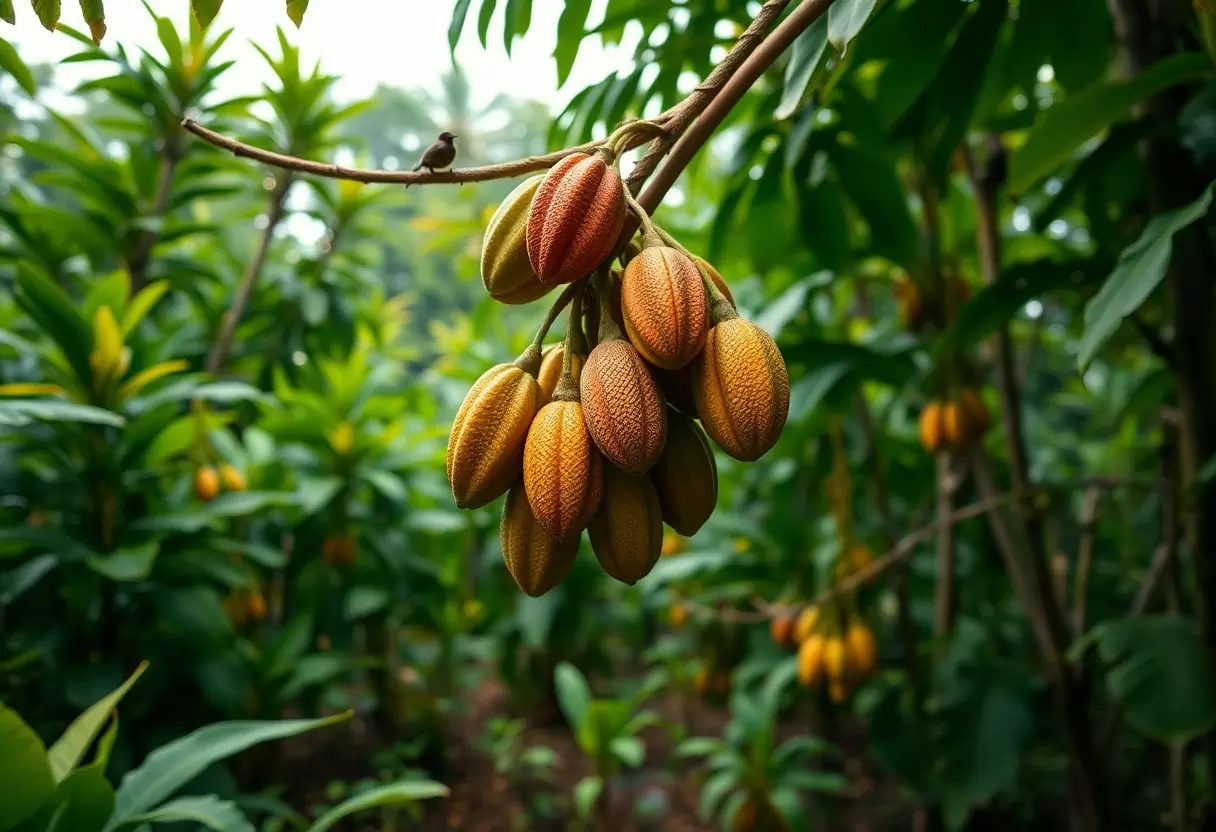
Rainforests play an imperative role in our planet’s ecosystem, and sustainable cocoa farming is a key factor in their preservation. By choosing cocoa products sourced from responsible farms, you support practices that minimize deforestation and promote biodiversity. This approach not only helps protect these vital ecosystems but also enhances the livelihoods of farmers, allowing you to enjoy your chocolate while contributing to a healthier planet. Understanding how your choices impact rainforests can lead to more informed consumer habits that benefit both the environment and local communities.
The Importance of Rainforests
Biodiversity and Ecosystem Services
You might be surprised to learn that rainforests are home to over half of the world’s terrestrial species. In these lush ecosystems, you’ll find a rich tapestry of life, from towering trees to vibrant birds, mammals, insects, and microorganisms. This biodiversity plays an important role in maintaining ecosystem balance, as each species contributes to functions like pollination, seed dispersal, and nutrient cycling. Notably, the Amazon rainforest alone holds around 16,000 tree species, which provide a habitat and food for countless wildlife. Your awareness of this diversity underscores the importance of protecting these regions, as the loss of even a single species can trigger cascading effects throughout the ecosystem.
The ecosystem services provided by rainforests extend beyond biodiversity. These forests are natural water filters, removing impurities as water flows through their soil and vegetation, which supports clean water supply for millions of people. Additionally, as you engage with these ecosystems, you’ll notice their role in soil stabilization and erosion control. The roots of rainforest trees help maintain soil structure, reducing the risk of landslides and preserving arable land. These services are vital to not only local communities but also the global population, reinforcing the interconnectedness of our planet’s systems.
Moreover, rainforests serve as centers of medicinal resources. You may find it interesting that nearly 25% of modern medicines are derived from rainforest plants — a fact that highlights their importance not just for local health but for global pharmaceutical industries. Efforts to cultivate sustainable cocoa production can protect these resources, ensuring that the ecosystems continue to thrive while providing communities with economic support. By understanding how vital biodiversity and ecosystem services are to human life, you can see why conservation efforts are worth investing in.
Climate Regulation
Rainforests play a central role in regulating the Earth’s climate. Through the process of photosynthesis, trees absorb carbon dioxide from the atmosphere, acting as carbon sinks that mitigate climate change. You may appreciate that the Amazon rainforest alone stores around 90 billion metric tons of carbon, underscoring its significance in combating global warming. When you consider that deforestation releases carbon back into the atmosphere, the ongoing efforts to protect these forests are increasingly critical as climate change accelerates. Your role in promoting sustainable practices in cocoa farming, which aligns with this conservation effort, can directly contribute to climate stability.
In addition to carbon sequestration, rainforests influence weather patterns. These ecosystems act as vital sources of moisture, contributing to rainfall through transpiration. As trees release water vapor, they enhance precipitation, which is important not just for the forest itself, but also for agricultural areas that depend on consistent rainfall. You might find it fascinating that changes in rainforest health can lead to droughts in regions far removed from the forest. Hence, protecting these areas safeguards not just local climates but also agricultural yields across the globe, linking rainforest health to food security.
The preservation of these ecosystems ultimately fosters resilience against climate fluctuations. By maintaining forest cover, you contribute to a buffer that can withstand extreme weather events, such as floods and droughts. As sustainable cocoa farming practices integrate forest conservation, you contribute to long-term strategies that align agricultural production with climate stability, ensuring that future generations inherit a balanced and thriving planet.
The Cocoa Industry’s Impact on Rainforests
Deforestation and Land Use
In the quest for higher cocoa yields, extensive deforestation occurs, particularly in regions rich in rainforest biodiversity. Cocoa farming often requires clearing vast tracts of forest land, with estimates suggesting that around 90% of cocoa production comes from deforested lands in key producing countries. This practice disrupts local ecosystems, leading to habitat destruction and threatening countless species that rely on these forests. The conversion of forested areas into monoculture cocoa plantations detracts from the natural variation of plant life that supports the rainforest’s intricate food webs.
You might find it alarming that an estimated 4 million hectares of forest are cleared each year for agricultural purposes, with cocoa being a significant contributor in places like Ghana and Côte d’Ivoire. This land use change not only undermines the biodiversity of the region but also exacerbates soil erosion and reduces watershed quality, further endangering the ecological balance. As a result, crucial ecosystem services provided by rainforests, such as carbon sequestration and water regulation, diminish, putting further pressure on global climate change.
The implications of this deforestation extend beyond ecological damage; they also affect local communities that depend on these forests for their livelihoods. Farmers who gravitate towards destructive land practices may experience short-term gains, but ultimately, this disrupts the social fabric and economic stability of these populations, whether through loss of resources or through increased vulnerability to climate change effects.
Social and Economic Consequences
As the cocoa industry continues to expand at the expense of rainforests, numerous social and economic consequences emerge. Local communities often face diminished access to traditional land and resources that provide food, medicine, and shelter. The influx of cocoa plantations can lead to conflicts over land rights, as indigenous and local farmers find themselves dispossessed in favor of large-scale agricultural operations. Consequently, this conflict often leads to increased poverty levels among those who once thrived within forested ecosystems. You might also enjoy our guide on Ethical Cacao Sourcing: Revolutionizing the Chocolate Industry.
Moreover, you may find the economic ramifications of unsustainable cocoa farming to be significant. While large corporations reap the benefits of increased cocoa production, smallholder farmers struggle to maintain their livelihoods in a world where prices fluctuate dramatically due to supply chain pressures and environmental changes. The reliance on a single cash crop, like cocoa, leaves communities vulnerable to economic instability when faced with factors such as climate change, pests, and market demands.
This cycle of poverty can perpetuate environmental degradation, as desperate farmers resort to unsustainable practices to survive. Without access to fair trade opportunities or support for sustainable agriculture, many cocoa farmers find it difficult to break free from this vicious cycle, underscoring the urgent need for integrated solutions that prioritize both economic stability and environmental sustainability.
Sustainable Farming Practices
Agroforestry Techniques
Implementing agroforestry techniques involves integrating trees with your cocoa plants, creating a diverse ecosystem that enhances productivity while preserving biodiversity. By planting shade trees alongside cocoa, you can improve soil quality and reduce the need for chemical fertilizers. The canopy from these trees protects your cocoa crops from extreme weather conditions, ultimately increasing resilience against climate change. This sustainable approach not only supports your farm’s health but also provides habitats for wildlife, helping maintain ecological balance.
Agroforestry systems can significantly boost your cocoa yield. Studies have shown that farms employing agroforestry methods can produce up to 50% more cocoa than those relying solely on monoculture practices. For instance, integrating fruit trees, such as bananas or avocados, with cocoa not only diversifies your income streams but also enhances pest control through increased biodiversity. This multifaceted approach allows you to capitalize on different market opportunities while ensuring a more sustainable farming method that benefits both your livelihood and the environment.
Moreover, engaging in agroforestry contributes positively to carbon sequestration. By planting deeper-rooted trees alongside your cocoa, you enhance the soil’s capacity to absorb carbon dioxide, which is important for combating climate change. You’re not only growing cocoa; you’re also taking active steps to restore and maintain your local ecosystem. This combination of improved yields and environmental stewardship positions you as a leader in sustainable cocoa farming, appealing to an increasingly eco-conscious consumer base.
Certification Programs and Standards
Participating in certification programs such as Fair Trade or Rainforest Alliance is a strategic choice for your cocoa farming operation. These programs establish standards for sustainable farming practices, helping you align your methods with global expectations. Obtaining certification signals to buyers your commitment to ethical practices, ensuring your cocoa production respects both workers’ rights and environmental sustainability. Research indicates that certified cocoa can command 20-30% higher market prices, thus providing a tangible economic benefit.
Certification processes often involve meeting specific criteria, including soil management, pest control, and waste reduction strategies. By adopting these standards, you not only improve your farming practices but also gain access to a network of support and resources. Many organizations provide training, tools, and financial assistance to help you transition to certified practices. This support can be critical in navigating the complexities of sustainable farming while ensuring that your efforts are both environmental and economically viable.
Additionally, consumer awareness regarding the origins of cocoa has significantly increased. By participating in certification programs, you can leverage this trend, appealing to consumers who prioritize sustainable and ethically sourced products. This makes it important not only for the sustainability of your farm but for securing your place in a competitive market that values transparency and responsibility. With certification, you elevate your cocoa’s marketability while contributing positively to global environmental efforts.
Benefits of Sustainable Cocoa Farming
Environmental Advantages
Sustainable cocoa farming plays a significant role in preserving the environment. By adopting practices such as shade-grown cocoa cultivation, you support the maintenance of healthy ecosystems. This method allows for the natural canopy of trees to remain intact, which helps protect biodiversity. In fact, biodiversity within cocoa farms can increase with the presence of various native plant species, which provide habitat for numerous wildlife species. Studies show that farms employing agroforestry can enhance bird populations by over 30%, a clear indicator of ecological health.
Moreover, sustainable methods significantly reduce deforestation rates, which are often driven by conventional cocoa farming practices. Traditional monoculture systems tend to require the clearing of large forest areas, which leads to loss of habitat and increased carbon emissions. In contrast, sustainable cocoa farmers tend to work in harmony with their local forest ecosystems, using techniques that reduce soil erosion and water runoff. Implementing these sustainable techniques not only protects the surrounding rainforest but also contributes to the overall health of the planet. You might also enjoy our guide on Guide to Regenerative Agriculture in Cocoa Farming.
Your role as a consumer also impacts the environment. By choosing sustainably sourced chocolate, you stimulate a demand for environmentally-friendly farming practices. This demand encourages cocoa producers to adopt sustainable measures, ultimately leading to a greater collective effort to combat climate change. Each purchase you make sends a message, showing that you value products that contribute positively to the environment and protect the invaluable resources of rainforests.
Economic Opportunities for Farmers
Beyond environmental benefits, sustainable cocoa farming opens up diverse economic opportunities for farmers. With increasing awareness about ethical sourcing, consumers are willing to pay a premium for sustainably farmed cocoa. This can lead to higher income for farmers who embrace these methods. For instance, studies have shown that farmers practicing organic cocoa farming can earn up to 20% more than their conventional counterparts. This increase in income helps improve the livelihoods of farming families, allowing them to invest in health, education, and improved farming technology.
Additionally, sustainable practices enable farmers to reduce their reliance on chemical fertilizers and pesticides, leading to lower input costs. By using organic compost and natural pest control methods, you can create a more resilient farming operation that doesn’t compromise your financial stability. Farmers may also tap into international markets that prioritize sustainable products, further diversifying their income streams. Organizations like Fair Trade and Rainforest Alliance facilitate access to these markets, helping farmers gain certifications that enhance their marketability.
Participating in co-operatives dedicated to sustainable cocoa farming also fosters community strength among local farmers. By banding together, you can share resources, knowledge, and practices, increasing your collective bargaining power and reducing costs. Such collaboration not only benefits individual farmers but also establishes a stronger economic ecosystem within the community, creating a positive feedback loop that encourages ongoing sustainable practices.
Challenges to Sustainable Cocoa Farming
Market Demand and Pricing
The dynamics of market demand pose significant challenges to sustainable cocoa farming. You may find that the current consumer behaviors heavily favor mass-produced chocolate, often neglecting the ethical implications of cocoa sourcing. According to the International Cocoa Organization, sustainable cocoa accounts for only about 7% of the global cocoa supply. This discrepancy creates an adverse impact on pricing, as farmers producing sustainably often receive lower prices compared to those who prioritize volume over quality. The cost of implementing sustainable practices can be substantial, and without premium pricing to match these costs, many farmers might opt for conventional methods, ultimately undermining sustainability efforts.
As a grower, you may also struggle with fluctuating market prices that directly affect your income stability. During periods of oversupply, the prices for cocoa can plummet, pressuring farmers to respond by intensifying production methods that may harm the environment. The unpredictability of pricing further exacerbates the challenge of transitioning from conventional to sustainable farming, as you need a reliable and consistent income to invest in long-term ecological practices. For instance, in West Africa, where about 70% of the world’s cocoa is produced, many farmers face dire economic circumstances that compel them to sacrifice sustainability for immediate financial gain.
Ultimately, the challenge of market demand is exacerbated by a lack of consumer awareness surrounding sustainable cocoa. Many consumers are unaware of the environmental and social impacts associated with conventional cocoa farming. To cultivate a market that values sustainability, you must advocate for education and awareness campaigns that highlight the benefits of sustainably sourced cocoa. The power of ethical consumerism should not be underestimated; as demand grows for transparency and sustainability, it can drive prices upwards and incentivize more farmers to adopt eco-friendly practices.
Policy and Regulatory Barriers
Navigating the policy landscape presents another critical challenge for sustainable cocoa farming. You might encounter regulations that inadvertently inhibit sustainable practices rather than promote them, as policies can often favor large-scale monoculture operations that contribute to deforestation. In many cocoa-producing countries, inadequate legal frameworks fail to establish clear guidelines or incentives for adopting sustainable methods. For instance, a lack of governmental support or technical assistance can leave you feeling overwhelmed by the shift toward sustainable farming, especially if you are unfamiliar with new practices or technologies that could enhance productivity while protecting the environment.
Moreover, your ability to access markets for sustainable cocoa can be hampered by a weak regulatory environment. In countries where corruption is prevalent, local farmers may struggle to receive the support they require to certify their cocoa as sustainable. You may face bureaucratic hurdles that delay progress or additional costs that make it difficult to compete with conventional producers. Furthermore, varying standards across countries lead to confusion, making it complicated to navigate international markets with varying expectations around sustainability practices.
The complexity of international trade agreements also plays a role in hindering progress toward sustainable cocoa farming. You may find that trade policies often prioritize the volume and price of cocoa above sustainability initiatives. Negotiations rarely focus on the environmental or social implications of cocoa production, leaving you grappling with a market that does not always reward your commitment to sustainable practices. Bridging these regulatory gaps is crucial to creating an environment where you can thrive as a sustainable cocoa farmer. You might also enjoy our guide on Regenerative Agriculture Practices Support Sustainable Cacao Farming Communities.
Case Studies in Sustainable Cocoa Production
You can gain valuable insights from various case studies showcasing successful implementations of sustainable cocoa farming. For example, in Ecuador, the Rainforest Alliance partnered with local farmers to create agroforestry systems that integrate cocoa with native tree species. This approach not only increased biodiversity but also enhanced farmers’ incomes by 35% over five years. Similarly, in Ghana, a program initiated by the Cocoa Research Institute focused on promoting climate-smart agricultural practices. This led to a 24% reduction in emissions from cocoa farms while improving yields by an impressive 15%. Each of these examples illustrates how sustainable practices can yield substantial economic and environmental benefits.
- In Ecuador: 35% income increase over five years with agroforestry practices.
- In Ghana: 24% reduction in emissions and 15% yield improvement through climate-smart agriculture.
- Côte d’Ivoire’s Fair Trade initiative: 20% increase in farmer income and 60% of farmers trained in sustainable practices.
- Peruvian cocoa cooperatives: 40% of farms transitioned to organic methods, accessing premium market prices.
- Colombian project in Tumaco: 90% of participating farmers reported improved soil quality and crop health.
Successful Implementations
Successful implementations of sustainable cocoa farming are emerging worldwide, serving as models for others. In Côte d’Ivoire, a Fair Trade initiative has empowered local farmers, leading to a 20% increase in their average income through cooperatives that promote equitable trade practices. Additionally, 60% of these farmers have received training in sustainable agricultural methods, which has improved not only their livelihoods but also the health of their ecosystems. You can see how focused efforts create a ripple effect, benefiting both the communities involved and the environment.
Peru’s cocoa cooperatives provide another notable example. Approximately 40% of farms within these cooperatives transitioned to organic farming, allowing them to tap into premium markets. By prioritizing sustainable methods, these farmers reported improved soil health, crop resilience, and increased biodiversity. Such transitions often lead to a more secure economic future, reducing dependency on fluctuating global cocoa prices. This case demonstrates the direct link between sustainability and profitability, challenging the notion that environmentally friendly practices come at a financial cost.
In Colombia, several projects in Tumaco have achieved remarkable outcomes. Here, 90% of participating farmers reported improvements in soil quality and crop health after adopting sustainable practices. Through community-focused training and support, these farmers not only enhanced their output but also fortified their resilience against climate impacts. This illustrates how engaging with local communities fosters a culture of learning and adaptation, reinforcing the importance of shared knowledge in the journey toward sustainable cocoa production.
Lessons Learned from Local Communities
You can extract significant lessons from local communities engaged in sustainable cocoa farming. Their experiences highlight the necessity of tailoring solutions to fit local conditions and cultural contexts. For instance, farmers in Peru have found that integrating traditional knowledge with modern techniques results in higher productivity while preserving their unique agricultural heritage. Furthermore, it’s evident that collaboration among stakeholders—such as NGOs, government bodies, and farmers—is important for fostering the conditions needed for sustainable growth.
Community-driven initiatives often lead to greater commitment and accountability. When farmers participate in developing the strategies that impact their livelihoods, they are more likely to invest time and resources into those practices. For instance, in Ghana, farmers who were actively involved in sustainable training programs reported higher success rates with new practices. You can see how local ownership of projects significantly correlates with the longevity and effectiveness of sustainable methods.
The importance of ongoing education and adaptation cannot be overstated. You can observe in various contexts that as challenges evolve—including climate change and market fluctuations—communities that prioritize learning are better equipped to respond. The continuous sharing of insights and best practices enables farmers to innovate and refine their approaches over time, ultimately leading to more resilient farming systems.
Final Words
On the whole, sustainable cocoa farming plays a significant role in the protection of rainforests. By adopting agroforestry practices that incorporate the planting of cacao trees alongside other native species, you contribute to a biodiversity-rich ecosystem. This approach not only provides habitats for various wildlife, but also helps prevent soil erosion and improves water retention, ultimately leading to healthier forests. As a consumer, your support for sustainably sourced cocoa enables farmers to maintain these practices, creating a positive feedback loop that benefits both local communities and the environment.
Your purchasing choices directly impact cocoa farmers’ ability to implement eco-friendly methods. When you select products labeled as fair trade or certified organic, you are endorsing agricultural practices that prioritize sustainability and rainforest conservation. This means that you actively participate in a movement designed to reduce deforestation and promote reforestation efforts. Understanding where your chocolate comes from empowers you to make informed decisions that resonate throughout the cocoa supply chain, encouraging more farmers to shift toward sustainable practices.
Ultimately, your awareness and engagement in sustainable cocoa farming can inspire broader changes within the industry. By advocating for transparency and sustainability in cocoa production, you help drive demand for practices that are in harmony with rainforests and the livelihoods of those who depend on them. The shift toward sustainable cocoa is not just a trend—it is a necessary evolution that you can be a part of, ensuring that cocoa farming supports both ecological health and social equity for generations to come.