Tasting Chocolate – How to Identify Flavor Notes
Just like a fine wine, chocolate offers a complex palette of flavors waiting to be uncovered. In this guide, you will learn how to taste chocolate thoughtfully,

This article contains Amazon affiliate links. As an Amazon Associate, CandiesAndSweets earns from qualifying purchases.
Just like a fine wine, chocolate offers a complex palette of flavors waiting to be uncovered. In this guide, you will learn how to taste chocolate thoughtfully, helping you recognize and appreciate the unique flavor notes that each variety presents. By honing your tasting skills, you can enhance your chocolate experience, whether you’re enjoying a bar at home or venturing into the world of artisan chocolates. Get ready to savor and identify the delightful nuances of chocolate’s rich profile!
Decoding the Chocolate Bar
The Journey from Bean to Bar
The transformation from bean to bar is a fascinating process that begins with the harvesting of cacao pods. Once the ripe pods are cut from the cacao trees, they are opened to reveal the cacao beans. These beans are surrounded by a sweet pulp, and the two are typically fermented together for several days to enhance flavor development. After fermentation, the beans are dried in the sun before making their way to chocolate manufacturers. This initial stage is where flavor profiles start to develop—different fermentation techniques can yield diverse taste notes, ranging from fruity to nutty.
Recognizing Different Chocolate Varieties
Knowing your chocolate varieties opens up a world of flavor discovery. Dark chocolate, for instance, contains a higher concentration of cocoa and less sugar, often allowing you to discern complex flavor notes such as berry, spice, or even tobacco. Milk chocolate, with its addition of milk solids and sugar, provides a creamier texture and can showcase softer notes like vanilla or caramel, appealing to those who favor sweeter profiles. White chocolate, though technically not chocolate due to its lack of cocoa solids, offers a different experience altogether with its sweet and milky flavor, which can be paired with fruit and various spices for a contrasting taste sensation.
Each chocolate variety brings its unique characteristics influenced by the specific type of cacao beans, their origin, and how they are processed. For example, single-origin chocolates often reflect the terroir of their growing region, showcasing the subtleties of local soil and climate. If you explore varieties from regions such as Madagascar or Venezuela, you might find fruity or floral notes prominent in their profiles. Engaging with these differences allows you to appreciate the breadth and depth of flavors chocolate can offer, empowering you to select bars that align with your personal taste preference.
The Art of Chocolate Tasting
Setting the Scene: Environment and Tools
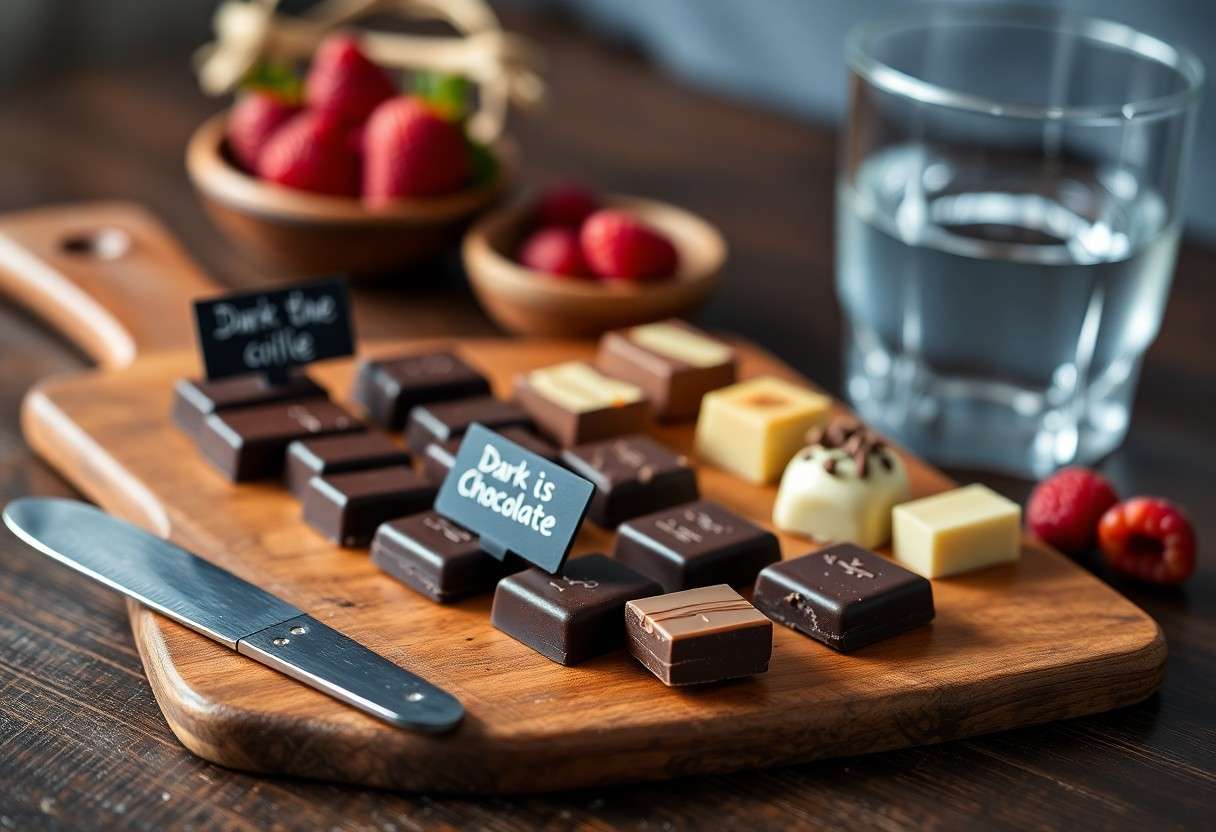
Your environment plays a pivotal role in how you experience chocolate. Aim for a clean, quiet space that allows you to focus on the task at hand. Natural light can enhance your ability to appreciate the chocolate’s color and texture, helping you spot subtle variations. While you don’t need fancy equipment to taste chocolate, certain tools can elevate your experience. A cutting board or a small plate for breaking the chocolate, a glass of water to cleanse your palate between samples, and a notebook for jotting down impressions can make the process smoother and more immersive.
The temperature of your tasting space also matters. Chocolate can respond to its surroundings; a warm environment may cause it to melt too quickly, blurring the distinctions of flavor you’re trying to detect. Ideally, chocolate should be around room temperature for optimal flavor development, allowing you to fully appreciate the nuances of each piece as you savor its essence.
The Five Senses: Engaging More than Just Taste
Tasting chocolate transcends merely placing it on your tongue; it’s an all-encompassing sensory experience. Engage your sense of sight first by examining the chocolate’s sheen, color, and texture. A well-made chocolate bar should have a glossy finish with a rich hue, free from any blemishes. Next, bring it closer to your nose for a deep inhale—aromas often hint at the flavor profile you’re about to encounter. Whether it’s floral, fruity, or nutty notes, these scents can set the stage for what’s to come.
Your palate will relish the complexity of flavors as you take a bite and let the chocolate dissolve. Pay attention to the texture, as the melt and creaminess can significantly influence your overall experience. Each of these senses—sight, smell, taste, and even touch—enriches the tapestry of flavors you’ll encounter, helping you appreciate the depth of craftsmanship that goes into every bar. Engaging your hearing, while less obvious, can also contribute; listen for the snap of the chocolate as you break it, a sound that indicates quality in its tempering.
Isolating Flavor Notes in Chocolate
Building on your understanding of the chocolate-making process, isolating specific flavor notes requires a focused tasting approach. Start by letting a piece of chocolate melt slowly on your tongue, allowing it to release its full spectrum of tastes. Pay attention to how these flavors evolve; an initial hint of bitterness may give way to sweet or fruity notes as the chocolate warms. Using mindful tasting methods, you can decipher a wide array of flavors that might include hints of caramel, nuts, or even floral tones, depending on the chocolate variety and origin. Engaging your sense of smell alongside tasting amplifies the experience as aromas can drastically influence flavor perception.
Establishing a tasting routine can be beneficial for consistent identification of flavor notes. Consider creating a personal flavor journal where you can document each chocolate you sample, noting key attributes such as texture, aroma, and different flavor components. Participating in chocolate tastings, whether online or in-person, also offers a chance to compare your findings and broaden your palate through feedback from fellow chocolate enthusiasts. This practice not only strengthens your recognition of different flavors but also enhances your appreciation for the artistry involved in chocolate production.
The Flavor Wheel: A Guide to Common Tastes
Utilizing a flavor wheel can significantly simplify the process of identifying specific tastes within chocolate. You will find that these wheels categorize flavors into distinct groups such as fruity, nutty, and spicy, making it much easier to pinpoint what you detect during tastings. For instance, if you taste a chocolate with a hint of red fruit, you may locate that flavor on the wheel under the fruity category, which can entrench your sensory experience with deeper understanding and terminology. Many chocolate producers also provide a flavor profile for their products, which can serve as a reference point for your own interpretations.
While the flavor wheel serves as a robust tool for navigating tastes, it is also subjective, as individual palates can perceive flavors differently. Your familiarity with various flavor compounds will develop as you try a wider range of chocolate varieties, including those made from rare cacao beans. Do not hesitate to experiment with unconventional flavor pairings during your tastings, broadening your sensory vocabulary and enhancing your ability to articulate the nuances of chocolate.
Personal Palate Development: Discovering Your Preferences
Developing a personal palate requires exploration and curiosity. Start by sampling an array of chocolate styles, from dark to milk and everything in between. Each type introduces varying levels of sweetness, acidity, and bitterness that may appeal to different preferences. You might find joy in the intensity of single-origin dark chocolates or prefer the creaminess of artisanal milk chocolates with added spices or sea salt. Engage your senses fully by noting how textures affect your overall tasting experience—creamy, gritty, or smooth can shape your preferences as much as flavor alone.
A systematic approach can help you navigate your personal taste journey more effectively. Create a grid to chart your overall impressions of each chocolate, while specifying whether you prefer sweeter chocolates over more bitter experiences or whether fruity aromas resonate better with you than earthy ones. This method not only aids in honing your preferences but allows you to trace patterns over time as your palate matures. Consider revisiting chocolates and reflecting on changes in your taste—what delighted you before might shift dramatically as your experience broadens, showcasing the evolving nature of your taste journey in the world of chocolate.
Elevating your Tasting Experience
Pairing Chocolates with Food and Beverages
Pairing chocolates with complementary foods and beverages can dramatically enhance your tasting experience. For instance, dark chocolate often harmonizes beautifully with bold flavors such as coffee, red wine, or even a sharp cheese. The bitterness of the chocolate can be balanced by the rich notes in these pairings, creating a delightful contrast. On the other hand, milk chocolates, with their creamy and sweet profiles, work well with fruits like strawberries or citrus, which can bring out the playful side of your chocolate.
You might also explore pairing chocolates with various spices and herbs to discover new dimensions in flavor. A sprinkling of sea salt over a piece of dark chocolate can intensify its complexity, while pairing it with mint or basil can add a refreshing twist. Try hosting a tasting session with friends, offering a selection of chocolates alongside matching food pairings. This interactive experience not only enhances your appreciation but also allows for engaging discussions about how different flavors interact with one another.
Creating a Tasting Journal: Documenting Your Discoveries
Starting a tasting journal empowers you to document your unique chocolate discoveries and preferences. As you explore different bars and brands, jot down notes about their flavor profiles, textures, and aromas. Including details on where each chocolate came from, its cacao percentage, and any specific brewing methods used can provide insights into your evolving palate. This practice can help solidify your flavor vocabulary, making it easier over time to articulate what you enjoy in a chocolate.
Your journal can also serve as a tool for tracking progression in your chocolate tasting journey. By revisiting previous notes, you might identify shifts in your flavor preferences or learn from tasting experiences that didn’t resonate with you as strongly. Consider using a rating system, where you assign scores for factors like flavor intensity, balance, and finish. Over time, not only will this be a resourceful guide for personal choices, but it can also help refine your palate and deepen your connection to chocolate.
The Community of Chocolate Enthusiasts
Joining Tasting Events and Workshops
Engaging with the chocolate community often begins with tasting events and workshops, where you can immerse yourself in a world of flavor exploration. These gatherings range from casual meet-ups at local cafes to structured classes led by renowned chocolatiers. Events like the annual Chocolate Festival in your city or guided tastings at artisanal chocolate shops provide the ideal environment for learning and networking. Participating in these activities allows you to expand your palate, discuss nuances with fellow chocolate lovers, and gain insights from experts who share their knowledge on identifying flavor notes, pairing techniques, and the origins of cacao. Such experiences not only enhance your appreciation of chocolate but also create lasting connections within the community.
Many workshops specifically focus on sensory evaluation, guiding you through the process of identifying the distinct tasting notes in various chocolates. This hands-on approach often includes taking part in blind tastings, where the goal is to focus solely on flavor, aroma, and texture. By practicing these skills in a supportive environment, you develop heightened sensory awareness, which becomes invaluable as you refine your personal chocolate preferences and expand your vocabulary for describing what you taste.
Seeking Out Local Chocolatiers and Crafts
Exploring local chocolatiers and artisan chocolate makers can deepen your understanding of the craft and uncover hidden gems in your area. Small-batch producers often prioritize quality and sustainability, allowing you to experience chocolate that reflects its origin and the care that went into its production. By visiting these establishments, you can talk directly with the artisans, gaining insights into their methods and inspiration behind their creations. Many chocolatiers also host tastings and events, providing an intimate setting for you to taste their unique offerings while learning about their sourcing practices and flavor profiles.
A local search can yield delightful surprises, from bean-to-bar producers who emphasize direct trade relationships with cacao farmers to chocolatiers who infuse their bars with unexpected ingredients from the region. For instance, a small shop might offer a chocolate bar made with local honey or spices that echo the surrounding landscape, giving a taste of your community’s character. Engaging with local creators not only enhances your knowledge of flavor notes but also supports the ethical and sustainable practices that are vital to the craft.
Final Words
On the whole, developing your ability to identify flavor notes in chocolate can significantly enhance your tasting experience. As you actively engage with the different aromas and tastes, you begin to unlock a deeper appreciation for the complexity of chocolate. By using techniques such as mindful tasting, comparing various chocolates, and even taking notes on different flavor profiles, you’ll refine your palate and elevate your understanding of this beloved treat. Your journey into the nuances of chocolate flavor not only makes each tasting session richer but also empowers you to make more informed choices about the chocolates you enjoy and recommend.
Ultimately, the art of tasting chocolate is about personal exploration and enjoyment. As you hone your skills, you will discover that every chocolate has a story, influenced by its origin, ingredients, and production processes. Allow your taste buds to guide you, and embrace the variety that each bite offers. The world of chocolate is vast and full of surprises, so let your curiosity take center stage as you begin on this flavorful journey, transforming each tasting into a delightful adventure.