How to Identify Hidden Animal Ingredients in Candy
You can easily discover whether candy contains hidden animal ingredients by examining labels and understanding common terms. Many candies may include gelatin, d

This article contains Amazon affiliate links. As an Amazon Associate, CandiesAndSweets earns from qualifying purchases.
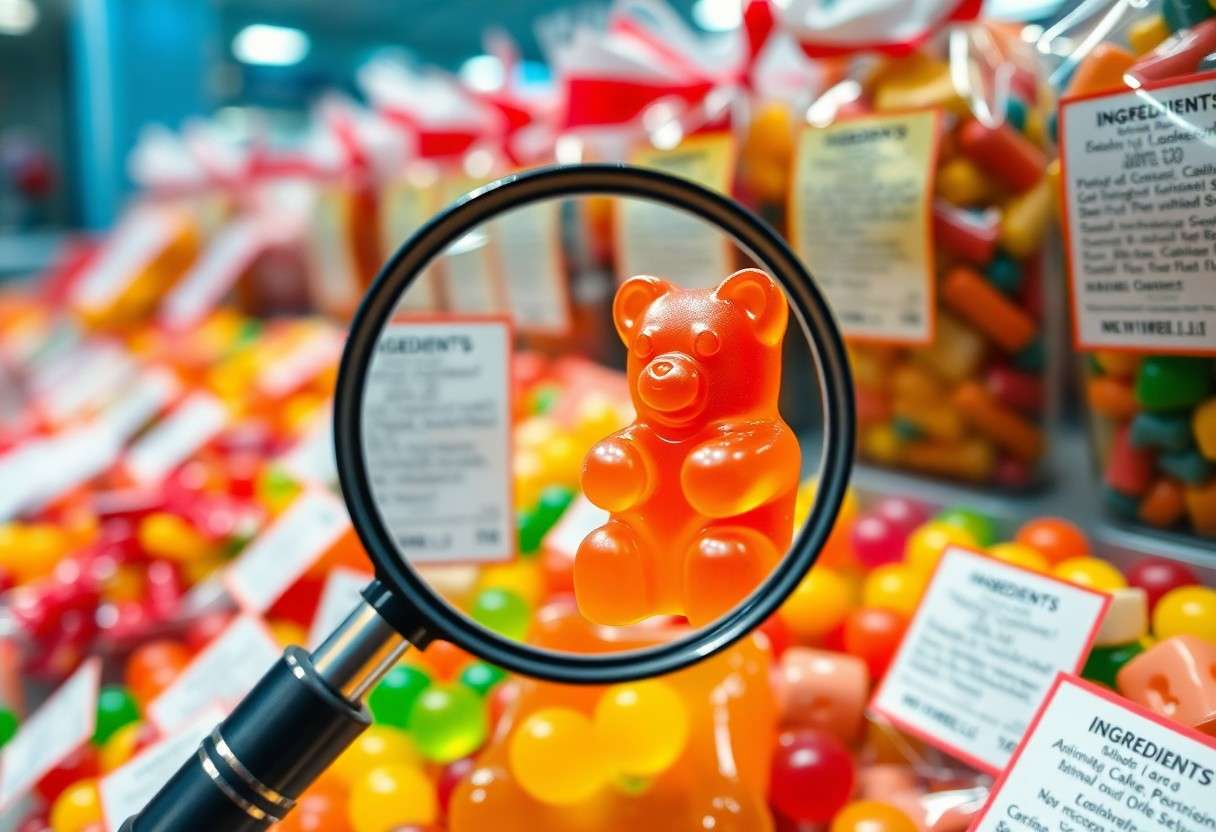
You can easily discover whether candy contains hidden animal ingredients by examining labels and understanding common terms. Many candies may include gelatin, dairy, or other animal-derived additives that aren’t always obvious. By learning to read ingredient lists carefully and recognizing specific phrases associated with animal products, you can make more informed choices that align with your dietary preferences. This guide will equip you with helpful tips to confidently navigate candy selections in stores and online, ensuring you enjoy your treats without any surprises.
Understanding Hidden Animal Ingredients
Common Animal Byproducts in Candy
You might be surprised to discover that many candies contain animal byproducts that aren’t immediately obvious. Gelatin, for instance, is a common ingredient found in gummy candies, marshmallows, and some chocolate products. This substance is derived from collagen, which is obtained from animal bones, skin, and connective tissues. The extraction process often leaves consumers unaware that their favorite treats contain animal-derived components. Some brands may also use gelatin as a stabilizer or thickener in desserts, making it vital to scrutinize the ingredients list carefully.
Lactose, a sugar derived from milk, is another ingredient to watch for. Many chocolate bars and cream-based confections hide lactose among their ingredients, potentially affecting those who are lactose intolerant or who avoid dairy products for ethical reasons. Additionally, carmine, a red dye made from crushed cochineal insects, can appear in a variety of candies, especially gummies and fruit-flavored options, giving them a vibrant hue. You may not even realize this ingredient is present since it often goes by the name “E120” in ingredient lists.
Even less obvious additives, like certain emulsifiers and flavorings, can have animal origins. For example, some candies may contain lecithin sourced from eggs, rather than plant-based alternatives. Additionally, the flavoring agents that enhance the taste of your favorite sweets can sometimes derive from meat or dairy, complicating the identification of potential animal ingredients. Always be vigilant, as these hidden components can blend seamlessly into the product without drawing attention to their origins.
Learning to Read Labels
Deciphering ingredient labels can feel overwhelming, especially when it comes to identifying hidden animal products in candy. When analyzing any packaged sweet, you should prioritize understanding not only the main ingredients but also additives and flavorings. Familiarize yourself with common non-vegan ingredients and their alternatives, and understand the significance of terms like “natural flavors,” which can obscure animal sources. Researching each ingredient can empower you to make informed choices about what you consume.
It’s important to adopt a methodical approach when reading labels. Create a checklist of animal-derived ingredients to watch for, which may include gelatin, carmine, casein, and lanolin, among others. Over time, you’ll become more adept at identifying these components quickly. Many manufacturers are now putting efforts into transparency, which can aid your efforts; look for brands that clearly state whether their products are vegan or have animal-derived ingredients listed separately for easier identification. By honing this skill, you can effectively navigate the complex world of candy ingredients.
Incorporating this practice into your shopping routine can transform how you approach candy purchases. Research any unfamiliar terms that come up, and consider using smartphone apps that can help identify vegan-friendly options in real-time. Be mindful of, being diligent about checking labels can significantly enhance your awareness of what goes into your sweets, ultimately aligning your choices with your dietary values.
How to Identify Animal Ingredients
Recognizing Common Terms
Knowing the specific terms that indicate the presence of animal-derived ingredients is the first step to making informed choices. Ingredients like gelatin, which is derived from the collagen found in animal bones and skin, often appear in candies like marshmallows and gummy bears. Similarly, rendered fats can show up as tallow, a product derived from beef or mutton, and may be an unexpected ingredient in some candies. Enzymes such as rennet, traditionally sourced from calves, can also be notorious for slipping under the radar in ingredient lists.
Many candies may also include casein, a milk protein, or lecithin sourced from eggs, both of which reveal animal involvement in the manufacturing process. Be mindful of terms like “natural flavors,” which can obscure the origin of an ingredient; they may be plant-based, but sometimes they come from animal sources. Even certain colorings, such as cochineal or carmine, extracted from red insects, can mask themselves within a seemingly innocuous ingredient list. Awareness of these terms will help you scrutinize labels with greater confidence.
It is necessary to cultivate a habit of reading ingredient labels. While some manufacturers are more transparent about their ingredients, others may use vague language to mask animal byproducts. If you encounter unfamiliar terms, don’t hesitate to look them up or seek products that specifically state they are vegan or animal-free on their packaging. This proactive approach to understanding ingredients will empower you to make better choices for both your health and ethical beliefs.
Researching Ingredients Online
In today’s digital age, online resources can provide comprehensive insights into ingredients you might find in candy. Websites like the USDA FoodData Central offer detailed breakdowns on food ingredients, allowing you to uncover more about their origins. Additionally, various vegan and vegetarian advocacy groups maintain databases that help identify common animal byproducts found in various foods, including candies. A search for specific ingredients often yields articles or blogs where enthusiasts and experts alike share their discoveries and insights, enriching your understanding of product composition.
Social media platforms and forums can also serve as valuable tools for gathering knowledge. Engaging with communities focused on veganism or food transparency can lead you to new products that align with your values. Hashtags like #veganfinds or #candylabels can unveil posts from individuals who actively share experiences regarding brands that either do or do not use animal-derived ingredients, enabling you to align your purchases with your dietary preferences. You might also enjoy our guide on Guide to Natural Food Coloring in Sweets.
Utilizing apps designed for ingredient analysis can also enhance your searches. Many apps allow you to scan barcodes and receive instant feedback on whether a product contains animal-derived ingredients, helping you make quick decisions while shopping. Searching for online reviews and ingredient lists on manufacturer websites can further confirm details if you’re ever in doubt, ensuring that your choices are fully informed.
Tips for Avoiding Animal Ingredients
Being vigilant about candy ingredients is imperative for anyone wishing to avoid animal products. Start by always reading labels carefully. Ingredients like gelatin, casein, and certain colorants can often slip past unnoticed. Familiarize yourself with these terms and remain alert for potential hidden sources. You might also want to consult databases that keep lists of vegan-friendly candies to make your shopping easier. Joining online communities or forums can also provide valuable information and updates about your favorites. Every time you shop, make it a habit to check ingredient lists, especially since formulations can change.
- Learn substitute terms for common animal ingredients.
- Opt for brands known for their transparency in ingredient sourcing.
- Seek out candies marked with vegan certifications.
- Support local candy makers who focus on plant-based ingredients.
Your choices in candy can significantly impact what goes into your body, so take time to choose wisely. By selecting vegan or vegetarian options, you help eliminate uncertainty about animal-derived ingredients. Vegan candies typically substitute gelatin with pectin or agar-agar, resulting in a product that can still achieve a satisfying texture without animal involvement. Brands such as Surf Sweets and YumEarth provide inclusive ingredient lists, making it easier to choose options that align with your dietary preferences. When you opt for these alternatives, you not only enjoy delicious treats but also support ethical practices in food production.
Choosing Vegan or Vegetarian Options
When identifying candies, seek those that are explicitly marketed as vegan or vegetarian. This label is often your most reliable guide, as manufacturers typically take pride in their cruelty-free status. Some well-known brands, such as Enjoy Life Foods and Haribo’s gummy offerings in select regions, have embraced this trend, ensuring their products are free from animal ingredients. Do note that not all candies that appear to be vegan may be; formulations can vary based on location or manufacturing practices. It’s not unusual for certain flavors or versions of the same candy to contain differing ingredients, so remain diligent.
Consider embracing your creativity while exploring new candy options. Many companies offer plant-based indulgences that don’t compromise on taste. Innovative brands have been stepping up to create artisanal candies or specialty items that cater to dietary restrictions. Craft your own treats at home using recipes tailored for vegan ingredients, allowing you to control what goes into your creations. This not only ensures the absence of animal products but also sparks enjoyment in trying new flavors and combinations.
Choosing vegan and vegetarian options not only meets dietary needs but also acts as a statement supporting sustainable practices. It aligns your personal decisions with broader ethical considerations, a movement that continues gaining traction in the food industry. As you explore these alternatives, you may find new favorites that are not just devoid of animal byproducts but also profoundly tasty, enhancing your candy experience without compromise.
Contacting Manufacturers for Clarity
Should you ever come across ambiguity in ingredient lists, reaching out to manufacturers for clarification is an important step. Many businesses appreciate feedback and inquiries from conscientious consumers and may respond with detailed information about their sourcing and production processes. Prepare your questions ahead of time, focusing on specific ingredients. Knowing exactly what you want to ask will help ensure you receive the most accurate response. Manufacturers often have consumer representatives who can directly address your inquiries, providing insights that might not be available on packaging.
Your proactive approach can yield benefits beyond personal fulfillment. Companies often take note of inquiries regarding vegan options, potentially influencing them to reconsider or alter their formulations in response to consumer demand. For example, a simple email questioning whether a specific candy is gelatin-free may prompt the company to provide further details or even consider reformulating products to cater to those seeking plant-based alternatives. This can lead to a more extensive variety of respectful choices on the market.
Thou can make a significant difference by engaging in these conversations with manufacturers, creating a ripple effect that could enhance the overall availability of vegan and vegetarian candies.
Factors Influencing Ingredient Choice
Your selection of candy often depends on various factors beyond just taste. Producers must navigate consumer demand, nutritional trends, and ingredient availability when crafting their products. The presence of animal-derived ingredients can frequently be influenced by these complex factors, making it all the more important for you to remain vigilant about what goes into your favorite treats. Additionally, market trends shift toward plant-based options, impacting how traditional candies are formulated and labeled. Therefore, you’ll find a mix of options that cater to both omnivorous and vegetarian preferences, with some brands opting to highlight their ingredient choices prominently. You might also enjoy our guide on Can dark chocolate help in weight management or obesity prevention?.
- Market demand for vegetarian or vegan options.
- Cost and availability of plant-based vs. animal-derived ingredients.
- Consumer awareness and labeling transparency.
- Health trends influencing ingredient formulations.
Ingredient sourcing often determines whether a candy will contain hidden animal products. For instance, gelatin-a common gelling agent derived from animal bones and cartilage-may be replaced by pectin or agar in vegan alternatives. However, not all manufacturers are transparent about their sourcing choices, which can leave you unsure about what you’re consuming. Therefore, scrutinizing labels for terms like “natural flavors” or “stabilizers” becomes important, as these can sometimes mask animal-derived components.
Understanding Dietary Restrictions
Your dietary restrictions can significantly influence your candy choices, especially in today’s ever-evolving food landscape. Various dietary patterns-such as vegetarianism and veganism-often dictate your ability to enjoy certain treats. For example, many traditional candies may incorporate gelatin, which is strictly off-limits for strict vegetarians and vegans. When shopping, you must ask yourself whether the candy contains any animal-derived ingredients that contradict your dietary beliefs. Knowing this can help you make informed decisions about what to include in your diet.
In exploring options that align with your dietary choices, you may find a growing number of brands offering vegan-friendly candies. These alternatives not only assure you that no animal products are used but often boast health benefits through natural ingredients. Opting for candies made with fruit or vegetable extracts can provide a sweet treat without the associated animal byproducts. Knowing the options that align with your restrictions means you can indulge in candy without compromising your values.
Considering Allergies and Sensitivities
Your health must be a priority when considering the ingredients in candy, particularly if you have allergies or sensitivities. Many candies contain common allergens such as nuts, dairy, or gluten, which you should be aware of before indulging. Additionally, cross-contamination can occur during production, making it pivotal to read labels carefully and consult with manufacturers if necessary. Brands that cater to specific dietary restrictions typically mark their products accordingly, allowing you to make safer choices.
Resources for Further Investigation
Utilizing Ingredient Databases
To effectively navigate the world of candy ingredients, utilizing ingredient databases is invaluable. These platforms compile extensive information about food products, including candy brands, highlighting which contain animal-derived ingredients. For instance, the USDA’s FoodData Central is a comprehensive source where you can input specific candy brands and access detailed ingredient breakdowns. Furthermore, many health-focused websites provide user-generated content that flags animal ingredients, aiding in your quest for transparency.
Another noteworthy database is the “Is It Vegan?” app, which offers extensive information about various food products, including candies. It allows you to scan barcodes and quickly learn whether a candy contains any animal products. This real-time access can help you make informed decisions while shopping, ensuring that your treats align with your dietary preferences. The accuracy of these databases largely stems from user contributions, making it a community-driven resource for allergen and ingredient concerns.
In addition to broad databases, specific brands often have dedicated online resources detailing their ingredient sourcing. Companies like Enjoy Life and Hu Chocolate provide transparency reports that outline their production processes, ingredient sourcing, and any potential cross-contamination risks. Checking these resources can give you peace of mind about your purchases and help build a well-informed foundation for your candy choices.
Joining Online Communities
Engaging in online communities focused on veganism and food transparency can greatly enhance your understanding of hidden animal ingredients in candy. Forums such as Reddit’s r/Vegan and Facebook groups dedicated to plant-based living often feature discussions surrounding specific candy brands, enabling you to gather insights and experiences from fellow consumers. Such connections can provide real-time feedback on the latest products and ingredient changes, ensuring you’re always up to date.
These communities often share invaluable resources that highlight which brands have made moves towards cruelty-free production or disclose their ingredient sourcing practices. Group members frequently post their findings after contacting manufacturers directly, an necessary step in affirming a brand’s commitment to vegan practices. Engaging in these discussions not only fosters awareness but can also lead to recommendations for lesser-known brands that align with your principles.
Sharing your own experiences in these communities can also help others. By providing feedback on your interactions with companies or revelations you’ve made while checking ingredient lists, you contribute to a collective body of knowledge. As trends in veganism continue to evolve, being part of these groups means staying informed about new brands, improving your ability to recognize hidden animal ingredients in your favorite sweets. You might also enjoy our guide on How does the consumption of dark chocolate benefit cardiovascular health?.
Practical Steps for Candy Purchases
Making Informed Choices at the Store
When you step into a candy aisle, your focus should be honed on the ingredients list as much as the packaging design. Evaluating labels carefully is paramount; ingredients listed at the top are present in larger quantities. Familiarize yourself with common animal-derived ingredients such as gelatin, carmine, and lanolin. If a product lists “natural flavors,” proceed with caution, as this vague term can mask various animal sources. Checking for certifications, like vegan or vegetarian labels, can provide added assurance but be mindful that not all products adhere to rigorous standards.
Dive deeper by researching brands known for transparency in their ingredient sourcing. Many companies provide detailed information about their practices directly on their websites. It’s beneficial to compile a list of brands you trust, as some candy companies champion ethical ingredient sourcing while others may not disclose crucial information. Engaging with brand representatives through social media or email can clarify the nature of their ingredients, helping you make more informed decisions. If a brand does not respond to inquiries, consider this a red flag.
Your purchasing behavior has power. Opting for candies with clear ingredient declarations not only ensures that you safeguard your dietary choices but also sends a message to manufacturers regarding consumer demand for transparency. Support those who prioritize ethical practices by choosing their products over others. Over time, this can inspire more companies to adopt similar standards, leading to broader changes in the candy industry regarding ingredient labeling and sourcing.
Educating Others on Ingredient Awareness
Sharing your knowledge about ingredients can create a ripple effect, encouraging friends and family to pay closer attention to what they consume. Start by discussing your discoveries about hidden animal ingredients in candy during casual conversations. Many people remain unaware of how prevalent animal byproducts are in their favorite sweets. Use social media platforms to spread awareness about misleading labels and promote brands with ethical ingredient practices. By sharing articles, linking to reputable sources, or even posting pictures of labels, you can engage your network and stimulate discussions around ingredient sourcing.
Organizing community events or informal gatherings focused on food education can also be a meaningful way to inspire others. Host a candy tasting that highlights vegan and vegetarian options while explaining the significance of noticing animal-derived ingredients. Provide materials with lists of terms to watch out for, and encourage participants to share their findings. This not only enhances personal knowledge but also builds a community that values mindful consumption.
Reinforce your advocacy by leading by example; consistently choose and share candy options that are free from animal ingredients in your social circles. The effectiveness of community education hinges on relatable approaches, so focus on storytelling around your experiences. When others see the positive impact of being mindful about ingredients, they are more likely to adapt their purchasing habits and challenge familiar brands to improve their product standards.
Final Words
Ultimately, being diligent about understanding the ingredient list on candy packaging is crucial for anyone looking to avoid hidden animal components. You should start by familiarizing yourself with common terms that indicate animal origin, such as gelatin, which often comes from animal collagen, or isinglass, a fish-derived substance used in some gummy candies. This knowledge allows you to quickly identify and avoid products that do not align with your dietary preferences, ensuring you make informed choices every time you shop.
In addition to scrutinizing ingredient labels, reaching out to manufacturers can provide clarity regarding their ingredient sourcing. Many companies now have customer service options that can answer questions about the ingredients in their products. You should not hesitate to seek confirmation about specific components that may be of concern to you, as transparency is becoming increasingly valued in the food industry. Engaging with brands on social media can also illuminate their practices and better inform your decisions.
Your commitment to identifying hidden animal ingredients in candy not only empowers you but also can influence wider industry practices over time. As more consumers demand vegan or vegetarian-friendly options, manufacturers are likely to adapt their recipes to cater to these preferences. By being proactive in your choices, you contribute to a growing movement towards transparency in food labeling, promoting the availability of diverse and inclusive options in the candy market.