Why Limited Edition Candy Drops Create Massive Demand
Many shoppers crave limited candy drops because you respond to scarcity; scarcity triggers urgency, resale markups can be dangerous, and brand-driven hype boost

This article contains Amazon affiliate links. As an Amazon Associate, CandiesAndSweets earns from qualifying purchases.
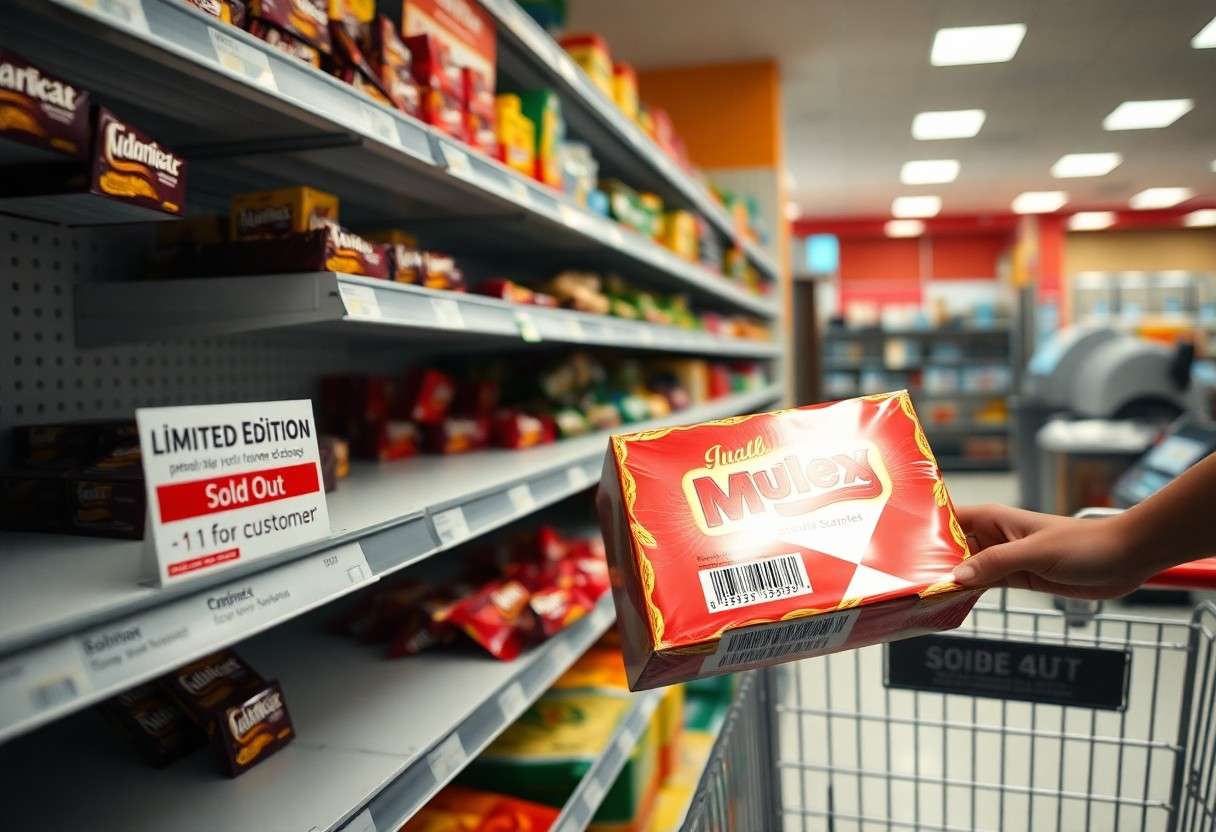
Many shoppers crave limited candy drops because you respond to scarcity; scarcity triggers urgency, resale markups can be dangerous, and brand-driven hype boosts perceived value.
The Psychology of Scarcity and Urgency
Scarcity triggers immediate action because you perceive limited supply as a signal of value, which shortens your decision window and raises demand.
Urgency compresses timeframes so you prioritize buying now, and that pressure frequently results in impulse purchases you might later rationalize.
The Fear of Missing Out (FOMO)
Fear of missing out makes you track drops and share alerts, turning social attention into a marketing force that boosts demand.
Seeing friends snag rare candies increases your drive to act, so you often pay more or queue earlier to avoid feeling excluded.
Perceived Value through Limited Availability
Perceived rarity causes you to assign greater worth, so limited editions often command premium prices and a sense of exclusivity.
Limited runs also create aftermarket interest, where you might capitalize on resale markets if demand outpaces supply.
Collectors amplify scarcity signals, so you confront intense competition and heightened resale values, which circle back to increase initial buying pressure.
Strategic Marketing and the Hype Cycle
Campaigns that schedule tight windows and staggered drops turn availability into a signal of value, so you feel urgency and prioritize purchase over deliberation; scarcity and visible demand create a feedback loop that fuels repeat attention.
Brands that monitor drop momentum adjust supply and messaging in real time to protect consumer trust, since unchecked hoarding or scalping can erode long-term demand and spark backlash you must manage.
Leveraging Social Media Influencers
Influencers amplify launches by modeling consumption and sharing authentic reactions, which makes you more likely to try limited candies when a trusted creator endorses the taste or collectibility; authentic content drives conversions faster than direct ads.
You should vet creators, align incentives, and use trackable promo codes so you measure impact precisely and prevent mismatches that harm brand perception; ROI tracking keeps influencer spend efficient.
Teaser Campaigns and Mystery Flavor Reveals
Teasers that drip clues and silhouette packaging force community speculation, so you engage in guesswork and UGC that multiplies reach organically; controlled hints increase shareability while guarding the full reveal. You might also enjoy our guide on How Candy Companies Use Nostalgia Marketing.
Mystery reveals staged as events or timed drops create moments where you must act immediately, often producing instant sellouts and steep secondary-market interest that signals success to wider audiences.
Prepare for leaks by limiting early samples, using NDAs for testers, and collecting preorder data so you predict demand; managing controlled sampling and legal protections reduces the risk of accidental spoilers while maximizing the viral payoff you need.
The Power of Collectibility and Packaging
Scarcity drives your urgency: when a candy drop is announced in limited quantities, you feel pressure to act. The short window and limited runs create FOMO, pushing purchases that prioritize ownership over tasting.
Packaging turns the purchase into a keepsake; you treat tins, exclusive wrappers, and numbered boxes as display items. The design and finish make the product feel premium, increasing perceived value with premium finishes that encourage collecting.
Unique Aesthetic Appeal and Brand Collaborations
Designs aimed at social sharing make you an unpaid marketer: striking colors, limited artworks, and thematic series invite photos and tags. That visibility converts aesthetic appeal into social proof.
Collaborations with artists or fashion brands pull you in from outside candy circles, creating crossover demand and hype. The partnership often commands higher prices and adds collectible prestige to the drop.
The Rise of the Secondary Resale Market
Resale markets turn drops into investments you monitor, with certain releases trading at large premiums on secondary platforms. You also face counterfeit risk and volatile pricing that can dramatically alter demand.
Collectors and speculators amplify scarcity by buying in bulk, which forces you into faster purchasing decisions and heightens competition. That behavior drives resale values and makes future drops more contested as speculation grows.
Authentication services and verified marketplaces protect your purchase but add fees and steps you must follow; checking provenance, condition, and platform trustworthiness reduces fraud. Using escrow or official verification helps preserve value when you sell. You might also enjoy our guide on Why Some Candies Create Strong Brand Loyalty.
Consumer Behavior and Emotional Purchasing
You react to limited drops with quick decisions because scarcity and FOMO compress your evaluation time, pushing you to act before rational cost-benefit analysis kicks in.
Buying a rare candy triggers memory and status drives, so you often justify paying a premium for collectibility, even when that choice risks impulse purchases.
The Thrill of the Hunt and Gamification
Chasing timed releases turns purchasing into a game where you chase progress bars and badges, creating reward loops that keep you returning for the next drop.
Platforms design queues, limited windows, and surprise drops to heighten urgency, which can be enjoyable but also introduce addictive mechanics that escalate spending.
Social Proof and Community Validation
Community signals like sold-out alerts, unboxings, and shared wins push you to conform; social proof magnifies perceived value and legitimizes your purchase decisions.
Seeing influencer endorsements and resell success stories makes you more likely to buy, since resale premiums and social bragging redefine value beyond taste alone.
Engagement through likes, comments, and curated feeds amplifies herd behavior so you seek peer validation and experience intensified FOMO, which raises the danger of overspending when community approval becomes the priority.
Conclusion
Hence you respond to limited-edition candy drops by acting fast: scarcity, social proof, and collectible appeal trigger urgency and higher perceived value, driving swift purchases and resale markets. Your emotional pull and clear deadlines create FOMO, while brand storytelling and exclusivity justify premium pricing and repeated engagement. You might also enjoy our guide on Vegan Chocolate Market Surge: Innovations and Real-Life Brand Success Stories.


