Mediterranean Ingredients Transform Classic Candy Recipes with Sophisticated Flavors
You can elevate your candy-making experience by incorporating Mediterranean ingredients that bring new depth and sophistication to classic recipes. By blending

This article contains Amazon affiliate links. As an Amazon Associate, CandiesAndSweets earns from qualifying purchases.
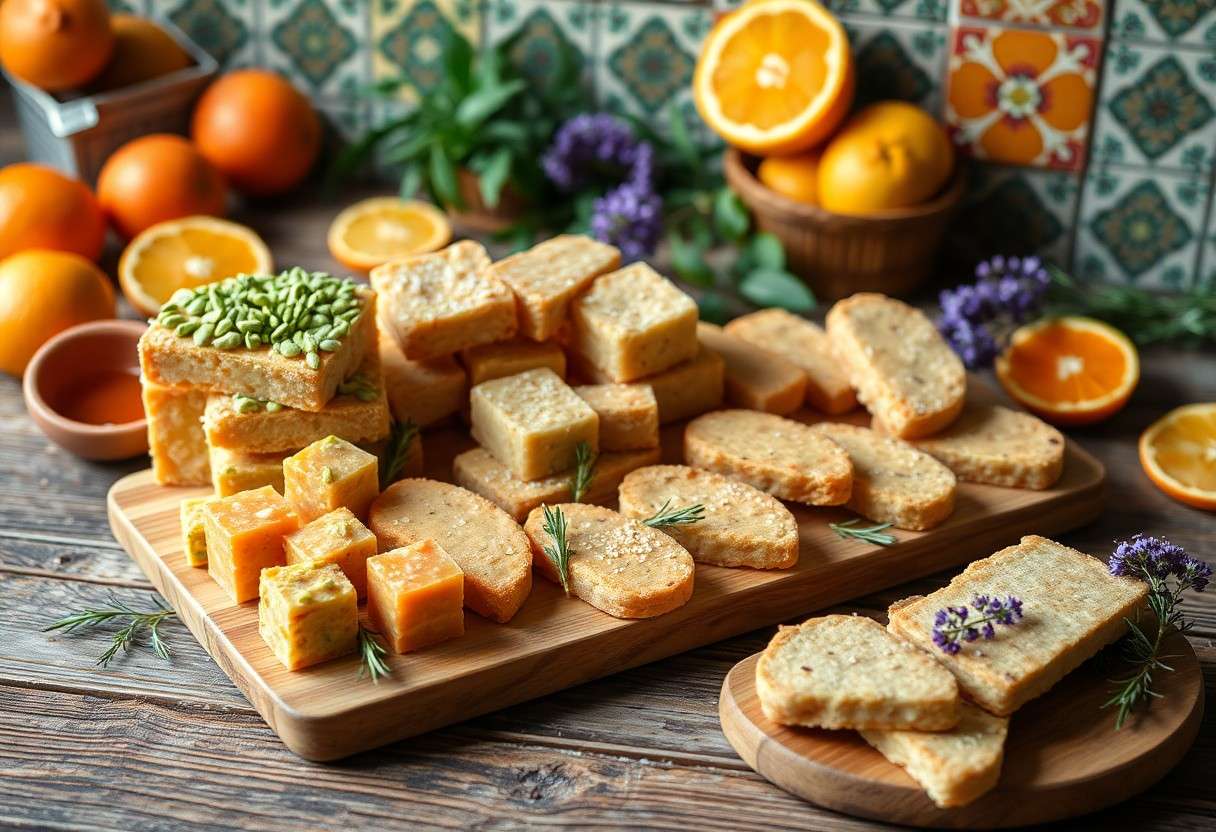
You can elevate your candy-making experience by incorporating Mediterranean ingredients that bring new depth and sophistication to classic recipes. By blending traditional sweets with flavors such as olive oil, citrus zest, and honey, you’ll unlock a world of taste that transcends the ordinary. This guide will explore how these unique elements not only enhance the flavor profile of your favorite candies but also offer a delightful twist that will impress family and friends. Dive into the art of combining these vibrant ingredients for truly unforgettable confections.
The Essence of Mediterranean Flavors
Olive Oil: A Rich Addition
Incorporating high-quality olive oil into candy recipes offers a luxurious twist that deepens flavor profiles. You might consider drizzling a rich, peppery extra virgin olive oil over chocolate truffles or using it in caramel recipes. This adds not only depth but also a subtle fruitiness that enhances the overall experience. The distinct notes of olive oil can transform a simple confection into a gourmet treat, elevating your creations to new culinary heights.
Studies show that the polyphenols in olive oil boast health benefits, and you can effortlessly infuse a hint of sophistication while catering to health-conscious consumers. Experimenting with different varieties, such as Arbequina or Koroneiki, can yield varying flavor nuances, giving you the chance to tailor the taste to match your specific candy creation or desired profile.
Citrus Fruits: Brightening Sweet Treats
Citrus fruits serve as vibrant accents in Mediterranean-inspired candies, providing freshness that balances the sweetness of traditional confections. Ingredients like lemon, orange, and bergamot can be incorporated into recipes for gummies, chocolate-covered treats, or infused syrups. The acidity of citrus not only enhances flavor but also plays a vital role in harmonizing sweetness, making each bite a delightful experience.
The versatility of citrus extends beyond just zest; consider using freshly squeezed juice to create tangy caramels or candied citrus peel for added texture. Flavored sugars, like orange flower or lemon thyme, can be infused into your candy-making process for an aromatic lift, reflecting the lush, sun-kissed landscapes found throughout Mediterranean regions.
Nuts and Seeds: Crunchy Confections
Almonds: A Classic Pairing
Almonds serve as a versatile cornerstone in Mediterranean confectionery, enhancing candies with their rich, nutty flavor and delightful crunch. You can easily incorporate slivered or whole almonds into nougat, adding a delightful texture that counters the chewiness of the sweet base. A touch of toasted almond oil in chocolate coatings can elevate your creations further, imparting a subtle, warm depth that complements the sweetness beautifully.
Sometimes, simply dusting your candies with finely chopped almonds can create a visually appealing finish while also adding a satisfying bite. In traditional recipes, consider almond paste mixed with honey and rolled into bite-sized treats for a classic yet sophisticated option that showcases the natural sweetness of the nuts.
Pistachios: Color and Flavor
Pistachios provide not only a stunning visual contrast with their vibrant green hues but also a unique flavor profile that can transform your candies. You can blend crushed pistachios into chocolate bark for a colorful treat or sprinkle them over cakes to add an exotic twist. The nut’s buttery notes meld seamlessly with both sweet and savory ingredients, making it a perfect choice for creating innovative sweets.
Their distinct taste shines through in various applications, from pistachio marzipan to ice cream, each offering a taste of the Mediterranean. When mixed into truffles or fudge, the rich green specks of crushed pistachios add both aesthetic charm and a delightful crunch, enhancing your candy creations in more ways than one.
Spices: Enhancing Sweetness
Cinnamon: Warmth and Depth
Cinnamon adds a warm, earthy flavor that deepens the sweetness of your candies. When blended into chocolate truffles or used in nougat, its aromatic qualities complement the sugar, creating layers of taste in every bite. You might find that a pinch of this spice can elevate a simple caramel into something extraordinary, inviting complexity that rounds out the sweetness rather than overpowering it.
The versatility of cinnamon also allows it to pair beautifully with various nuts and dried fruits often found in Mediterranean treats. Incorporating cinnamon not only enhances flavor but provides health benefits too, such as anti-inflammatory properties and improved blood sugar levels, making your indulgences a touch more guilt-free.
Orange Blossom Water: Fragrant Notes
Orange blossom water infuses your candies with a delicate, floral flavor that captivates the senses. This ingredient is a hallmark of Mediterranean desserts, adding an ethereal quality to treats like Turkish delight and baklava. Its subtle sweetness brings a refreshing brightness, transforming what might be an ordinary confection into something memorable.
Using orange blossom water requires a careful hand; just a few drops can drastically change the profile of your candy. This fragrant addition harmonizes with other flavors, especially nuts and spices, and can elevate even the simplest recipes to an elegant status. The infusion of orange blossom notes acts not only as a flavoring but also as an aromatic experience, enveloping your palate in lush scents that linger long after the last bite.
Known for its versatility, orange blossom water can be employed in various sweets, from cakes to syrups. Pair it with lemon zest for a zesty contrast, or blend it into cream-based confections for an aromatic lift. This floral ingredient invites creativity in your candy-making, presenting an opportunity to explore flavors while charming your taste buds.
Honey: Nature’s Sweetener
Traditional vs. Modern Usage
Honey has long been a favorite among Mediterranean cultures, often used in traditional sweets like baklava and halva. Its rich, golden hue and distinct, complex flavor profile are prized across generations. In the past, honey was typically used as a direct sugar substitute or to add moisture to various confections. Today, you can elevate your candy recipes by incorporating artisanal honeys infused with ingredients like citrus or herbs, creating layers of flavor that reflect contemporary culinary trends.
Modern usage also includes the pairing of honey with spices, nuts, and dried fruits, which reflects a shift towards more innovative flavor combinations. Desserts such as honey-infused truffles or nougats not only showcase honey’s natural sweetness but also highlight its potential as a sophisticated culinary ingredient. This evolution encourages experimentation, allowing you to combine traditional techniques with modern palates.
Health Benefits of Honey
Honey is celebrated not just for its exquisite taste but also for its numerous health benefits. Rich in antioxidants, it helps combat free radicals and supports overall wellness. Raw honey contains vitamins and minerals like B vitamins, vitamin C, and calcium, contributing to a nutritious profile that can complement your diet. Furthermore, its natural antibacterial and anti-inflammatory properties make it an excellent remedy for various ailments, including sore throats and digestive issues.
In addition to its health benefits, you may find that honey supports your immune system. Studies indicate that regular consumption can help enhance the body’s defenses, making it a valuable addition to your daily routine. Whether you drizzle it over yogurt or incorporate it into homemade candies, embracing honey reinforces not only flavor profiles but also your commitment to a healthier lifestyle.
Regional Variations of Candy Recipes
Italian Torrone: A Softer Taste
Italian Torrone presents a delightful variation of nougat, known for its softer, more luxurious texture. Crafted from a blend of honey, sugar, egg whites, and an assortment of nuts, this treat often features hazelnuts or pistachios, giving it a distinctly Italian flair. The process involves beating the egg whites to stiff peaks, creating a fluffy base that elevates the overall mouthfeel, making each bite richer and more indulgent. Torrone is especially popular during festive occasions, where it graces tables as a symbol of sweetness and celebration.
The flavors of Torrone can range from classic to innovative, with some artisans infusing citrus zests or even spices like cinnamon, creating a sensory experience that pays homage to the Italian tradition of flavor. You can find variations across different regions, from the firmer types found in the north to the softer, more chewy versions typical of the south, showcasing Italy’s rich culinary diversity.
Turkish Delight: A Unique Experience
Turkish Delight, or Lokum, stands out as a remarkable candy with an intriguing history rooted in the Ottoman Empire. Its chewy, gel-like texture is made using starch, sugar, and flavorings like rosewater, lemon, or pomegranate, resulting in a candy that offers a unique sensory experience unlike any other. Often dusted with powdered sugar or desiccated coconut, Turkish Delight provides a flavorful burst that tantalizes the palate and delights your taste buds.
The preparation of Turkish Delight involves boiling the ingredients to a precise consistency and then allowing them to set, often resulting in a mesmerizing array of textures and flavors. You can find it in an array of forms, from cubes to intricate shapes, often accompanied by nuts or dried fruits, inviting you to explore the rich tapestry of Mediterranean sweets. Notably, each piece carries a cultural significance, symbolizing hospitality and indulgence in Turkish society.
Crafting Your Own Mediterranean-Inspired Candy
Ingredient Selection and Pairing
Choosing the right ingredients is important for capturing the essence of Mediterranean flavors in your candy creations. Consider incorporating nuts like almonds and pistachios, which not only provide a satisfying crunch but also pair beautifully with a variety of sweets. Dried fruits such as figs and apricots can add natural sweetness and a chewy texture. Don’t overlook spices like cinnamon and cardamom, which bring warmth and depth to your confections. Additionally, using high-quality Mediterranean honey can enhance the flavor profile, offering a complex sweetness that differs significantly from typical granulated sugar.
Pairing ingredients thoughtfully can elevate your candy from good to extraordinary. For instance, combining dark chocolate with sea salt and orange zest gives a rich, sophisticated flavor, reminiscent of classic Mediterranean desserts. Infuse your candies with herbs like rosemary or thyme for an unexpected twist that will surprise your palate. By exploring these pairings, you’ll find that the balance of sweet, salty, and aromatic elements can lead to unique and indulgent treats.
Tips for Perfecting Recipes
Perfecting Mediterranean-inspired candy requires both technique and precision. Focus on temperature control when melting sugars or chocolates, as this significantly impacts texture. For example, achieving the ideal consistency in nougat relies on reaching the right temperature during cooking, ensuring it sets properly without becoming crumbly. Using a candy thermometer can help you maintain accuracy and consistency in your processes.
- Experiment with flavor ratios to discover your personal preferences.
- Incorporate fresh ingredients right before serving to maintain their vibrancy.
- Practice patience; some candies benefit from resting to develop flavors.
- Recognizing the interplay of various textures can add dimension to your candy.
Trial and error will hone your candy-making skills. Pay attention to the nuances in each attempt and make notes on what adjustments yield the best results. Adjust sugar levels, try different nut combinations, or play with the infusion times for flavors to see how they alter the final product. It’s in these small tweaks that you’ll find your signature style.
- Keep a detailed log of your ingredient sources, as quality can vary significantly.
- Always taste as you go; it helps with both flavor balancing and adjusting cooking times.
- Invest in silicone molds that help maintain shape while allowing for easy release.
- Recognizing your favorite pairings can guide your exploration into new candies.
To wrap up
Drawing together the essence of Mediterranean ingredients with classic candy recipes opens up a world of sophisticated flavors that you can easily master in your kitchen. By incorporating items like pistachios, figs, and honey, you transform traditional sweets into delightful treats that offer both taste and nutrition, enhancing your culinary repertoire. These ingredients not only elevate the flavors but also introduce a unique character that distinguishes your creations from ordinary confections.
As you explore these transformative recipes, consider following guidelines from resources such as 15 Easy Desserts You Can Enjoy on the Mediterranean Diet. This approach not only enriches your dessert options but also aligns with a balanced lifestyle. Embrace the rich tapestry of Mediterranean tastes and let them inspire your next candy-making adventure.