Why Mood Enhancing Candy Is the Biggest Wellness Trend
Over recent months you've seen surging demand for mood-enhancing candy promising clear mood support, even as clinicians flag inconsistent dosing and side effect

This article contains Amazon affiliate links. As an Amazon Associate, CandiesAndSweets earns from qualifying purchases.
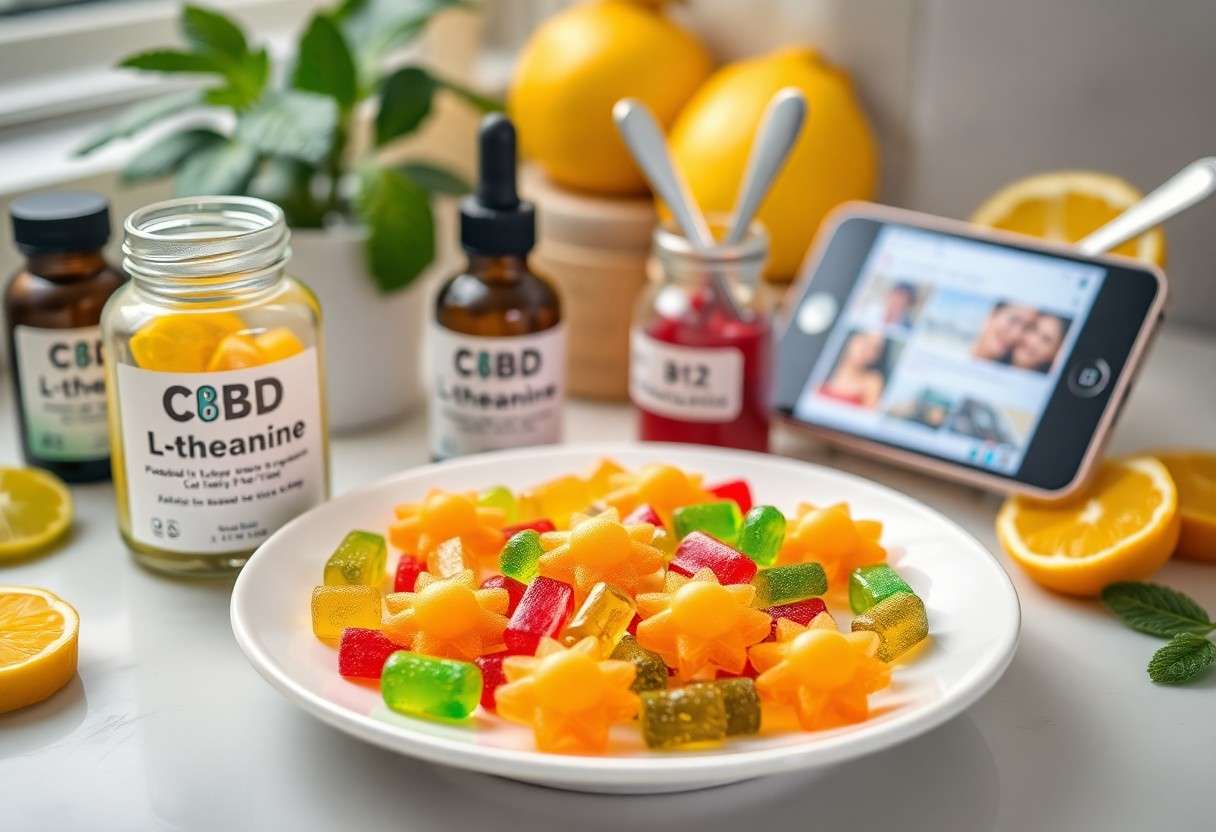
Over recent months you’ve seen surging demand for mood-enhancing candy promising clear mood support, even as clinicians flag inconsistent dosing and side effects that can be dangerous.
The Science of Nootropics and Adaptogens in Confectionery
Science shows that combining adaptogens and nootropics in candy alters neurotransmitter balance, so you should watch dosages; low-dose ashwagandha and L-Theanine can reduce stress and improve focus.
You also need to avoid interactions with medications and note that overconsumption can cause adverse effects, so consult a clinician when mixing supplements with sweets.
Key Ingredients: Ashwagandha, L-Theanine, and Magnesium
Ashwagandha can help you lower cortisol and soothe anxiety; its adaptogenic effects are positive for stress management, but quality varies so you should choose standardized extracts.
L-Theanine helps you smooth stimulant effects when paired with caffeine, and magnesium in candy supports sleep and nerve function; magnesium deficiency carries health risks, so monitor total intake.
Bioavailability and the Efficacy of Edible Delivery Systems
Bioavailability depends on formulation, with fast-dissolving candies offering quicker absorption while gummies release actives slower, so you should prefer products with verified dosing and third-party testing.
Edible matrices, pH, and fats change how you absorb actives, creating significant variability in onset and potency-check product data for expected onset times.
Consider microencapsulation and liposomal delivery when you want higher absorption; they can increase bioavailability but may raise cost and regulatory scrutiny, so weigh benefits against price.
The Shift from Traditional Supplements to Functional Treats
Market momentum is pushing you from capsules to mood-enhancing candies because bite-sized formats slot into daily life more easily. Consumers report higher adherence and satisfaction, while clinicians warn about hidden sugars and potential interactions that can undermine safety and efficacy.
Overcoming Pill Fatigue through Flavor Innovation
Flavor turns supplementation into an enjoyable habit, so you’re less likely to skip doses. Companies are pairing natural tastes with controlled dosing to preserve benefits, yet you should watch labels for added sugars and synthetic flavorings that can dilute value.
The Psychology of Rewarding Self-Care Rituals
Choice drives ritual: when you opt for a pleasant format, you create a predictable cue that reinforces use and builds routine. That cue triggers dopamine-linked reward loops, which strengthen habit formation but can also encourage comfort-driven overuse.
Neurobiology explains why a tiny, tasty reward can beat a bland pill-your brain links taste, context, and relief so the ritual itself becomes motivating. Track portions and ingredients to balance the placebo and habit benefits against risks of dependency.
Studies confirm that small, consistent rewards increase long-term compliance, so you’ll likely sustain mood-support practices when they feel pleasurable. Researchers recommend clear labeling and serving guidance to mitigate overconsumption risks while preserving behavioral gains.
Quality Standards and Regulatory Oversight
You should expect manufacturers to follow GMPs, transparent sourcing, and third-party testing so labels reflect ingredients and dosages; shortcuts raise risks to consumer safety and brand trust.
Navigating FDA Compliance for Functional Foods
Labeling rules require you to avoid drug claims and substantiate benefit statements, classify ingredients correctly (food, dietary supplement, or GRAS), and keep thorough records because the FDA can act on misleading claims or unapproved ingredients, triggering recalls or enforcement.
Ensuring Potency and Purity in Botanical Extracts
Testing protocols should let you confirm active constituent levels and batch consistency; require HPLC or similar assays, stability data, and maximums for heavy metals and pesticides so potency claims match what you ingest.
Third-party audits and supplier traceability let you verify extraction methods and raw material identity; insist on a current certificate of analysis (CoA), retain retention samples, and screen for adulteration or other contaminants that could harm users or trigger market withdrawals.
The Psychological Impact of Mood-Altering Rituals
You link a small, repeatable candy ritual to emotional relief, so your brain treats the act as a dependable cue and lowers stress responses through conditioned expectation and reward, creating a predictable stress-relief routine.
Rituals shift attention and reward timing, which can reduce cortisol via anticipatory dopamine signaling, but you must watch for dependency risk if the ritual replaces broader coping strategies.
The Role of Sensory Experience in Cortisol Reduction
Scent and texture focus your attention and slow your breathing, so when you deliberately savor a candy you often trigger a parasympathetic response and see measurable cortisol reduction within minutes.
Establishing Healthy Habits through Positive Reinforcement
Small, consistent rewards help you repeat desired behaviors, and using a mood candy as a timed treat after a workout or task strengthens habit loops through positive reinforcement.
Pairing that reward with clear rules about portion and frequency lets you keep benefits while minimizing sugar-related harms and the risk of overreliance.
Future Horizons for Edible Wellness
You will see microdosed candies tuned to your sleep and stress cycles, combining nootropics, adaptogens and targeted amino acids to shift mood quickly. Manufacturers promise personalized benefits, but you must watch for drug interactions and dose variability that can cause adverse effects.
Expect that as wearables and biomarker data inform formulations, you’ll access products backed by clinical data and third-party testing. You should demand clear labeling so your choices reduce risk while optimizing symptom relief.
Personalization and Targeted Neurotransmitter Support
Biomarkers and mood profiling let you choose candies that target serotonin, dopamine or GABA pathways so you get the effect you need. You should prioritize brands that tailor doses to your profile and disclose potential side effects alongside claimed benefits.
Sustainable Sourcing of Rare Functional Ingredients
Supply chains for rare botanicals are moving toward traceable practices so you can verify ingredient origin; you should seek companies that publish sourcing audits and sustainability metrics. Watch for contaminants and overharvesting warnings that could threaten both ecosystems and product safety.
Cultivating partnerships with regenerative growers and investing in lab-grown alternatives reduces pressure on wild populations, letting you support both health and conservation. Always look for certifications and supplier transparency to avoid products linked to ecological harm.
Summing up
You can see why mood-enhancing candy became the biggest wellness trend: it offers portable, familiar formats for targeted microdoses of botanicals, adaptogens, and mood-supporting nutrients, aligns with consumer demand for mental self-care, and fits into daily routines without stigma. Market growth reflects smarter formulations, clear labeling, and direct-to-consumer access, so you can choose products that match your needs while scientific scrutiny and regulation catch up.