Why Vegan Caramels Made With Oat Milk Are Worth Trying
Vegan caramels made with oat milk give you a rich, dairy-free confection; use high-quality oat milk for best texture and watch out-hot sugar can cause severe bu

This article contains Amazon affiliate links. As an Amazon Associate, CandiesAndSweets earns from qualifying purchases.
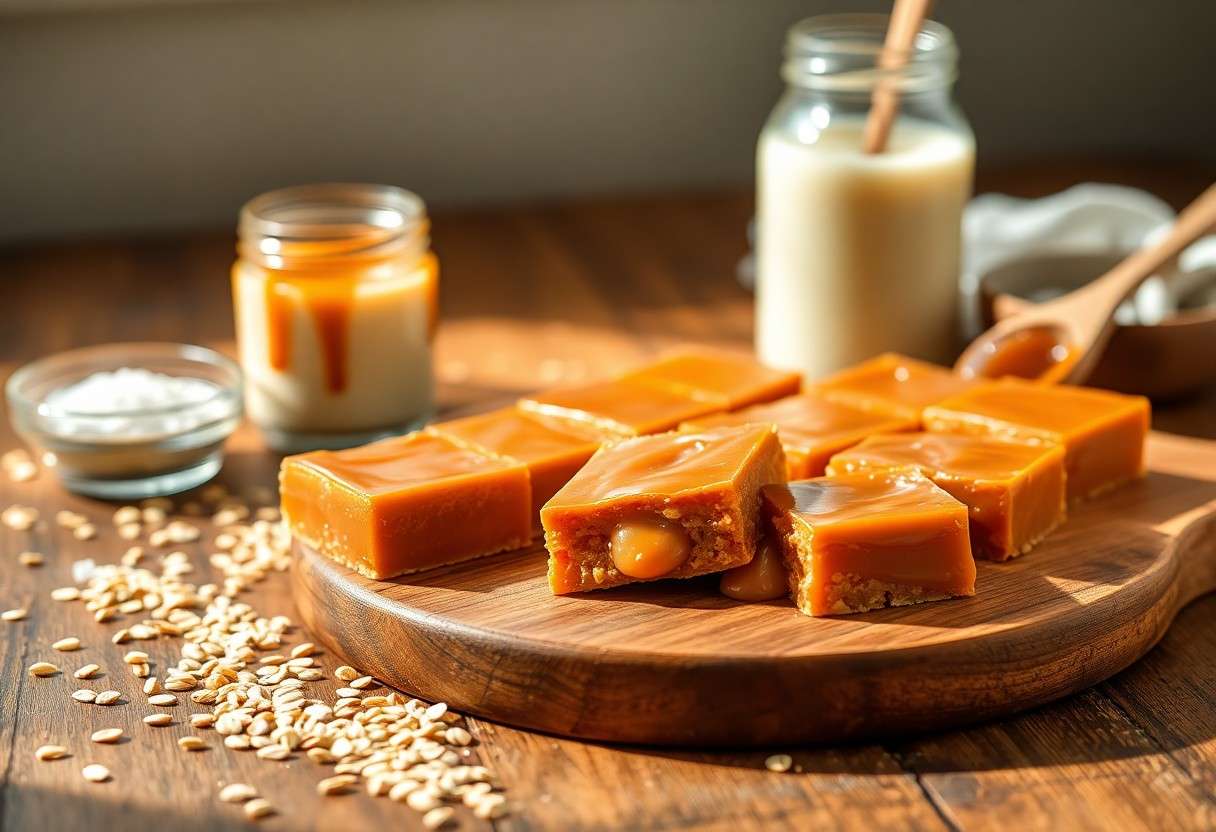
Vegan caramels made with oat milk give you a rich, dairy-free confection; use high-quality oat milk for best texture and watch out-hot sugar can cause severe burns during cooking.
The Science of the Oat Milk Base
Oat milk supplies soluble fibers and mild fats that act as natural stabilizers, so you can achieve a creamy mouthfeel without dairy. These beta-glucans bind water and sugar, improving shine and chew while you stay alert to hot sugar burns during cooking.
Superior emulsification and fat content
Beta-glucans and oat lipids create a stable emulsion that reduces phase separation, letting you maintain a glossy caramel matrix. You should choose full‑fat or barista-style oat milk to maximize creaminess and cut back on added thickeners.
Achieving the ideal viscous texture without dairy
Viscosity hinges on sugar concentration, reduction time, and cooling method, so you can control chewiness by adjusting these variables; controlling crystallization keeps the texture smooth rather than grainy. If you tweak water-to-sugar ratios and rely on oat milk’s fibers, you reach a chewy, pliable caramel without butter.
Heat the mixture slowly and use a candy thermometer, aiming for 118-121°C (245-250°F) for a chewy result, and make sure you cool the batch evenly so you avoid overcooking or sticky, overly hard pieces that increase burn risk.
Flavor Synergy in Plant-Based Confections
Oat milk’s natural sweetness and cereal-like undertones let you enjoy caramel that feels familiar yet fresh, as toasted grain notes layer with brown sugar to mimic buttery depth without dairy.
Your palate benefits from a silkier mouthfeel that carries flavors longer, and you gain lactose-free indulgence with generally lower saturated fat than cream-based caramels.
Toasted grain notes versus traditional dairy profiles
Grain-forward oat milk adds nutty, biscuity accents you can tune by toasting or using darker sugars, and you’ll often find a more complex, slightly drier finish compared with pure dairy creaminess.
Enhancing depth with sea salt and natural aromatics
Salted edges and a pinch of flaky sea salt sharpen sweetness while preserving the oat’s cereal character, and you can layer vanilla, orange zest, or warm spices for aromatic complexity.
Consider finishing with toasted vanilla bean or a whisper of cardamom to add nuance; when you boil sugar, take care because hot sugar can cause severe burns, and use long-handled tools and protective gear.
Sustainability and Ethical Sourcing
Environmental impact of oats compared to dairy and nuts
Oats use far less water and emit fewer greenhouse gases than dairy and many nut crops, so you cut environmental harm by choosing oat milk caramels. Production typically requires lower irrigation and lower CO₂-equivalent emissions than almond or cow’s milk, and avoids methane from livestock, making oat-based confections a more climate-friendly option for your pantry.
Environmental snapshot
| Metric | Oats vs Dairy/Nuts |
|---|---|
| Water use | Oats: low; Almonds: high; Dairy: high |
| GHG emissions | Oats: low; Dairy: high (methane); Nuts: moderate |
| Land use | Oats: efficient; Dairy: extensive |
Supporting cruelty-free confectionery standards
Choosing oat milk caramels removes animal-derived ingredients like dairy and gelatin, so you support cruelty-free confectionery in practice. Many makers also pair plant bases with ethically sourced sugar and cocoa, letting you pick treats that align with animal welfare and supply-chain transparency.
Look for third-party verifications such as Certified Vegan or PETA-Approved labels to confirm ingredient and testing policies; you should also review brands’ sourcing statements and supplier codes to ensure a genuine commitment to no animal testing and no animal ingredients.
Health and Allergen Considerations
You’ll appreciate that oat-milk caramels remove dairy allergens and often reduce saturated fat, so no lactose eases common intolerances. Labels still matter: look for gluten cross-contamination or “may contain” nut warnings if you have severe allergies, since processing varies.
Nut-free and soy-free advantages for sensitive diets
Oat-milk caramels let you enjoy sweets without typical nut or soy bases, making them a safer option if you avoid those allergens. You should verify that manufacturers use dedicated lines; cross-contact with tree nuts or soy poses the biggest risk for sensitive consumers.
Digestibility and the benefits of lactose-free sweets
Many find your digestion improves when switching to lactose-free caramels because oat milk lacks dairy proteins that trigger symptoms. You may still notice sensitivity to high sugar or added fats, so monitor portion size to keep treats comfortable for your gut.
Switching to oat-milk caramels can reduce bloating and cramping common with lactose intolerance, but you should check for added emulsifiers or oils that can irritate some people; choose recipes with minimal additives and moderate sugar to maximize digestive benefits.
Culinary Applications and Pairings
Practical uses extend across plated desserts and packaged confections: you can drizzle oat-milk caramels over ice cream, swirl them into brownies, or jar them for retail. Their silky mouthfeel and clean oat sweetness let you achieve richness while reducing dairy dependence.
You can rewarm caramels gently for sauces, but watch temperature to avoid sticky scorching; controlled heat preserves gloss and lets you thin them into pourable glazes for plating or filling.
Versatility in professional baking and artisanal fillings
Culinary professionals use oat-milk caramels as fillings, glazes, and inclusions: you can pipe them into macarons, encase them in tart shells, or fold small cubes into cookie dough. Their stable emulsion supports smooth textures without dairy separation.
Professional bakers value that oat-milk caramels hold shape at room temperature, allowing you to assemble pastries ahead of service and control sweetness-salt balance to suit layered confections.
Complementing dark chocolate and orchard fruit profiles
Pairing with 70% dark chocolate lets you soften bitter tannins; you can adjust salt to enhance snap while the caramel’s silky sweetness rounds cocoa harshness and deepens mouthfeel.
Tasting alongside tart apples or roasted pears, you can spoon warm oat-milk caramel over slices to counter acidity and add a mouth-coating texture that balances orchard fruit brightness in composed desserts.
Evaluating Quality in Vegan Caramels
Look for a glossy surface and even color that signal proper caramelization; you can detect oat milk’s creaminess in the way the candy melts on your tongue, while a grainy texture often means poor emulsification or crystallization you should avoid.
Taste for a balanced sweetness with clear toasty notes rather than sharp aftertastes, and trust your palate if you sense chemical or metallic flavors, since clean caramel flavor indicates careful sugar cooking and quality oat milk.
Identifying clean-label ingredient lists
Read labels and favor items listing familiar ingredients like oat milk, sugar, a vegan butter substitute, salt, and vanilla; a short ingredient list usually means fewer additives and better flavor integrity for you.
Scan for hidden additives such as hydrogenated oils, artificial flavors, or long chemical names, and avoid products with those markers since they often show up in cheaper, mass-produced batches.
Distinguishing between artisanal and mass-produced varieties
Compare small-batch caramels that highlight source ingredients and simple recipes with mass-produced versions that rely on fillers; you’ll often find higher-quality ingredients like toasted oats or single-origin sugar in artisanal offerings.
Artisan makers typically note production dates and offer shorter shelf life, so you can expect greater freshness and flavor variation while mass brands aim for uniformity and longer storage.
Consider tasting a sample, checking for batch numbers, and asking about the oat milk source before buying, since those details tell you whether the price reflects genuine care or just marketing; traceability and clear labeling are strong indicators of quality.
Final Words
Upon reflecting, you should try vegan caramels made with oat milk because they deliver a rich, creamy texture and deep caramel notes while staying dairy-free; oat milk browns and reduces bitterness, adds subtle sweetness, and suits many diets, so you can enjoy classic caramel flavor with fewer allergens and a smaller environmental footprint, plus home recipes tend to be simple and forgiving for cooks of any skill.