Why Oat Milk Chocolate Is the Fastest Growing Candy Trend
Most shoppers are choosing oat milk chocolate for its creamy taste and sustainable, dairy-free appeal; you must watch for cross-contact with gluten and nut alle

This article contains Amazon affiliate links. As an Amazon Associate, CandiesAndSweets earns from qualifying purchases.
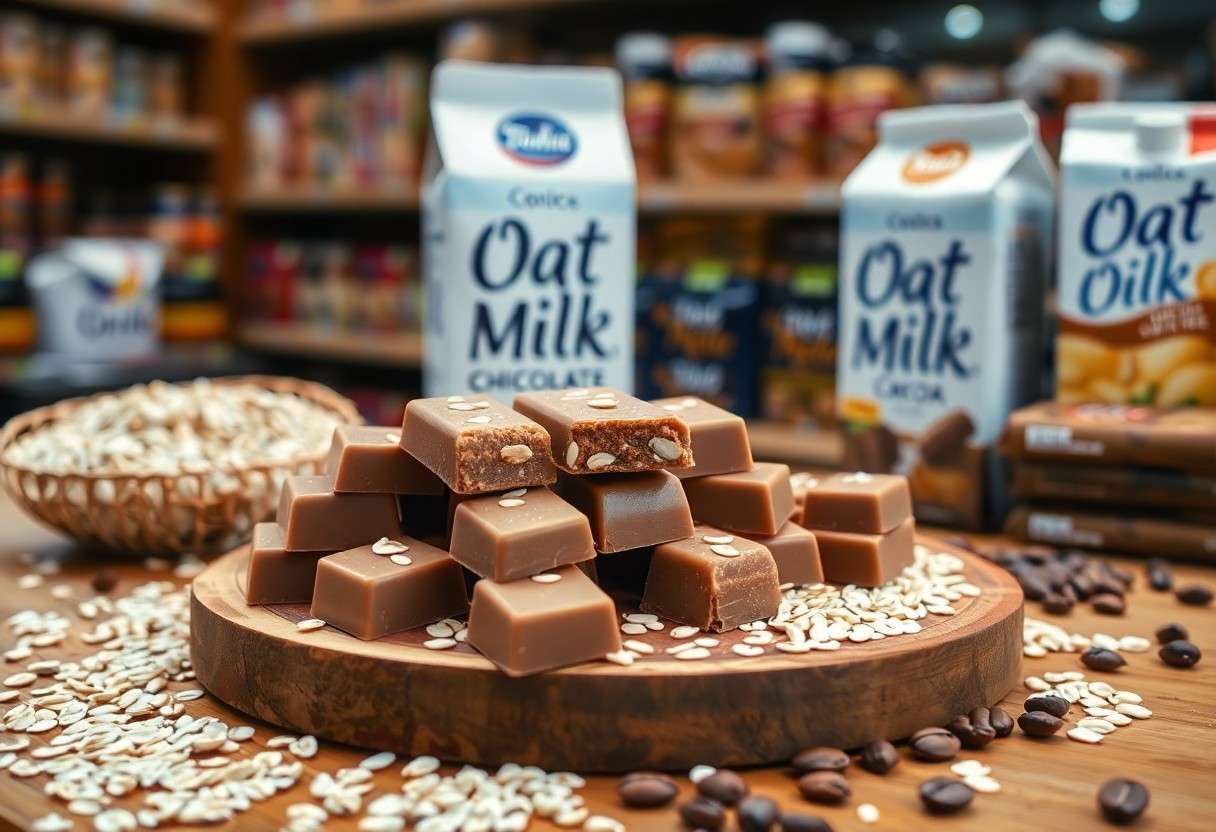
Most shoppers are choosing oat milk chocolate for its creamy taste and sustainable, dairy-free appeal; you must watch for cross-contact with gluten and nut allergens while the rapid market growth reshapes candy aisles.
The Evolution of Plant-Based Confectionery
Oat milk chocolate has accelerated innovation in plant-based sweets, giving you textures that mirror dairy while delivering sustainability gains and reduced dairy-allergy exposure.
Manufacturers are reformulating recipes so you can expect consistent mouthfeel and melt, which has driven rapid market growth in mainstream aisle space.
Shifting Consumer Preferences Toward Dairy-Free Alternatives
You are choosing dairy-free treats for health, ethics, or lactose intolerance, pushing oat options that preserve indulgence without compromise.
Retailers are responding to your demand by expanding dairy-free ranges and placing oat milk chocolate prominently to capture both niche and mainstream buyers.
The Rise of the “Flexitarian” Chocolate Consumer
Many of you shop flexibly, alternating dairy and plant-based choices, which makes oat chocolate an easy, occasional swap that maintains satisfaction.
Taste matters to you, so brands highlight the creamy mouthfeel and melt of oat milk chocolate to prove sensory parity with traditional bars.
Sampling programs let you trial oat milk chocolate with low risk, increasing trial-to-repeat rates and showing how flexitarian choices are reshaping product assortments.
The Oat Milk Advantage: Texture and Mouthfeel
Oat milk gives you a dense, silky emulsion that delivers a creamy mouthfeel, mimicking dairy’s smooth melt and satisfying snap so the chocolate’s texture feels familiar. You notice fuller mid-palate weight from oat beta-glucans and proteins, but watch for gluten cross-contact in some supply chains if you serve sensitive consumers.
Mimicking the Creaminess of Traditional Dairy
You can recreate dairy-like melt because oat fats and starches interact with cocoa butter to produce a warm, lingering cream that many expect from milk chocolate. This approach lets you achieve a creamy, satisfying snap while keeping formulations plant-based and indulgent.
Neutral Flavor Profiles vs. Nut-Based Alternatives
Oats provide a neutral base so you taste the cocoa and sweeteners rather than a pronounced almond or coconut note, which means your recipes highlight pure chocolate character. You also sidestep the allergenic risks associated with nut-based bars, broadening appeal for more shoppers.
Because oat’s mild profile makes center notes pop, you can use fewer masking agents and reach broader audiences, though you should monitor sourcing to avoid gluten contamination for celiac consumers.
Sustainability and the Eco-Conscious Shopper
You will notice oat milk chocolate aligns with sustainability goals by delivering a lower carbon and water footprint than many dairy confections, making it an easy swap when you prioritize eco-friendly indulgence.
Lower Environmental Footprint Compared to Dairy and Almonds
Oat milk typically uses less irrigation and land than almond production and emits fewer greenhouse gases than dairy, so you reduce environmental impact with each bar you choose. You might also enjoy our guide on Why Plant Based Coloring Beats Artificial Dyes.
Environmental Comparison
| Oat Milk | Dairy & Almonds |
|---|---|
| Lower water and land use; reduced emissions | High methane and feed-related emissions (dairy); high irrigation for almonds |
| Often grown in temperate zones with diverse rotations | Higher risk of monoculture and intensive inputs |
Ethical Sourcing and the Clean Label Movement
Ethical sourcing gives you visibility into cocoa and oat origins, so you can favor brands with transparent supply chains and demonstrated commitments to fair labor.
Beyond certifications, you should read labels for short ingredient lists and origin statements; these clean label signals help you avoid additives and support companies that invest in traceability and fair pay.
Health Inclusivity and Allergen-Friendly Appeal
You can enjoy chocolate that was once off-limits, since oat milk removes dairy and often tree-nut ingredients, making it more accessible for people with lactose intolerance or nut sensitivities.
Oat milk’s creamy texture preserves the indulgence you expect while labels often disclose manufacturing practices, so you can avoid bars with cross-contact and watch for gluten contamination risk if you have celiac.
Safe Solutions for Lactose Intolerance and Nut Allergies
Many brands now certify oat milk chocolates as dairy-free and run nut-free lines or test for traces, letting you pick options that align with your allergy management without sacrificing classic chocolate flavor.
Lower Sugar Profiles and Natural Sweeteners
Switching to oat milk chocolate often reduces refined sugar per serving, and you can choose bars that use natural sweeteners or added oat fiber to soften the glycemic load while keeping sweetness.
Manufacturers are using monk fruit, fruit purées, and polyols alongside oat fiber to give you sweetness with fewer added sugars, so read labels to find bars that match your dietary priorities.
Innovation in Gourmet and Artisanal Markets
Artisans have been experimenting with oat milk as a canvas for bean-to-bar creativity, producing bars that showcase a creamy, plant-based mouthfeel and precise cocoa origins. You notice makers adopting refined techniques to control texture and shelf life while managing cross-contact with allergens during production.
You see these innovations migrate from kitchens to tasting menus and specialty shelves, where discerning buyers reward craftsmanship with premium prices. Retailers highlight limited runs and origin stories to match the growing demand for ethical, dairy-free indulgence.
Premiumization of Oat Milk Chocolate Bars
Small-batch producers push oat milk bars into premium territory by sourcing single-origin cacao and using slow conching to refine mouthfeel, so you pay for traceability and nuanced flavor. Packaging and narrative make the product feel like a collectible rather than a commodity. You might also enjoy our guide on How Oat Milk Chocolate Is Changing the Candy Industry.
Brands focus on certifications-organic, fair trade-and transparent supply chains so you can justify higher price points; they also introduce higher cacao percentages and refined textures to compete with traditional dairy luxury bars, reinforcing a premium sensory experience.
High-End Flavor Pairings and Culinary Experimentation
Chefs pair oat milk chocolate with savory elements like miso, smoked salt, and aged balsamic to amplify umami and round sweetness, giving you bars that read as culinary creations rather than simple candy. These combinations deliver unexpected depth that attracts food-focused consumers.
Pairings depend on oat milk’s fat and protein to carry flavors, so you experience better flavor adhesion and a silkier melt; manufacturers must monitor emulsification and shelf stability to avoid separation or bloom, which can be problematic for retail presentation.
Experimentation reaches floral and herbal notes-saffron, bergamot, rosemary-and you observe collaborations between chocolatiers and chefs that produce limited editions driving press and social buzz, often becoming trend drivers within gourmet circles.
Global Retail Expansion and Market Accessibility
Retailers are expanding oat milk chocolate into diverse markets so you encounter these bars in specialty shops, mainstream supermarkets, and online marketplaces; this rapid shelf expansion gives you easier access and increases trial across demographics.
Shoppers now benefit from broader price points and multi-country rollouts, letting you choose premium or value options; watch for online availability that often outpaces physical stock and for occasional supply constraints during fast growth.
Mass-Market Adoption by Heritage Chocolate Brands
Heritage producers have launched oat milk ranges so you gain familiar flavor profiles with plant-based milk, which provides market validation and accelerates mainstream trust in oat milk chocolate as a permanent category.
Increased Visibility in Mainstream Supermarket Aisles
Aisles feature oat milk chocolate at eye level and on endcaps so you’re more likely to notice and impulse-buy these options, with prominent placement driving trial and repeat purchase.
Stores pair oat milk bars with coffee, vegan, and wellness sections so you can discover them during routine shopping trips, and in-store sampling or QR-led content often boosts conversion through trial-driving promotions.
To wrap up
Upon reflecting, you see why oat milk chocolate has become the fastest growing candy trend: its naturally creamy texture, neutral sweetness, and dairy-free appeal attract vegans and mainstream buyers alike. Sustainable oat supply chains and clear label positioning make it easy for you to choose ethical, flavorful options. Market momentum and broad retail support indicate the trend will continue to grow. You might also enjoy our guide on Vegan Chocolate Market Surge: Innovations and Real-Life Brand Success Stories.


