Best Single Origin Chocolates for Discerning Taste Buds
You can refine your palate with single-origin chocolates that offer clear terroir notes, traceable sourcing, and intense cocoa concentrations, while noting high

This article contains Amazon affiliate links. As an Amazon Associate, CandiesAndSweets earns from qualifying purchases.
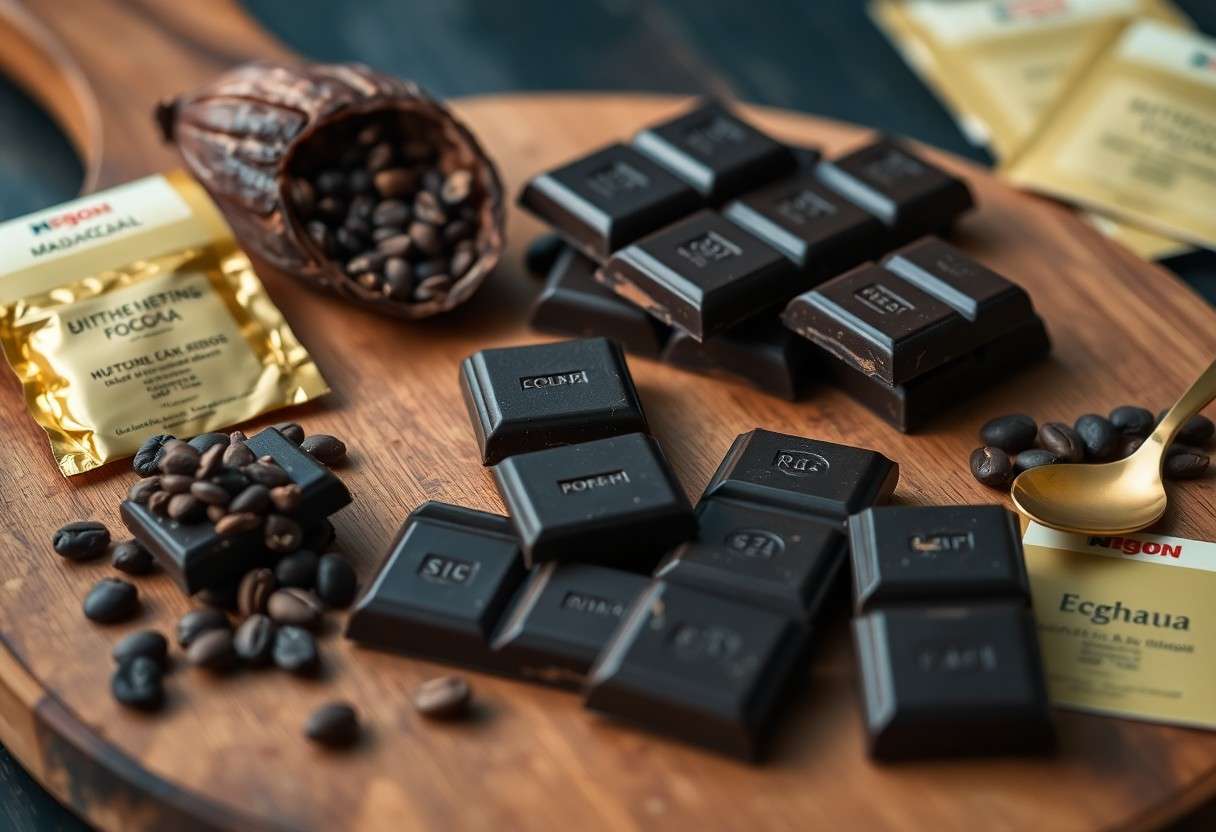
You can refine your palate with single-origin chocolates that offer clear terroir notes, traceable sourcing, and intense cocoa concentrations, while noting higher caffeine and allergy risks require caution for sensitive tasters.
Defining Single Origin: Terroir and Genetics
Terroir gives you the fingerprint of a single-origin chocolate: soil, elevation and microclimate combine so that beans from one valley taste unmistakably different from another.
Genetics determine how those environmental signals express themselves, so when you taste a bar you’re sampling both genetics and place – the intersection that creates distinct purity and complexity.
The Impact of Soil and Climate on Flavor Profiles
Soil influences the minerality, acidity and mouthfeel you perceive; volcanic or clay-rich soil composition often yields brighter, cleaner notes while poor drainage can mute flavors.
Microclimates impose rhythms of sun, rain and temperature that shape bean chemistry; you must watch for fermentation faults and mold risk in humid zones even as those same shifts produce vibrant aromatics.
Genetic Heritage: Criollo, Forastero, and Trinitario
Criollo offers you floral, refined notes and extreme rarity, though the Criollo bean is fragile and susceptible to disease, which drives its scarcity and price.
Forastero supplies the backbone of many single-origin bars, giving you robust, earthy cocoa that stands up to darker roasting and guarantees consistency across harvests.
Trinitario blends traits you value from both parents: the Trinitario hybrid delivers a balanced profile with improved resistance yet still shows wide variation depending on terroir, so you should sample samples to find your preferred expression.
South American Excellence: Ecuador and Peru
Ecuador’s Arriba Nacional brings intense floral aromatics and a silky cocoa butter mouthfeel that you’ll notice immediately in single-origin tastings, rewarding light roasts that preserve its perfume.
Peru contributes high-altitude diversity and the elusive Piura Blanco, which gives you bright citrus, honeyed tropical fruit, and creamy texture but demands delicate processing and limited supply awareness.
Arriba Nacional: Floral Notes of the Andes
Arriba presents jasmine, orange blossom and honeyed raisin notes that ask you to taste slowly, since the delicate aromatics are easily lost under heavy roasting-so choose bars that list gentle fermentation and low roast profiles.
Piura Blanco: The Rare White Cacao of Peru
Piura offers an almost candy-like creaminess with white cacao’s signature citrus and tropical top notes, giving you a luxurious, uncommon single-origin experience and a justified premium price.
Expect extremely low yields and a bean that is fragile during fermentation, so you should seek makers who document careful drying and small-batch processing to ensure you taste the varietal’s purity.
African Terroir: Madagascar and Tanzania
Madagascar’s coastal microclimates produce beans with striking clarity; when you taste them you’ll notice bright citrus and red fruit threaded with floral lift. You should avoid heavy roasts that mask origin detail, since over-roasting erases nuanced fruit notes.
Tanzanian estates deliver a contrasting profile of high acidity and earthy depth that rewards attentive tasting; you can detect dark berry, tobacco, and mineral undertones. You must be cautious about handling and storage because poor post-harvest practices introduce off-flavors.
Sambirano Valley: Citrus and Red Fruit Brightness
Sambirano harvests yield beans prized for tangy clarity and persistent red-fruit sweetness, so you’ll appreciate bars that preserve that lift. You should seek producers who minimize roast and emphasize origin, as excessive heat can blunt delicate aromatics.
Valley microclimates and gentle fermentations create a clean acidity that pairs well with bright desserts or white wines; you can trace terroir in every bite. You will prefer chocolates labeled for careful drying and single-farm sourcing because processing lapses erase the signature brightness.
Kokoa Kamili: Bold Acidity and Earthy Complexity
Kokoa Kamili beans present an assertive acidity balanced by a firm, savory cocoa backbone, and you’ll find notes of black tea, dried fruit, and mineral finish. You should value bars that showcase bold acidity alongside earthy complexity, while avoiding blends that smooth these edges away.
Producers emphasize extended, controlled fermentation and slow sun-drying to build depth; you can often taste those choices in layered, savory topnotes. You must watch for supply-chain shortcuts since post-harvest lapses introduce bitterness.
You will find Kokoa Kamili pairs notably well with espresso or aged cheeses, rewarding slow, attentive tasting as flavors evolve from floral high notes to a persistent, drying finish; pairing highlights its lasting complexity.
The Craft of the Chocolatier
Chocolatiers refine single-origin beans through careful sorting, roasting, and refining so you can discern terroir in every bite. You judge bars by aroma clarity, mouthfeel, and finish; small production choices make the largest differences when you seek nuanced flavor.
Precision Roasting to Preserve Delicate Aromas
Precision roasting adjusts time, temperature, and bean bed to unlock fruit and floral notes while avoiding bitterness; you watch temperature curves closely because excess heat will scorch beans and destroy fragile aromatics. Short, controlled roasts often reveal origin-specific nuances you want to taste.
The Science of Conching and Particle Size
Conching smooths texture by reducing particle size and distributing fat so you experience a clean mouth-coating. You monitor duration and shear because particle sizes under about 25 microns yield silky texture without dulling flavor, which you can detect on the palate.
Particle distribution and aeration during conching also modify volatile aromatics, so you balance time to remove harsh notes without stripping delicate scents; you rely on tasting throughout the process and stop when bitterness drops but floral complexity remains, since over-conching can strip key aromatics.
Sensory Analysis for the Connoisseur
Aroma guides your expectation for single-origin chocolate, so you should sniff for clean, complex scents and watch for fermented or smoky faults that signal processing problems.
Texture reveals bean quality and tempering, and you should feel for a silky melt, minimal grittiness, and a balanced mouth-coating finish that indicates careful craft.
Evaluating Snap, Shine, and Melt
Snap measures tempering integrity, so when you break a bar you should hear a crisp break and see a glossy surface, while a dull look or soft snap often points to bloom or improper tempering that can ruin the bite.
Identifying Secondary Flavor Notes and Length
Detect subtle secondary notes by letting the chocolate warm on your tongue so you can tease out floral, citrus, or nutty accents and mark any off-notes that reduce enjoyment.
Length tracks how long flavors persist after the bite, and you should value a clean, lingering finish over an abrupt end, since persistence often signals superior fermentation and roasting.
Compare samples while controlling temperature and palate resets so you can accurately assess the evolution of secondary notes and note any astringency or residual bitterness that undermines the overall profile.
Conclusion
Summing up, you should select single-origin bars by prioritizing bean origin, roast, and cocoa percentage to match your palate. Tasting notes from Ecuadorian floral to Ghanaian nutty profiles will guide you, and small-batch producers often produce clearer terroir expressions you will appreciate.