Complete Guide to Dairy Free Chocolate Truffle Recipes
DairyFree truffle guide gives you clear recipes, warns about dairy cross-contamination, and teaches substitutions so you can make rich, creamy treats that are s

This article contains Amazon affiliate links. As an Amazon Associate, CandiesAndSweets earns from qualifying purchases.
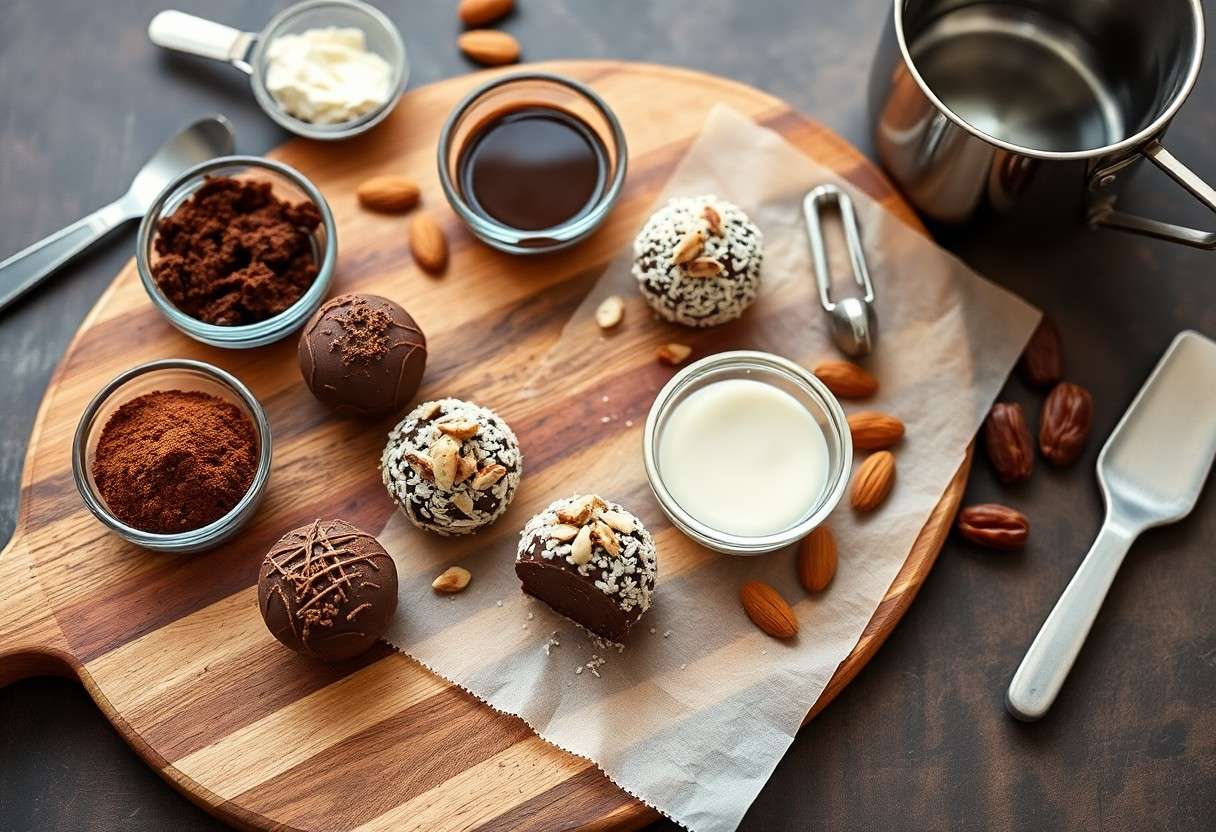
DairyFree truffle guide gives you clear recipes, warns about dairy cross-contamination, and teaches substitutions so you can make rich, creamy treats that are safe for allergies.
Critical Factors for Ingredient Selection
Quality of ingredients shapes the final texture and flavor of your dairy-free truffles; you should prioritize chocolate origin, fat profile, and potential cross-contamination with milk. Avoid products with unlabeled dairy traces and check labels for emulsifiers that affect mouthfeel.
- vegan chocolate: cocoa percentage and additives
- plant-based cream: fat type and water content
- fat content and melting point
- allergens and shelf stability
Balance between cocoa solids, sweetener, and alternative fats governs snap, gloss, and melting behavior, so you should test small batches and tweak ratios to match your desired mouthfeel.
Sourcing High-Quality Vegan Chocolate
Sourcing certified vegan chocolate with clear ingredient lists reduces risk of hidden dairy and lets you select the right cocoa percentage for bitterness and aroma. You should prefer couverture-style vegan bars for tempering and look for single-origin notes if you want pronounced flavor profiles.
Evaluating Plant-Based Cream and Fat Alternatives
Texture of your ganache depends on the plant-based cream solids and fat balance; coconut cream gives firmness and sheen while cashew or oat creams yield silkier, milder results, so you should align choice with flavor goals and melting behavior.
Stability across temperature changes rests on the type of fat you use-cocoa butter and refined coconut oil provide a firm set, while nut butters can soften and alter shelf life; you should factor refrigeration and serving temperature into recipe ratios.
Assume that small adjustments to fat ratios and cocoa percentage will let you dial in firmness, shine, and melt to achieve professional, stable dairy-free truffles.
Popular Types of Dairy-Free Truffles
You can consult the table below to compare common dairy-free truffles, focusing on base, texture, and typical pairings so you pick the right style for guests.
Several varieties demand caution because of allergens; watch for Nut allergies and cross-contamination while experimenting with dark chocolate and alternative creams.
| Coconut ganache | Silky texture, tropical notes |
| Dark chocolate | Intense flavor, low sugar options |
| Hazelnut butter | Toasted, rich mouthfeel |
| Almond butter & sea salt | Crunchy contrast, balanced salt |
| Avocado lime | Creamy, bright citrus finish |
- dairy-free truffles
- coconut ganache
- dark chocolate
- nut butter
- avocado
Classic Coconut Ganache and Dark Chocolate
Coconut-based ganache gives you a dependable, silky texture that pairs beautifully with dark chocolate, delivering rich flavor without dairy.
Nut Butter and Avocado-Based Innovations
Nutty blends let you create decadent, shelf-stable centers using nut butter, while avocado provides a creamy, lower-sugar alternative; always note the risk of Nut allergies.
Avocado adds healthy fats and a smooth mouthfeel that you can flavor with citrus or spices to balance sweetness and intensify texture. You might also enjoy our guide on Best Dairy Free Chocolate Bars for Ethical Snacking.
This gives you a concise reference so you can choose bold flavors or safer options when making dairy-free truffles.
Step-by-Step Preparation Guide
| Step | Tip |
|---|---|
| Prep | Weigh ingredients and chill molds so you maintain consistent texture. |
| Melting | Use low heat or short microwave bursts and stir so you avoid overheating. |
| Emulsify | Add dairy-free cream/oil slowly so you form a smooth emulsion. |
| Finish | Chill, shape, and store in airtight containers so you prevent bloom. |
Start by prepping equipment and ingredients: weigh everything precisely, line trays, and chill molds so you keep temperatures steady, and keep your dairy-free fats at room temperature to reduce shock when combining with chocolate.
Mastering the Emulsification and Melting Process
Melt chocolate slowly over low heat or in short microwave bursts while you stir, then whisk in warmed dairy-free cream or oil in a thin stream so you form a glossy emulsion, keeping the mixture under 50°C to prevent graininess and seize.
Precision Chilling, Shaping, and Hand-Rolling
Chill ganache until it’s firm but still pliable, typically 30-60 minutes, then you use a measured scoop and shape quickly with chilled hands or gloves to maintain uniform sizes and avoid melting.
Shape truffles on a chilled tray and roll with lightly oiled hands or spoons, then store them in airtight containers at 12-16°C or refrigerate perishable fillings so you prevent moisture damage and minimize surface bloom.
Professional Tips for Texture and Flavor
You can refine dairy free chocolate truffle texture by balancing nondairy fats and reduced liquid, controlling chill time and using quality cocoa for bright flavor while avoiding overheating that breaks emulsions.
- Use high-quality ganache base for smooth mouthfeel
- Adjust ratios to control firmness and creaminess
- Temper coatings for a glossy, snappy finish
Achieving the Perfect Ganache Consistency
Measure chocolate-to-cream ratios precisely so you can start with 2:1 dark chocolate to nondairy cream for firm truffles and move to 1:1 for creamier centers, whisk gently while warm to create a glossy ganache.
- Warm cream, pour over chopped chocolate
- Let sit 1-2 minutes, then stir to emulsify
- Chill until scoopable, then roll
Ganache Ratios
| Ratio | Result |
| 2:1 (choc:cream) | Firm, sliceable center |
| 1:1 | Creamy, melt-in-mouth |
Advanced Infusion and Decorative Coating Techniques
Infuse flavors by steeping spices or citrus zest in warmed nondairy cream and strain before combining so you preserve smoothness and avoid water contact which can ruin texture.
- Steep then strain for clean infusions
- Use flavored oils sparingly for intensity
- Apply thin tempered shells for crisp coating
Infusion & Coating Guide
| Technique | Effect |
| Steep & strain | Clean, even flavor |
| Tempered coating | Glossy, snap finish |
Any time you finish coating, set truffles in a cool, dry place and use tempered dairy-free chocolate for a crisp shell and glossy finish while you watch for humidity which can dull appearance. You might also enjoy our guide on Ultimate Dairy-Free Chocolate Chip Guide.
Pros and Cons of Dairy-Free Formulations
You will find dairy-free truffles offer allergen-safe options and creative flavor flexibility, letting you replace milk fats with nut, coconut, or oat bases while keeping rich taste and glossy finish.
Switching to plant fats can introduce texture shifts, higher cost, and emulsification challenges that may cause graininess or separation if you don’t adjust ratios and tempering techniques.
Pros vs Cons
| Pros | Cons |
|---|---|
| Allergen-friendly | Texture differences |
| Vegan-friendly | Higher ingredient cost |
| Flavor variety | Stability issues |
| Lower lactose concerns | Requires formulation tweaks |
| Custom fat profiles | Possible oil separation |
| Label appeal | Shelf-life variability |
Health Benefits and Dietary Inclusivity
Choosing dairy-free truffles lets you serve guests with lactose intolerance or dairy allergies and supports vegan diets without sacrificing indulgence when you pick quality plant fats.
Many dairy-free bases contain added sugars or refined oils, so you should balance ingredient quality and portion size to keep treats healthier while still inclusive.
Health Benefits vs Considerations
| Benefits | Considerations |
|---|---|
| Lactose-free | Added sugars possible |
| Suitable for vegans | Refined oils in some bases |
| Lower cholesterol options | Allergen swaps (nuts) |
| Diverse nutrient profiles | Variable calorie density |
Shelf-Life Considerations and Temperature Sensitivity
If you use coconut, nut butters, or plant creams, expect variable shelf-life-some fats are more prone to rancidity and moisture can encourage spoilage faster than dairy-based recipes.
Temperature control matters because plant fats often have different melting points; you must chill and transport truffles carefully to avoid separation or bloom.
Shelf-Life Factors
| Factor | Impact |
|---|---|
| Fat type | Rancidity risk |
| Moisture content | Mold/spoilage |
| Preservatives | Extended life |
| Packaging | Oxidation control |
| Storage temp | Texture stability |
Storage decisions affect quality: you should refrigerate for short-term use and freeze for longer holding, noting that freezing may alter texture and require slow thawing to preserve mouthfeel.
Storage Tips
| Tip | Why |
|---|---|
| Refrigerate 2-7°C | Keeps structure |
| Freeze for long term | Extends shelf-life |
| Use airtight wrap | Prevents oxidation |
| Thaw slowly | Reduces condensation |
| Label dates | Tracks freshness |
To wrap up
As a reminder, you can craft silky dairy-free chocolate truffles using high-quality dark chocolate and a dairy-free cream alternative like coconut or cashew; precise chilling and proper emulsification yield a smooth ganache you can mold and coat. You might also enjoy our guide on Dairy-Free Truffles – Indulgence Without Dairy.
You can tailor sweetness, fat ratio, and coatings to suit dietary needs and flavor preferences, and simple storage tips will keep truffles fresh for several days.


