Small-Batch Production Methods Ensure Quality Control in Premium Confectionery Lines
There's a growing demand for premium confectionery, and understanding how small-batch production methods enhance quality control is crucial for you as a produce

This article contains Amazon affiliate links. As an Amazon Associate, CandiesAndSweets earns from qualifying purchases.
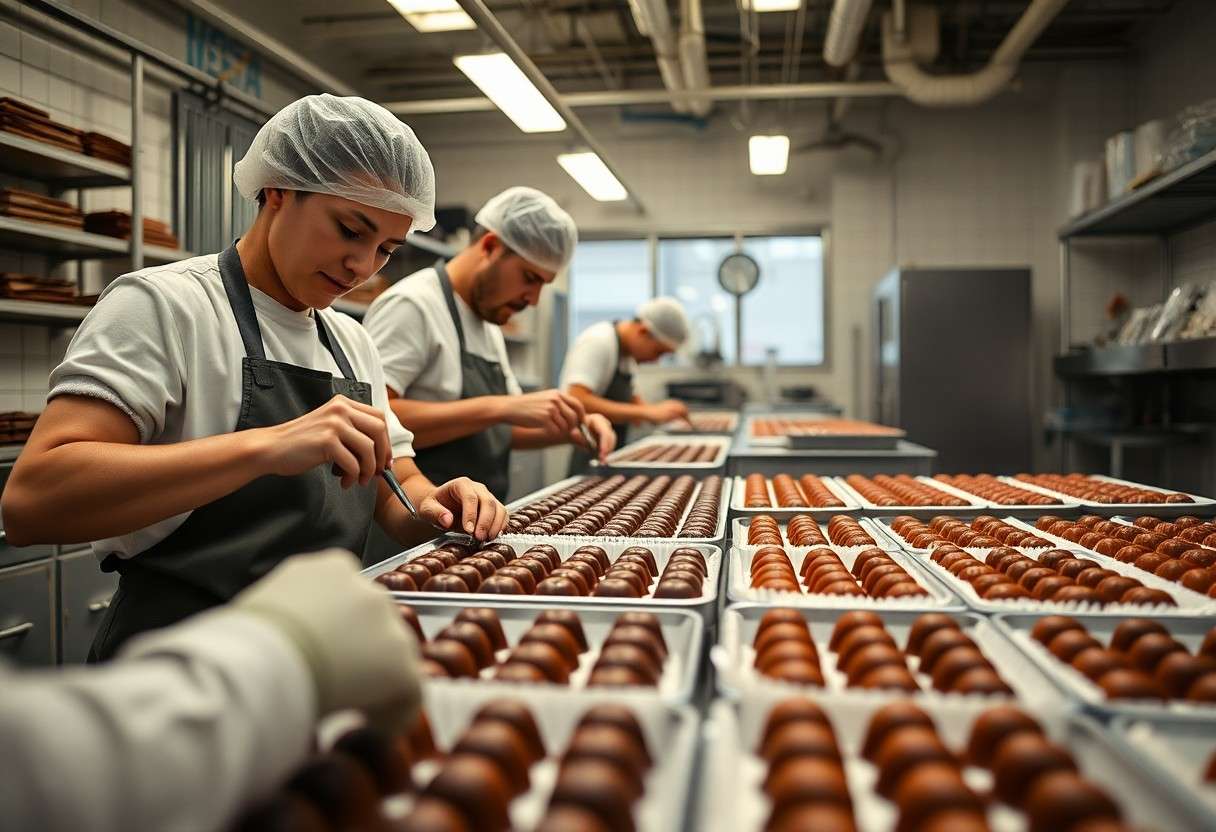
There’s a growing demand for premium confectionery, and understanding how small-batch production methods enhance quality control is crucial for you as a producer. This approach allows for meticulous attention to detail, ensuring that every piece meets high standards. By focusing on smaller quantities, you can maintain consistency and craftsmanship that appeals to discerning consumers. As you explore these production techniques, you’ll discover how they contribute to the integrity of your product and the satisfaction of your customers.
The Importance of Small-Batch Production
Definition and Overview
Small-batch production refers to the manufacturing of products in limited quantities, focusing on quality rather than mass output. This method allows for greater attention to detail, ensuring that each item meets high standards. In confectionery, small-batch production means handcrafting chocolates, candies, or pastries, often utilizing premium ingredients that may not be feasible for larger operations. By prioritizing small quantities, you can achieve more nuance in flavors and techniques, elevating your confections beyond standard offerings.
This approach fosters a deeper connection between the maker and the product. You have the opportunity to experiment with unique recipes, additives, and presentation styles, which may appeal to niche markets. Engaging in small-batch production not only enhances the quality but also allows you to tell a compelling story about your brand, creating an emotional resonance with consumers who appreciate artisanal craftsmanship.
Historical Context in Confectionery
Historically, confectionery was predominantly crafted by hand, with local artisans specializing in sweet treats tailored to community preferences. Before industrialization took hold in the 19th century, small-batch methods were the norm, allowing for a diverse array of regional specialties. You can trace the roots of small-batch production back to the days when confections were luxury items, often made for special occasions or as gifts, emphasizing artistry in every bite.
As technology advanced, mass production techniques emerged, transforming the confectionery landscape. Large factories prioritized efficiency and scale, leading to standardized products that often compromised flavor and texture. However, the resurgence of interest in artisanal food has revived small-batch production techniques. Modern consumers now seek out quality and unique flavors, driving a renaissance in handcrafted confections. This shift highlights your opportunity to stand out in a crowded market by offering products that are not only delicious but also made with care.
Quality Control Measures in Small-Batch Production
Ingredient Sourcing
In small-batch production, ingredient sourcing directly influences the quality of your final product. Partnering with local farmers or specialty ingredient suppliers not only provides fresher ingredients but also helps establish a traceable supply chain. For instance, sourcing single-origin cacao can enhance the unique flavor profiles of your chocolates, which gives you a competitive edge in the premium market. Engaging in regular audits of your suppliers ensures that they adhere to high-quality standards and sustainable practices, which can resonate well with environmentally-conscious consumers.
Your sourcing decisions also allow you to control the quality of each component used in your creations. Implementing strict criteria for ingredient selection, such as organic certifications or non-GMO verification, can significantly bolster the integrity of your brand. You might consider creating a relationship with suppliers who share your values, as this can lead to exclusive access to high-quality or rare ingredients that elevate your products. Keeping an open line of communication with these suppliers helps you stay updated on seasonal changes or ingredient availability, ensuring consistency in your offerings.
Process Monitoring
Implementing rigorous process monitoring is imperative for maintaining the quality of your confectionery during production. By using batch tracking systems, you can document each stage of the process, from mixing to packaging. This documentation not only helps identify any deviations from your recipe or method but also allows for immediate corrective actions if necessary. Continuous monitoring of temperature, humidity, and other environmental factors helps ensure that your products are stored and processed under optimal conditions, thus minimizing the risk of spoilage or off-flavors.
Regular training of your staff on best practices within the production environment further enhances your quality control. By investing in skill development, you empower your team to recognize quality issues early on and take proactive steps to address them. This proactive stance can lead to impressive consistency in your products, fostering customer loyalty and enhancing your reputation in the premium market.
Benefits of Premium Confectionery Lines
Enhanced Flavor Profiles
Premium confectionery lines benefit from small-batch production by allowing you to focus on quality ingredients that elevate flavor profiles. By sourcing high-grade cocoa, natural flavorings, and artisanal methods, you create products that are rich and complex. This attention to detail results in taste experiences that can command higher prices and cultivate a loyal customer base who appreciates the difference. Your consumers will notice and enjoy the depth of flavor, distinguishing your offerings from mass-produced alternatives.
The careful selection of ingredients also means you can experiment with unique combinations and traditional techniques. This experimentation opens new avenues for seasonal flavors, limited-edition offerings, and even collaborations with local producers. These creative ventures not only enhance your product line but also position you as an innovator in the industry, drawing in adventurous consumers eager to try something new.
Unique Product Offerings
Small-batch production empowers you to diversify your product offerings in ways that larger manufacturers cannot. Limited editions, specialty items, and tailored flavors adapt to market demands and seasonal trends, catering to specific customer preferences. Your ability to pivot quickly enables you to experiment without the risk associated with larger-scale production runs, letting creativity dictate your product slate.
This flexibility allows you to introduce offerings that resonate with niche markets. For example, vegan, gluten-free, or artisanal chocolates can be seamlessly integrated into your portfolio based on current consumer statistics indicating growing health-consciousness and dietary restrictions. By aligning your products with these trends, you solidify your brand’s presence and relevance in a competitive marketplace.
Through unique product offerings, you can build a dynamic catalog that not only attracts diverse consumer segments but also fosters a strong brand identity. Customization options, such as personalized labels or flavors, enhance the buying experience, inviting customers to engage with your brand on a deeper level. Highlighting these distinct offerings builds a community around shared tastes and values, strengthening customer loyalty in the process.
Challenges of Small-Batch Production
Cost Implications
Small-batch production often leads to higher per-unit costs compared to mass production. The need for premium ingredients, specialized equipment, and labor-intensive processes can inflate expenses significantly. For instance, artisan chocolatiers using organic, locally-sourced cocoa might see cost per kilogram surpass conventional offerings by up to 50%. This price increase can pressure your retail price points, which may deter price-sensitive customers. Additionally, this approach requires a careful market strategy to justify the higher costs to consumers who prioritize quality over price.
Operational efficiencies are harder to achieve on a smaller scale. While larger producers can benefit from economies of scale, your small-batch processes may require more time and effort for each production run. For example, limited production runs mean that overhead costs are spread over fewer units, further driving up individual costs. You need to balance the benefits of quality with the challenge of maintaining profitability in a market that often favors lower pricing structures.
Scalability Issues
Scaling small-batch production creates unique challenges for your business. Increased demand may push you to produce larger quantities, which can compromise the artisanal quality that defines your brand. Many small-batch producers face a dilemma when attempting to upscale: maintaining the same meticulous crafting methods becomes increasingly difficult, leading to inconsistencies in product quality. For instance, a renowned small candy business initially producing 500 units a week may struggle to ensure the same flavor and texture if production ramps up to 2,000 units.
Your reliance on specific suppliers for premium ingredients further complicates scalability. As you plan for growth, sourcing enough high-quality materials to meet increased production needs can become a bottleneck. Cultivating good relationships with reliable suppliers is important, but this is often easier said than done—long-term contracts can restrict flexibility while industry fluctuations can jeopardize availability and pricing.
Balancing quality with production capacity requires innovative solutions. Implementing robust training programs for your staff ensures consistency even as you increase production volumes. Exploring technology to automate certain processes, while still retaining the artisanal touch, can also contribute positively. However, integrating these improvements demands careful planning to avoid losing the handcrafted essence that appeals to your target market.
Innovations in Small-Batch Techniques
Technology and Automation
The integration of technology and automation in small-batch production has reshaped how premium confectionery is crafted. Advanced equipment, such as precision temperature control systems and automated mixing machines, allows you to maintain consistent quality while enhancing efficiency. These innovations enable you to scale production without sacrificing the handmade touch that distinguishes premium products. For instance, companies like Callebaut have adopted smart factories featuring IoT devices that monitor every stage of production, ensuring that each batch meets your high standards.
Automation also streamlines processes that traditionally relied on extensive manual labor, freeing up skilled artisans to focus on innovation and flavor development. With tools that can precisely measure ingredients and automate tempering chocolate, your production line can avoid common pitfalls like uneven textures or unbalanced flavors. As a result, you strike a balance between artisanal quality and modern efficiency, making it easier to respond to market demands without compromising your brand’s identity.
Artisan Methods
Artisan methods emphasize the importance of craftsmanship and personal touch in small-batch confectionery. Techniques such as hand-tempering chocolate and crafting fillings from scratch foster a deep connection between the maker and the product. When you engage in these methods, you cultivate not just a product but an experience that resonates with consumers who appreciate authenticity and quality. By limiting batch sizes, you can experiment with seasonal ingredients and unique flavor combinations, appealing to customers seeking novelty in their confectionery choices.
The dedication to artisan methods often involves sourcing ingredients from local producers or specialty farms, enriching your brand’s story. You might discover how utilizing organic fruits or sustainably sourced nuts can elevate your products while supporting local businesses. This commitment to quality doesn’t only enhance your offerings; it builds a narrative that discerning consumers can connect with, ultimately fostering brand loyalty.
Case Studies in Successful Premium Confectionery Brands
- Brand A: Reported a 30% increase in customer satisfaction after implementing small-batch production techniques.
- Brand B: Achieved 25% reduction in environmental impact through sustainable sourcing of ingredients.
- Brand C: Noted a 40% rise in sales during holiday seasons due to limited edition small-batch offerings.
- Brand D: Maintained a 98% customer retention rate by emphasizing personalized packaging and unique flavors.
Brand A: Commitment to Quality
Your assessment of Brand A reveals a strong commitment to quality that translates directly into product excellence. By harnessing small-batch production methods, the brand controls every aspect of the manufacturing process, ensuring that only the finest ingredients are used. This attention to detail attracted a loyal customer base and drove a 30% increase in customer satisfaction ratings within just one year of adopting these methods.
The brand’s focus on artisanal craftsmanship is evident in its unique flavor profiles, ranging from exotic spice blends to rich, nutty undertones. Each small batch allows for experimentation, giving you the opportunity to experience innovative confections that large-scale manufacturers simply cannot offer. This dedication to quality not only enhances the product but also elevates your overall brand experience.
Brand B: Sustainable Practices
Brand B has set a benchmark in sustainable confectionery production, achieving a 25% reduction in its environmental impact through an emphasis on ethically sourced ingredients. By sourcing cocoa from Fair Trade certified farms, the brand ensures a transparent supply chain that supports local farmers and communities. This transparency resonates with environmentally conscious consumers, further enhancing your connection to the brand.
Through its commitment to sustainability, Brand B has integrated practices that reduce waste across its production processes. Utilizing compostable packaging and investing in renewable energy for manufacturing facilities demonstrate a holistic approach to sustainable confectionery. These steps not only positively affect the planet but also build trust and brand loyalty among your audience who values eco-friendly practices.
Final Words
As a reminder, adopting small-batch production methods allows you to maintain strict quality control in your premium confectionery lines. This approach not only enhances the attention to detail in crafting each piece but also ensures that every product meets your exacting standards. By leveraging these methods, you can elevate your brand and create a loyal customer base that appreciates the quality and craftsmanship of your confections.
Moreover, the use of small batches enables you to experiment with unique flavors and formulations without compromising on quality. Embracing this strategy empowers you to refine your recipes and processes continuously. For insights into effectively implementing small-batch production techniques, consider exploring Mastering the Hard Candy Production Line – Sinofude to enhance your confectionery offerings and strengthen your position in the market.


