Sustainable Candy Production – What Consumers Should Know
With the growing awareness of environmental impact, understanding sustainable candy production is becoming increasingly important for you as a consumer. As you

This article contains Amazon affiliate links. As an Amazon Associate, CandiesAndSweets earns from qualifying purchases.
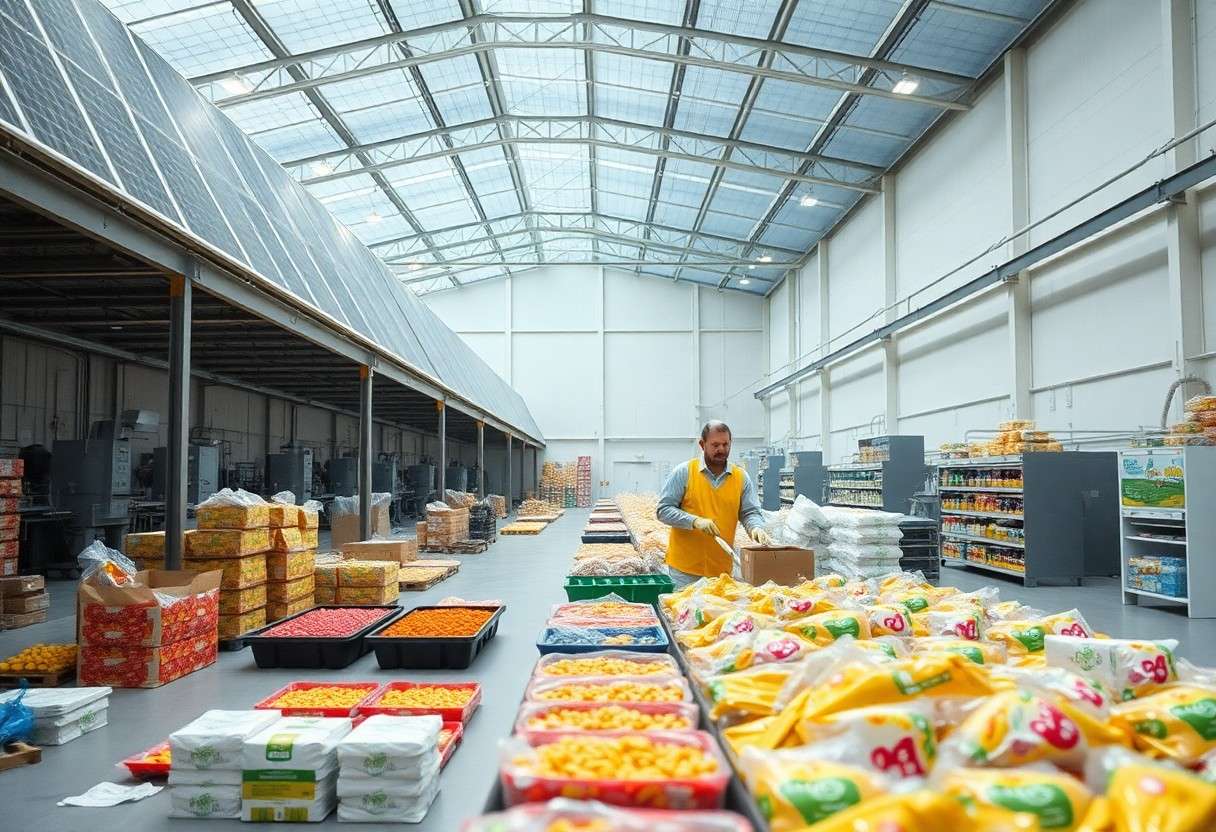
With the growing awareness of environmental impact, understanding sustainable candy production is becoming increasingly important for you as a consumer. As you indulge in sweet treats, knowing how they are made can help you make informed choices that align with your values. This blog post explores the various aspects of sustainable practices in the candy industry, from sourcing ingredients to ethical production methods, empowering you to enjoy your favorite confections while supporting a healthier planet.
Decoding Sustainable Ingredients
Sourcing Natural Sweeteners
For those invested in sustainability, examining sweeteners used in candy can reveal a lot about its overall environmental impact. Many brands are shifting away from traditional sugars like cane sugar, which often contributes to deforestation and huge carbon emissions during farming and processing. Instead, you might find alternatives like agave nectar, coconut sugar, or even stevia. These options not only have lower environmental footprints but also provide unique flavor profiles that can enhance candy products. For example, coconut sugar is derived from the sap of coconut palm trees, requiring less water and energy to produce compared to conventional sugar sources. By choosing candy made with these natural sweeteners, you can align your snacking habits with eco-friendly practices.
Additionally, sourcing sweeteners locally can also play a significant role in reducing carbon emissions associated with transportation. Local farmers offering organic sweeteners tend to use sustainable agricultural practices, which contributes positively to the ecosystem and supports community economies. Brands that highlight locally sourced ingredients suggest a commitment to both quality and the environment, allowing you to indulge in a guilt-free treat.
The Role of Fair Trade Ingredients
Identifying Fair Trade ingredients in the candy you consume ensures that workers receive fair wages and work in safe conditions while promoting sustainable farming practices. Many cocoa and sugar producers participate in Fair Trade programs, which mandate transparency and support community development initiatives. Products labeled as Fair Trade guarantee that farmers receive a minimum price for their crops, helping to stabilize their livelihoods and fostering community health and education projects. Through these initiatives, a more equitable system is established, allowing you to support ethical practices with every purchase.
The importance of Fair Trade extends beyond just pricing; it encompasses long-term relationships between producers and consumers. By choosing Fair Trade certified candies, you contribute to a cycle that prioritizes humane working conditions and reduces exploitation within agricultural sectors. These efforts not only uplift the lives of farmers and workers but also protect the environment by promoting sustainable agricultural methods, which you can feel good about as you reach for your next sweet treat.
Eco-Friendly Manufacturing Processes
Energy Efficiency in Production
The manufacturing process of candy has seen remarkable shifts toward energy efficiency. Many companies have adopted renewable energy sources such as solar and wind to power their facilities. For instance, a leading chocolate manufacturer reported a 30% reduction in energy consumption after investing in solar panels for their production sites. By utilizing energy-efficient equipment, such as LED lighting and high-efficiency boilers, these manufacturers not only cut costs but also their carbon footprints. You may find that brands committed to sustainability proudly highlight their energy certifications, signaling their advancement toward a cleaner production method.
Advances in technology have further contributed to this energy-efficient landscape. Automated systems streamline the production process, minimizing energy waste while maximizing output. The implementation of smart grids enables real-time monitoring of energy usage, allowing manufacturers to adjust processes dynamically. As a consumer, you can seek out brands that showcase their commitment to energy efficiency, which ultimately contributes to a healthier planet.
Minimizing Waste and Emissions
Innovative methods are in place to address waste generation and emissions during candy production. Many manufacturers now practice closed-loop systems where byproducts from candy production are repurposed rather than discarded. For example, surplus chocolate can be transformed into cocoa powder or used as animal feed. These practices reduce landfill waste and promote a circular economy model within the candy industry. Choosing brands that embrace these models allows you to support companies that prioritize resource optimization.
Emissions reduction is equally vital in sustainable candy production. By investing in advanced filtration and scrubbing technologies, companies can significantly decrease harmful emissions released during the manufacturing process. A sweetener producer in Europe achieved a 40% decrease in volatile organic compounds (VOCs) by incorporating state-of-the-art emission control systems. When identifying your favorite treats, consider how these producers are working to minimize their environmental impact.
The ongoing transition toward minimizing waste and emissions can significantly benefit both the environment and your candy choices. As consumers increasingly favor brands that demonstrate sound environmental practices, candy producers are motivated to find creative solutions that align with sustainability goals. Joining this movement not only enhances your enjoyment of sweets but also ensures that you are contributing to a better world with each delicious bite.
The Impact of Packaging Choices
The choice of packaging can significantly impact the sustainability of candy products, influencing everything from a product’s carbon footprint to its long-term environmental consequences. Many brands are now prioritizing materials that minimize waste and environmental harm. Traditional plastic wraps and containers are increasingly being scrutinized for their durability but low biodegradability. Innovative companies are exploring alternative materials like plant-based plastics, which can decompose more readily, or switch to minimalist packaging designs that reduce the overall amount of material used. This shift not only caters to the eco-conscious consumer but can also improve a brand’s image and marketability in a crowded field.
Biodegradable and Recyclable Solutions
Shifting to biodegradable and recyclable packaging solutions is a key consideration in sustainable candy production. Biodegradable materials, such as those made from corn starch or sugarcane, offer a viable alternative to synthetic plastics, breaking down naturally over time without leaving harmful residues. Brands like Alter Eco have embraced these materials, showcasing products packaged in compostable wrappers that align with their sustainability mission. Recyclable options, meanwhile, provide a lifeline for consumers looking to waste less. Products packaged in materials like glass or aluminum not only help to reduce landfill contributions but also promote a circular economy, where materials are reused and repurposed rather than discarded.
Labeling and Transparency for Consumers
Clear labeling and transparency in packaging play critical roles in consumer trust and decision-making. Labels should not only convey imperative information about ingredients and nutritional value but also indicate the environmental impact of the packaging. Certifications such as the Forest Stewardship Council (FSC) or Cradle to Cradle can empower consumers by assuring them that their choices support sustainable practices. Brands can improve transparency by including QR codes that link to detailed sustainability reports or information about the lifecycle of the packaging. This level of insight allows you to make informed choices that align with your values and contribute to a healthier planet.
Understanding the implications of packaging choices helps enhance your awareness as a consumer. It allows you to support those companies making strides toward more sustainable practices. By seeking out transparent labeling, you can contribute to a demand for better practices in the candy industry, encouraging even more brands to prioritizing sustainable packaging solutions.
Navigating the Pricing Dilemma
Why Sustainable Candy Costs More
The increased cost of sustainable candy can be attributed to several key factors, beginning with the sourcing of high-quality, organic ingredients. These materials often come from smaller farms or specialized producers, resulting in elevated transportation and production costs. For instance, organic cocoa and cane sugar require strict certifications and often have lower yields than their conventional counterparts. Consequently, these practices raise the baseline expenses that manufacturers must cover, which is then reflected in the final price you see on store shelves.
Additionally, sustainable production methods can be labor-intensive and necessitate investments in eco-friendly technology and processes. Brands might prioritize workers’ rights, fair wages, and environmental certifications, all of which promote a responsible supply chain but also contribute to higher overall costs. Compared to mass-produced alternatives, artisanal sustainable candy brands often operate on slimmer margins, which enforces a pricing structure that may seem steep until the underlying values are fully considered.
Understanding Value Beyond Price
Paying more for sustainable candy invites you to align with brands that emphasize environmental stewardship and social responsibility. This exchange goes beyond mere financial transaction; it represents a commitment to quality and ethics. The flavors and textures sourced from high-quality ingredients usually provide a truly pleasurable eating experience, often surpassing that of cheaper, mass-market options. For example, a small batch of sustainable chocolate typically exhibits richer flavors due to the careful selection of cacao beans, while also offering complex flavors that can often be lost in mass production.
Moreover, choosing sustainable candy contributes to a larger movement advocating for ethical consumerism. Your dollars support practices that recycle materials, reduce carbon footprints, and enhance biodiversity. Every time you opt for sustainably-produced candy, you play a part in promoting a healthier planet and more equitable economic practices in the food industry. By navigating the pricing dilemma thoughtfully, you not only indulge your taste buds but also invest in a better future for both communities and the environment.
Consumer Influence on Industry Practices
The Power of Purchasing Decisions
Your choices as a consumer have a profound impact on the candy industry. By prioritizing sustainable options, you send a clear signal to manufacturers and retailers that there is a demand for eco-friendly products. Statistics reveal that around 70% of consumers are willing to pay more for brands committed to sustainability. This trend is reshaping the market, encouraging companies to adopt ethical sourcing practices and implement greener production methods. As you purposefully select brands that align with your values, you contribute to a larger movement that prioritizes environmental responsibility.
Advocating for Sustainable Practices
To wrap up
Upon reflecting on the practices surrounding sustainable candy production, it becomes increasingly clear that your choices as a consumer can significantly influence the industry. By prioritizing candies made from ethically sourced ingredients, you support not only the environment but also the welfare of communities involved in the production process. Familiarizing yourself with labels and certifications like Fair Trade and organic can help you make informed decisions that align with your values. Understanding the impact of your purchases empowers you to contribute to a market that prioritizes sustainability and ethical practices.
Your role extends beyond just choosing products; it encompasses advocating for transparency and accountability within the candy industry. Engaging with brands that prioritize responsible sourcing and environmentally friendly practices can help shift the market toward sustainability. By actively participating in this movement, you encourage a future where delicious treats come without compromising the planet or its inhabitants. In essence, your choices matter and can inspire positive change in the candy industry.


