Sustainable Practices in Candy Production Today
There's a growing awareness about sustainability in all industries, including candy production. As a consumer, you play an necessary role in this shift towards

This article contains Amazon affiliate links. As an Amazon Associate, CandiesAndSweets earns from qualifying purchases.
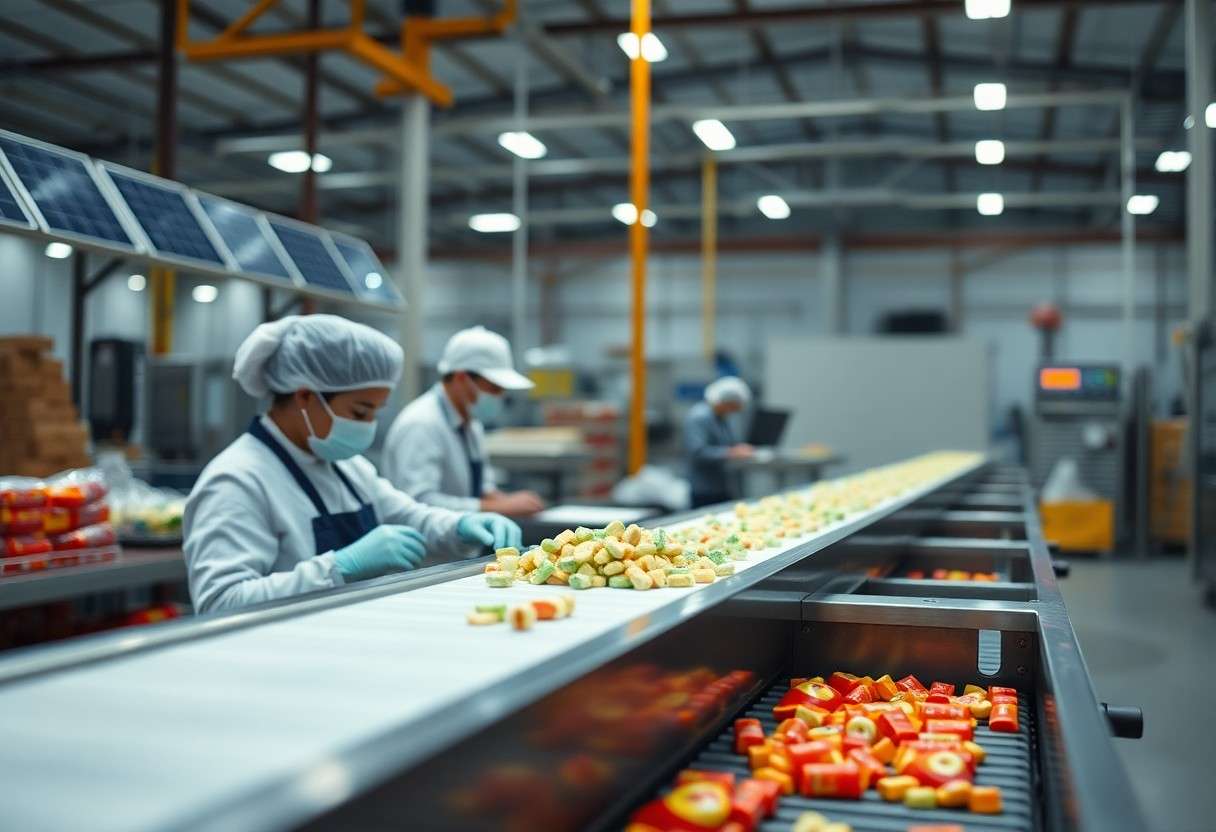
There’s a growing awareness about sustainability in all industries, including candy production. As a consumer, you play an necessary role in this shift towards more eco-friendly practices. This blog post will guide you through the various sustainable practices that candy manufacturers are implementing today, focusing on responsible sourcing, waste reduction, and ethical labor. By understanding these practices, you can make informed choices that not only satisfy your sweet tooth but also align with your values regarding environmental stewardship and social responsibility.
The Importance of Sustainability in Candy Production
Before stepping into the world of candy production, it’s necessary to understand the significance of sustainability in this industry. As consumers grow increasingly conscious of environmental and ethical issues, candy manufacturers are feeling the pressure to adopt sustainable practices. By embracing sustainable methods, you not only contribute to a healthier planet but also enhance your brand’s reputation and appeal to a growing market of eco-conscious consumers.
Environmental Impact
An integral aspect of sustainability in candy production is the consideration of environmental impact. Traditional candy production processes often lead to excessive waste generation, detrimental emissions, and depletion of natural resources. By implementing sustainable practices such as sourcing organic ingredients, utilizing energy-efficient machinery, and reducing water usage, you can significantly minimize your candy production’s ecological footprint. These changes contribute to a healthier environment and resonate with consumers who prioritize eco-friendly products.
Economic Benefits
At the same time, sustainability yields numerous economic benefits for candy producers. When you adopt sustainable practices, you may experience reduced operational costs through efficient resource management and waste reduction. Businesses that invest in sustainable initiatives often find themselves attracting new customers who are willing to pay a premium for environmentally friendly products, ultimately boosting sales and profitability. Moreover, sustainable practices can lead to long-term savings by minimizing the risks associated with regulatory fines and compliance issues related to environmental standards.
Environmental sustainability doesn’t just improve your products; it can also serve as a distinct marketing advantage. By transparently sharing your commitment to sustainable practices, you engage your customers on a deeper level, fostering loyalty and brand trust. This engagement can translate into repeat business and positive word-of-mouth, both of which are vital for your candy production’s continued success in today’s competitive market.
Sourcing Sustainable Ingredients
One of the most impactful ways to foster sustainability in candy production is through the sourcing of sustainable ingredients. This step not only reflects your commitment to environmental and social responsibility but also aligns your product with the values of increasingly eco-conscious consumers. As you explore ingredient sourcing, consider how your choices affect the wider community and environment, and look for suppliers who promote ecological balance and ethical practices in their operations.
Fair Trade Practices
For those seeking to enhance their product’s sustainability credentials, Fair Trade practices offer an effective path. By purchasing ingredients certified under Fair Trade standards, you support farmers and producers who receive fair wages and work in safe conditions. This commitment not only improves their livelihoods but also ensures that they can invest in their communities, whether through education, healthcare, or environmental conservation initiatives. As you source your ingredients, choosing Fair Trade certified options not only bolsters your brand’s ethics but also builds a stronger, more equitable supply chain.
Organic and Non-GMO Ingredients
Behind the trend toward organic and non-GMO ingredients in candy production is a growing awareness of the potential health impacts of synthetic pesticides and genetically modified organisms. By selecting organic ingredients, you prioritize not just the environment—through practices that promote biodiversity and soil health—but also the health of your consumers. Non-GMO ingredients, meanwhile, cater to a market increasingly wary of genetically modified foods, allowing you to appeal to those seeking transparency and quality in their confectionery choices.
Practices surrounding sourcing organic and non-GMO ingredients often require more rigorous certification processes compared to conventional sourcing methods. However, you can take pride in the knowledge that your efforts contribute to a healthier planet and a more trustworthy product. By investing in organic farms and growers who eschew synthetic chemicals, you enhance the flavor profile and quality of your candy, creating a product that not only tastes good but aligns with modern consumer values. Embracing these sourcing strategies not only strengthens your brand’s reputation but also connects you to a network of like-minded producers and consumers dedicated to sustainable practices.
Eco-Friendly Production Processes
Now, it’s clear that eco-friendly production processes play a significant role in the sustainability of candy production. Producers are adopting various innovative methods to minimize their environmental footprint while still delivering the sweet treats that you love. By implementing sustainable practices, they not only ensure a healthier planet but often enhance their brand image, as consumers increasingly value and support environmentally responsible companies.
Energy Efficiency
Among the various aspects of sustainable candy production, energy efficiency stands out as a key component. You may not realize that the candy-making process can be energy-intensive, but companies are actively working to reduce this demand. They are investing in energy-efficient machinery and systems that consume less power, often transitioning to renewable energy sources like solar or wind. By optimizing production schedules and adopting smart technology, these producers not only save on energy costs but also reduce their impact on the environment.
Waste Reduction Strategies
Alongside energy efficiency, waste reduction strategies emerge as another vital element in creating eco-friendly candy. Many manufacturers are re-evaluating their operations to cut back on waste at every stage—from sourcing and production to packaging and distribution. You might be surprised to know that some companies are even implementing a circular economy approach, where by-products from candy production are repurposed for other uses. This not only helps in managing waste but also leads to more sustainable ingredient sourcing and product development.
Strategies for waste reduction go beyond simply minimizing waste generation; they involve a comprehensive review of processes and materials. You will find that some manufacturers are focused on reducing excess packaging, utilizing biodegradable materials, and finding innovative ways to utilize production scraps. Moreover, many companies are exploring collaborations with local food banks or composting initiatives to ensure that edible but unsold products are not wasted. This commitment to sustainability not only benefits the environment but also positions your favorite candy brands as leaders in responsible production.
Packaging Innovations
Not all candy packaging is created equal. As awareness of environmental issues within the candy industry grows, manufacturers are stepping up to explore innovative packaging solutions that align with sustainability goals. Today, companies are leveraging new materials and designs to minimize their environmental impact, while still ensuring that their delightful confections remain protected and visually appealing. When you choose candies with sustainable packaging, you contribute to a larger movement aimed at reducing waste and promoting eco-friendly practices.
Biodegradable Materials
After acknowledging the environmental implications of traditional packaging, many candy producers are turning to biodegradable materials as an alternative. These materials break down naturally over time, minimizing landfill contributions and reducing overall plastic use. Manufacturers are exploring innovative options such as plant-based plastics, compostable films, and even edible wrappers that not only serve a practical purpose but also add an element of fun to the candy experience. By opting for candies packaged in biodegradable materials, you are helping to support these pioneering practices that help protect the planet.
Minimalist Packaging Design
By streamlining packaging design, many candy brands are also reducing their environmental footprint. Minimalist packaging not only simplifies the packaging process, but it often requires fewer materials, which in turn decreases waste. This approach emphasizes important information and visual appeal without the added bulk of excessive layers or decorative elements. As you choose your favorite treats, you may find that minimalist packaging can lead to a fresher concept of candy presentation—where simplicity reigns, and the focus is on the quality of the product itself.
Understanding minimalist packaging design’s benefits further cements your support for sustainability in the candy industry. By reducing the amount of material used, you can help diminish the overall demand for packaging production and the resources it consumes. This expedient shift not only encourages a cleaner aesthetic but also challenges manufacturers to think critically about their packaging choices. When you seek out candies enveloped in minimalist designs, you aren’t just indulging your taste buds; you are also championing a better future for our planet by promoting thoughtful consumer habits.
Consumer Demand for Sustainable Candies
Keep in mind that the candy industry is experiencing a significant shift, as more consumers demand sustainable options that reflect their values. You may have noticed the rise of eco-friendly packaging, ethically sourced ingredients, and brands that prioritize environmental responsibility. This trend isn’t just a passing fancy; it is driven by an increasing awareness of global sustainability challenges and a desire to support brands that align with your ethics. As you navigate the candy aisle, you can expect to find a range of products that not only satisfy your sweet tooth but also contribute positively to the planet.
Trends in Consumer Behavior
An important aspect shaping your purchasing decisions is the growing trend toward health-conscious and environmentally friendly choices. You may increasingly lean towards candies that are organic, free from artificial ingredients, or packaged in biodegradable materials. This shift signals a broader commitment to personal health and environmental sustainability, compelling manufacturers to adapt their practices accordingly. As a result, when you choose sustainable candies, you’re also supporting a larger movement towards better practices in the candy industry.
The Role of Education and Awareness
At this juncture, education and consumer awareness play a key role in influencing your choices. As you become more informed about the environmental impacts of candy production, you may find yourself gravitating towards brands that prioritize sustainability. This growing awareness encourages manufacturers to disclose information about their sourcing and production processes, leading to more transparency in the industry. The connection between knowledge and consumer preference demonstrates how empowered you can be when you understand the implications of your purchases.
Indeed, as awareness around sustainability grows, so does the emphasis on educating yourself about the brands you support. Many companies are taking steps to inform their consumers about their practices through storytelling, certifications, and community engagement. This empowerment enables you to make choices that not only bring you satisfaction but also align with your ethical standards. By prioritizing education, you can foster a more sustainable candy industry, ultimately influencing the market toward better practices. In turn, your purchasing decisions can drive positive change, reinforcing the demand for sustainable options.
Case Studies of Sustainable Candy Brands
Despite the challenges faced by the candy industry in adopting sustainable practices, several brands have emerged as leaders in this area, demonstrating how environmental responsibility can be integrated into production methods. Below are notable case studies that highlight their innovative approaches:
- Alter Eco: This brand focuses on fair trade sourcing, providing farmers with fair wages. They have reduced their carbon footprint by 60% through the use of biodegradable packaging and a commitment to using renewable energy sources.
- Endangered Species Chocolate: Committed to species conservation, this brand donates 10% of its net profits to wildlife preservation. They utilize sustainable, organic chocolate and plant trees to balance their carbon emissions, aiming to plant half a million trees by 2025.
- Chococo: This UK-based company uses locally sourced ingredients and offers a range of vegan options. They have implemented a program for 100% recyclable packaging, reducing their waste by over 30% in the past year.
- UNREAL Snacks: Rather than using artificial ingredients, they focus on natural, non-GMO products. Their manufacturing plants use wind energy, contributing to a reduction of their operational footprint by 50%.
Success Stories
Between various brands, the progress made toward sustainable candy production is noteworthy. You might find it inspiring that Alter Eco has not only aligned its business practices with sustainability but has also achieved various sustainability certifications, allowing them to fully capitalize on the increasing consumer demand for eco-friendly products. Parallelly, Endangered Species Chocolate’s efforts have not only increased brand loyalty but have also engaged customers in meaningful ecological contributions through their conservation efforts, resulting in an impressive growth rate of 20% year over year.
Furthermore, you’ve likely noticed how Chococo’s decision to focus on local ingredients has minimized transportation emissions and bolstered the local economy, connecting the brand more closely to its communities. Their commitment to recyclable packaging has attracted a loyal following, driving sales that have surged by 30% in recent years. These examples showcase the measurable impacts of prioritizing sustainability while simultaneously enhancing brand reputation.
Lessons Learned
By analyzing these case studies, we can extract valuable insights that can be applied across the candy industry. Many of these successful brands have shown that integrating sustainability not only benefits the environment but also positively influences consumer perception and sales. You may find it interesting that consumer preferences have shifted towards products with transparent sourcing and minimal environmental impact, prompting brands to innovate their practices to meet these expectations.
Further exploring these lessons, it’s evident that consumers are more likely to support businesses that demonstrate commitment to sustainability. This engagement fosters brand loyalty and can significantly enhance profitability. As you reflect on these case studies, consider how your own practices, whether in business or personal consumption, can align with the ideals of sustainability, benefitting both the planet and the economy in the long run.
Summing up
On the whole, embracing sustainable practices in candy production today is not just beneficial for the environment but also vital for the future of the industry. You have the power to support brands that prioritize eco-friendly sourcing, reduce waste, and implement ethical labor practices. By choosing these products, you contribute to a collective movement that holds manufacturers accountable for their environmental impact while promoting better treatment of workers throughout the supply chain.


