The Amazing Journey of Bubble Gum
Over the years, bubble gum has evolved from a simple chewing substance into a beloved treat enjoyed by people of all ages. You may be surprised to learn about i

This article contains Amazon affiliate links. As an Amazon Associate, CandiesAndSweets earns from qualifying purchases.
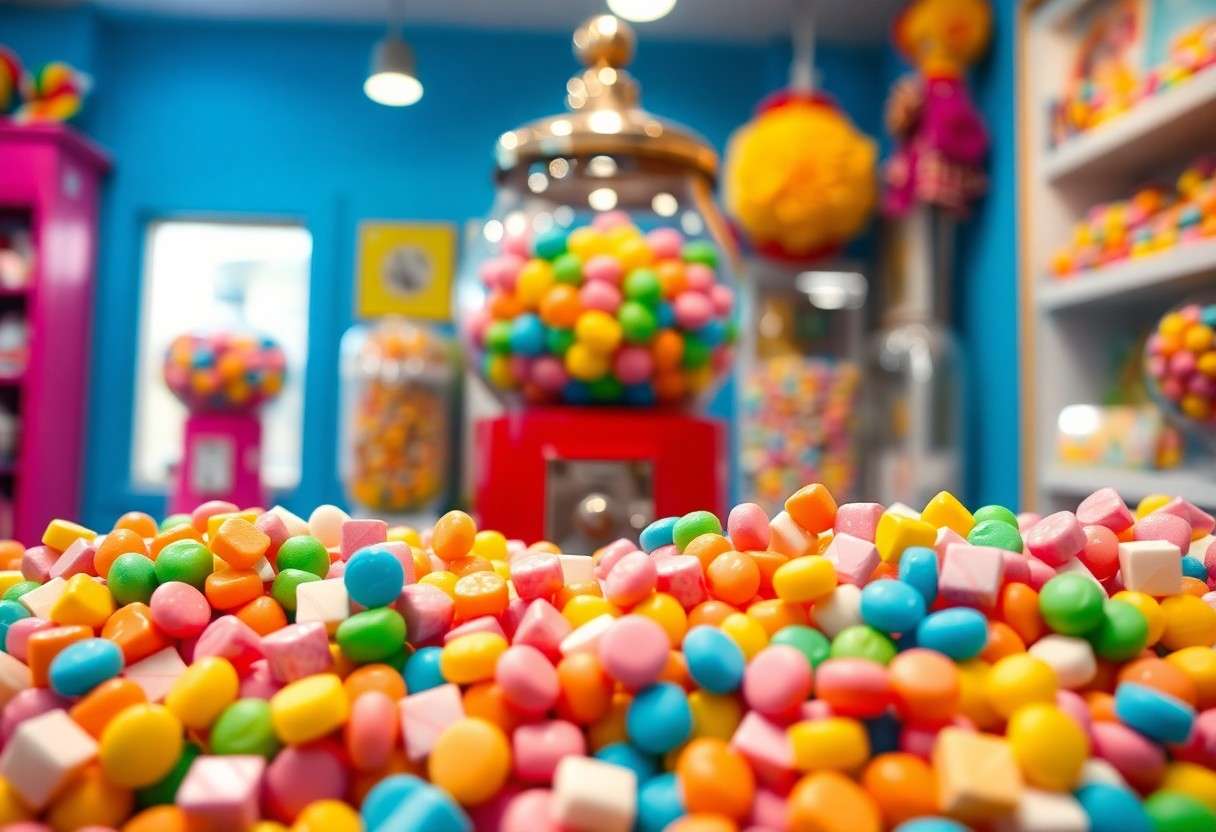
Over the years, bubble gum has evolved from a simple chewing substance into a beloved treat enjoyed by people of all ages. You may be surprised to learn about its intriguing origins, significant breakthroughs in flavor and texture, and the cultural impact it has had worldwide. In this blog post, you will uncover the fascinating history and science behind bubble gum, exploring how it became a staple in your favorite candy shops and everyday life. Get ready to chew on some interesting facts that will deepen your appreciation for this delightful confection!
The Unlikely Origins of Bubble Gum
The Invention of Gum: A Sweet Idea
Long before bubble gum graced store shelves, various cultures chewed on natural resins and gums. The ancient Greeks famously chewed mastic, a resin from the mastic tree, while Native Americans extracted sap from the spruce tree, creating a rudimentary form of chewing gum. Your taste buds might not have experienced these ancient flavors, but they set the foundation for what would later evolve into the sweet, flavored products we love today. The innovation and creativity of those early gum enthusiasts paved the way for modern gum, illustrating how basic ingredients can transform into beloved treats.
The Transformation from Chicle to Chewing Gum
The journey from natural gum to bubble gum began with the discovery of chicle, a natural gum harvested from the sapodilla tree in Central America. In the late 19th century, American inventor Thomas Adams experimented with chicle when he sought a replacement for rubber. He soon realized that this natural substance could be molded into a chewy confection. After successful trials, Adams launched his own brand, contributing to the popularization of chewing gum. Audiences were captivated by this new treat, which offered both entertainment and flavor, marking the birth of an industry that would thrive for generations.
As bubble gum took shape, manufacturers started experimenting with different flavors, making it even more appealing to consumers. The iconic pink hue emerged when Franklin M. Mamor decided on that particular color, finding it visually appealing while working with various formulations. The transformation you see from chicle to modern chewing gum embodies not just an evolution in flavor and packaging, but also an enduring nostalgia that continues to resonate with fans of all ages.
How Bubble Gum Became a Cultural Icon
The Roaring Twenties and the Rise of Popularity
As the Roaring Twenties surged forth, bubble gum’s popularity began to climb dramatically, captivating the hearts of the youth across America. This decade was marked by economic prosperity, jazz music, and a cultural explosion, which created the perfect environment for bubble gum to take center stage. Flavors like peppermint and cinnamon were introduced, capturing the taste buds of an adventurous generation eager to embrace novelty. You could walk into any five-and-dime store and find bubble gum as a favorite treat among children and adults alike, often associated with the carefree spirit of the time.
The introduction of colorful packaging and appealing marketing strategies transformed bubble gum from a simple confection into a social staple. One notable event was the release of “Double Bubble” in 1928, which not only expanded the flavor options but also pioneered the idea of making bubble-blowing an art form. This simple pastime now had a name and a place in the pop culture narrative, as kids flocked to demonstrate their best bubble-blowing skills as a badge of honor.
Impact on Music and Movies: Bubble Gum’s Pop Culture Presence
The influence of bubble gum extended beyond mere confection; it permeated music and cinema in ways that redefined youth culture in the mid-20th century. The term “bubblegum pop” emerged to describe a catchy and upbeat genre of music that resonated with younger audiences, characterized by simple melodies and sing-along lyrics. Groups like The Archies emerged in the late 1960s, with their hit “Sugar, Sugar,” which was not just a song but a cultural phenomenon tying the joy of bubblegum with musical storytelling. Your favorite radio stations soon filled up with these bouncy tunes, and bubble gum became synonymous with carefree youthful enjoyment.
Movies soon followed suit, with films depicting gum-chewing teenagers in iconic scenarios such as high school romances and summer fun, further solidifying bubble gum’s role in teenage identity and expression. The presence of bubble gum in these films contributed to its status as a cultural emblem of youth rebellion and freedom, symbolizing a breakaway from tradition. Each pop and chew encapsulated exuberance, marking moments you can still recall from your favorite films, reinforcing the connection between this sugary treat and burgeoning youth culture.
This pop culture intersection didn’t stop at music and movies; it sparked a wave of merchandise, iconic advertising campaigns, and even themed events that underscored bubble gum’s vibrant legacy. You might remember the cheerful mascots and jingles that evoked memories of carefree afternoons spent chewing your favorite flavors, creating a nostalgic aura that endures through generations. All these elements combined propelled bubble gum into a cultural icon, serving as a medium through which creativity and expression flourished during pivotal moments in history.
Behind the Scenes: The Manufacturing Process
Ingredients That Make Chewing Fun
The composition of bubble gum is a blend of several key ingredients that contribute to its delightful chewiness and elasticity. Gum base plays the leading role, providing that chewy texture you love, made from a combination of natural and synthetic rubbers, resins, and waxes. Sweeteners, whether sugar or sugar substitutes like xylitol, enhance the flavor profile, making each bite pleasurable. Other components include glycerin, which retains moisture, and emulsifiers to keep the blend harmonious. All of these elements work together to create the satisfying chew you experience in every piece of bubble gum.
The Art of Flavor: Creating Unique Blends
Flavor innovation is a critical aspect of bubble gum production, and there’s an art to how manufacturers develop distinctive tastes. Expert flavorists begin by analyzing consumer preferences, experimenting with various combinations of natural and artificial flavors. They often layer flavors to create depth and complexity that intrigue your palate. For example, a simple strawberry flavor can be enhanced with notes of vanilla or citrus, transforming your chewing experience into something memorable.
Creating a new flavor involves rigorous testing and sensory evaluation. A multi-step process includes blending, tasting, and refining until the perfect balance is achieved. Companies might run surveys or focus groups to gather direct feedback from consumers, helping them journey back to the drawing board to fine-tune any flavors that need additional work.
Incorporating novel ingredients can lead to unexpected but delightful results. Some brands experiment with superfoods or herbal notes, tapping into health trends while still making sure that taste is paramount. The process of finding your next favorite flavor is a fascinating blend of science and creativity, all designed to make your chewing experience as enjoyable and unique as possible.
The Science of Chewing: Benefits and Risks
The Psychological Perks of Chewing Gum
Chewing gum has been shown to trigger the brain’s reward system, leading to an increase in serotonin levels which can boost your mood and cognitive functions. This shift may also enhance focus during tasks requiring concentration, acting as a subtle form of self-stimulation that keeps you engaged. Studies suggest that people who chew gum report feeling happier and more alert compared to those who do not, providing a simple yet effective way to elevate your state of mind throughout the day.
Moreover, the rhythmic act of chewing can serve as a stress reliever, akin to mindful meditation. For many, it offers a familiar, comforting experience that minimizes anxiety. If you’ve ever found yourself instinctively reaching for your favorite flavor during tense situations, you’re not alone; many people utilize gum as a coping mechanism, illustrating its multifaceted psychological benefits beyond mere enjoyment.
Health Considerations: Myths vs. Facts
The landscape of chewing gum is rife with misconceptions, particularly regarding its health implications. Some people fear that regular gum chewing leads to digestive issues or jaw problems like TMJ (Temporomandibular Joint Disorder). However, research indicates that moderate consumption is generally safe for most individuals. In fact, sugar-free gums can even promote oral health by stimulating saliva production, which in turn helps neutralize harmful acids and wash away food particles.
Another common misconception is that chewing gum contributes to weight gain. The truth is that certain types of gum can assist in curbing cravings and reducing snacking. For example, by focusing on chewing gum for a few minutes, you may find that your desire for high-calorie treats diminishes, providing a helpful tool in managing your dietary habits. This demonstrates that while moderation is key, incorporating chewing gum into your routine can lead to positive lifestyle choices.
The Future of Bubble Gum: Innovations and Trends
Eco-Friendly Developments and Sustainability
Your concern for the environment has influenced the bubble gum industry, leading to innovative approaches that prioritize sustainability. With a growing awareness around plastic waste, manufacturers are exploring biodegradable and compostable gum bases. For instance, brands like Simply Gum have introduced options that use natural ingredients, completely free from synthetic additives. Additionally, these developments often include eco-friendly packaging, creating a holistic approach toward reducing their carbon footprint. Research into plant-based materials continues to show promise, offering consumers a guilt-free chewing experience.
The shift toward sustainable production processes isn’t just a trend; it represents a fundamental shift in how gum is viewed in your daily life. You may have noticed brands incorporating recycled materials into their packaging or implementing carbon offset programs. The desire for eco-conscious products aligns with an increasing consumer demand for transparency in sourcing and production, setting the stage for a greener future in the world of chewing gum.
The Rise of Functional Gums: From Energy Boosts to Oral Health
The evolution of chewing gum has embraced functionality, resulting in a surge of products designed to serve specific health needs. You might already be familiar with gums fortified with vitamins or minerals that offer an energy boost or those with added probiotics aimed at enhancing gut health. As scientific research continues to advance, you’ll find products that address oral health concerns, such as natural whitening agents or gums fortified with xylitol, which has been shown to help reduce cavities and support overall dental hygiene.
In exploring functional gums, you encounter a blend of traditional chewing pleasure and tangible health benefits. From stress-relief options infused with calming ingredients to gum designed to curtail cravings and aid in weight management, the market is increasingly catering to those who want more than just flavor in their chewing experience. You also see brands collaborating with health professionals, creating gums that pack a nutritional punch, offering you on-the-go wellness solutions in a format that is both enjoyable and convenient.
Summing up
To wrap up, you’ve explored the fascinating history and evolution of bubble gum, from its origins as a simple chewing gum to its transformation into the playful pastime that brings joy to people of all ages. You have learned about the ingenious minds behind its creation and the various flavors that have delighted taste buds over the decades. Now, with this knowledge, you can appreciate not only the enjoyment that comes from chewing bubble gum but also the cultural significance it has held through the years.
Furthermore, your journey through the science of bubble gum—how it’s made and the chemical properties that allow for its stretchy characteristics—enhances your understanding of this beloved confection. By recognizing the craftsmanship and creativity involved, you gain a deeper respect for this simple pleasure that has become a staple of everyday life. Whether blowing bubbles or simply savoring a piece, you now partake in an experience rich with history and innovation.


