The Impact of Candy on Popular Culture
Over the years, candy has transcended mere indulgence to become a powerful symbol within popular culture. You might be surprised to find how deeply intertwined

This article contains Amazon affiliate links. As an Amazon Associate, CandiesAndSweets earns from qualifying purchases.
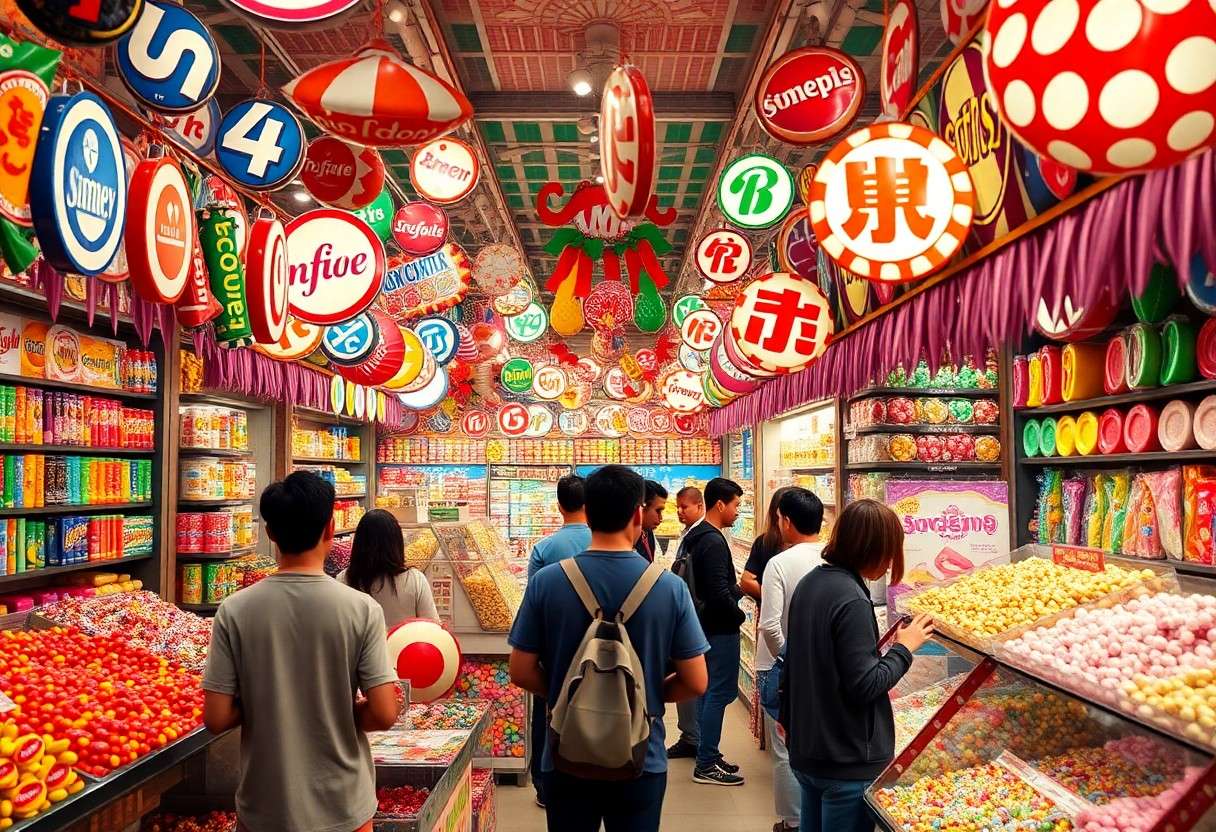
Over the years, candy has transcended mere indulgence to become a powerful symbol within popular culture. You might be surprised to find how deeply intertwined candy is with societal trends, marketing strategies, and even celebrations. From iconic brands that have shaped your childhood memories to the way candy influences music, movies, and fashion, its impact is far-reaching and multifaceted. By exploring these connections, you can gain a greater appreciation for how something as simple as a sweet treat can reflect and shape societal values.
Sugar and Symbols: Exploring Candy’s Role in Iconic Media
The Sweet Influence on Film and Television
Candy has a unique way of capturing emotions and symbolizing experiences in film and television. Take a classic like “Willy Wonka & the Chocolate Factory,” where the whimsical world of chocolate and candy represents both the joys of childhood and the pitfalls of greed. Each candy creation serves as a narrative device, guiding you through themes of imagination and morality. Whether it’s the overindulgent Augustus Gloop or the imaginative Charlie Bucket, candy not only flavors the storyline but also amplifies the deeper lessons embedded within the narrative. Similarly, in shows like “Stranger Things,” the iconic Eggo waffles symbolize the nostalgia of the past while also connecting you to the 80s theme that permeates the series, showcasing how food, including candy, evokes powerful feelings of nostalgia and belonging.
Moreover, candy often becomes a symbol of celebration or rebellion, reflecting cultural attitudes and societal norms. In “E.T. the Extra-Terrestrial,” the Reese’s Pieces serve as an invitation to friendship and adventure, demonstrating how something as simple as candy can bridge gaps between differences, leading to unforgettable interactions. You can see how such cinematic moments have solidified the place of candy in popular culture, encouraging viewers not only to recall their candy memories but also to connect to the film’s larger themes.
Candy as a Cultural Touchstone in Music
Beyond just the lyrics, candy’s presence in music videos and performances elevates the entire experience. In Katy Perry’s “California Gurls,” the candy-coated imagery and whimsical costumes create a dazzling visual feast that pairs perfectly with the song’s light-hearted, carefree vibe. Furthermore, artists often use candy-themed merchandise or collaborations to reinforce their brand, creating a linkage between their musical identity and the nostalgic elements of candy culture. This interplay showcases how candy transcends mere consumption and evolves into a vivid cultural touchstone that shapes your musical tastes and connects you to broader societal themes.
Branding and Marketing: The Sugar Rush of Consumer Culture
The Evolution of Candy Advertising Through the Decades
As candy has woven itself into the fabric of daily life, its marketing has evolved significantly alongside cultural shifts. In the early 20th century, print ads featured vibrant illustrations and catchy jingles, enticing consumers with the simplicity of sweet treats. The introduction of radio and television in the mid-century allowed brands like M&M’s and Tootsie Roll to create memorable commercials, which not only highlighted the product but also crafted a narrative around them. A noteworthy example is the iconic M&M’s “Melts in Your Mouth, Not in Your Hands” slogan, which launched in the 1950s and remains synonymous with the brand. The 1980s and 90s brought a new wave of creativity, as characters like the Tootsie Pop owl and the Skittles “Taste the Rainbow” campaign captured the imagination of audiences and solidified brand identities.
In recent years, digital platforms have transformed the candy advertising landscape. Social media has emerged as a powerful tool for engagement, enabling brands to reach younger demographics through authentic interactions and user-generated content. For instance, the success of viral challenges and campaigns—think of the “#sourchallenge” using Sour Patch Kids—demonstrates how contemporary marketing strategies rely on relatable content and influencer partnerships to resonate with consumers. As you engage with your favorite brands online, it’s clear that the candy industry continues to adapt, ensuring that marketing not only sells a product but also builds a community around shared experiences.
Celebrity Endorsements and Collaboration Trends
Over the years, candy brands have turned to celebrity endorsements to amplify their reach. Icons like Justin Bieber partnering with Tim Hortons to create a donut inspired by his favorite candy, or Reese’s collaborations with famous chefs, showcase how merging celebrity with sweets can create buzz and capitalize on fandoms. These partnerships not only draw attention but also appeal to the emotional investment fans have in these figures, leading to increased product visibility and often, a surge in sales.
The strategy of integrating celebrity endorsements into candy marketing has evolved from simple advertisements to intricate collaborations. You may find limited-edition releases or unique flavor profiles tied to a celebrity’s brand, blurring the lines between candy and culture. For example, in 2021, the collaboration between brands like Dunkin’ and candy giant Hershey resulted in a line of coffee flavors inspired by iconic candy bars. Such partnerships leverage the unique selling power of both the celebrity and the confection, ensuring that candy isn’t just a treat, but part of a broader lifestyle narrative. As candy becomes more intertwined with celebrity culture, you can expect these trends to continue shaping the evolution of the confectionery market.
Nostalgia and Memory: How Candy Shapes Our Experiences
The Connection Between Candy and Childhood Memories
Your earliest memories are often tinged with the sweetness of candy—an experience that transcends mere taste. Consider the warm glow of summer days spent at county fairs, where candy apples and cotton candy were necessary treats, signaling the joy of youth. Such sugary delights often serve as markers of special occasions and milestones, shaping the narrative of your childhood. As you savor those familiar flavors, they ignite vivid recollections of carefree afternoons, shared laughter with friends, and the thrill of waiting for the next candy bar to be unwrapped. Each bite becomes a portal to the past, reinforcing the bond between candy and memory.
Generational Shifts in Candy Consumption and Sentiment
The Intersection of Health Trends and Candy Consumption
Alongside the enjoyment of sweet treats, rising health trends have begun to reshape the candy landscape significantly. You may have noticed the surge in popularity of sugar-free and low-calorie alternatives, often sweetened with natural options like stevia or monk fruit. This shift is not just a fad but a response to growing consumer awareness around health and wellness, marked by an increasing number of adults actively monitoring their sugar intake. In fact, a report from the International Food Information Council revealed that 56% of Americans are trying to limit added sugars in their diets. As brands adapt, you find yourself with an array of choices that cater to both your sweet tooth and your health-conscious lifestyle.
Moreover, the quest for transparency has driven companies to innovate with ingredients and marketing strategies that highlight their commitment to health. Brands are increasingly emphasizing clean labels, organic ingredients, and ethical sourcing. The introduction of superfood-infused candies, packed with nutrients and free from artificial additives, is an excellent example of this trend. When you choose a candy labeled with claims like “keto-friendly” or “high in fiber,” you are participating in a changing culture that seeks to align indulgence with overall wellness.
The Rise of Alternative Sweets: Health-Conscious Innovations
The expanding market for alternative sweets illustrates how the candy industry is evolving to meet your health preferences. Innovative companies have introduced treats that cleverly replace traditional sugars with natural sweeteners while maintaining delicious flavors. You’re likely to find candies infused with superfoods such as chia seeds, spirulina, or even adaptogens, catering to a demographic that desires guilt-free indulgence. For instance, brands like SmartSweets offer gummies that boast significantly lower sugar content, appealing to both parents concerned about their children’s diets and adults looking to satisfy cravings without the calorie overload.
This fusion of health and indulgence has reshaped your choices beyond the conventional candy aisle. Now, products are marketed not just for their sweetness but also for potential health benefits, appealing across age groups. You might notice brands leveraging the “better-for-you” narrative to attract a demographic that historically may have avoided sugary confections, thus broadening the consumer base and unlocking new revenue streams in a traditionally indulgent market.
Social Movements and the Advocacy for Responsible Consumption
The conversation surrounding candy consumption has evolved with the rise of social movements advocating for responsible eating habits. You’re seeing a growing call for the candy industry to take accountability not just for health but also for social responsibility and environmental sustainability. Movements encouraging informed consumption not only emphasize the nutritional aspects of candy but also spotlight the ethical implications of sourcing ingredients and the impact of packaging on the environment. As a consumer, you are more empowered than ever to make choices that reflect your values, opting for brands that prioritize sustainable practices and transparency in their marketing.
As awareness about health and environmental issues continues to grow, advocacy groups are addressing the global impact of overconsumption and the role sugary candies play in the broader context of public health. The rise of social media has amplified these messages, with influencers and activists promoting a less-is-more philosophy that resonates with consumers seeking balance. Efforts by groups to motivate brands to adopt better ingredients and ethical practices have started to influence companies, leading them to reformulate products and invest in environmentally friendly initiatives. You, as a consumer, are no longer just passively consuming but participating actively in shaping a more responsible industry.
Candy in the Narrative of Fashion and Lifestyle
Sweet Inspirations in Design and Aesthetics
Candy’s vibrant colors and playful forms have been a significant source of inspiration in the world of fashion and design. Designers frequently pull elements from candy, integrating bold hues like bubblegum pink or lemon yellow into their collections. Notably, fashion icons such as Jeremy Scott have embraced candy-themed motifs, where garments resemble giant gummy bears or colorful confectionery wrappers. These playful designs not only capture attention but also evoke a sense of joy and whimsy that resonates with consumers seeking to express individuality through attire.
Your home decor can also reflect the candy-inspired aesthetics that fill the closets of the fashion-forward. From pastel-toned furniture to wall art featuring candy illustrations, there’s a movement toward incorporating sweet motifs into everyday living spaces. Such design choices are evident in limited-edition collaborations, where brands create home goods infused with candy aesthetics – think of the limited releases by artists like Yayoi Kusama featuring polka-dotted treats. These products invite you to relish in the aesthetics of joy while blurring the lines between culinary delight and visual expression.
The Role of Candy in Seasonal Celebrations and Lifestyle Trends
Candy has an unrivaled presence during seasonal celebrations, often serving as the centerpiece of various traditions. Halloween, for instance, transforms neighborhoods into wonderlands of sugary delights, as children trick-or-treat, filling their bags with a treasure trove of candy. Sales reports show that Americans spend more than $3 billion on Halloween candy alone each year, revealing just how integral these sweet treats are to festive rituals. The act of sharing candy, whether through trick-or-treating or family gatherings, reinforces community bonds and leads to shared experiences filled with sweetness.
Not limited to Halloween, other holidays also amplify the role of candy in lifestyle trends. Easter would be incomplete without chocolate eggs or jellybeans, and Valentine’s Day revolves around heart-shaped boxes filled with confections. Furthermore, the rise of social media has turned candy into a viral trend, with themed candies gracing feeds and inspiring elaborate candy buffets at parties. This visibility elevates the humble treat from a simple indulgence into a cultural icon, redefining what lifestyle celebrations look like today. As you navigate these seasonal events, think about how the presence of candy not only elevates the ambiance but also fosters connections with others through shared tastes and experiences.
Final Words
Hence, you can see that the impact of candy on popular culture extends far beyond mere indulgence. It intersects with various aspects of life, including marketing, music, and social interactions. As you navigate through the diverse landscapes of advertising and entertainment, you’ll likely come across countless references to candy, illustrating its ability to evoke nostalgia and create emotional connections. This familiarity not only enhances the allure of candy but also underscores its role as a cultural touchstone. As you explore these connections, you can appreciate how candy has become an integral part of celebrations, festivities, and even daily life.
Furthermore, candy influences trends and inspires creativity across numerous platforms. Whether you’re enjoying a movie featuring candy-laden scenes or participating in a candy-themed social media challenge, you’re contributing to a broader narrative that celebrates this beloved treat. By understanding the multifaceted ways candy shapes popular culture, you can engage with it from a more informed perspective, recognizing its significance and the joy it brings to countless individuals. Your experiences with candy are not just personal; they are part of a larger cultural phenomenon that continues to evolve and delight.


