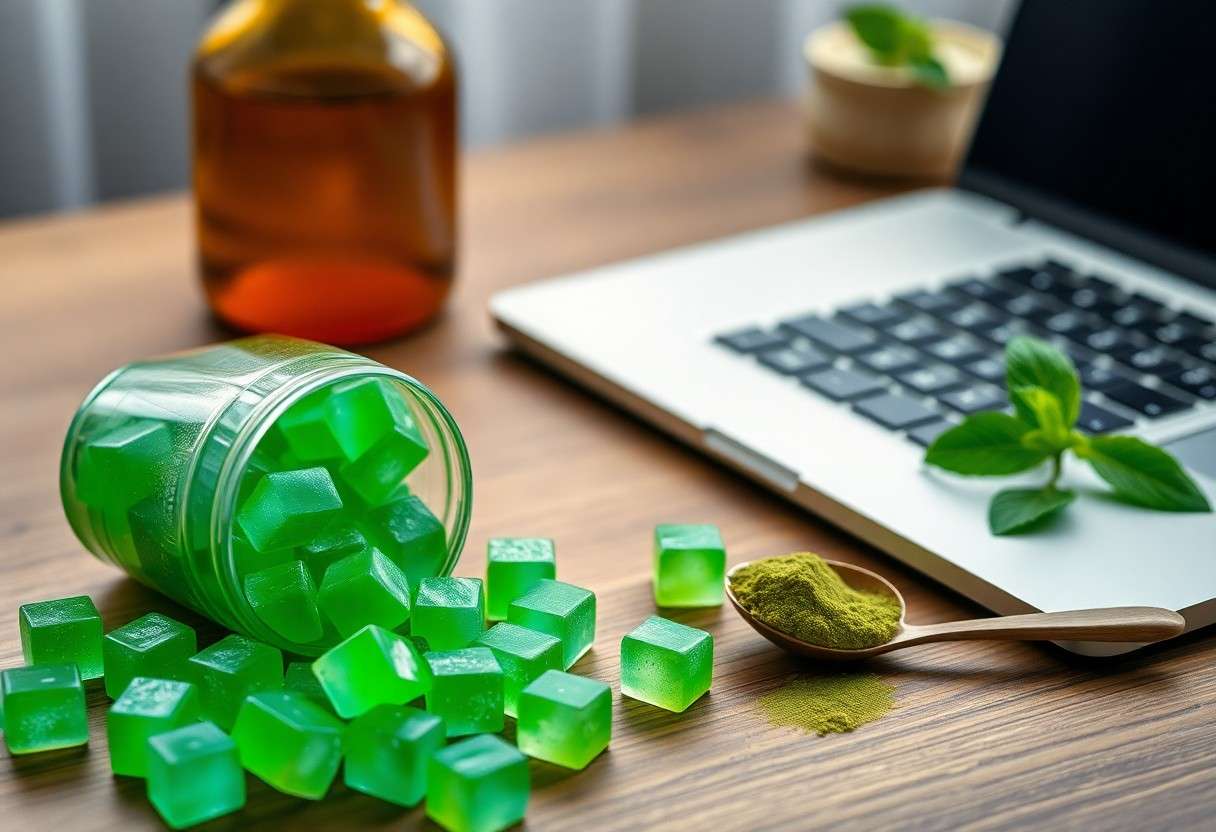
The Magic of Homemade Candy Making
With the allure of sweet treats and the excitement of creativity, homemade candy making offers you a delightful way to indulge your taste buds while honing your

This article contains Amazon affiliate links. As an Amazon Associate, CandiesAndSweets earns from qualifying purchases.

With the allure of sweet treats and the excitement of creativity, homemade candy making offers you a delightful way to indulge your taste buds while honing your culinary skills. This engaging process not only allows you to customize flavors and ingredients according to your preferences but also provides a fantastic opportunity to create memorable gifts and share joy with family and friends. You’ll discover that the world of candy making is both rewarding and enchanting, inviting you to explore a variety of techniques that yield scrumptious results.
The Alchemy of Ingredients: Transforming Sugar into Sweets
Essential Ingredients for Candy Mastery
Your candy-making journey begins with a few key ingredients that serve as the foundation for all your sweet creations. At the core is sugar, the star of the show, which comes in various forms such as granulated sugar, brown sugar, and corn syrup. Each type brings its own unique flavor and texture, altering the final product. For example, brown sugar adds a rich, molasses-like taste, while corn syrup helps prevent crystallization, ensuring a smooth finish in candies like caramels or taffy. Flavorings like vanilla, peppermint, or fruit extracts can also amplify your candy’s taste profile, delivering that memorable burst of flavor with every bite.
Another vital component is fat, often included in recipes for chocolates and caramels. Butter or cream adds richness and creaminess, while also influencing the texture of your confections. Acids such as lemon juice or cream of tartar can prevent crystallization and enhance flavors too. You’ll also want to consider additives like citric acid for a sour kick or food coloring to make your candies visually appealing. Each element has its role in achieving the perfect balance of sweetness, flavor, and texture, ultimately determining the success of your candy-making endeavors.
Ingredient | Purpose
—|—
Granulated Sugar | Main sweetener, foundational ingredient
Brown Sugar | Adds richness and moisture
Corn Syrup | Prevents crystallization
Butter/Cream | Provides richness, enhances texture
Flavorings | Improves taste profile
Acids (e.g., lemon juice) | Prevents crystallization, enhances flavor
The Role of Temperature and Timing in Candy Making
The science of candy-making relies heavily on temperature control. Different types of candies require specific cooking temperatures to achieve desired textures, ranging from soft caramels to hard candies. For example, soft candy might require a temperature of around 240°F, while hard candy needs to reach a decisive 300°F. Using a candy thermometer helps eliminate the guesswork and allows for precision. Timing also plays a significant part—the moment you remove the candy from heat can influence its final texture.
A slight deviation in temperature can completely alter your confection. For instance, cooking sugar too long can lead to bitter flavors, while undercooked sugar will remain soft and chewy, failing to set correctly. Knowing when to pour your mixture can mean the difference between a glossy fudge and a granulated disaster. Mastering these techniques requires patience and practice, but the rewards are undeniably sweet.
Temperature (°F) | Candy Type
—|—
234-240°F | Soft ball stage (e.g., fudge, caramels)
250-265°F | Hard ball stage (e.g., pralines)
270-290°F | Soft crack stage (e.g., taffy)
300°F and above | Hard candy
When you understand the principles behind temperature control and timing, candy making becomes a skill rather than a gamble. Utilize a reliable candy thermometer for accuracy, and be vigilant about your cooking times. Each stage affects the sugar structure, determining whether your candy will break easily or stretch beautifully. For those enthusiastic about the alchemy of homemade sweets, grasping these concepts is your gateway to becoming a true candy master.
Temperature Regulation Technique | Recommended Method
—|—
Constant Monitoring | Use a digital candy thermometer to track temperature
Visual Cues | Pay attention to color changes as sugar cooks
Timing Precision | Have a timer handy to avoid overcooking
Cooling Practices | Remove from heat promptly to prevent further cooking
Techniques that Create: The Art of Candy Preparation
Confectionery Techniques: From Boiling to Molding
Mastering the fundamental techniques of candy making is vital to achieving that perfect texture and flavor. One of the primary methods involves boiling your ingredients to create a syrup; this process requires precise temperature management. For example, using a candy thermometer to gauge when your mixture reaches the soft-ball stage at around 235°F (113°C) is crucial when making fudge or caramel. As you become more familiar with these temperature stages—such as hard crack or soft crack—you’ll be able to craft a variety of candy styles, from chewy taffy to brittle hard candies.
Molding, on the other hand, allows you to define the shape and look of your candies. Silicone molds are particularly popular for their flexibility and ease of use, enabling you to create everything from chocolate shapes to gummy bears. Simply pour your prepared mixture into the molds and let it cool. You might find that experimenting with different techniques, such as enrobing chocolate or adding inclusions like nuts or dried fruits, elevates your homemade sweets and showcases your creativity.
Common Tools Every Candy Maker Needs
Your candy-making toolkit can make or break your confectionery efforts. Essential tools include a reliable candy thermometer, which ensures you’re hitting those precise temperatures needed for successful candy outcomes. A heavy-bottomed pot is crucial for even heat distribution when boiling syrups and mixtures, preventing any scorched sugar disasters. Silicone spatulas are invaluable when it comes to scraping down the sides of your pots without risking scratches, while high-quality silicone molds allow for easy demolding and striking shapes. A scale assists with measuring ingredients accurately, ensuring your ratios are spot on for consistent results.
In addition to these crucials, investing in a good-quality stand mixer can be a game changer, especially when making things like meringue-based candies or whipped centers. Have a few piping bags and tips on hand for detailed decoration or for filling molded candies with gooey centers. Last but not least, consider a cooling rack, as it allows air to circulate around your treats, helping them set uniformly. By gathering these tools, you set yourself up for an efficient and enjoyable candy-making adventure.
Flavor Explosion: Crafting Unique Candy Recipes
Creative Flavor Combinations to Try
Exploring flavor combinations can elevate your homemade candy from ordinary to extraordinary. Consider pairing traditional ingredients with unexpected twists; for instance, mixing lavender with lemon can bring out a bright yet soothing flavor profile in your hard candies. Alternatively, a spicy chocolate caramel may catch your guests off-guard in the best way possible. Each blend opens a door to a new sensory experience, where sweet meets savory in delightful harmony. Go bold by adding ingredients like tart hibiscus or a punch of fresh ginger for a refreshing candy surprise that will tantalize taste buds.
Fruits also play a pivotal role in crafting unique candies. Combining fruits like passion fruit with chili flakes or rosemary can yield an enticing sweet-and-spicy treat that lingers on the palate. For a more complex flavor, try creating a candy with maraschino cherry and almond essences, merging the vibrant tartness of the fruit with the aromatic notes of almonds. Mixing textures, such as crunchy nuts or chewy caramel with tangy fruit flavors, can also add an exciting visual and tasting dimension to your creations.
Incorporating Spices and Extracts for an Extra Kick
Integrating spices and extracts into your candy recipes can truly set your treats apart. A small dash of cinnamon not only adds warmth to chocolate but rounds out the flavor beautifully. For a wintery delight, consider making peppermint bark, laced with crushed candy canes and a few drops of peppermint extract to enhance the cooling sensation. Vanilla, a classic favorite, can also be mixed into fruit-flavored candies to create a richer flavor baseline that complements and balances sharp acidity.
This is where you can really experiment with your palate. Consider trying unusual spices like cardamom or star anise in your fudge or chocolate-covered nuts. A sprinkle of chili powder mixed into sweet coconut candy can also create a captivating surprise for those brave enough to try it. Don’t forget to keep track of the amounts you use, as the potency of extracts varies significantly; a drop too much can quickly overwhelm the sweetness you aim to achieve. Play around with ratios and, over time, you’ll discover the perfect balance of flavors that resonates with your unique candy-making style.
The Science Behind the Sweet: Understanding Crystallization
The Chemistry of Sugar Crystals
As you venture into homemade candy making, grasping the chemistry behind sugar crystallization can elevate your confections to new heights. Sugar molecules seek stability, and when dissolved in water, they form a supersaturated solution through careful heating. As the liquid cools, those sugar molecules start to collide and bond together, forming organized structures known as sugar crystals. The size and quality of these crystals depend on several factors, including the concentration of sugar, temperature, and rate of cooling. Larger crystals often yield a crunchier texture in your candy, while regulated cooling rates can produce smaller, smoother crystals preferred in more refined sweets like fudge.
Your choice of sugar can also influence crystallization. Granulated sugar is typically your go-to, but alternatives like glucose or corn syrup can inhibit unwanted crystallization. The presence of these substances acts as interference, creating a complex mix that yields a softer texture in candies such as caramels. This interplay of sugar and other ingredients forms the backbone of your candy’s character and mouthfeel, opening doors to endless flavor combinations and textures.
Troubleshooting Crystallization Issues
Confronting crystallization problems in your candy making can be challenging but manageable with the right strategies. If you encounter gritty textures or unwanted large crystals, a re-evaluation of your technique is necessary. Ensure your sugar reaches the target temperature without any interruption, and avoid stirring the mixture during the cooling phase. Excessive agitation can encourage premature crystallization, leading to those pesky grains instead of a smooth, luscious finish.
Another common issue arises when humidity infiltrates your candy making process. In humid environments, sugar absorbs moisture from the air, leading to sticky and undesirable results. To mitigate this, opt for an air-controlled setting for candy making. Timing your confectionery adventures during drier months or investing in a dehydrator can help offer the ideal atmospheric conditions to maintain your candy’s integrity and perfection.
If you’re still wrestling with crystallization issues, consider revisiting your ingredient ratios. A little bit of corn syrup can go a long way in keeping your candy smooth and preventing unwanted crystal formation. Experimenting with different forms of sugar and adjusting cooking temperatures can further refine the texture and flavor profile of your candies. Through these adjustments, you’ll unlock the potential for creating the sweetest of treats in your kitchen.
The Joy of Gifting: Elevating Homemade Candy for Any Occasion
Creative Packaging Ideas to Impress
Presentation can enhance the sweetness of your homemade candy, making the experience all the more delightful. Consider using clear cellophane bags embellished with colorful ribbons that tie into your event’s theme. For a rustic touch, small glass jars or mason jars filled with your candy creations can add an artisanal feel. Label the jars with personalized tags that include the name of the candy and a heartfelt message or the date of the occasion. Such thoughtful details help your gifts stand out while creating an engaging visual appeal, proving that what’s inside is just as important as how it’s dressed up on the outside.
For festive occasions, themed packaging can really set the tone. During the holiday season, think about using red and green wrapping or adding festive stickers and ornaments. In the summer, light pastel colors, floral patterns, or even custom boxes can bring a sense of joy and warmth. Incorporating layers, such as wrapping candies in tissue paper before placing them in a box, adds a sense of surprise and excitement when the recipient opens their gift. Bear in mind that your creative packaging should reflect the essence of the event, adding that special touch without overshadowing the candy inside.
Candy as a Customized Gift: Personal Touches That Matter
Customized gifts resonate deeply with recipients, capturing their personality and preferences through your thoughtful choices. When crafting homemade candy, consider flavors that hold special meaning to the individual—perhaps using a family recipe or incorporating their favorite ingredients. Personal notes or curated candy assortments based on the gift recipient’s tastes not only showcase your effort but also strengthen your connection with them. Whether you’re preparing for a birthday, wedding, or holiday celebration, tailoring your homemade candy to each individual creates a memorable gifting experience.
Take it a step further by creating customized experiences around your candy gifts. For instance, you might include a small booklet containing the story behind each candy’s flavor or a recipe card encouraging them to try making it themselves. Super personal touches like this show how much you value your relationship and can elevate even the simplest candy into a meaningful gift. By weaving a personal history or fond memories into your creations, you’re not just gifting candy; you’re sharing a bit of yourself, enriching the gift-giving occasion with a uniquely heartfelt experience.
To wrap up
The magic of homemade candy making lies in the ability to transform simple ingredients into delightful treats that not only taste great but also evoke fond memories and create new ones. By honing your skills in this special craft, you create not just sweets, but also an atmosphere of joy and creativity in your kitchen. You’ll find that the process of candy making can be both therapeutic and exhilarating, allowing you to experiment with flavors, textures, and designs that are uniquely your own. Each creation becomes a reflection of your personality and aspirations, making your candy not just food, but an art form.
As you begin on this sweet journey, take pride in the effort put into each batch you produce, whether for personal indulgence or as gifts for friends and family. The joy of sharing your handmade candies fosters connections, inviting smiles and happiness. Embrace the challenges along the way; they’re part of the learning experience. With practice and creativity, you’ll soon become a skilled candy maker, adept at crafting delicious, memorable sweets that can enchant anyone with a sweet tooth.