The Science Behind Mood Enhancing Aromatics
Mood chemistry tickles your nose and brain, so you sniff like a scientist: some scents offer a positive, mood-lifting boost, others pose dangerous interactions

This article contains Amazon affiliate links. As an Amazon Associate, CandiesAndSweets earns from qualifying purchases.
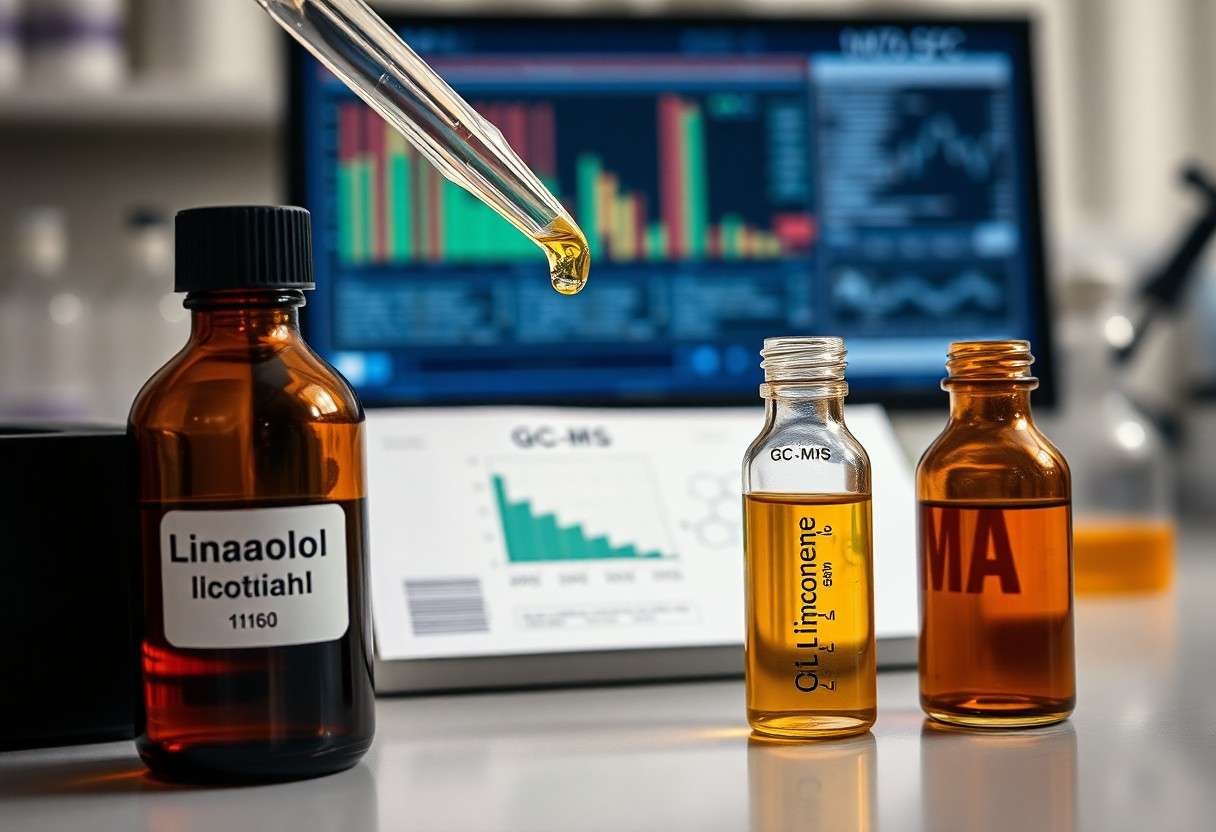
Mood chemistry tickles your nose and brain, so you sniff like a scientist: some scents offer a positive, mood-lifting boost, others pose dangerous interactions with medications or allergies, and the most important step is safe dosing.
The Nose Knows: Your Brain’s Fast-Pass to Feelings
Smell hits your brain faster than you think, routing straight to the olfactory bulb and then into the limbic center, giving scents a fast-pass to emotion that can brighten or jolt your day.
You feel that nudge before logic arrives because scent pathways sidestep slow cortical checks and trigger amygdala-driven reactions that either soothe or set off alarm bells.
The Limbic System: Where Scents Throw a Party
Inside your limbic system, odors handshake with the amygdala and hippocampus, sending emotional sparks that can lift mood, recall danger, or cue comfort without your consent.
Memory Lanes and Olfactory Main Streets
Scent transports you along memory lanes, with tiny chemical cues unlocking vivid scenes stored in the hippocampus and often producing a powerful nostalgia hit.
Often you’ll experience immediate emotional recall, and if that scent links to trauma it can provoke intense distress, so choose aromas with care when aiming for mood boosts.
Molecular Mood Rings: The Chemistry of a Calm Mind
Chemistry of these tiny aromatics lets them slip into lipid membranes and flirt with receptors, so you feel shifts in arousal and calm within minutes; specific functional groups determine whether scent soothes or stimulates.
You should mind dose and context: a casual whiff can calm, while concentrated application can irritate skin or upset pets; overexposure can be toxic, so use ventilation and moderation.
Terpenes: Nature’s Tiny Little Chill Pills
Tiny terpene tweaks change scent and signaling, and you can spot linalool for relaxation or limonene for uplift; they modulate GABA and serotonin pathways to nudge mood.
Some terpene blends produce an entourage effect, so you rarely get single-molecule miracles; allergic reactions and drug interactions are possible, so test a patch and keep doses low when you experiment.
Crossing the Blood-Brain Barrier Without a Passport
Lipophilic aromatics slip past the blood-brain barrier by dissolving into membranes and hitching transport, so you notice faster central effects than many oral supplements; small size and solubility enable brain entry.
When these molecules arrive, they can tweak receptor activity or neurotransmitter release within minutes, producing calm or alertness depending on compound and dose; rapid action means both benefit and risk.
Always treat potent aromatics with respect: you must dilute properly, avoid use around children, pets, or respiratory conditions, and consult a clinician if you take medications; safety-first use prevents harm.
Lavender and Lemon: The Dynamic Duo of Chill and Thrill
Lavender’s linalool calms your nerves while lemon’s limonene perks your focus, producing a balanced chill-meets-thrill effect that lowers stress without flattening energy.
Pairing them in a diffuser or a light spritz lets you tailor quick mood shifts, and you should be careful with skin contact because citrus oils can be phototoxic.
Linalool: The Ultimate Mental Mute Button
Linalool quiets your amygdala by modulating GABA pathways, so you feel less reactive and more able to breathe through chaos-a powerful anti-anxiety aroma you can literally sniff into.
Studies show inhaled linalool reduces cortisol spikes, meaning you notice faster mental quiet after a couple of deep, deliberate breaths.
Citrus Zest: Liquid Sunshine for the Soul
Citrus oils like lemon and bergamot stimulate your reward circuits with limonene, offering an instant uplift that sharpens mood and nudges motivation.
Zesty application tips: diffuse for quick boosts, dilute for skin use, and avoid sunlight after topical citrus because phototoxicity can cause burns.
Science or Sorcery? Debunking the Magic
You breathe in a familiar scent and feel calmer – that’s your olfactory system linking molecules to memory and emotion, and scents can modulate mood quickly when paired with learned associations.
Neuroscience traces scent signals straight to the amygdala and hippocampus, so smells tug at your feelings and can produce measurable emotional responses even without conscious thought.
The Placebo Effect vs. Real Physiological Shifts
Scent often blends placebo power with actual drops in heart rate and cortisol, so your expectation and biology team up to shape how you feel.
Studies measuring breathing, heart rate and hormones report small but consistent effects, with your mindset frequently determining how strong those changes feel and your belief can amplify or mute outcomes.
Why Your Candle Isn’t a Licensed Therapist
Candle rituals soothe and create context, yet they won’t unpack trauma; you may feel relief but they are not a substitute for professional care and open flames and fragranced chemicals can pose hazards.
While aromatics help you regulate mood in the short term, persistent symptoms deserve a clinician and you should not rely solely on candles for mental health, plus some vital oils are toxic to pets.
Conclusion
From above you learn that scents change brain chemistry: olfactory neurons link to emotion centers, so a spritz can shift mood faster than a motivational playlist. You get practical picks-citrus for alertness, lavender for calm-and a wink that scent rituals are part science, part showmanship.