The Science Behind Mood Enhancing Sweets
There's a sweet science: you get quick serotonin lifts from sugar and chocolate, but overindulging raises diabetes risk; moderate treats trigger feel-good neuro

This article contains Amazon affiliate links. As an Amazon Associate, CandiesAndSweets earns from qualifying purchases.
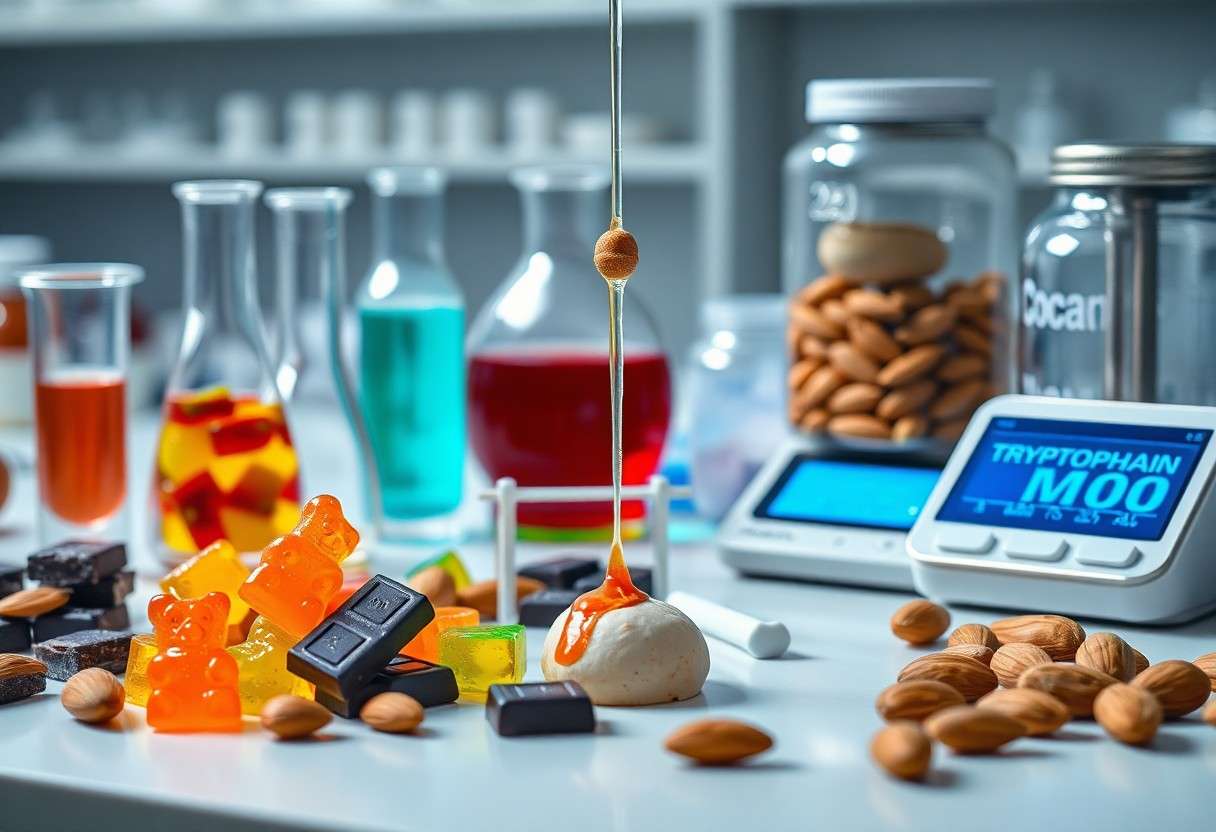
There’s a sweet science: you get quick serotonin lifts from sugar and chocolate, but overindulging raises diabetes risk; moderate treats trigger feel-good neurochemicals-enjoy small portions.
The Brain’s Candy Shop
Inside the brain’s candy shop, neural aisles are stocked with cues and cravings, and you pick treats that light up reward circuits. Snacking sends a quick signal and a fleeting grin, but it can also trigger sugar spikes that undercut lasting pleasure.
You learn the patterns: a nibble gives a tiny lift, repeated reaches write stronger purchase cues into your behavior, and the check-out often brings a predictable crash.
Dopamine: The “Add to Cart” Hormone
Dopamine acts like a shopping alert, nudging you to click ‘buy’ when sweets appear and rewarding repeat visits with a satisfying hit. That dopamine surge feels delightful while it quietly builds a snug habit loop.
When you chase that instant hit, environmental cues-time, sight, smell-amplify desire and make restraint harder; watch for patterns that push you toward compulsive snacking.
Serotonin’s Sweet Embrace
Serotonin steadies mood, and carbohydrates gently nudge tryptophan into the brain so you feel calmer after a sweet bite; you’ll notice that soothing effect almost immediately. That mood lift can be genuine, yet transient if you rely on sweets alone.
Often your gut chips in, where microbes and digestion influence how much serotonin reaches your brain and how you respond; sweets can momentarily assist that conversation. Avoid depending on sugar for mood, because long-term imbalance may follow.
Practical swaps help you get benefits without fallout: pair a treat with protein or fiber to extend the high and reduce the brutal crash, and treat sweets as occasional rewards rather than daily prescriptions.
The Sugar Rush Rollercoaster
You feel that sudden pep because neurons soak up glucose and fire dopamine, giving an instant mood lift that makes sweets feel like a tiny victory. You might also enjoy our guide on What Makes Candy Effective for Mood Lifting.
Blood spikes follow, triggering insulin to rush in and shift energy, which can leave you oddly wired and then sinking into a rapid energy drop.
High-Octane Glucose for Low-Battery Days
When you need immediate mental fuel, a sugary bite supplies fast cognitive boost and alertness within minutes, like a mini jump-start for tired neurons.
The Crash That Came for Dinner
After the spike, insulin can overshoot and pull glucose too low, so you experience mood dips, irritability, and that unmistakable sugar crash.
Your appetite will amplify, driving repeat snacking and a cycle that increases the chance of weight gain and persistent energy swings, turning sweet relief into a problem. You might also enjoy our guide on Can dark chocolate help in muscle recovery or sports performance?.
A smarter move is to pair sweets with protein or fiber so you still enjoy the treat while blunting the insulin surge and avoiding the emotional nosedive.
Dark Chocolate’s Secret Weaponry
Dark chocolate houses a surprising mix of biochemistry that rewards you: high-cacao bars deliver concentrated flavonoids which enhance blood flow and nudge neurotransmitters tied to pleasure and focus.
Cocoa also contains theobromine and a little caffeine, giving you alertness without the coffee crash-just keep portions small, since excess sugar or calories can undo that uplift.
Flavonoids: Bitter Science, Sweet Results
Flavonoids work on your brain by improving circulation and moderating serotonin activity, so a modest square can offer a subtle mood boost and lower stress markers in the short term.
Phenylethylamine: Falling in Love with a Bar
Phenylethylamine (PEA) in chocolate imitates the chemistry of crushes by nudging dopamine, making you feel flirtatious-but most of that effect is fleeting and often outpaced by digestion.
Researchers find that chocolate’s PEA levels are generally too low to sustain a true “in love” state; however, combined with fats and sugars it produces a short-lived spike in pleasure, so pairing a square with protein or movement helps prolong the lift.
The Mouthfeel Manifesto
Texture cues prime your brain: you map roughness and smoothness to memories, so a sweet can feel like comfort and trigger a instant comfort signal without extra fuss.
Savor the way contrast-firm shell and creamy core-holds your attention, stretching each bite into more pleasure so you often feel satisfied sooner; that sensation acts as a portion-friendly trick.
Why Crunchiness Kills the Blues
Crunch delivers immediate feedback: you bite, your nerves fire, and tiny dopamine hits make your mood spike, marking crunchy sweets as a fast mood lifter.
Brittle shards thrill the senses but carry a choking risk and can aggravate jaw pain, forcing you to slow down or chew harder and shifting how much pleasure you extract.
The Velvety Science of Melting Points
Silk-like confections liquefy at mouth temperature, releasing aroma and fat molecules slowly so you savor comfort; you experience longer-lasting pleasure, a clear feel-good advantage.
Warmth in your mouth accelerates melting, so sugars and volatile aromas bloom faster and calm you quickly, though that same process can cause a rapid sugar spike if you overindulge.
Gut Instincts and Gummy Bears
Gummy bears may feel like harmless joy, but when you pop one, your gut and brain start a chemical chat through the gut-brain axis, adjusting neurotransmitters like serotonin that shape your mood.
Chewing sugary sweets gives you a quick lift, yet you also get sugar spikes that can crash mood and stoke inflammation if repeated, so your candy choices quietly rewrite your emotional script.
Your Stomach’s Second Opinion
Stomach signals travel up the vagus nerve, so when you eat gummies your gut can tell your brain that comfort arrived or that stress hormones like cortisol are rising-either can sway you.
You can choose slower snacks that blunt spikes, helping maintain steady blood sugar and a calmer mood instead of the classic sugar rollercoaster that leaves you frazzled.
Bacteria with a Sweet Tooth
Microbes in your gut feast on simple sugars and produce metabolites such as short-chain fatty acids that can boost or blunt mood depending on which strains you feed.
Sweet overindulgence tends to favor harmful bacteria, increasing risk of low-grade inflammation and mood dips, so your cravings can literally shift your microbial balance toward trouble.
Some smart swaps-fiber, polyphenols, and fermented foods-support probiotics and prebiotics, tipping the microbial scales toward strains that help keep your mood steadier.
Placebo or Pastry?
Tastebuds play judge: when you expect a treat, sensory cues alone can trigger a dopamine surge, so you feel uplifted before sugar hits. If you set the scene and savor each bite, you coax a mild placebo effect that boosts your mood more than calories predict. Overdoing it, though, can flip the script and leave you sluggish.
The Power of Nostalgic Nibbles
Smelling a familiar cookie snaps memory circuits, and you find comfort because scent and taste link to past safety. When you recreate those cues, nostalgic nibbles lower stress markers and hand you quick consolation. Be mindful, since emotional eating can hide under that warm glow and excess sugar carries real costs.
Tricking Your Brain into Bliss
Sugary rituals-tiny plates, a deliberate pause, slow chewing-train expectation so you get more pleasure from less. As you repeat cozy ceremonies, your brain anticipates reward and releases dopamine, making each bite feel richer. Controlled cues let you enjoy treats without binging.
Small tweaks like counting five chews, pairing sweets with tea, or sharing bites amplify satisfaction; you stretch pleasure and curb cravings. If you ignore portion limits, however, those same cues can trigger overeating, so use rituals to savor, not to justify extra servings; moderation keeps the mood lift healthy.
Conclusion
So you learn that sweets are tiny chemical stand-up comics for your brain: sugar cues dopamine laughs, chocolate slips in serotonin-friendly compounds, and carbs whisper serotonin a nap. You get a quick mood lift, but pairing treats with protein and portion sense keeps the applause from turning into a crash. You might also enjoy our guide on Dark Chocolate: Unveiling Its Multifaceted Health Benefits and Real-Life Impacts.