The Science of Candy Portion Psychology
Psychology reveals that the way you perceive and consume candy can greatly influence your enjoyment and satisfaction. By understanding the psychological factors

This article contains Amazon affiliate links. As an Amazon Associate, CandiesAndSweets earns from qualifying purchases.
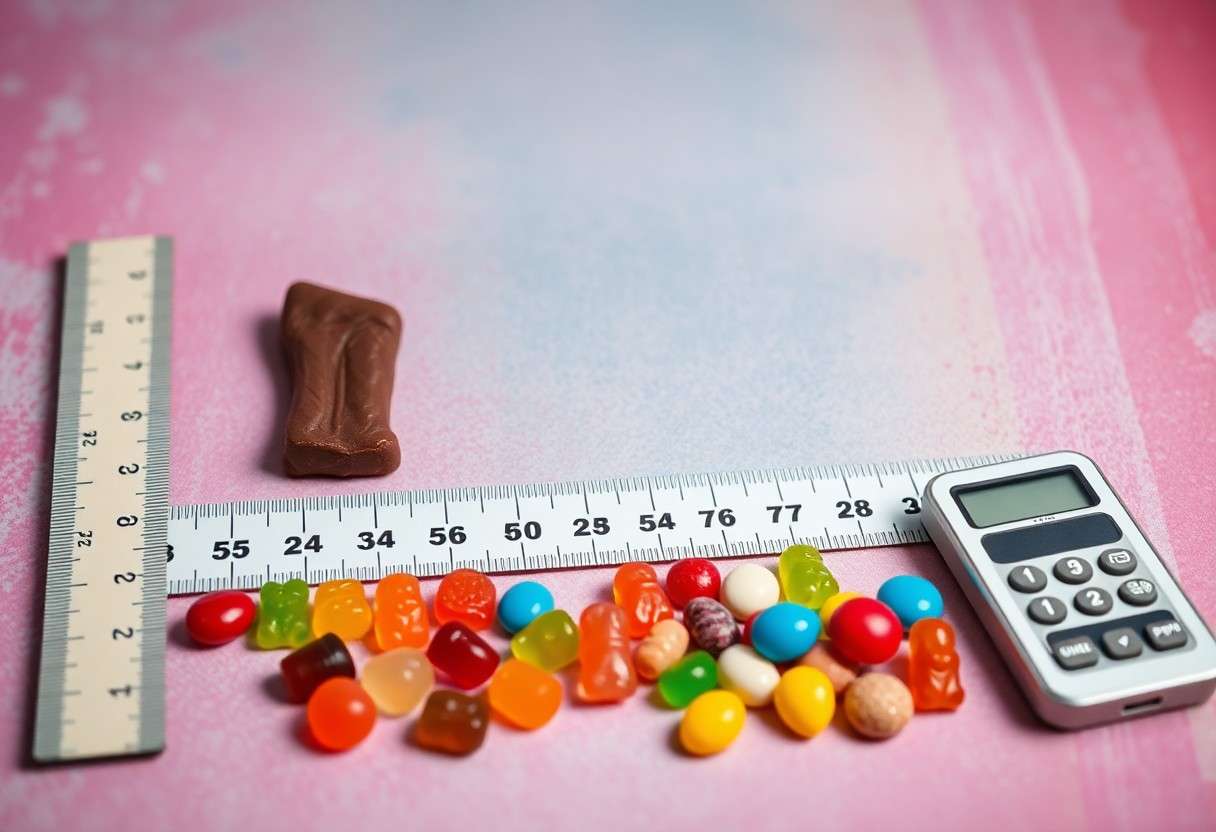
Psychology reveals that the way you perceive and consume candy can greatly influence your enjoyment and satisfaction. By understanding the psychological factors behind portion sizes, you can make more informed decisions about how much candy to indulge in. You may be surprised to discover how simple tweaks, such as the size of the container or the appearance of the candy, can alter your cravings and experiences. Join us as we examine into the fascinating world of candy portion psychology and empower your sweet choices.
Sweetness and Size: The Psychological Tricks Behind Portion Control
The Impact of Visual Cues on Candy Consumption
Visual cues play a significant role in shaping your perceptions of candy portions. Studies show that the way candy is presented can influence how much you consume. For instance, a larger bowl or brightly colored packaging can make the candy appear more enticing, prompting you to reach for more. When candies are arranged in neat rows or clusters, you may perceive a larger quantity, which can create a sense of abundance. This visual trickery doesn’t just affect how much you take at once; it can also impact how satisfying the experience feels.
The contrast in sizes between individual pieces can alter your behavior as well. If you’re faced with a mix of small and large candies, you might be tempted to choose the larger options, underestimating the cumulative intake. Your mind associates size with satisfaction, leading you to believe that larger candies will fulfill your cravings more effectively, even if the overall quantity consumed is greater than if you chose smaller pieces. The visual aspect of candy can greatly skew your perception of portion control.
How Quantity Affects Taste Perception
The number of candy pieces in front of you can shift your taste perception. A greater quantity often enhances the overall enjoyment due to the anticipation and satisfaction of indulging in a generous portion. Research indicates that when presented with more choices, even the flavor of each individual piece may feel richer, as the sheer volume can lead to heightened emotional responses. This phenomenon can be seen in sharing situations; a larger bowl prompts a willingness to indulge — you are likely to feel that everyone is partaking in the experience, amplifying the pleasure associated with the taste.
Moreover, your brain may process the occurrence of multiple flavors simultaneously, changing how you perceive sweetness. A single piece might seem overly sweet if it’s all you have, while multiple pieces create a lineup of contrasts — each bite’s flavor is perceived against the backdrop of others, potentially diminishing the sweetness of any single type. This layered tasting experience helps explain why you might enjoy a variety pack much more than a single flavor, as the quantity can enhance the overall sensory engagement.
Exploring how quantity affects taste perception drives home the point that the experience of indulging in candy transcends mere flavor. Engaging with several pieces can manipulate not just the sweetness level but also the enjoyment derived from your treat, making it an amplifying factor in consumption habits. By diversifying your choices, you end up creating an elaborate tasting affair, where each piece contributes to the overall sensation. This underscores the relationship between how much candy you have and how you perceive its flavor, adding a rich layer to your enjoyment of sweets.
The Role of Marketing in Candy Portions
Packaging Strategies that Influence Indulgence
Effective packaging strategies can significantly amplify your candy enjoyment experience, often blurring the line between moderation and excess. For instance, bright, bold colors and playful designs can create a sense of excitement and indulgence that makes it more tempting to indulge in higher quantities. Think about how candy brands frequently utilize resealable bags that invite you to open and taste a little more, while simultaneously offering a sense of ‘control’ over the amount you consume. Clear packaging, which showcases the vibrant colors and textures of the candy inside, not only engages your senses but also entices you to appreciate the product, often leading to consumption that exceeds initial intentions. These visual and tactile elements invoke emotional reactions that sway you toward wanting more, simply because it feels special.
Additionally, limited edition packaging or seasonal themes create urgency that brings out the collector in you, prompting not just a purchase but possibly a binge on items you might only find once a year. Certain brands exploit nostalgia by using retro designs that can transport you back to childhood, urging you to indulge in a familiar treat simply because it makes you feel good. All these strategies combine to heighten your emotional connection with the candy, prompting decisions that align more closely with indulgence rather than moderation.
The Power of Portion Size in Consumer Decision-Making
Portion size wields an undeniable influence over your candy choices, often swaying you toward larger quantities without you even realizing it. Research indicates that when presented with oversized portions or bulk packaging, you tend to underestimate the actual amount you consume. This phenomenon is compounded by the common practice of offering ‘value sizes’ that promise a greater quantity for a slightly higher price, enticing you to perceive a greater value even if it leads to extra calories. In essence, larger packaging can transform the way you view portion control, making it increasingly effortless to justify indulging beyond what you originally intended.
The implications of portion size also extend into mental accounting, where you compartmentalize your consumption based on how much you believe you’re allowed to enjoy. Research highlighted in behavioral psychology shows that larger portions can lead to cognitive dissonance when faced with the choice of devouring an oversized candy bar versus a smaller option. This internal conflict often results in a skewed perception of calories consumed, leading you to feel less guilty about overindulgence. Ultimately, understanding how portion sizes impact your decisions can empower you to make smarter choices during your next candy shopping spree.
Cultural Influences on Candy Consumption
Global Variations in Portion Preferences
Your perception of portion sizes for candy can greatly differ from one country to another. In the United States, for example, candy bars often boast a hefty size, with many exceeding 200 calories and a length that can make them a make-or-break snack. Contrastingly, in countries like Japan, confectionery often favors a more refined approach. Japan’s candies can come in bite-sized squares or miniature editions, with an emphasis on delicate flavors and presentations that encourage moderation and sharing. This cultural divergence dictates not just the portion sizes, but also the social rituals surrounding candy consumption, which further influences how you enjoy these treats on a day-to-day basis.
How Tradition Shapes Sweet Treat Allocations
Your cultural background often dictates not just what types of sweets are favored, but also how much you consume during holidays and celebrations. In many cultures, sweets signify celebration and are served in abundance during festivals and special occasions. In Mexican culture, for example, the Dia de los Muertos sees intricate sugar skulls and candies offered as part of vibrant altar displays, a way to honor loved ones while indulging in sweet traditions. Conversely, in more subdued traditions, the emphasis may be on quality over quantity, leading to a more conservative approach to candy allocation.
Psychological Implications of Portion Sizes on Eating Behavior
The Paradox of Smaller Portions Leading to Greater Satisfaction
Despite the temptation to indulge in larger serving sizes, studies indicate that smaller portions can often lead to greater satisfaction. When you consume a smaller quantity of candy, your brain is likely to register the experience as more enjoyable, as the anticipation and the limited nature of the treat heighten its appeal. For instance, research from the Journal of Consumer Research has shown that people tend to appreciate sweets more when they feel that they are indulging in a special treat rather than just having another handful of candy. This phenomenon can be attributed to the psychological principle of scarcity, wherein things perceived as limited or exclusive generate more valuable feelings in you, enhancing the overall pleasure derived from the experience.
When you savor a smaller portion of candy, every bite becomes more meaningful. The richness and flavor can be more pronounced, and your enjoyment may extend beyond the immediate taste to the sensory experience of unwrapping and consuming the treat. This concept aligns with the practice of mindful eating, where being present and engaged in the eating process can influence your satisfaction levels. You start to embrace the experience instead of mindlessly reaching for another piece, allowing for a greater feeling of fulfillment with your choices.
Exploring Guilt and Pleasure in Indulging Sweets
Your relationship with sweets often dances around the line of guilt and pleasure. Enjoying a candy bar might elicit immediate pleasure, yet it’s frequently accompanied by feelings of guilt resulting from societal norms promoting moderation. This internal conflict can influence your eating behavior significantly. For example, a study published in Health Psychology found that individuals who felt guilty after indulging were more likely to compensate by under-eating later. This cycle can create a deeper obsession with sweets, where the joy of indulging becomes intertwined with self-reproach over perceived overindulgence.
This complex interplay between guilt and pleasure highlights how external narratives can distort your self-perception related to food. Engaging in positive framing while indulging, such as appreciating the flavors and quality of the candy instead of focusing on inevitable guilt, can transition your experience. By cultivating a mindset that allows you to enjoy sweets without remorse, you can transform your overall relationship with food, granting yourself permission to experience pleasure without the shadow of guilt looming overhead.
Practical Applications: Adjusting Your Candy Portions for Better Habits
Strategies for Mindful Candy Enjoyment
Transforming how you approach candy can lead to more satisfying experiences without the guilt. Start by choosing specific occasions for enjoying candy, such as watching a movie or celebrating an event. By designating these moments, you can elevate their significance and savor each piece more mindfully. Pay attention to the flavors, textures, and sensations as you indulge, allowing you to appreciate the experience fully rather than mindlessly consuming. Engaging your senses enhances enjoyment and strengthens the emotional connection to your treats.
Another effective strategy is to create a designated candy space in your home. Rather than keeping your stash in a random drawer or cabinet, investing in a glass jar or decorative dish encourages a more intentional approach. This visibility not only serves as a reminder of your choices but also reinforces those moments of mindful enjoyment. When you can see your treats, you’re more likely to feel in control, making it easier to choose when and how many to indulge in.
Tips for Portion Control without Deprivation
Finding a balance between enjoying candy and sticking to your portion goals often requires practical strategies that allow for some indulgence without overdoing it. Start by pre-packaging your candy into smaller portions when you buy them. Instead of leaving the bag open, transfer a handful to small containers or snack bags. This simple step creates visual and physical limits, making it easier to stick to your desired intake without bypassing the enjoyment of your favorite sweets.
Another effective tip for portion control lies in pairing candy with healthier options. Combine your indulgent treats with fruits, nuts, or yogurt, allowing for a more satisfying snack while keeping the candy portions smaller. This not only stretches your candy’s lifespan but also enriches your snack time with added nutrients. By incorporating these healthier elements, you can enjoy your preferred candy without feeling deprived, making your eating habits more balanced and sustainable.
- Establish specific times for candy enjoyment as part of a routine.
- Keep candy in a visible, dedicated space to encourage mindful consumption.
- Pre-package treats to avoid portion overload.
- Pair candy with healthier options for a balanced snacking experience.
- Allow yourself to enjoy every bite by slowing down and focusing on flavors.
Any effort you make to establish a mindful approach can lead to a more satisfied outlook on your candy consumption.
- Choose candy brands that pride themselves on quality over quantity.
- Consider experimenting with smaller, artisanal candies that offer rich flavors without excess.
- Stay aware of the overall trends in your eating behavior to maintain balance with other food groups.
- Try to keep a food journal to track your candy intake while reflecting on cravings and satisfaction levels.
- Embrace the idea that it’s perfectly okay to enjoy candy in moderation.
Any self-awareness you cultivate around your eating habits will help you navigate the sweet landscape with confidence.
Conclusion
Hence, understanding the science of candy portion psychology allows you to make more informed choices during your snacking experiences. By recognizing how various factors, such as packaging, visibility, and personal biases influence your perceptions and consumption, you can gain control over your cravings and portion sizes. Being aware of these psychological triggers helps you enjoy your favorite treats while maintaining a healthy balance in your diet.
Additionally, applying these insights can enhance your overall enjoyment of candy. By consciously selecting appropriate portion sizes and being mindful of how you present and consume candy, you create a more satisfying experience. Embracing these principles allows you to indulge in your sweet tooth without the guilt, providing you with a greater sense of satisfaction and empowerment over your choices.


