The Ultimate Confectionery Business Sustainability
It's your confectionery-so you get to mix decadent flavors with practical foresight: you secure ethical sourcing, mitigate climate shocks, and reap cost and bra

This article contains Amazon affiliate links. As an Amazon Associate, CandiesAndSweets earns from qualifying purchases.
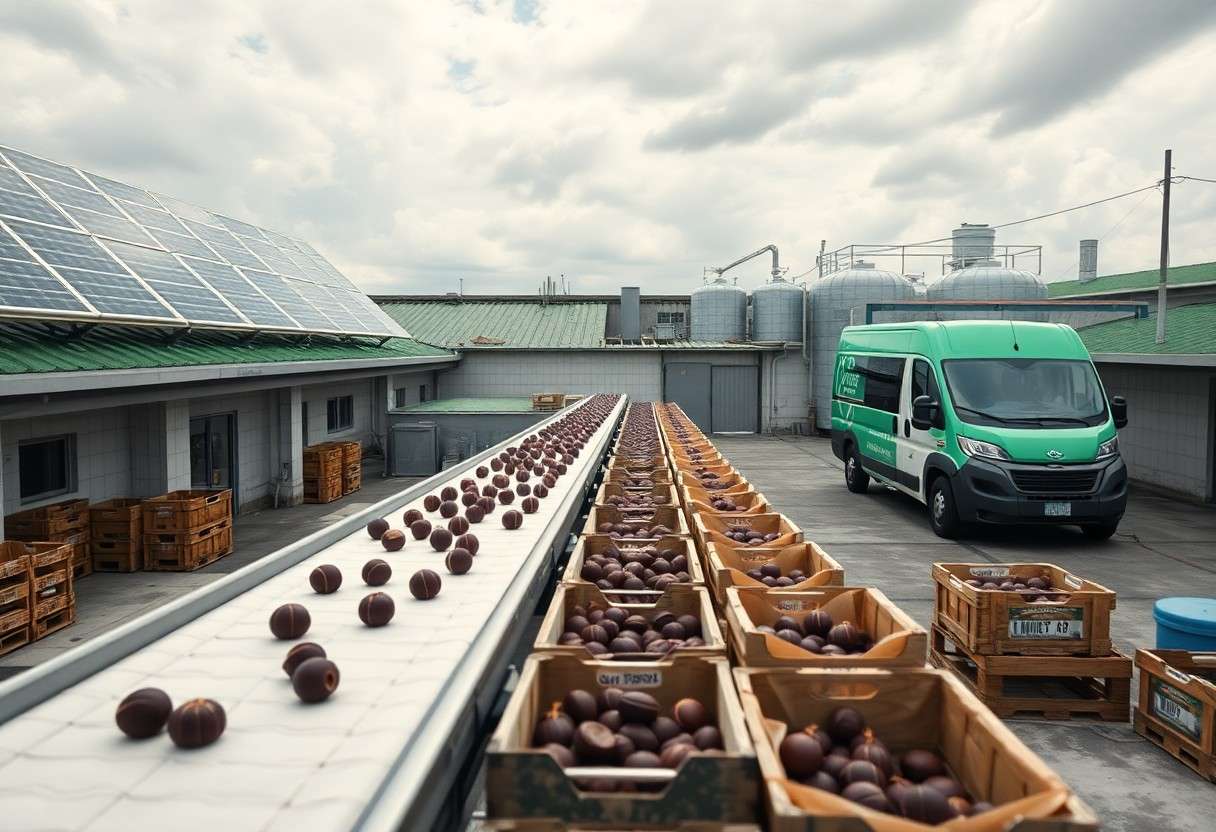
It’s your confectionery-so you get to mix decadent flavors with practical foresight: you secure ethical sourcing, mitigate climate shocks, and reap cost and brand gains.
The Bitter Truth About Sweet Sourcing
Not Just a Sugar High: Ethical Farming
You see labels, but your sugar can hide child labor and heavy pesticide exposure in fields that never made the PR shot. Small choices send signals: buy from farms that pay fair premiums or support regenerative practices, and you’ll cut both ethical risk and long-term costs.
Bean There, Done That: Cocoa Traceability
Traceability turns your chocolate from mysterious to accountable; without it you risk deforestation and illicit cocoa slipping into batches. You should insist on chain-of-custody data, supplier maps, and audits so you can prove the bars on your shelf didn’t cost forests or futures.
Blockchain and satellite monitoring are sexy tools, but you need field-level verification and direct farmer relationships to avoid greenwashing. Better wins come from funding traceability tools plus programs that raise farmers’ incomes and pay transparent premiums.
Mapping cocoa origins lets you test claims and target support; when you fund training and traceable payments, you reduce child labor risks and increase yield security – and you get a story consumers can actually believe.
Unwrapping the Plastic Problem
Plastic dominates confectionery packaging while you juggle shelf appeal and sustainability, and that mismatch packs a punch: microplastics and mountains of single-use waste keep turning up in oceans and soil. Brands that ignore this pay in cleanup, consumer ire, and tightening rules.
Your operational costs hide in glossy sleeves and tear strips; lifecycle emissions and potential regulatory fines can erode margins faster than a chocolate bar melts in summer.
Breaking Up with Single-Use Soulmates
Cutting ties with single-use soulmates forces creative selling-refill stations, returnable tins, and concentrated mixes make you less clingy and more clever. Consumers love a smart swap when you make it convenient.
If you implement deposit schemes and discounts for BYO containers, you’ll see lower material spend and stronger customer loyalty, plus fewer bags destined for landfill.
Compostable Wrappers: More Than Eye Candy
Compostable wrappers can brighten your brand and reduce trash, but you must vet materials: many require industrial composting and won’t vanish in backyard piles or standard recycling streams. Labels matter.
Switching to options like PLA, PHA, or cellulose films gives you functional barriers and a story to tell, yet prices and shelf-life demands mean you should test before scaling. You might also enjoy our guide on Ruby Chocolate Candies: Revolutionizing the Global Confectionery Market.
Attention to certifications such as EN 13432 or ASTM D6400, local composting capacity, and third-party compostability testing prevents surprises-no local infrastructure often means your “compostable” goods still end up in landfill.
Powering the Sugar Rush
Your small shifts in energy and equipment let you keep glazes glossy while you reduce emissions and protect margins – think better insulation, smart timers, and targeted HVAC tweaks that don’t taste like sacrifice. You get efficiency without losing that signature crunch.
Switching to on-site renewables like solar or bioenergy can slash operating costs and provide resilience during outages, but plan storage and maintenance to avoid unexpected downtime or equipment faults.
Solar-Powered Sprinkles
Sunshine feeding rooftop panels turns your candy line into a PR-friendly spectacle and delivers lower bills, keeping seasonal flavors profitable while you bask in eco-bragging rights. Check mounts and warranties to avoid roof loading issues.
Installing battery storage gives you reliable backup power for peak baking and storm days; treat battery chemistry like a hot ingredient and mitigate battery fire risk with proper siting and certified installers.
Reducing the Carbon Cookie-Print
Trimming ingredient miles by choosing local sugar cooperatives and seasonal recipes helps you cut transport emissions and tell a tastier, greener story on the label, while prepping for supply variability keeps service smooth on busy shifts.
Baking smarter with heat recovery, efficient ovens, and batch scheduling yields strong energy savings, and composting trimmings closes the loop – just guard against waste contamination that can spoil your compost and your claims.
No Scraps Left Behind
Think of leftover trimmings as micro-resources: you can reroute them into fillings, garnishes, or staff snacks that cut costs while reducing waste.
Keep a simple labeling system so you and staff avoid food-safety risks; perishable scraps must be tracked to prevent contamination and costly recalls.
Turning “Oopsies” into Edibles
Turn your imperfect pastries into discounted bundles or experimental flavors; you recover revenue and charm bargain-seeking customers with playful packaging. You might also enjoy our guide on Why Sustainability Builds Brand Trust Today.
Offer tasting nights where you refine rescued batches into signature items, and you convert potential waste into low-cost R&D that pays off.
The Circular Economy of Caramel
Coax stray caramel into sauces, glazes, or filling bases and you transform sticky waste into high-margin products instead of landfill fodder.
Reclaim scorched bits by diluting and remixing under controlled heat, but you must enforce strict temperature records to avoid burnt batches that trigger customer complaints.
Sweetening the Deal for Workers
You can sweeten compensation with living wages, predictable schedules, and hazard pay for shifts around machine hazards, which turns churn into loyalty and keeps quality high.
Living Wages for Lolly Makers
Paying your lolly makers living wages stops late-night burnout, attracts skilled candy crafters, and makes you the employer they brag about at parties.
Building Better Candy Communities
Local partnerships and apprentice programs let you channel profits into training, safety upgrades, and a community fund that delivers real benefits, not just sugary press releases.
Shared purchasing, co-op swaps, and worker-led councils cut costs, improve worker safety, and give you direct ties to the neighborhoods that keep your sweets selling.
Don’t Sugarcoat the Facts
You know when a shiny wrapper hides a muddy supply chain; your customers know it too, and trust evaporates faster than a caramel drizzle when facts are fuzzy.
Sugar has to taste honest: you should state sourcing, emissions estimates, and waste plans plainly so buyers can choose brands that match their values, not clever copy. You might also enjoy our guide on Dried Fruit Chocolates: The Sweet Spot of Health and Indulgence.
Honest Labels for Honest Cravings
Labels that tell you exactly where cocoa came from, which farms respect workers, and what every additive does will win repeat buyers and fewer angry reviews; clear sourcing and allergen transparency matter.
Transparency lets you use smart cues like QR codes linking to batch stories and third-party audits, so curious shoppers can verify claims instead of guessing.
Greenwashing: A Recipe for Disaster
Greenwashing tempts you to slap “eco” or “natural” on boxes, but flimsy claims invite legal fines and furious consumers who sniff out fakery.
Falsehoods about compostable wrappers or “carbon-neutral” production without proof offer quick marketing gains and long-term pain, including brand damage and social media backlash.
Legal frameworks and watchdogs expect evidence: you should pursue recognized certifications, keep audit trails, and publish measurable targets so accusations of misleading claims never gain traction.
To wrap up
Following this, you blend sweet profit with small environmental wins: source ethical cocoa, cut waste with clever packaging, and train staff to champion local suppliers. Your customers love taste and story, your margins survive, and your brand becomes the cheeky treat everyone brags about while saving bees one truffle at a time.