Why Sustainability Builds Brand Trust Today
It's obvious: you win trust by proving sustainability, because authenticity beats claims, greenwashing can destroy reputation, and genuine action creates long-t

This article contains Amazon affiliate links. As an Amazon Associate, CandiesAndSweets earns from qualifying purchases.
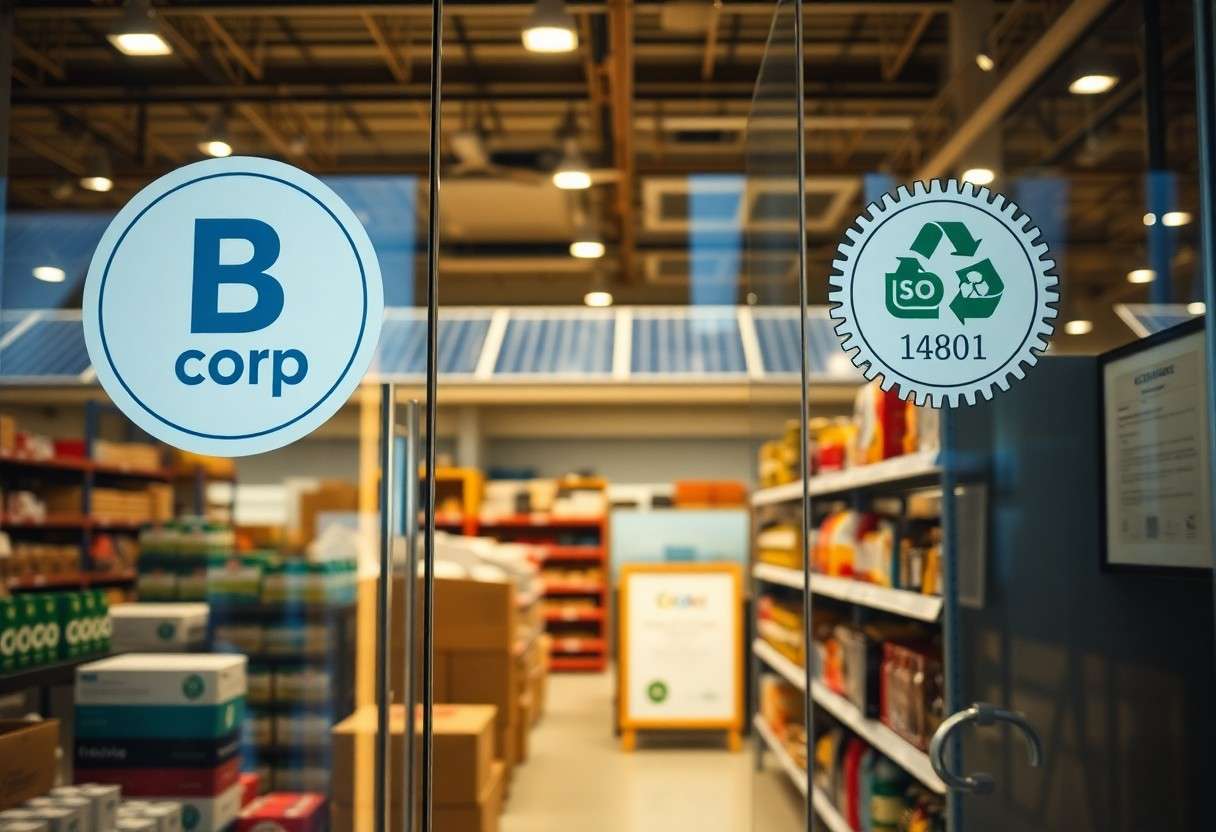
It’s obvious: you win trust by proving sustainability, because authenticity beats claims, greenwashing can destroy reputation, and genuine action creates long-term loyalty and measurable advantage.
The Greenwashing Goggles
Peel back the label and you’ll spot glossy claims-“sustainably sourced” or “eco” printed bold but without proof. Watch for misleading buzzwords that sell feelings, not facts; you deserve timelines and numbers, not marketing poetry.
Behind the gloss, you should ask for ingredient lists, supplier audits, and third-party certifications. If a brand hesitates, you choose skepticism; if it posts data, you reward transparency with your trust.
Spotting “Nature-Ish” Labels
Check the fine print for vague percentages, tiny recycled-content notes, or undefined “plant-based” claims that mask petrochemical blends. Those are empty green claims meant to soothe you, not to cut impact.
Look for verifiable seals, full ingredient transparency, and accessible lifecycle data; scan QR codes for reports so you can confirm metrics. Those verifiable signals separate showy packaging from real progress.
Why Vague Promises Are So Last Season
Brands that promise “greener” without baselines or deadlines lose you fast because missing metrics equal no accountability and shrinking credibility; you want specifics, not warm fuzzies.
Extra detail you should demand: percentage cuts in emissions, target years, independent audits, and public progress reports-clarity beats feel-good vagueness every time.
Putting Your Money Where Your Mulch Is
You vote with every purchase, so routing spend to sustainable suppliers becomes a trust-building signature move; brands that fund local circular programs or renewable projects show you they’re serious, not just snappy on Instagram.
Brands that publish carbon budgets and open offset books make it easy for you to check claims; misstated promises are the dangerous shortcut that destroys trust faster than a viral post.
The Rise of the Conscious Credit Card
Credit cards that plant trees per swipe turn your daily latte into a tiny manifesto, giving you instant proof of action while companies collect data-driven evidence of impact.
Rewards that let you fund community gardens or offset flights hand you visible receipts of change, so you can reward companies that match gesture with measurable outcomes and real credibility.
Investing in Earth, Not Just Equity
Green funds and ESG ETFs let you put capital where your mouth is; you can screen for managers who report emissions reductions to avoid greenwashing and keep your money honest.
Impact-focused vehicles now demand measurable outcomes, so you choose funds that report soil health, biodiversity gains, or clean-tech adoption, giving your portfolio a story beyond returns and tangible results.
Also smaller instruments like community bonds and regenerative-ag loans offer you local wins and visitable ecological returns that strengthen trust far more than vague sustainability slogans.
From “Eww” to “Ooh”: The Recycled Revolution
Brands that embrace recycled materials make you pay attention by turning old trash into design wins; you reward that transparency with loyalty. Showing clear processes and reduced waste figures gives you reason to trust beyond clever marketing.
Trash is the New Treasure
You get a thrill finding quality in rescued goods; that thrill becomes authenticity you can wear, and it trims production emissions. Choosing curated secondhand also signals you prefer story over spin.
Why Hand-Me-Downs Are High Fashion Now
Style-savvy shoppers like you favor pre-loved pieces for their one-of-a-kind appeal and lower cost, while brands that mislabel resale lines risk trust-eroding fake sustainability claims.
Collectors and resellers now enforce strict authentication and quality checks, so you can shop secondhand confidently; clear condition notes and repair options add value and boost brand transparency.
Radical Transparency (Or: No More Hiding Behind the Curtain)
Companies that pull back the curtain let you judge the work, not the PR. When you see sourcing, emissions, and decision logs, you stop guessing and start trusting-especially if those documents include real numbers and admitted tradeoffs.
You reward brands that show both wins and wounds; hiding creates suspicion while visible process creates loyalty. If you can verify claims, you buy less on faith and more on proof.
Showing the Receipts of the Supply Chain
Showing supplier lists, audit reports, and origin maps lets you trace a product back to its source, so you know what to praise or boycott. Those receipts expose risk points like forced labor or high emissions.
Take advantage of QR tags, open datasets, or third-party scores so you can verify claims yourself; companies that publish raw data earn your confidence, while vague claims invite skepticism and potential fraud accusations.
Owning the Ooze: Admitting to Mistakes
Owning errors-publicly apologizing and showing a corrective plan-makes you more inclined to forgive. You respect brands that pair a clear apology with a fixed roadmap rather than press releases full of spin.
When a company names the problem, shows remediation steps, and publishes progress, you see accountability in action; silence or spin signals hiding and triggers distrust. You might also enjoy our guide on The Ultimate Confectionery Business Sustainability.
Fixing the mess in public-complete with timelines, budgets, and third-party audits-gives you tangible proof of change, and that transparency + correction is what turns skeptical buyers into loyal advocates.
The Gen Z Jury
You watch Gen Z scan packaging, sift social feeds, and hand out verdicts faster than any focus group; greenwash gets roasted and your slipshod sustainability claims become a public spectacle. Expect scrutiny, not sympathy.
Brands that show authenticity and visible transparency earn repeat customers; ones that fake it face epic churn and viral takedowns that kill brand trust.
TikTok, Toxin-Free, and Tired of Lies
Short-form clips turn product reveals into courtroom drama, where a single exposed ingredient can undo years of marketing work; TikTok amplifies toxin-free claims and calls out lies in real time.
Creators clip, compare, and caption your missteps, so you’ll feel the sting of public correction-expect memes, receipts, and sudden boycotts if you mislead.
Why Being “Mid” on the Environment is a Death Sentence
Silence or vague promises signal to younger shoppers that you’re not serious, turning cautious curiosity into active abandonment; being “mid” costs you reputation and market share like a slow leak.
Data about consumer behavior shows younger audiences flee brands that don’t match values, so you’ll face amplified reputational damage and lost loyalty when actions don’t match claims. You might also enjoy our guide on Dried Fruit Chocolates: The Sweet Spot of Health and Indulgence.
Walking the Walk Without Tripping
Walking the sustainability tightrope means pairing headline goals with small, verifiable steps you can show. Admit slip-ups quickly, publish real metrics, and avoid shiny ads that hide gaps. Those actions let customers reward you with trust instead of suspicion.
Authentic Action vs. Corporate Cosplay
Distinguishing real effort from corporate cosplay means you watch for greenwashing and token gestures. Ask for measurable targets, third-party checks, and worker stories-those details tell you if impact is genuine or just polished packaging.
Keeping the Promise When No One’s Looking
Consistency shows when policies apply at 2 a.m. in factories as much as on launch day. You should expect third-party audits, clear timelines, and honest worker testimony-brands that publish both wins and setbacks earn your trust.
Look for whistleblower hotlines, surprise inspections, and published scorecards that show progress and failures. If you see lifetime repair policies or real local partnerships, you’ll know the brand stayed honest when the cameras left.
Final Words
So you buy from brands that show real sustainability, not PR stunts; your trust grows because transparency, consistent actions, and visible impact match their promises. You reward honesty with loyalty, spread the word, and make green choices the smart, stylish default; brands that act stick around, brands that don’t become footnotes. You might also enjoy our guide on Ruby Chocolate Candies: Revolutionizing the Global Confectionery Market.