The Ultimate Confectionery Ingredient Directory
With this witty guide, you get clear ingredient profiles so you can spot allergenic hazards, find trusted substitutes, and master sweet science to keep your con

This article contains Amazon affiliate links. As an Amazon Associate, CandiesAndSweets earns from qualifying purchases.
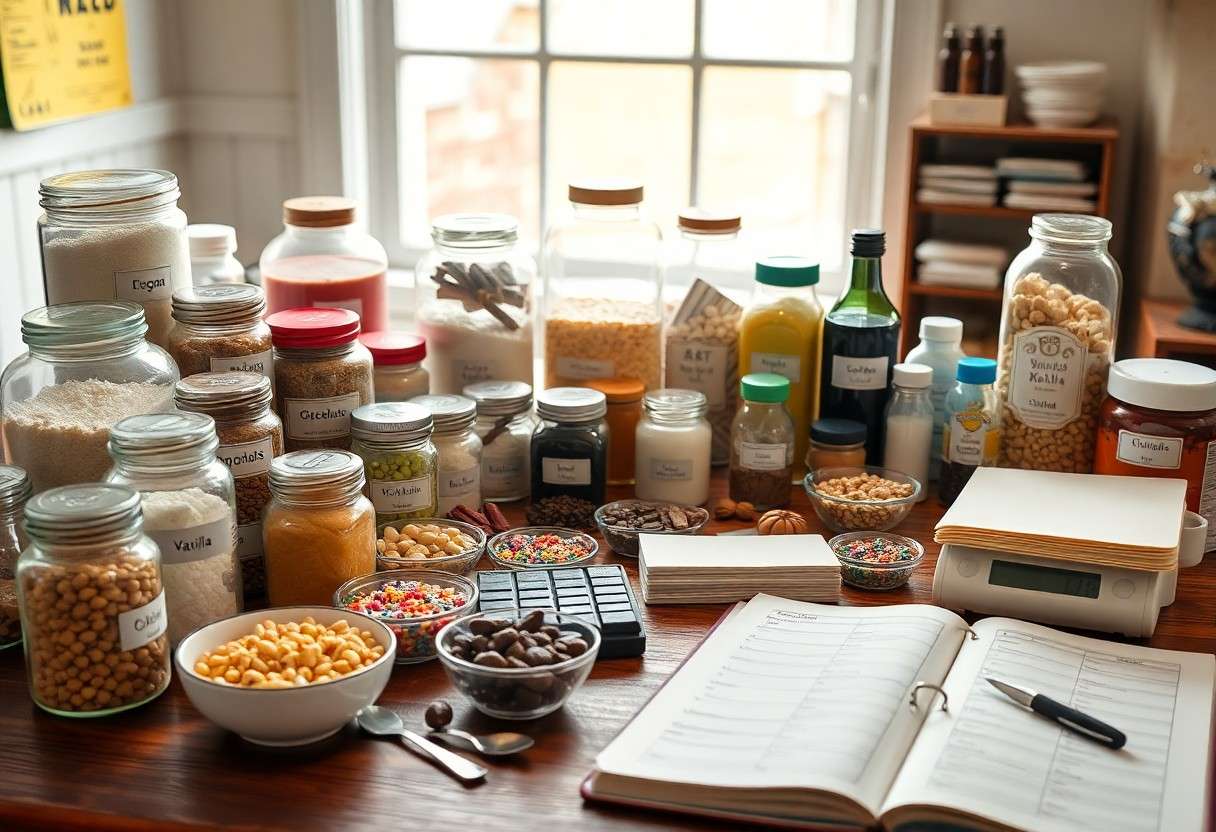
With this witty guide, you get clear ingredient profiles so you can spot allergenic hazards, find trusted substitutes, and master sweet science to keep your confections tasty and safe.
The Sugar High: Sweeteners That Make It Happen
Sugar plays puppeteer in your confections, coaxing structure, shine and that golden caramel glow you crave. You will learn how tiny crystals control texture, how syrups hold moisture, and why too much heat turns sweetness into burnt bitterness or dangerous hot-sugar burns.
Whether you swap types for sweetness or texture, you should weigh density, hygroscopicity and browning potential-they change bake times and mouthfeel. Your substitutions can produce glossy sauces or grainy failures depending on each sweetener’s behavior.
Granulated Glory: The Classic Crystals
Granulated sugar gives you predictable creaming for cakes and quick dissolution for syrups, acting as both sweetener and structure agent. Expect even caramelization and annoying clumping if humidity hits, so stash it airtight to avoid gritty mishaps.
Liquid Gold: Syrups, Honey, and Molasses
Syrups lend moisture and shine while shifting sweetness intensity, so you use less volume but gain flavor depth. Be careful: hot syrup is scalding and sticky blends can wreck tempering or delay setting.
Honey rewards you with floral notes and mild preservative effects, though it crystallizes and can dominate delicate profiles; never give it to infants under one year because of botulism risk.
Molasses ranges from light to blackstrap, packing deep color and mineral punch that you can use for bold cookies and marinades, but too much adds bitterness and dense chewiness.
Getting Sticky With It: Gelling and Binding
Gels coax the daring textures you crave, from chewy gummies to silky mousses. You must mind hydration and heat: overheating or underblooming wrecks a set, while the right binder delivers structure and mouthfeel that keeps tasters coming back.
Gelatin: The Bounce in Your Bear
Gelatin gives that iconic jiggly bounce and is thermoreversible, so your bears wobble delightfully in warm mouths. You will also face the trade-off: it’s animal-derived and not suitable for vegans, and improper blooming yields a gritty result.
Pectin and Agar: Plant-Powered Wobble
Pectin gels with sugar and acid to make glossy fruit sets, whereas agar creates a firmer, room-temperature set that slices cleanly. You can pick high-methoxyl pectin for jammy gloss or agar for vegan, heat-stable gels.
Compare usage carefully-try roughly 0.5-1.5% for pectin and about 0.3-1% for agar-and tweak for fruit pH or added calcium with low-methoxyl pectin. You should watch for wrong pH or insufficient sugar killing pectin’s set, while agar’s resistance to melting can be either a boon or a texture trap.
Fat Is a Flavor: The Rich and Creamy
Fat gives your confections the weight and charm that make you linger; it carries flavor, smooths texture, and creates that luxurious mouthfeel you crave while also concentrating aromas.
You must balance richness with acid, salt, and temperature control to avoid a greasy finish; skilled emulsification and chilling tame fat without dulling flavor.
Cocoa Butter: The Soul of Chocolate
Cocoa butter melts at body temperature, delivering the celebrated snap and silkiness you expect from high-quality chocolate; precise tempering preserves those crystals.
Its crystalline structure hates heat and humidity, so you protect shine and flavor by avoiding sudden temperature shifts that invite fat bloom and textural change.
Dairy Delights: Heavy Cream and Butter Dreams
Dairy supplies both fat and water, so heavy cream gives you airy whipped textures while butter layers in savory, caramelized notes; watch for spoilage when warm.
Butter’s water content can split your ganache, whereas clarified butter or ghee offers the same flavor with a higher smoke point and less separation during heating.
Spoilage hits dairy fastest, so you use pasteurized cream, strict temperature control, and occasional stabilizers to prevent curdling and extend workable time.
Technicolor Dreams: Flairs and Flavors
Color floods your confections, setting mood before the first bite and giving you a visual promise that must be kept. Use natural pigments for subtlety and synthetic dyes for punch, while watching for allergic reactions and regulatory limits.
Sweets that scream neon often hide thin flavor, so you balance hue with depth to avoid candy-coated disappointment. Test small batches to prevent off-notes and stubborn staining, and keep notes for consistent repeats. You might also enjoy our guide on Does dark chocolate contain any vitamins or minerals beneficial for health?.
Extracting the Truth: Vanilla and Beyond
Vanilla sources range from bourbon beans to synthetic vanillin, and you can taste the difference in complexity immediately. Pure vanilla extract offers floral, woody layers while vanillin delivers a sharp, simpler sweetness; watch for mislabeling on budget bottles.
You extract with alcohol, glycerin, or cold-infused oil depending on fat content and desired shelf life, so choose the vehicle that matches your recipe. Reserve real extract for recipes where aroma matters and use concentrates where economy wins. You might also enjoy our guide on Guide to Natural Food Coloring in Sweets.
Neon Nights: Dyes That Pop
Neon dyes come as powders, gels, and liquids tailored for sugar, cocoa, or fat, and you pick the form that best marries to your base; buy food-grade, approved dyes and avoid non-food pigments – those are dangerous.
Bright colors react to pH and heat, so you test under baking temperatures and acidic fillings to avoid weird shifts and bleeding lines. To protect presentation, microsample and record stability across temperatures.
Mixing colors follows painterly rules: small increments build depth and you keep a master chart for ratios across buttercream, fondant, and chocolate; always adhere to label dilution advice and legal usage levels.
The Sour Power and Textural Twists
Sour elements punch your palate and wake dull sweets, offering bright tartness that balances cloying sugar and keeps you coming back for another bite. You can dial intensity with powdered acids or citrus concentrates, but concentrated additions can be irritating to mouths and skin if mishandled.
Texture keeps you hooked: contrast between gooey centers and crunchy toppers turns each mouthful into a mini-drama. Mix in nuts, seeds, or sprinkles for snap and color, while watching for allergens that limit who can enjoy your creations.
Pucker Up: Citric and Malic Acids
Citric acid gives you immediate citrus zip, perfect for hard candies and gummies; a pinch brightens flavors without adding sweetness. Use sparingly since excessive citric can cause dental erosion and an unpleasant stinging sensation.
Malic acid offers a slower, apple-like tang that lingers and blends beautifully in chews and jellies. High doses may be irritating to delicate tongues, so balance it with sugar, fat, or dairy for a smoother finish.
The Crunch Factor: Nuts, Seeds, and Sprinkles
Nuts deliver satisfying crunch, rich fats, and a protein-packed boost that contrasts sweet creams and ganaches. You must label for allergens, since a stray nut can trigger serious reactions for some eaters.
Seeds slip into bars and brittles providing tiny pops, fiber, and subtle earthiness that keep you reaching for another bite. Toast seeds to amplify flavor, and store them cool to avoid rancidity.
Sprinkles add playful texture and a visual pop, though they often bring mostly sugar; use them to finish plates or mix with nuts for balanced crunch. Keep them away from toddlers due to a choking hazard.
Conclusion
From above, you hold the Ultimate Confectionery Ingredient Directory like a secret map to sugar-strewn glory; you can spot vanilla’s sultry notes, tamarind’s sneakiness, and cocoa’s moral support. Use it to build bold treats, fix frosting disasters, or impress dessert snobs without breaking a sweat. Your baking experiments just gained a cheeky sidekick. You might also enjoy our guide on Is there a link between dark chocolate consumption and reduced stroke risk?.


