Top B-Corp Certified Confectionery Companies
Many individuals are becoming increasingly conscious of the impact their purchasing decisions have on the environment and society. If you're someone who enjoys

This article contains Amazon affiliate links. As an Amazon Associate, CandiesAndSweets earns from qualifying purchases.
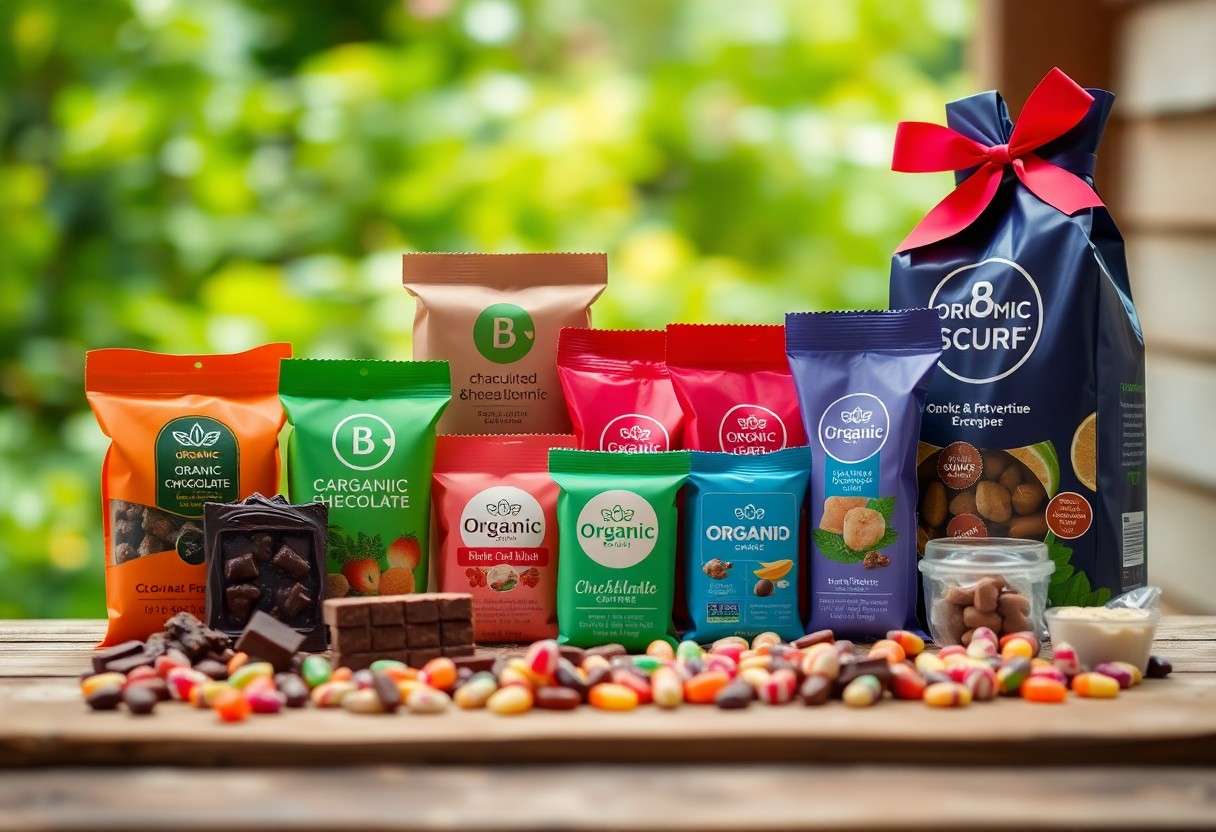
Many individuals are becoming increasingly conscious of the impact their purchasing decisions have on the environment and society. If you’re someone who enjoys sweets while also prioritizing sustainability and ethical business practices, exploring B-Corp certified confectionery companies is crucial. These brands not only deliver delicious treats but also commit to meeting rigorous standards of social and environmental performance. In this blog post, you’ll discover some of the top B-Corp certified confectionery companies that combine quality and responsibility, making your sweet indulgences align with your values.
What is a B-Corp Certification?
Definition and Purpose
Your understanding of B-Corp Certification begins with the realization that it represents a new standard for companies that prioritize social and environmental performance. To be certified, a company must meet rigorous standards of social and environmental performance, accountability, and transparency. The B Lab, the nonprofit organization that certifies B-Corps, evaluates a company’s practices, policies, and impact across various areas, such as community engagement, employee treatment, and environmental stewardship. This certification not only positions a business as a leader in responsible capitalism but also creates a public commitment to the core principle that companies can and should drive positive change.
Many businesses pursue B-Corp Certification to differentiate themselves in a crowded marketplace. The purpose of this certification is to create a community of businesses that are committed to higher standards of social and environmental impact. By embracing the B-Corp model, you signal to consumers that your company is part of a growing movement advocating for a more inclusive and sustainable economy. The demand for ethical business practices continues to rise, making B-Corp Certification a valuable asset that can enhance brand reputation and consumer trust.
The rigors of the certification process often lead companies to reexamine their operations and corporate cultures. This transformation not only improves their potential for social impact but also opens new avenues for innovation. Businesses often realize that sustainable practices can streamline operations and reduce costs, leading to a clearer path toward profitability while contributing to the greater good. As more companies pursue this path, they foster a supportive ecosystem that encourages others to follow suit, effectively reshaping industry standards.
Benefits of B-Corp Certification
Your company gains numerous advantages by attaining B-Corp Certification, making it a worthwhile investment. Firstly, you are able to attract a growing segment of ethically-minded consumers who prefer to spend their money on companies that align with their values. Studies have indicated that consumers are willing to pay premium prices for products from socially and environmentally responsible brands, which can result in increased sales and customer loyalty. Additionally, being part of the B-Corp community connects you with a network of like-minded businesses and resources, fostering collaboration and sharing of best practices that can enhance your overall impact.
Moreover, B-Corp Certification can improve employee satisfaction and retention. When your business is recognized for its commitment to social and environmental principles, it becomes a more attractive place to work. Employees are inclined to feel a stronger sense of purpose and pride, which can lead to higher levels of engagement and productivity. Companies that prioritize mission-driven cultures often enjoy lower turnover rates, which translates into reduced hiring and training costs. The positive workplace environment created by such values can significantly enhance organizational performance.
In addition to these benefits, B-Corp Certification can also present opportunities for accessing funding and investment. Investors are increasingly seeking out businesses that demonstrate social responsibility and transparency, perceiving them as lower-risk options for long-term investment. Certification serves as validation of your commitment to these principles, attracting investors who align with a sustainable investment philosophy. Ultimately, B-Corp Certification can become a powerful tool not only for enhancing your brand but also for driving measurable change within your industry and community.
Criteria for B-Corp Certification
To fully understand what it means to be B-Corp certified, it’s important to explore the criteria that underpin this rigorous assessment. B-Corp certification evaluates a company’s social and environmental performance based on a comprehensive framework that considers impact across various stakeholders, including employees, communities, customers, and the environment. You can gauge a company’s commitment to social responsibility by examining their policies, practices, and the overall ethos embedded within their operations. Each certified company must reach a minimum score of 80 out of 200 on the B Impact Assessment, ensuring they meet high standards of accountability and performance. The certification process is not a one-time affair; companies must recertify every three years, demonstrating ongoing commitment to improving their practices and impact over time.
Social and Environmental Performance
Evaluating social and environmental performance represents a core component of B-Corp certification, directly influencing how consumers perceive their favorite brands. When exploring certified confectionery companies, you might notice initiatives aimed at sustainable sourcing, ethical labor practices, and efforts to minimize waste. For example, a company might partner with fair trade organizations, ensuring that cacao farmers receive fair compensation while adhering to environmentally sustainable farming practices. This aspect not only enhances the quality of the products but also elevates the entire supply chain, motivating other businesses to follow suit.
You’ll find that the emphasis on community engagement is also integral to social and environmental performance. Certified companies often implement programs that foster local partnerships and boost economic development. This could include efforts to support local schools or charities through donations or volunteer initiatives. Familiar brands may promote awareness regarding nutrition and healthy lifestyles within your communities, setting a powerful example of how businesses can influence positive change beyond just their products.
Moreover, the environmental impact of production practices is closely scrutinized. You might discover companies that invest heavily in eco-friendly manufacturing processes, such as using renewable energy, reducing water usage, and implementing recycling programs. Many certified businesses track their carbon footprint and consistently seek to minimize their environmental impact, making strides toward sustainability. This holistic approach illustrates a commitment not only to profit but also to the planet and people, appealing to your conscientious consumerism. You might also enjoy our guide on Sustainable Sweets for Eco-Conscious Choices.
Accountability and Transparency
Accountability and transparency play a pivotal role in the B-Corp framework, setting high standards for ethical business practices. By opening up their processes to scrutiny, companies demonstrate a genuine commitment to accountability, giving you confidence in your purchasing decisions. Regular disclosure of their operational practices, supply chain standards, and social impact results helps you understand how your favorite brands align with your values. It’s about more than just the product; it’s also about the integrity with which it was made.
B-Corp certified companies voluntarily engage in transparency measures that often exceed regulatory requirements. By publicly sharing impact reports and sustainability goals, you become more informed about how your choices support ethical practices. Many brands actively encourage feedback from consumers and stakeholders, using that input to adjust their strategies and improve their social and environmental performance. This dynamic interaction fosters a level of trust that is increasingly important to consumers who are keen to support responsible brands.
In essence, the process of accountability and transparency not only enhances brand credibility but also directly benefits you as a consumer, positioning you as an active participant in the feedback loop of responsible capitalism. By prioritizing these values, B-Corp certified confectionery businesses set an example of how transparency can lead to stronger customer relationships and more fulfilling partnerships within the community.
Overview of the Confectionery Industry
The confectionery industry is a vibrant and dynamic sector within the global food market, encompassing a wide range of products from chocolates and candies to gums and mints. As of 2023, the industry is valued at approximately $200 billion, showcasing consistent growth driven by innovation and consumer demand. The push towards healthier alternatives has spurred a surge in sugar-free, vegan, and organic confectionery, appealing to a growing demographic that prioritizes health and wellness. As you explore this market, you’ll notice an increasing emphasis on unique flavors and textures, making products not just indulgent treats but also experiences that cater to adventurous palates.
Market segmentation within the confectionery industry further highlights the diversity of offerings. You can find premium options that focus on artisanal craftsmanship, high-quality ingredients, and exquisite packaging aimed at luxury consumers, while mass-market products remain popular for their affordability and widespread availability. In addition, seasonal confectionery items establish regular spikes in demand, particularly during holidays like Halloween and Christmas, where consumer spending peaks. As trends shift, brands are continually adapting their strategies to capture attention in highly competitive retail environments, often leaning into digital marketing and e-commerce channels to expand their reach.
The rise of health-conscious consumers has pushed confectionery brands to rethink their approaches. You might notice that companies are investing in research to develop innovative sweeteners and natural preservatives, ensuring that their products meet changing dietary preferences. This agility in adapting to market demands is paramount, as consumers seek transparency regarding ingredient sourcing, nutrition, and environmental impact. Ultimately, staying attuned to these industry shifts is crucial for any confectionery brand looking to thrive amid evolving consumer expectations.
Market Trends and Consumer Preferences
As you navigate through the current trends in the confectionery industry, you will observe a decisive shift towards healthier products that maintain indulgent tastes. More consumers are increasingly aware of the nutritional contents of what they consume, thus, brands are reformulating to cater to a wellness-oriented audience. For instance, the demand for low-sugar, high-fiber snacks has led to the introduction of confectioneries containing natural sweeteners like stevia or monk fruit. Brands are also experimenting with superfoods-a trend catalyzed by millennials and Gen Z who prioritize functional benefits in their snacks, making it crucial for you to keep an eye on how these trends shape product offerings.
Sustainability and ethical sourcing are becoming woven into the fabric of consumer preferences, particularly for health-conscious buyers. There’s a growing expectation for transparency regarding sourcing practices and the environmental impact of confectionery production. As you consider the market, statistics from industry reports suggest that over 70% of consumers are willing to pay a premium for products labeled as ethically sourced or containing organic ingredients. This highlights how brands that incorporate sustainability into their value proposition not only meet consumer expectations but also differentiate themselves in a crowded marketplace.
The shift towards personalized experiences cannot be understated. You’ll notice that companies are utilizing social media and e-commerce platforms to connect with consumers on a personal level, offering customization options for candy shapes, flavors, and packaging. Subscription models that deliver curated selections of confectioneries to consumers’ doorsteps are gaining traction, showcasing how consumer preferences are evolving towards convenience and tailored experiences. The ability for brands to respond to these trends effectively can set them apart as leaders in the confectionery space.
The Rise of Ethical Confectionery
Ethical confectionery is no longer a niche market; it has become a standard expectation among conscientious consumers. This growing awareness of social responsibility is pushing brands to adopt practices that prioritize fair trade, sustainable sourcing, and environmentally friendly operations. Certifications such as Fair Trade and Rainforest Alliance have gained traction, indicating a commitment to ethical practices, empowering farmers, and promoting equitable trading conditions. As you explore into similar brands, you will find that consumer loyalty is increasingly tied to these ethical considerations, with many willing to choose brands based on their commitment to social causes and community welfare.
The rise of ethical confectionery aligns seamlessly with the broader trend of environmentally-induced consumer behavior. Numerous studies suggest that consumer engagement with Eco-labels directly correlates with increased purchase behavior. In recent years, the global chocolate market has responded by investing in sustainable sourcing practices, emphasizing cocoa cultivation that supports biodiversity and mitigates climate change. This commitment not only meets market demands but also addresses pressing global challenges, appealing to your ethical brand preferences in the process.
The concept of corporate social responsibility is being embraced by confectionery brands as a pivotal part of their identity. You may notice companies sharing stories about their sourcing practices, community outreach, or environmental initiatives through their marketing channels. This transparency fosters a sense of connection and trust between brands and consumers, allowing you to make purchasing choices that align with your values. Ultimately, as this ethical trend solidifies its presence in the confectionery industry, it is establishing a new narrative that combines indulgence with accountability, proving that you can enjoy treats while also making a positive impact. You might also enjoy our guide on How Upcycled Ingredients Are Shaping the Future of Sweets.
Top B-Corp Certified Confectionery Companies
Company Profiles and Product Offerings
You’ll find a diverse array of B-Corp certified confectionery companies dedicated to quality and sustainability. For instance, Alter Eco is renowned for its organic chocolate bars, truffles, and baking chocolate, all sourced from Fair Trade farms. They emphasize transparency and traceability in their supply chain, ensuring that ingredients such as cocoa and sugar are produced ethically. Their commitment to environmental stewardship is further exemplified by their initiative to use compostable packaging materials, minimizing waste and reducing their carbon footprint.
Another standout is Taza Chocolate, which specializes in stone-ground chocolate from direct trade sources. Their unique production method not only enhances flavor but also supports smaller cacao farmers, providing fair wages and fostering community development. Taza’s product lineup includes cacao discs, bars, and baking chocolates, promoting indulgence without compromising values. The company also invests in renewable energy projects, underscoring their dedication to creating a more sustainable future.
You might also consider enjoying the treats from Unreal, a candy company that focuses on removing artificial ingredients from traditional sweets. Their product range includes colorful chocolate-coated candies and snacks made with real, simple ingredients. Unreal’s commitment to ethical sourcing is evident in their use of Fair Trade chocolate and non-GMO ingredients, ensuring that you can indulge without guilt. By reimagining classic confections with a health-conscious approach, Unreal is reshaping the candy experience while staying true to B-Corp standards.
Impact on Community and Environment
The impact of B-Corp certified confectionery companies extends far beyond their products, positively influencing communities and the environment. By investing in fair trade practices, these companies ensure that farmers receive better compensation and improved living conditions. For instance, Alter Eco’s partnerships with cooperatives in South America have led to better agricultural practices, empowering local farmers and fostering economic growth in rural areas. By choosing these brands, you’re supporting a system that prioritizes social equity and community well-being.
Moreover, many B-Corp confectionery companies are actively working to reduce their environmental footprint through sustainable sourcing and eco-friendly packaging. Taza Chocolate, for example, has implemented regenerative agriculture techniques that help restore soil health and biodiversity. Their commitment not only mitigates environmental degradation but also promotes sustainable farming practices that future generations can rely upon. Your choice to support these brands furthers their mission of creating a healthier planet.
Fundamentally, investing in B-Corp certified confectionery companies creates a ripple effect in sustainability and social responsibility. By backing enterprises that prioritize ecological balance and community support, you contribute to broader efforts aimed at systemic change. Whether through environmental initiatives or ethical sourcing practices, these companies serve as a model for what the confectionery industry can achieve when aligned with purpose-driven goals.
Innovation and Sustainability in Confectionery
Consumer demand is compelling confectionery companies to innovate continuously, pushing the boundaries of sustainability in their practices. As you explore the landscape of this sector, you will find that brands are increasingly adopting eco-friendly production methods, prioritizing resource efficiency, and embracing ethical sourcing. The move towards organic, non-GMO, and rainforest alliance-certified ingredients reflects a broader commitment among consumers to support brands that align with their values. Companies are not just reformulating their recipes but also rethinking their entire supply chains, aiming to minimize their environmental impact while maximizing product quality.
Trends in Sustainable Ingredients
Among the emerging trends, you’ll notice a substantial shift towards plant-based ingredients. The rise of veganism and health consciousness is driving confectionery companies to explore alternatives like aquafaba instead of egg whites or fruit purees in place of traditional sweeteners. This trend not only caters to dietary preferences but also helps in reducing greenhouse gas emissions attributed to livestock farming. Brands such as Alter Eco and Endangered Species Chocolate are leading the charge, incorporating superfoods like maca, hemp, and adaptogens, which are not only nutritious but also sustainably sourced from local growers.
The pursuit of sustainability also focuses on ingredient traceability, ensuring that every component used in production can be accounted for and is ethically sourced. Transparency in sourcing fosters trust, as consumers want to know where their food comes from and how it impacts the environment. For example, companies like Theo Chocolate implement strict sourcing policies to guarantee that their cacao is Fair Trade and organic, connecting small farmers directly with consumers. Such models create a resilient supply chain while providing fair wages and sustainable farming practices.
Eco-Friendly Packaging Solutions
As you approach the sustainability conversation, packaging plays a pivotal role. The confectionery industry is stepping up with innovative packaging solutions that minimize plastic use and embrace compostable or recyclable materials. Bioplastics made from renewable resources are becoming commonplace for wrappers and boxes, significantly reducing environmental footprints. Companies like Innova Food’s flagship brand are setting benchmarks by adopting fully recyclable materials without compromising on aesthetics or functionality, which resonates well with eco-conscious consumers.
The shift toward eco-friendly packaging is driven by increasing regulations and consumer expectations. You may note that many brands are experimenting with alternatives like mushroom packaging, which is not only biodegradable but also supports a circular economy model. Additionally, some companies are moving towards refillable packaging options, enhancing the customer experience while promoting longevity in product use. As you research deeper into this evolution, keep an eye on brands such as Unwrp, which is pioneering the development of a fully compostable wrapper designed to eliminate single-use plastics and elevate the sustainability standards of the confectionery experience. You might also enjoy our guide on Best Rainforest Alliance Certified Chocolates Worth Buying.
Understanding the various innovative and sustainable practices in the confectionery industry can guide your purchasing choices toward brands that genuinely prioritize environmental impact. This knowledge empowers you to support companies that are making significant strides in both ingredient sourcing and packaging solutions, solidifying your commitment to more ethical consumerism.
Challenges Faced by B-Corp Confectionery Companies
Competition and Market Saturation
As you navigate the confectionery industry, one of the foremost challenges is the fierce competition and market saturation that characterizes the sector. You find yourself competing against a multitude of both established brands and emerging startups, all vying for consumer attention. For instance, data from IBISWorld shows that the U.S. chocolate production industry alone generated revenues exceeding $19 billion in 2022, underscoring the high stakes involved. To differentiate your B-Corp confectionery brand, it becomes imperative to leverage your commitment to social and environmental responsibility as a unique selling proposition. This commitment not only sets you apart but also aligns with the growing preference of consumers who increasingly favor brands prioritizing sustainable practices.
Moreover, the expanding number of B-Corp certified companies adds another layer of complexity to sustaining market share. For example, the rapid growth of plant-based and organic products has intensified competition, as many B-Corp confectionery companies focus on these niches. Your challenge lies in not only creating delectable offerings but also ensuring that your brand story resonates with consumers who are now inundated with choices. Distinguishing yourself through innovative flavors or unique sourcing partnerships might be necessary to capturing the interest of potential buyers in this crowded landscape.
Keeping pace with trends demands continuous vigilance, as the confectionery market evolves swiftly. Seasonal releases, health-conscious alternatives, and artisan crafting techniques have become increasingly popular. Staying ahead means you need agility in product development, marketing strategies, and distribution channels. Engaging with your customer base through social media and direct outreach is vital to maintain relevance and adapt to shifting preferences. In this dynamic environment, you must work diligently to define your niche and communicate effectively what makes your B-Corp confectionery distinct from the competition.
Balancing Profit and Purpose
Each decision you make in running a B-Corp confectionery company invites the ongoing dilemma of balancing profit with purpose. While operating as a socially responsible entity can enhance brand loyalty and attract a dedicated customer base, it often comes with heightened costs compared to conventional operations. Sourcing ethically produced ingredients, ensuring fair labor practices within your supply chain, and investing in community projects are just a few ways the mission-driven ethos impacts your financial bottom line. According to a study from B Lab, 70% of B-Corps report that their commitment to social and environmental responsibility enhances their overall business performance, yet the initial financial strain can be challenging to navigate.
This balancing act demands that you make strategic choices about pricing and product offerings. Implementing sustainable practices typically requires upfront investments, which can lead to higher costs that must be passed on to consumers. It’s important to find the sweet spot where your pricing reflects the quality and ethical sourcing of ingredients while still appealing to your target demographic. For instance, brands like Alter Eco address this by emphasizing their direct-trade partnerships and fair compensation for farmers, showing consumers the tangible benefits of their purchases. You have to continually communicate these impacts to justify the price, as consumer awareness around these issues grows.
Ultimately, you find that achieving harmony between profit and purpose isn’t a one-time effort, but an ongoing process that requires relentless evaluation and adaptation. Sustainable innovation becomes a key focus, not just in product development but across your operations. Looking for ways to reduce waste, enhance efficiency, and support local economies can enhance your brand’s credibility while also positively influencing your bottom line. The journey of a B-Corp confectionery company involves building a robust brand identity that embraces transparency, ultimately leading to sustainable profits that align with your purpose.
To wrap up
Taking this into account, your understanding of B-Corp Certified confectionery companies can enhance your purchasing decisions and support ethical business practices. These companies prioritize environmental sustainability, social equity, and transparency in their operations, aligning their values with consumer interests. By choosing to support B-Corp certified brands, you contribute to a growing movement that encourages responsible practices in an industry often criticized for its impacts on health and the environment.
As you explore the market, you will find that these confectionery companies not only deliver quality products but also foster community engagement and employee welfare. Their commitment to rigorous standards set by the B-Corp certification means you can trust that your choices help promote a positive change. Investing in these companies also amplifies your voice as a consumer advocating for products that adhere to ethical practices, ultimately influencing the market trends toward sustainability.
Ultimately, embracing B-Corp Certified confectionery companies allows you to indulge in treats while fostering a better world. The sweet rewards of your choices extend beyond personal satisfaction, as they contribute to the health of our planet and society. By staying informed about the leading companies that hold this certification, you position yourself at the forefront of a movement that champions ethical production, demonstrating that your consumption habits can make a significant difference.