Best Rainforest Alliance Certified Chocolates Worth Buying
With Rainforest Alliance certification, you get chocolates that prioritize ethical sourcing and farmer welfare, while you should also watch for high sugar and a

This article contains Amazon affiliate links. As an Amazon Associate, CandiesAndSweets earns from qualifying purchases.
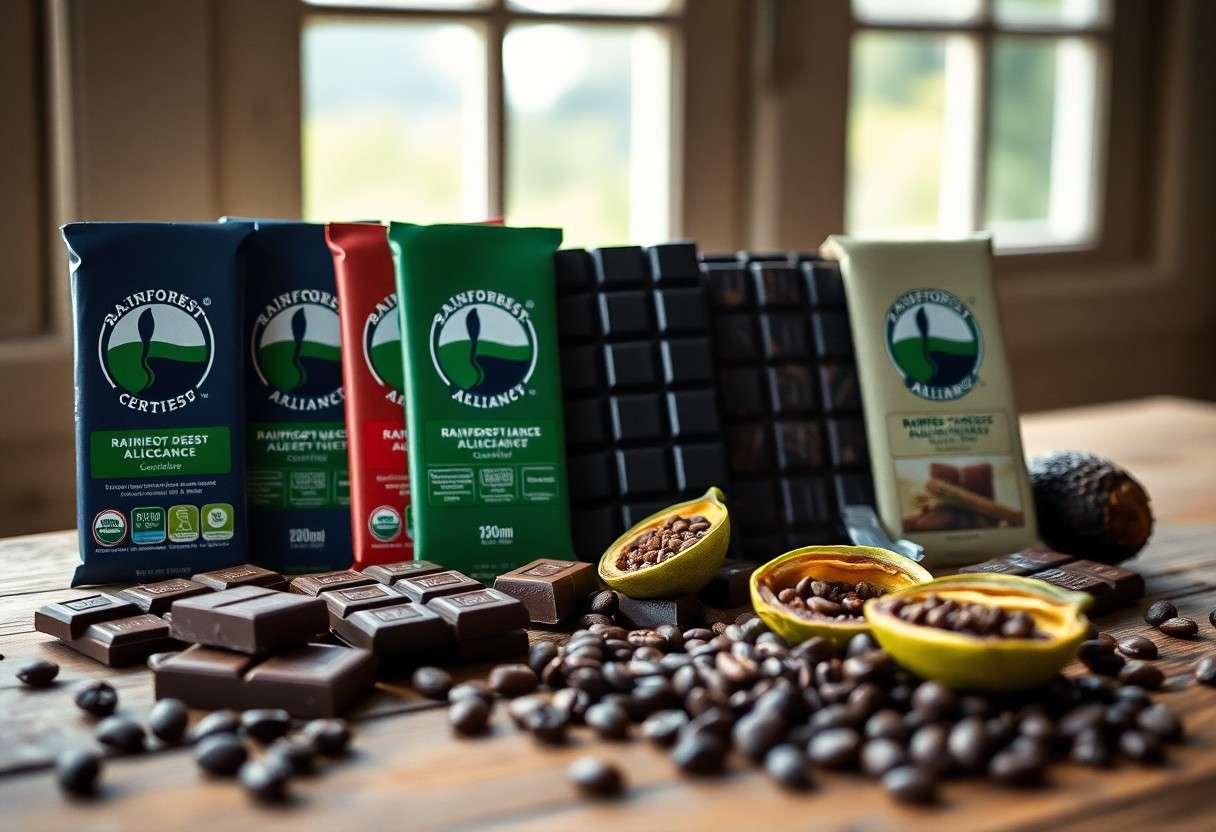
Part of our Sustainable & Eco-Friendly Chocolate & Candy guide.
With Rainforest Alliance certification, you get chocolates that prioritize ethical sourcing and farmer welfare, while you should also watch for high sugar and allergen risks on labels to protect your health and flavor expectations.
The Significance of Rainforest Alliance Certification
Rainforest Alliance certification signals to you that a chocolate brand follows standards for environmental protection, worker welfare, and supply-chain traceability. You can prefer certified options to reduce exposure to products tied to deforestation or exploitative labor while supporting measurable improvements on farms.
Environmental Conservation and Biodiversity
Protecting native habitats means you choose chocolates that support biodiversity through shade-grown cocoa, wildlife corridors, and soil conservation practices. You benefit from lower risk of supply disruptions linked to deforestation and healthier ecosystems that sustain long-term yields.
Improving Livelihoods for Cocoa Farmers
Farmers gain training, safer working conditions, and market access so you buy chocolates that deliver fairer pay and reduce incidents of child labor. You’ll see certified brands investing premiums into community services and programs that raise household resilience.
Income from Rainforest Alliance premiums and cooperative initiatives gives you confidence that funds reach producers for crop rehabilitation and social services; producers also receive technical support and price premiums. You should look for labels highlighting premiums and cooperative ties and note efforts to buffer against market volatility.
Criteria for Evaluating High-Quality Chocolate
Criteria you should apply include origin transparency, farming practices, and processing standards; when you choose Rainforest Alliance Certified bars, look for clear origin labels, minimal additives, and certification marks that confirm ethical sourcing. You should weigh cocoa percentage and ingredient lists against price to gauge authenticity and avoid overly sweet, low-cocoa blends that mask true quality.
Ingredient Purity and Cocoa Content
Ingredients list tells you if a bar is authentic: prefer cocoa mass, cocoa butter, sugar, and natural vanilla, and avoid artificial flavors or excessive emulsifiers. You should target higher cocoa percentages (70%+) for complex flavor and watch labels for pesticide residues or undeclared allergens that compromise safety and certification claims.
Flavor Profiles and Texture Standards
Cocoa tasting should guide you: assess distinct fruit, nut, or floral notes and balanced acidity rather than flat or burnt flavors. You will expect a silky, clean melt and a finish free of off-notes; avoid bars with a gritty or waxy texture that indicate poor processing or fillers.
Texture matters in every bite: you should feel a crisp snap at room temperature, followed by an even melt that releases layered aromas and avoids excessive greasiness or chalkiness. Seek bars where conching and tempering are documented, since those steps produce the desired mouthfeel.
Tasting technique sharpens your judgment: warm a small piece between your fingers, inhale the aroma, then let it melt on your tongue to detect subtle floral or citrus notes and judge the length of finish. Avoid bars that leave a persistent chemical aftertaste or harsh bitterness that masks quality.
Top-Rated Dark Chocolate Selections
These top-rated dark chocolate selections offer you Rainforest Alliance Certified bars that pair ethical sourcing with bold flavor. You’ll find options from 70% to 85% cocoa showcasing complex fruit, nut, and floral notes. If you prefer milder chocolate, avoid bars above 85% because of intense bitterness and higher caffeine; expect clear origin labeling and consistent texture across the best picks.
Best Single-Origin Dark Bars
Single-origin bars let you taste the unique profile of one growing region, and you can notice distinct terroir in every square. You can seek out distinct regional flavors-bright citrus from Ecuador or earthy notes from Madagascar-while relying on the Rainforest Alliance Certified mark to confirm sustainable sourcing and fairer farmer practices.
Top Value-for-Money Dark Varieties
Affordable dark varieties give you dependable flavor without a premium price, so you can enjoy quality daily. You should prioritize bars with the Rainforest Alliance seal and a balanced cocoa percentage (around 65-75%) for the best combination of taste and value; minimal additives help preserve honest chocolate character.
Compare ingredient lists and prices per ounce before you buy, and watch for added sugar or milk solids if you want pure dark chocolate. You should also check allergen warnings and batch dates to avoid stale or contaminated products.
Recommended Milk and White Chocolate Options
You can prioritize bars that pair great taste with traceable ethics; look for clear labeling of origin and processing. Rainforest Alliance Certified marks signal better farm practices, while you should watch ingredient lists for high sugar content and dairy allergens.
Premium Creamy Milk Chocolate Bars
Choose milk bars that list cocoa mass and high-quality milk solids first for true creaminess and balanced sweetness. Rainforest Alliance Certified options help ensure sustainable sourcing, and you should check labels for added sugars if you control sugar intake.
Best Sustainable White Chocolate Picks
Try white chocolates with a high cocoa butter percentage to avoid thin, overly sweet bars and to enjoy buttery depth. Favor products carrying the Rainforest Alliance Certified seal and scan for common soy lecithin and milk allergens.
Consider bean-to-bar and single-origin white chocolates when you want clearer traceability and farm-level impact; certified makers often publish sourcing details. Expect creamy texture, but remain alert to labels that list excessive sugar or additives that compromise sustainability claims. You might also enjoy our guide on Lab-Grown Chocolate – The Next Frontier in Sustainable Confectionery.
Leading Brands Championing the Ethical Movement
Brands you know have moved beyond marketing to adopt Rainforest Alliance certification, offering you consistent sourcing standards, investments in farmer training, and measurable gains in reduced deforestation. These larger players can provide scale and traceability that helps protect soil health and improve long-term crop yields you rely on.
Global Industry Leaders in Sustainability
Companies such as Mars, Mondelez, and Hershey have scaled Rainforest Alliance programs so you can find certified bars worldwide, backed by funding for farmer resilience and worker safety initiatives. Watch for their labels when you want brands actively addressing risks like child labor and pesticide exposure in cocoa supply chains.
Notable Artisanal and Boutique Producers
Small-batch makers offer you single-origin, Rainforest Alliance-certified beans paired with transparent sourcing and direct relationships to farmers, delivering distinctive flavors and ethical premiums. Expect higher prices that reflect fairer pay and direct trade commitments enhancing farmer livelihoods.
Tasting these boutique bars will show you nuanced terroir and careful processing while supporting responsible farming practices; pay attention to producer notes and certifications to confirm both quality and ethical integrity.
Smart Shopping: How to Read the Labels
You should scan packaging for clear certification lines, ingredient origins, and the cocoa percentage so you can judge quality and ethical claims; prioritize products that state Rainforest Alliance certified with seller transparency.
Check the back panel and product pages for sourcing notes and batch info, because claims can be misleading when companies use pooled or mixed cocoa rather than fully certified lots.
Locating the Rainforest Alliance Seal
Look for the green frog seal on the front, near the ingredients list, or in online product images so you can confirm the product shows the official Rainforest Alliance frog rather than a vague sustainability statement.
Understanding Mass Balance Sourcing
Mass balance means you may buy chocolate where the company purchased credits for certified cocoa while the physical beans were mixed, so you should know the cocoa in your bar might not be physically traceable.
Consider checking for terms like “segregated” or “identity preserved” if you want fully traceable cocoa, and ask retailers for sourcing details when a label only mentions mass balance to avoid being misled about supply chain claims. You might also enjoy our guide on How Edible Wrappers Are Reducing Candy Waste.
Summing up
So you can choose Rainforest Alliance Certified chocolates that deliver quality and sustainability: look for single-origin dark bars from trusted brands, fair-trade blends with clear sourcing, and bars with high cacao percentage for richer flavor. You will support farmer welfare and ecological practices while enjoying refined taste and consistent ethics in your purchases. You might also enjoy our guide on Best Plant Based Caramels Made With Natural Sweeteners.