Ultimate Dairy-Free Chocolate Chip Guide
Chocolate chip cookies can still be a delightful treat without dairy. In this ultimate guide, you'll discover the best dairy-free chocolate chip options, tips f

This article contains Amazon affiliate links. As an Amazon Associate, CandiesAndSweets earns from qualifying purchases.
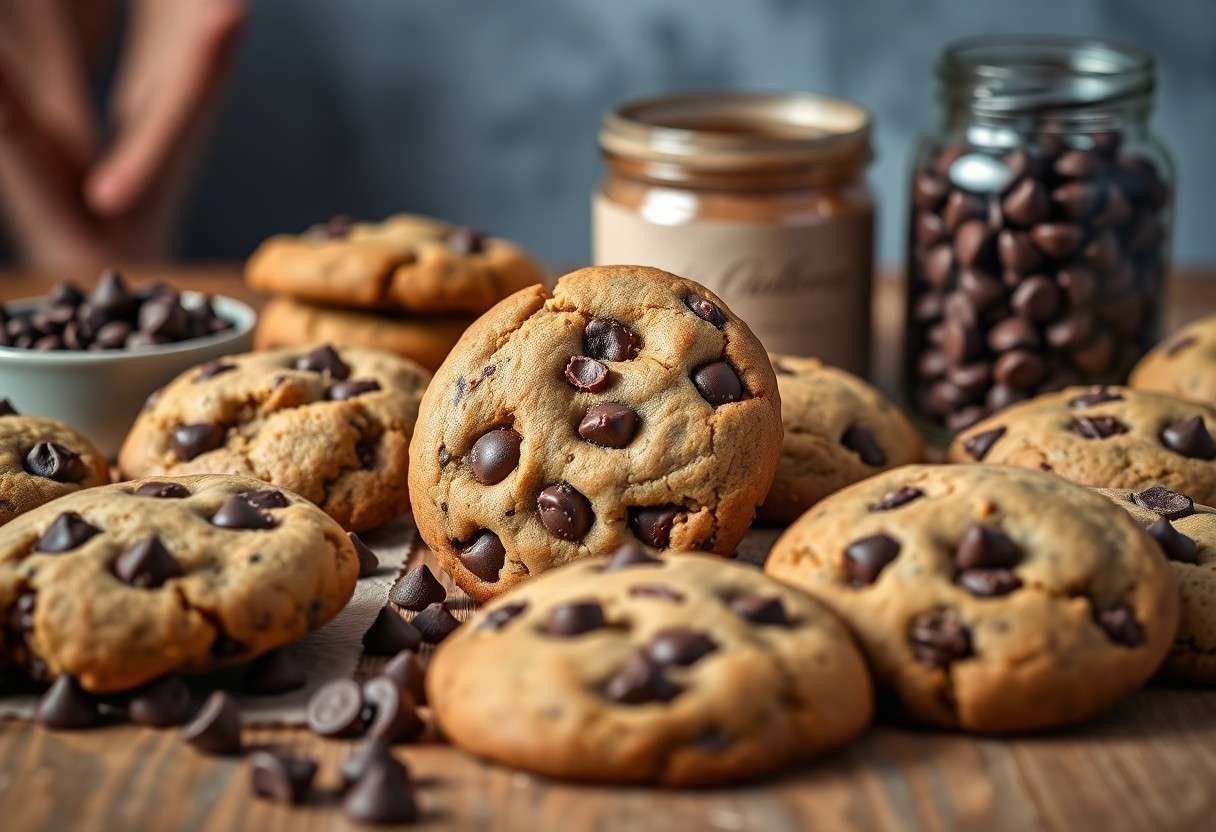
Chocolate chip cookies can still be a delightful treat without dairy. In this ultimate guide, you’ll discover the best dairy-free chocolate chip options, tips for baking with alternatives, and how to enhance your cookies’ flavor and texture. Whether you’re vegan, lactose-intolerant, or simply seeking a healthier option, this guide will equip you with everything you need to create delicious, dairy-free chocolate chip cookies that satisfy your sweet tooth.
Types of Dairy-Free Chocolate Chips
When exploring the various types of dairy-free chocolate chips, you’ll come across several options tailored to different tastes, dietary needs, and cooking applications. Each variety offers unique flavors and characteristics, making it easy for you to find a suitable choice for your baking or snacking. From classic chocolate flavors to more innovative blends, understanding these options helps ensure that you select the best chocolate chips for your culinary creations.
| Type | Description |
| Dark Chocolate Chips | Rich in flavor, typically vegan-friendly. |
| Milk Chocolate Alternatives | Made with plant-based ingredients to mimic milk chocolate’s creaminess. |
| White Chocolate Alternatives | Usually made with cocoa butter and sweeteners; dairy-free versions are available. |
| Flavored Chips | Includes varieties like mint, peanut butter, and caramel. |
| Sugar-Free Options | Sweetened with alternatives for low-sugar diets. |
Transitioning into plant-based options, you’ll find that numerous companies have developed chocolate chips tailored specifically for vegans and those avoiding dairy. They often utilize natural sweeteners and alternative fats, such as coconut oil, to recreate the creamy texture found in traditional chocolate. Brands like Enjoy Life and Pascha offer a range of products that not only meet dairy-free standards but also consider additional dietary restrictions, such as gluten-free and allergen-free options.
Plant-Based Options
When opting for plant-based chocolate chips, you’ll typically encounter varieties that contain little to no added sugars, appealing to those who are health-conscious. Many of these chips derive their sweetness from natural sources, such as coconut sugar or agave syrup, ensuring you don’t compromise on flavor while adhering to dietary preferences. Some brands even focus on ethical sourcing and environmentally friendly practices, allowing you to feel good about your chocolate choices.
The texture and melting properties of plant-based chocolate chips have improved significantly over the years, making them a reliable substitute in baking and cooking. Whether you’re preparing cookies, brownies, or pancakes, these chips blend seamlessly into recipes without sacrificing taste. Additionally, many plant-based options offer rich, deep flavors that rival their dairy counterparts, making it easier for you to switch to dairy-free without a second thought.
Ultimately, plant-based chocolate chips can provide a delicious alternative for your sweet treats while accommodating diverse dietary needs. Assume that you’re making a recipe that calls for chocolate chips; experimenting with these options may lead you to discover new favorites that suit your palate and lifestyle.
Specialty Blends
Specialty blends of dairy-free chocolate chips have emerged as a popular category for those seeking unique flavors and characteristics. These chips are often infused with spices, extracts, or other elements to amplify their taste profile. Common examples include chips infused with spices like cinnamon or chili for a more adventurous twist, as well as those blended with natural fruit flavors, such as raspberry or orange. This variety encourages creativity in your baking and cooking, allowing you to enhance familiar recipes with exciting new flavors.
The appeal of specialty blends extends beyond just taste; they often cater to specific dietary lifestyles, like keto or paleo. With thoughtful ingredient choices, they can maintain indulgent flavors while adhering to health-conscious requirements. As a result, you can enjoy baking your favorite treats without deviating from your dietary preferences. Furthermore, many specialty chip brands prioritize the use of ethically-sourced ingredients, giving you peace of mind while indulging.
Unlocking the potential of specialty blends allows you to elevate your desserts and snacks uniquely. Whether incorporating these blends into classic brownie recipes or exploring new cake options, you’ll open up a world of flavor possibilities. By experimenting with these diverse options, you can find combinations that please your palate and impress friends and family alike.
For those seeking something beyond the conventional, specialty blends offer an exhilarating alternative worth trying in your recipes. Whether the flavors are bold or subtle, you’ll see how unique combinations can transform your baking game significantly.
Tips for Choosing the Right Chocolate Chips
Selecting the right chocolate chips can significantly impact your dairy-free baking results. With an ever-expanding market of options, you’ll find various brands and types, each offering different textures and flavors. To ensure you make an informed choice, it’s vital to pay attention to the ingredients and the type of chocolate used. Dairy-free chips are commonly made with cacao solids, cocoa butter, sweeteners, and emulsifiers. When faced with several products, it’s beneficial to refine your options based on quality, fat content, and sugar levels. Higher cocoa content usually means richer flavor, while lower sugar levels can help achieve a balanced sweetness in baked goods.
When making your selection, consider the intended use of the chips. For melting purposes, look for brands specifically labeled as melting chocolates; they tend to have a smoother consistency. If you’re using them in recipes where they need to hold their shape, such as cookies or brownies, choose chips designed for baking. Another key factor is the size of the chips; mini chips can distribute evenly and provide a little burst of chocolate in each bite, while traditional size chips offer more of a chocolate-focused experience. Additionally, some brands offer specialty variations, such as dark chocolate, semi-sweet, or even flavored options like mint or peanut butter.
- Check for allergen statements to ensure dairy-free status.
- Consider the cocoa percentage for flavor intensity.
- Evaluate the sugar content for health-conscious baking.
- Look for organic or fair-trade certifications for quality assurance.
- Consider the texture and meltability based on your baking needs.
After narrowing down your choices, understanding how to read labels and how flavor profiles can influence your baking will make the process more seamless.
Reading Labels
Reading labels is vital for ensuring you’re selecting high-quality dairy-free chocolate chips. Ingredients lists can significantly vary across brands, so you should always start by examining the components. Avoid brands that use vague terms like “natural flavors,” as they may not guarantee dairy-free assurance. Instead, look for clear indications that the product is dairy-free, typically marked on packaging. Some labels proudly display vegan symbols, which indicates adherence to plant-based standards, while others may indicate allergen-free statuses.
Take note of the types of sweeteners used, as many chocolate chips incorporate refined sugars, agave, or other alternatives. If you’re focusing on health or dietary restrictions, choosing brands that utilize organic or less processed sugars can be beneficial. Additionally, the inclusion of emulsifiers like soy lecithin can enhance texture and mouthfeel, and these should generally be acceptable in dairy-free baking, but it’s still wise to check for any allergies or sensitivities you may have.
Lastly, pay attention to the nutritional information accompanying the product. This includes fat content, calories, and serving sizes. A higher fat content can contribute to a richer flavor and better texture when baked, while a lower fat count may sacrifice creaminess. Finding balance in these nutritional aspects is pivotal to achieving your desired outcome in recipes, so consider how each brand stacks up against others before making your purchase.
Flavor Profiles
The flavor profile of chocolate chips can vary widely based on the type of cocoa beans used and the manufacturing process. Dark chocolate chips, for example, often have a smooth and rich taste, complemented by a slight bitterness that balances well with sweeter doughs. Semi-sweet chocolate chips offer a more even sweetness and are ideal for classic recipes like cookies, providing that quintvital chocolate experience without overwhelming the palate. Milk chocolate alternatives made from dairy substitutes can also be a treat, offering a creamier, sweeter flavor that can appeal to those transitioning to dairy-free options.
Additionally, the roasting process greatly influences the flavor — beans roasted at higher temperatures may result in more complex, smokier tones, while lightly roasted beans maintain a more straightforward chocolate taste. There’s an array of specialty chips with flavors that extend beyond traditional offerings, including sea salt caramel, mint, or even chili-infused chocolate. Exploring these various flavors can add unique twists to your recipes and redefine traditional treats.
Step-by-Step Guide to Baking with Dairy-Free Chocolate Chips
| Recipe Substitutions | Baking Techniques |
Recipe SubstitutionsWhen baking with dairy-free chocolate chips, you may find the need to make various substitutions in your recipes. For instance, if a recipe calls for butter, you can replace it with coconut oil or a dairy-free margarine to achieve a similar texture and flavor. For a more neutral taste, avocado oil is another excellent alternative that won’t alter the overall flavor of your baked goods. Each substitute offers different fat content, so you might want to adjust the quantity slightly depending on the richness of your chosen fat. If you’re dealing with a recipe that includes sour cream, you can easily substitute it with plant-based yogurt or silken tofu blended until smooth. This not only maintains the moisture and acidity needed for leavening but contributes nutrients and offers a similar texture without dairy. Additionally, if your recipe uses milk, consider almond milk, oat milk, or soy milk, which can each lend their own subtle flavors while keeping the batter or dough moist. It’s also important to note that some dairy-free chocolate chips may have different sweetening agents compared to traditional chocolate chips. If you are using a less sweet variety, you might consider reducing the amount of sugar in your recipe to achieve a harmonious balance. Always keep an eye on the ratios, as the right adjustments can perfectly complement the flavor profile of your final product. |
Baking TechniquesMastering your baking techniques is paramount when using dairy-free chocolate chips. Start by ensuring that all your ingredients are at room temperature, as this helps create a more uniform batter and improves the overall texture of your baked goods. When you’re ready to mix, consider the creaming method, which involves blending your dairy-free fats with sugar until light and fluffy. This step incorporates air, leading to a lighter final product. Use a hand mixer or stand mixer for best results, and scrape down the sides to ensure everything is properly combined. Monitoring your mixing times is just as critical. Over-mixing can lead to denser outcomes, particularly in cakes and cookies. You’ll want to mix until just combined, especially when folding in your dairy-free chocolate chips. This will prevent the chips from breaking down too much and losing their shape when baked, allowing them to delightfully melt and ooze in every bite. Timing is also vital; keeping a close watch on baking times helps prevent overbaking, which is particularly common when using lower-fat dairy substitutes. Lastly, cooling your baked goods properly can enhance their texture and flavor. It might be tempting to dig in right after pulling them from the oven, but allowing them to cool on a wire rack helps maintain their structure. This process prevents a soggy bottom by ensuring even air circulation around the treats. If you’re using parchment paper for easy removal, let them cool slightly before lifting to avoid breakage. |
Be sure to embrace experimentation with these baking techniques. The beauty of making dairy-free treats lies in the versatility your ingredients offer, allowing you to play around with various flavors and textures. If you prefer a more enriched flavor, opt for additional spices or flavor extracts like vanilla or almond. Also, don’t shy away from mixing in nuts or other add-ins that complement dairy-free chocolate chips. Each of these approaches not only enhances your baking repertoire but also ensures that your final products are enjoyable and delicious without compromising on taste.
Factors to Consider
When diving deeper into the world of dairy-free chocolate chips, several factors can significantly affect your overall baking experience and the final product. Choosing the right chips requires attention to specific details, including ingredients, intended use, and melting properties. You should also consider how these factors will influence both your baking process and the taste of your end result. By paying attention to these aspects, you can ensure a seamless integration of chocolate chips into your favorite recipes.
Before making a final selection, take the time to examine the label for potential allergens and sensitivities. While many brands offer dairy-free alternatives, they may still contain allergens like peanuts, tree nuts, or soy, which could affect you or your loved ones. Additionally, be mindful of cross-contamination warning statements that indicate possible exposure to dairy or other allergens during manufacturing. Making informed decisions can help you avoid issues and ensure that your baked goods are safe and enjoyable for everyone.
- Check for certifications (e.g., vegan, gluten-free) to gain more confidence in your choice.
- Look for natural sweeteners or organic ingredients to align with health goals.
- Consider ethical sourcing of chocolate, as some brands prioritize fair trade practices.
- Explore brand reputation and reviews for added insight into flavor and quality.
This emphasis on scrutinizing labels ensures that you not only select chips that adhere to dietary restrictions but also enhance the flavors and textures of your baked items.
Allergens and Sensitivities
Your health and safety are paramount when choosing dairy-free chocolate chips, particularly if you or someone you are baking for has specific allergies or sensitivities. It’s imperative to scrutinize the ingredients used in your selected chocolate chips, as many variations may not be as allergen-friendly as they appear. For example, even products labeled as dairy-free might still include ingredients derived from nuts, soy, or gluten, which can pose risks for individuals with certain dietary needs.
Moreover, many chocolate chips are manufactured in facilities that process other allergens, leading to the potential for cross-contamination. This is particularly important if you’re baking for others since unintended exposure could lead to allergic reactions. Always check for the “may contain” labels that indicate cross-contact with allergens, and consider reaching out to manufacturers if you have specific concerns.
Ultimately, taking the extra time to research and verify allergen-free options will grant you peace of mind and ensure your chocolate chip cookies or brownies can be enjoyed by everyone. This scrutiny can significantly enhance your baking experience while keeping loved ones safe from potential allergens.
Melting Properties
Understanding the melting properties of dairy-free chocolate chips is imperative for achieving desired results in your baking endeavors. Unlike traditional chocolate, which often incorporates milk fat for a smooth melting experience, dairy-free options can vary significantly in their melting performance. Different types of dairy-free chocolate chips may include varying ratios of cocoa butter and other fats, which impact how they behave during baking and melting processes. For instance, chips made with coconut oil might offer a gentler melt, while those made with palm oil could create a firmer finish.
Your method of melting chocolate also plays a pivotal role. Whether you opt for the classic double boiler method or use the microwave, the method can affect the consistency and texture of the melted chocolate. If you’re melting chips for dipping or drizzling, familiarize yourself with specific melting instructions that accompany your chosen brand since some may require lower temperatures to avoid seizing. Additionally, the environment in which you’re working, including humidity and temperature, can impact the melting properties of your chocolate chips. Higher humidity might make chips clump, while cold temperatures can cause them to harden quickly.
A significant consideration when choosing dairy-free chocolate chips for your recipes is their function in the final baked goods. This affects not only the chocolate’s performance but also its flavor profile in the context of the overall dish. As chocolate chips melt differently based on their composition, it’s imperative to conduct a few tests to determine which variety works best for your targeted recipes and ensures successful results. This knowledge will empower you to select the optimal chocolate chips that meet your baking needs, enabling you to create perfectly delicious treats.
Pros and Cons of Dairy-Free Chocolate Chips
Pros and Cons
| Pros | Cons |
|---|---|
| Suitable for lactose-intolerant individuals | May be less creamy than regular chocolate chips |
| Often made with healthier fats like coconut or cocoa butter | Flavor profiles can vary significantly among brands |
| Vegan-friendly options available | Some may contain additives for texture |
| Many brands offer organic options | Higher cost compared to traditional chips |
| Encourages creativity in baking and cooking | Limited variety in certain specialty flavors |
| Typically free from artificial flavors and colors | May require adjustments in baking recipes for optimal results |
Health Benefits
Dairy-free chocolate chips offer a range of health benefits that can complement a balanced diet. For those who are lactose intolerant or have a dairy allergy, these chocolate chips provide a delicious alternative without the digestive discomfort associated with traditional chocolate. Formulated often with plant-based ingredients, you may find that these chips include beneficial compounds like antioxidants found in cacao, which can help combat oxidative stress in the body. Furthermore, by choosing dairy-free options, you can reduce saturated fat intake, helping to promote heart health without sacrificing taste.
Many consumers are increasingly seeking dairy-free products, aligning with a plant-based lifestyle. This shift is supported by an array of studies indicating that plant-based diets may help lower the risk of chronic diseases such as diabetes, heart disease, and certain cancers. Using dairy-free chocolate chips in your recipes can contribute to this healthy approach while keeping your indulgences in check. Not only do they satisfy your sweet tooth, but they can also fit nicely within healthier dietary frameworks.
In terms of mindful eating, selecting dairy-free chocolate chips can assist you in reaching your fitness and health goals without feeling deprived. You can find chips that are sweetened naturally, often using alternatives like coconut sugar or agave, which may offer a lower glycemic index compared to refined sugars. This means you can enjoy the pleasure of chocolate while also making choices that support your overall health and wellness journey.
Taste and Textural Differences
While dairy-free chocolate chips replicate many of the flavors and textures of their traditional counterparts, there are notable distinctions you will notice upon tasting. For example, dairy-free varieties often possess a more pronounced cocoa flavor due to the absence of milk fat, which can sometimes dull the rich chocolate notes. This shift might lead you to favor brands with higher cocoa content, as they can offer a bolder, more intense chocolate experience that aligns with your preferences.
In terms of texture, dairy-free chocolate chips can differ quite a bit depending on the fat blend used in the recipe. Some brands employ coconut oil or cocoa butter, which lends a different mouthfeel compared to the creaminess of dairy. You may find that certain dairy-free chips melt differently, potentially impacting your baking results. Adapting your baking technique to account for these textural variations can ultimately lead you to discover new favorites that enhance your culinary repertoire.
It’s also important to experiment with different brands to see which ones align with your taste preferences and baking needs. Consider your desired outcome—whether it’s a chewy cookie or a fudgy dessert—and choose dairy-free chocolate chips that complement those objectives. Depending on the formulation, some may hold their shape better than others, which can be a significant factor in achieving the perfect treat.
Summing up
Taking this into account, your journey into the world of dairy-free chocolate chip options has equipped you with crucial knowledge that transcends just the ingredients. You have unraveled the nuances of selecting the right dairy-free chocolate chips, ensuring that your baking endeavors align with your dietary preferences and health goals. From understanding the different types of dairy-free chocolates available to recognizing the importance of reading labels carefully, you are now well-versed in making informed choices that enhance your culinary creations.
In addition to ingredient selection, you have explored various recipes that utilize these chocolate chips, ranging from classic cookies to innovative dessert options. This guide has not only broadened your recipe repertoire but has also inspired you to experiment with dairy-free alternatives in your favorite treats. With comprehensive instructions and tips at your fingertips, you can confidently whip up delicious desserts that cater to your taste while remaining mindful of dietary restrictions.
Ultimately, your newfound expertise empowers you to enjoy the delightful flavors of chocolate in a dairy-free form. Armed with this information, you can indulge in baking with ease and creativity, appealing to a wide range of tastes. As you continue to innovate in your kitchen, the skills and insights you have gained from this guide will serve as a solid foundation for numerous successful, dairy-free chocolate chip adventures ahead.