Ultimate Guide to Vegan Chocolate Truffles
Truffles are a delectable treat, and making vegan chocolate truffles at home allows you to indulge without compromising your dietary choices. This ultimate guid

This article contains Amazon affiliate links. As an Amazon Associate, CandiesAndSweets earns from qualifying purchases.
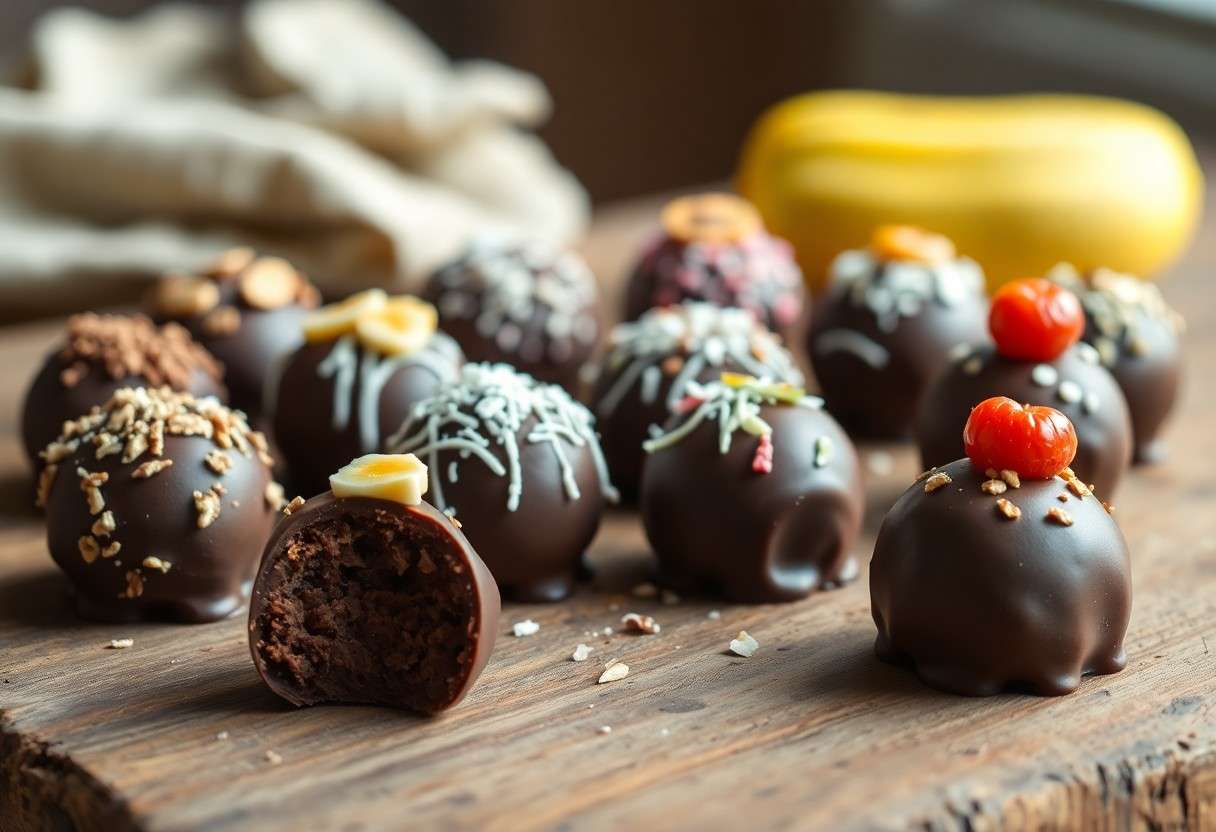
Truffles are a delectable treat, and making vegan chocolate truffles at home allows you to indulge without compromising your dietary choices. This ultimate guide will provide you with everything you need to create rich, creamy, and completely plant-based truffles that will impress your taste buds. You’ll discover imperative ingredients, foolproof techniques, and creative flavor variations that will elevate your chocolate-making skills to new heights. Embrace the art of crafting divine vegan chocolate truffles that everyone can enjoy!
Types of Vegan Chocolate Truffles
Vegan chocolate truffles come in various forms, each offering distinct textures and flavors to please your palate. The primary types can be categorized based on preparation methods, such as raw, cooked, and flavored truffles. Each type brings a unique aspect to the traditional chocolate truffle, elevating it to a delightful vegan experience. Understanding these variations allows you to select the right one for any occasion, whether you prefer the health benefits of raw ingredients, the warmth of cooked truffles, or the excitement of innovative flavor combinations.
Here’s a simple breakdown of the different types of vegan chocolate truffles you can explore:
| Type | Description |
| Raw Vegan Truffles | Made with unprocessed ingredients, preserving nutrients and natural flavors. |
| Cooked Vegan Truffles | Involves heating ingredients, creating unique textures and flavors. |
| Flavored Vegan Truffles | Infused with fruits, spices, or liquors for enhanced taste profiles. |
| Nut Butter Truffles | Incorporate nut butters for a creamy consistency and rich flavor. |
| Superfood Truffles | Include health-boosting ingredients like chia seeds, spirulina, or matcha. |
Assume that you are ready to discover exciting variations, each offering a new adventure for your taste buds.
Raw Vegan Truffles
Raw vegan truffles are crafted from unprocessed ingredients that retain their natural nutrients and flavors. Typically made with raw cocoa powder, dates, nuts, and seeds, these truffles are not only delicious but also packed with vitamins and minerals. When you choose to make raw truffles, your focus is on quality, organic ingredients that highlight the essence of plant-based foods. For instance, using Medjool dates for sweetness contributes to a chewy texture, while nuts add creaminess and richness.
The preparation of raw truffles is quick and simple. By blending the base ingredients in a food processor, you create a dough-like consistency. Afterward, you can shape the mixture into small balls, which can be rolled in cocoa powder, shredded coconut, or crushed nuts for added flavor and texture. The simplicity of the process allows everyone to get creative, making it easy to tailor the flavors to fit your preferences or dietary needs. Moreover, these truffles require no baking, maintaining their raw integrity and nutritional value.
These truffles are perfect for those who are health-conscious yet still crave a sweet treat. With variations ranging from chocolate mint to berry-infused delights, raw vegan truffles can easily become your go-to dessert. They not only satisfy your sweet tooth but also align with your healthy eating goals, making it easy to indulge without guilt.
Cooked Vegan Truffles
Cooked vegan truffles, unlike their raw counterparts, involve the heating of various ingredients to achieve distinct flavors and textures. By melting dark chocolate or a mixture of cocoa butter and cocoa powder, you create a rich and decadent base that serves as the foundation for your truffles. Additionally, cooking can intensify flavors and create a smoother texture, allowing for a luxurious mouthfeel that’s hard to resist. Adding ingredients like coconut milk or almond milk creates a creamy consistency that elevates your treat.
The process of making cooked truffles generally takes a bit more time, as you will need to allow the mixture to cool before shaping it into balls. However, this extra effort is well worth it for the resulting taste. You can experiment with various flavorings, such as vanilla extract, orange zest, or a splash of coffee, to bring out the complexity of flavors in your truffles. Once formed, these cooked truffles can also be coated with melted chocolate or vegan graham cracker crumbs for additional texture and visual appeal.
Cooked vegan truffles are ideal for gatherings or special occasions. They deliver rich flavors and a sense of indulgence that is often a hit among both vegans and non-vegans alike. Whether drizzled with extra melted chocolate or adorned with a sprinkle of sea salt, cooked truffles are a sophisticated treat that’s sure to impress. Assume that when served, they will be a conversation starter and a testament to the delicious possibilities within vegan dessert making.
Flavored Vegan Truffles
Flavoring your vegan truffles opens up an entire world of taste possibilities that can cater to every individual’s cravings. These truffles can be infused with various ingredients like vital oils, spices, or flavored extracts. Classic flavors such as orange, raspberry, or coffee can be combined with the rich cocoa base to create a rich, dynamic experience. Considerations such as pairing raw cocoa with fruity notes or infusing your truffles with spices like cinnamon or chili can create unique and exciting flavor profiles that tantalize your taste buds.
Moreover, flavored truffles can be tailored for special occasions or themed events. For example, pumpkin spice truffles can be a fall staple, while peppermint serves as a refreshing winter treat. You can use high-quality fruit purees or zests derived from citrus fruits to achieve a vibrant taste. Infusing your truffles with extracts such as coconut or almond can also introduce a distinctive twist that sets them apart from conventional chocolate offerings.
Incorporating flavored components into your truffles not only enhances their taste but also appeals to a broader audience. From perfecting a delicate floral note with lavender to experimenting with nutty flavors like hazelnut or marzipan, there’s a limitless potential for creativity in your kitchen. Assume that you can confidently share these decadent delights, knowing you’ve crafted truly artisanal vegan chocolates that will leave everyone wanting more.
Step-by-Step Guide to Making Vegan Chocolate Truffles
Ingredients and Tools Needed
To create your delicious vegan chocolate truffles, start with high-quality ingredients. You will need dairy-free dark chocolate (at least 70% cocoa for depth of flavor), coconut cream for a rich, creamy texture, and a touch of maple syrup for sweetness. A pinch of sea salt can elevate the flavor, while optional extracts like pure vanilla or espresso can add complexity. Fresh fruit, nuts, or spices can serve as delicious flavor variations if you want to personalize your truffles.
As for tools, gathering the right equipment will streamline your truffle-making process. You’ll need a medium heatproof bowl for melting chocolate, a small saucepan, and a rubber spatula for stirring. Prepare a baking sheet lined with parchment paper to cool the truffles, along with your choice of toppings, such as cocoa powder, crushed nuts, or shredded coconut. A melon baller or small cookie scoop is excellent for portioning your mixture into equal-sized truffles.
Having your ingredients and tools at the ready not only simplifies the process but also keeps your workspace efficient. You can play around with different types of chocolate or flavorings, which allows you to explore various combinations that suit your taste preferences. Everything is about creating the ideal balance that makes your truffles a personal treat or an impressive gift for others.
Preparation Instructions
The first step to making vegan chocolate truffles begins with melting your dairy-free dark chocolate. Do this by placing the chocolate in a medium heatproof bowl over a saucepan of simmering water (a double boiler setup). Stir occasionally until melted and smooth. Once melted, remove it from the heat, and gently fold in the coconut cream and maple syrup until combined. Adding the coconut cream creates a luscious consistency that will solidify when chilled, while the maple syrup imparts a subtle sweetness that complements the chocolate.
After mixing your base, allow the chocolate mixture to cool slightly at room temperature. This usually takes about 10 minutes. Once it’s cool enough to handle, chill the mixture in the refrigerator for about 30 minutes. This cooling period firms up the chocolate, making it easier to handle when you begin shaping your truffles. You can also divide the mixture into portions at this stage if you plan on incorporating different flavorings or toppings.
As the mixture sets, set up your designated work area with your prepared toppings. Use your chilled mixture to scoop out small amounts with your melon baller or cookie scoop, rolling them into balls with your hands. Once shaped, roll each truffle in your chosen coating, whether that’s cocoa powder, crushed nuts, or a blend of spices. Place the finished truffles back onto the lined baking sheet and return them to the refrigerator for at least another 15-30 minutes to firm up completely. Proper chilling ensures that your truffles maintain their shape when served.
For a smoother workflow, keep your work area organized, cycling your truffles from mixing to chilling efficiently. You can also experiment with various coatings or flavors, adding a twist to each batch you create.
Tips for Perfect Vegan Chocolate Truffles
Achieving the perfect vegan chocolate truffles requires attention to detail at every step of the process. The foundation is quality ingredients; therefore, invest in high-quality vegan chocolate, preferably with a cocoa content of 60% or higher for a rich flavor and creamy texture. Using fresh, organic ingredients not only enhances the taste but also contributes to improved health benefits. Balance is important, so don’t shy away from adding a pinch of sea salt to enhance the chocolate’s natural flavors, and consider incorporating different extracts or spices to add complexity. Tools matter too, so having a reliable candy thermometer can help you manage temperatures effectively when melting chocolate.
As far as shaping your truffles, the temperature of your mixture plays a fundamental role. If your ganache is too warm, the truffles will be challenging to form, while a colder mixture can harden too much, making the process cumbersome. Aim for a consistency that is firm enough to mold but still pliable. If you find the ganache is too soft, refrigerate it for a short period before rolling. When rolling the truffles in coatings like cocoa powder, crushed nuts, or shredded coconut, ensure they’re freshly prepared to impart maximum flavor and crunch. Don’t hesitate to experiment with combinations, as this could lead to delightful new flavors that excite your palate.
Finally, presentation matters just as much as flavor. After forming your truffles, consider garnishing them with a dusting of edible gold leaf or a sprinkle of sea salt for an elegant touch. Use parchment paper to line your storage container, which helps prevent the truffles from sticking together. Personal touches like these elevate the overall experience, making your truffles not only delicious but visually appealing as well. After crafting your truffles, indulge in their perfect textures and flavors today.
Handling Chocolate
Handling chocolate correctly is vital to achieving smooth, glossy truffles. Start by chopping your chocolate into even pieces to ensure it melts uniformly. The method you use for melting can significantly impact the final texture. If you’re using a double boiler, maintain low heat to avoid overheating; too high a temperature can seize the chocolate, rendering it unusable. Alternatively, using the microwave can be a quick method, but be sure to melt in short bursts of 15-20 seconds, stirring in between to help distribute the heat evenly.
Tempering chocolate can further improve your truffles’ texture and sheen, making them more visually appealing. While not strictly necessary for truffles, it helps in achieving a more stable finish. To temper, melt two-thirds of your chocolate and add the remaining third, stirring continuously until it reaches about 88°F to 90°F (31°C to 32°C). This step yields a truffle with a delightful snap when bitten into, providing a pleasurable contrast to the creamy filling.
Post-melting, allow your chocolate to cool slightly before combining it with any other ingredients. This is critical, as pouring hot chocolate directly onto your other ingredients can alter their consistency, potentially leading to a gritty texture. Once mixed, let the ganache rest for at least an hour before rolling to achieve the optimal firmness for shaping. Handling chocolate with care ensures that your truffles have an irresistible mouthfeel that will impress anyone who takes a bite.
Storage and Shelf Life
Proper storage of your vegan chocolate truffles can extend their shelf life and maintain their taste. Start by placing your truffles in a single layer in an airtight container. If you have multiple layers of truffles, separate each layer with parchment paper to avoid any sticking or flattening. Keep the container in a cool, dry place away from direct sunlight, as heat can cause the truffles to melt or lose their texture. Ideally, you want to consume your truffles within one to two weeks for the best flavor and freshness, but they can last up to three weeks if stored correctly.
Refrigerating your truffles is an option, especially during warmer months, but it may alter the texture, making them slightly firmer than when fresh. If you choose to refrigerate, let them reach room temperature before indulging, as this allows their flavors to intensify. Freezing is an alternative for longer storage: they can last for up to six months. Just be sure to thaw them in the fridge to prevent condensation that can lead to a soggy exterior. Your truffles will be just as tasty when enjoyed later if you take the time to store them adequately.
After following these guidelines for storage and handling, you’ll find your vegan chocolate truffles remain a delightful treat for weeks. Adjust based on your preferences, and experiment with different flavors or coatings, ensuring every bite is as satisfying as the first. Whether you’re enjoying them at home or presenting them as gifts, understanding these nuances will elevate your chocolate-making skills and impress all who taste your creations.
Factors to Consider When Choosing Ingredients
Choosing the right ingredients for your vegan chocolate truffles can significantly influence the final taste and texture. It’s imperative to prioritize quality over quantity, as the flavors and mouthfeel are magnified in a truffle’s simple composition. Look for organic, fair-trade options whenever possible; these not only enhance the taste but also contribute to ethical sourcing practices. You should also be mindful of allergens and dietary restrictions that may affect your ingredient choices, ensuring that everyone can enjoy your creations without concern.
- Quality of chocolate
- Type of sweetener
- Flavor profiles and variations
- Allergen considerations
- Textural elements
One of the biggest mistakes you can make is to overlook the richness of the chocolate itself. The chocolate forms the backbone of your truffle and should be chosen with care. It’s advisable to select dark chocolate with a high cocoa content, ideally 70% or more. This not only provides a robust flavor but also optimizes the health benefits associated with dark chocolate. If you’re feeling adventurous, consider varieties that incorporate unique flavors like sea salt or chilies to elevate your truffles to a gourmet level. Perceiving the subtleties in different chocolates can transform your truffle-making experience from basic to extraordinary.
Chocolate Quality
Quality chocolate is non-negotiable in vegan truffle making. When you select chocolate, scrutinize the ingredient list; aim for options with minimal ingredients, ideally just cocoa mass, cocoa butter, and a plant-based sweetener. The absence of dairy in vegan chocolate creates a need for exceptional quality to ensure you don’t sacrifice creaminess and taste. Brands like Endangered Species or Scharffen Berger often feature high-quality options that cater to your needs. Furthermore, consider exploring single-origin chocolates, as they highlight different flavor profiles based on the region of production, adding an exciting dimension to your truffles.
The texture of your chocolate will also play a significant role in how your truffles set and taste. Good quality chocolate melts smoothly and creates a homogeneous ganache, while subpar chocolate can lead to a gritty or clumpy mixture. It’s wise to invest in chocolate couverture, which is specifically crafted for enrobing and truffle-making due to its high cocoa butter content. This choice will help elevate the texture and give your truffles that luxurious, velvety mouthfeel that everyone craves. Do not forget, a well-crafted ganache is the key to a decadent truffle.
Ultimately, your choice of chocolate can either enhance or detract from the overall experience. Don’t hesitate to conduct taste tests among different brands or varieties; you may discover unexpected favorites. This exploration can be both fun and educational, leading to a more informed decision regarding what will best suit your palette and the anticipated outcome of your truffles.
Sweeteners and Flavorings
Concerning sweeteners for your vegan chocolate truffles, the options are vast and varied. Agave nectar, maple syrup, and coconut sugar are popular choices, each bringing its unique flavor profile and sweetness level. Agave, for instance, has a mild taste and a low glycemic index, making it a trendy option among those seeking a healthier alternative. In contrast, coconut sugar adds a caramel-like richness that pairs beautifully with chocolate, creating depth in your truffle’s flavor.
You should also consider experimenting with natural flavorings to enhance your truffles even further. Ingredients like vanilla extract or almond extract can elevate the taste, while a pinch of sea salt can amplify the chocolate flavor. Spices such as cinnamon or cardamom can lend an unusual yet delightful twist, taking your truffles beyond the ordinary. Don’t shy away from using nuts or fruit purees to create unique textures or flavor combinations. With the right sweeteners and flavorings, your vegan chocolate truffles can be a celebration of tastes and textures that astonish your palate.
In choosing sweeteners and flavorings, you have the power to strike a balance between sweetness and the inherent bitterness of chocolate, allowing you to customize your truffles to suit any preference. Perceiving the delicate interplay between each ingredient can lead to an exquisite and delightful truffle experience. Exploring various combinations can yield stunning results, making each batch of truffles uniquely yours.
Pros and Cons of Vegan Chocolate Truffles
| Pros | Cons |
|---|---|
| Plant-based ingredients promote heart health. | Can be high in sugar if not carefully crafted. |
| Dairy-free option for those with lactose intolerance. | May contain allergens like nuts or soy. |
| Environmentally friendly compared to dairy truffles. | Texture may differ from traditional chocolate truffles. |
| Customizable for various dietary restrictions. | Some brands may use lower quality ingredients. |
| Rich in antioxidants from cocoa. | Can be more expensive than regular truffles. |
| Wide variety of flavor combinations available. | May require specific skills to perfect recipes. |
| Easy to make at home. | Can have a different flavor profile compared to non-vegan options. |
| Good source of energy from natural sugars. | Some vegan alternatives may have added fillers. |
| Guilt-free indulgence when made thoughtfully. | Longer preparation time compared to pre-made options. |
Health Benefits
Your choice of vegan chocolate truffles can bring numerous health benefits, largely stemming from their plant-based components. The primary ingredient, cocoa, is rich in flavonoids, which have been linked to improvements in cardiovascular health, including lower blood pressure and improved blood flow to the heart. Regular consumption of dark chocolate in moderation can also contribute to better cholesterol levels, reducing the risk of heart disease, making your truffle indulgence a heart-healthy option.
Furthermore, vegan recipes often substitute dairy with nutrient-dense foods like nuts, seeds, and coconut. These substitutions not only enhance the flavor profile but also introduce healthy fats and imperative vitamins and minerals. For instance, adding almond butter or tahini can provide additional protein and healthy omega-3 fatty acids, promoting satiety and overall well-being. This way, each truffle can be not only a treat but also a source of nutritional benefit.
Additionally, when you opt for homemade vegan chocolate truffles, you have complete control over the ingredients. This empowers you to choose organic, non-GMO components that cater to your health preferences. By avoiding preservatives and artificial additives commonly found in commercial candies, you’re ensuring that your enjoyment comes without unwanted chemicals, making these truffles a more wholesome treat.
Potential Drawbacks
While vegan chocolate truffles may seem like a perfect treat, they do come with their share of potential drawbacks that you should be aware of. One common concern is the sugar content, as many recipes include significant amounts to achieve the desired sweetness. Excessive sugar can negate some health benefits and lead to potential weight gain or health issues, particularly for individuals monitoring their sugar intake. Carefully selecting lower-sugar or naturally sweetened recipes can help mitigate this issue.
Allergens also present a challenge, especially if you’re preparing truffles for a group. Ingredients such as nuts, coconut, or soy can trigger allergies in certain individuals, creating a risk when serving your homemade creations. Maintaining awareness about these ingredients is imperative to ensure the safety and satisfaction of everyone enjoying your treats.
Moreover, the texture of vegan chocolate truffles may differ from their dairy counterparts. Some people may find the mouthfeel less creamy, which can influence the overall experience. If you are accustomed to traditional chocolate truffles, this change might require a period of adjustment as you appreciate the unique qualities of vegan variations. Understanding that different ingredients yield distinct textures can help you appreciate the nuances without comparing them directly to non-vegan options.
Frequently Asked Questions about Vegan Chocolate Truffles
Common Mistakes to Avoid
One common mistake is not measuring your ingredients accurately. When you’re aiming for the perfect consistency in your truffles, the ratios of chocolate, coconut milk, and any flavorings play a significant role. Using too much liquid, for instance, can result in a truffle that’s overly soft and difficult to shape. To avoid this, invest in a good kitchen scale for precise measurements and consider using a liquid measuring cup for your wet ingredients. It’ll make a noticeable difference in the texture of your finished product.
Another frequent error is using low-quality chocolate. When making vegan chocolate truffles, the chocolate you choose directly influences the flavor profile. Opt for high-quality dark chocolate that contains at least 70% cacao. Chocolate labeled as vegan avoids dairy, but the quality also impacts the richness and mouthfeel of your truffles. Lower-grade chocolates might contain excessive sugar or unwanted additives, compromising your truffles’ overall taste and texture.
Finally, don’t skip the chilling step. After mixing your ganache, refrigerating it allows the mixture to firm up, making it easier to scoop and roll into balls. Many home cooks are eager to skip this step to save time, but rushing leads to a messy truffle-making process. Chill your ganache thoroughly, ideally for several hours or overnight, to enhance the flavor as well as the texture of your truffles.
Variations and Substitutions
Exploring variations and making substitutions can elevate your vegan chocolate truffles into something truly unique. For instance, if you’re looking to add a burst of flavor, consider infusing your coconut milk with spices such as cinnamon or cardamom before mixing it with chocolate. Alternatively, you can incorporate different flavor extracts, such as almond or mint, to cater to your taste preferences. These small tweaks can significantly shift the experience of your truffles, turning a simple chocolate treat into a gourmet dessert.
If you want to adapt the base ingredients, you can substitute almond butter or cashew cream for coconut milk to introduce a creamier texture and nutty flavor. Each nut butter has a distinct flavor that can complement the chocolate, helping you to create a variety of truffles from one base recipe. Adjusting the sweetener also provides room for customization. Maple syrup, agave nectar, or even pitted dates can replace refined sugars, allowing you to cater to specific dietary needs or preferences.
Lastly, rolling your truffles in different coatings not only adds flavor but also texture. Instead of the classic cocoa powder, try crushed nuts, shredded coconut, or even matcha powder to enhance the visual appeal and flavor complexity. Each option offers a different crunch and taste experience, encouraging you to experiment and find your favorite combinations.
With endless possibilities for variations and substitutions, your vegan chocolate truffles can be tailored to personal preferences, ensuring each batch is unique and delightful. Feel free to experiment with different ingredients until you discover the perfect truffle that satisfies your taste buds.
To wrap up
The journey through the world of vegan chocolate truffles has provided you with a comprehensive understanding of how to create delightful, plant-based treats. By exploring various ingredients, techniques, and flavor combinations, you are now equipped with the knowledge to craft truffles that accommodate any dietary preference without sacrificing taste or texture. Whether you choose to incorporate rich nut butters, natural sweeteners, or a mix of decadent flavors, your options are vast and exciting, allowing you to personalize your creations to suit your palate.
You have also discovered the importance of using high-quality vegan chocolate, as it is fundamental to achieving the perfect truffle consistency and taste. The right chocolate not only enhances the overall flavor but also promotes a satisfying mouthfeel that can often be a concern when working with vegan ingredients. Armed with this insight, you can confidently select chocolates that align with your values and ensure your truffles impress both your guests and your taste buds.
Lastly, the versatility of vegan chocolate truffles is a testament to their accessibility and appeal. As you explore different variations and presentation styles, you can elevate your confectionery skills while sharing these delightful treats with friends, family, or even at special events. Embrace your creativity and use this ultimate guide as a foundation for endless experimentation, ultimately allowing you to enjoy not only the process of making truffles but also the joy they bring to those around you.