Ingredient Upcycling Creates Value from Food Waste in Innovative Candy Products
Many businesses are transforming food waste into delicious candy through ingredient upcycling, offering you a sustainable option that not only satisfies your sw

This article contains Amazon affiliate links. As an Amazon Associate, CandiesAndSweets earns from qualifying purchases.
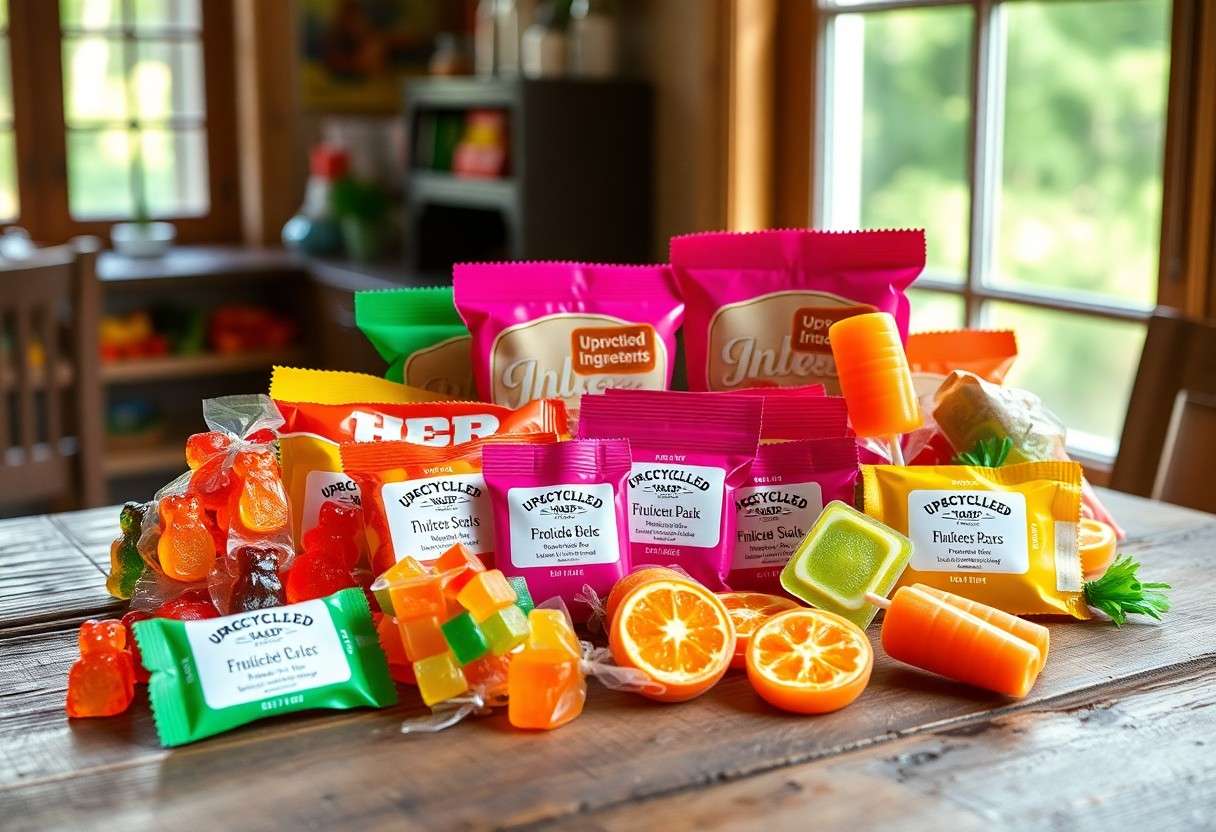
Many businesses are transforming food waste into delicious candy through ingredient upcycling, offering you a sustainable option that not only satisfies your sweet tooth but also helps reduce environmental impact. By repurposing ingredients that would otherwise be discarded, these innovative products create value from waste, allowing you to enjoy treats that contribute positively to the planet. This blog post explores how this trend is revolutionizing the confectionery industry and how you can embrace these eco-friendly delights.
Understanding Ingredient Upcycling
Definition and Importance
Ingredient upcycling involves repurposing food byproducts into innovative products, particularly in the candy sector, where discarded ingredients contribute to novel flavors and textures. This process not only enhances your product offerings but also addresses the growing concern over food waste in various industries. For instance, using fruit peels to create natural flavoring extracts can provide unique taste profiles while reducing the volumes of waste sent to landfills.
Consumers are increasingly drawn to brands that prioritize sustainability, making ingredient upcycling not just a creative endeavor but also a strategic business decision. By incorporating upcycled ingredients, you position your candy products within a growing market segment that values environmental responsibility, thus appealing to a conscious consumer base. Research shows that upcycled products can improve brand loyalty, with 74% of shoppers willing to pay a premium for items that utilize sustainable practices.
Environmental Impact
Food waste is a major contributor to environmental problems, emitting significant greenhouse gases as it decomposes in landfills. The United Nations estimates that around 1.3 billion tons of food is wasted annually, which could feed billions of people. By upcycling ingredients, businesses like yours can significantly reduce these waste figures and contribute to a more sustainable food system. Implementing upcycling initiatives helps minimize the environmental footprint of conventional candy production, providing a dual benefit of increasing profitability while promoting ecological balance.
The upcycling process aligns with circular economy principles, closing the resource loop by transforming surplus materials into valuable products. This initiative conserves resources like water and energy, which are otherwise expended in traditional agricultural and manufacturing processes. Additionally, countries that embrace these practices see a ripple effect, where overall carbon emissions can be reduced across various sectors. Your engagement in ingredient upcycling could contribute to a larger movement, inspiring systemic change in how the food industry approaches waste and resources.
The Process of Upcycling Food Waste
Sourcing Ingredients
Sourcing ingredients for upcycled candy products involves identifying food waste streams that can be repurposed. You might start by collaborating with local farms, grocery stores, or food manufacturers to collect surplus produce that is not aesthetically perfect for retail. For example, fruits with blemishes or odd shapes are often discarded but can be transformed into flavorful candy components. Additionally, by establishing partnerships with these suppliers, you can ensure a steady supply of unique ingredients while contributing to reducing overall food waste.
Consider leveraging data from organizations that track food waste statistics. Reports indicate that around 30-40% of the food supply is wasted in the U.S. alone, presenting a significant opportunity for upcycling. By targeting specific waste items, such as bruised apples or overripe bananas, you can create innovative products that appeal to consumers seeking sustainable options. These ingredients not only minimize waste but can also enhance the flavor and nutrition profile of your candy offerings.
Food Processing Techniques
Food processing techniques play a vital role in transforming waste ingredients into desirable candy products. Techniques such as dehydration, fermentation, and pureeing allow you to unlock new flavors and textures. Dehydration, for example, can intensify the sweetness of fruits and create chewy snacks, while fermentation can produce tangy and distinct flavor profiles that set your products apart in a competitive market.
Implementing innovative food processing methods enables you to stretch the potential of upcycled materials. Incorporating techniques like freeze-drying can preserve the integrity of flavors while also providing a crisp texture. By experimenting with various cooking temperatures and durations, you can effectively manipulate the characteristics of your sourced ingredients, creating unique candy experiences. This not only caters to the evolving taste preferences of consumers but also aligns with the growing trend of sustainability in the confectionery industry.
Innovative Candy Product Examples
Success Stories in the Market
Several brands have successfully harnessed food waste to create marketable candy products. For example, “Lucky’s Energy Bites” uses spent coffee grounds, a common byproduct of coffee brewing, to craft energy-rich bites. This sustainability-focused brand reports that its unique product line not only reduces landfill waste but also appeals to environmentally conscious consumers, leading to a 30% increase in sales over the past year. Similarly, “ReGrained” incorporates upcycled grain from breweries to manufacture snack bars that are not only delicious but also packed with protein and fiber, creating a win-win for both your palate and the planet.
Another noteworthy player is “Fruit Leather Co.”, which transforms surplus fruit that would otherwise go to waste into vibrant fruit leathers. Their approach not only helps reduce food waste but also creates exciting flavors that resonate with health-conscious snackers. This initiative has garnered significant attention, resulting in partnerships with grocery chains that seek to feature environmentally friendly products, expanding your access to innovative and ethical snacking options.
Unique Flavor Combinations
Exploring unique flavor combinations is key to making upcycled candies stand out in a competitive market. Upcycled ingredients open the door to inventive tastes that aren’t typically found in conventional sweets. For instance, brands have experimented with ingredients like beet pulp, which adds a natural sweetness and vibrant color to chocolates, while citrus peels contribute tangy notes, offering a refreshing twist on traditional flavors. These innovative blends not only enhance the product profile but also engage customers who seek diverse and adventurous taste experiences.
Such combinations often reflect regional and seasonal ingredients, allowing for limited-edition flavors that can create excitement and urgency among consumers. By incorporating lesser-known food waste components, you introduce unique profiles that intrigue the palate while championing sustainability. These creative flavor experiments not only appeal to your desire for unique experiences but also provide a way to participate in reducing food waste, making your candy choices both delicious and responsible.
Consumer Perception and Acceptance
Consumer acceptance of upcycled ingredients is steadily gaining momentum, particularly as awareness about sustainability grows. Many shoppers now seek products that align with their values, and research shows that over 60% of consumers are willing to pay a premium for products that reduce food waste. This shift in perception is supported by brands that effectively communicate the benefits of upcycling, highlighting environmental impact alongside unique flavors and health advantages. When you encounter candy made from repurposed ingredients, you may find an appealing narrative that resonates with your desire for responsible consumption.
Marketing strategies play a significant role in shaping consumer perceptions. Brands that prioritize transparency and storytelling create a connection with their audience, instilling confidence in the quality and safety of upcycled products. For instance, highlighting partnerships with local producers or showcasing the sourcing process can enhance your trust. As upcycled candy products become more commonplace, acceptance will likely grow, further influencing food production and innovation.
Trends in Sustainable Choices
In recent years, the trend toward sustainable choices has surged, significantly impacting consumer behavior. You might notice that eco-friendly packaging, plant-based ingredients, and ethically sourced materials are now mainstays in the candy market. This trend aligns directly with the growing consciousness around the environmental footprint of food production, prompting companies to rethink their offerings. By incorporating upcycled ingredients, brands not only minimize waste but also cater to a population eager for more sustainable options.
Innovative companies are leveraging this trend by launching limited-edition flavors that celebrate their upcycled content. For example, a brand might use leftover fruit from nearby farms to create unique gummy candies that appeal to your taste buds while supporting local agriculture. These initiatives not only satisfy your cravings but also contribute positively to the environment, making every purchase a statement of sustainability.
Educational Initiatives
Educational initiatives are critical in promoting understanding around upcycling food waste and its benefits. Many brands engage in outreach programs designed to inform consumers about the impact of food waste and the potential of upcycled ingredients. Workshops, social media campaigns, and collaborations with schools encourage you to rethink food waste and consider creative ways to incorporate upcycling into your lifestyle.
Partnering with chefs, nutritionists, and sustainability experts allows companies to create engaging content that educates you on the methods and benefits of upcycling. This multi-faceted approach not only highlights innovative candy products but also fosters a community that values knowledge sharing and responsible eating. When you see these efforts, it reinforces the idea that every choice you make can contribute to a healthier planet.
The Role of Legislation and Policy
Support for Upcycling Initiatives
Your understanding of how legislation can boost upcycling initiatives is vital for realizing their full potential. Governments worldwide are increasingly recognizing the importance of reducing food waste, resulting in policies that support upcycling. For example, the EU’s Farm to Fork Strategy aims to halve food waste by 2030, and includes measures to encourage innovative uses for food byproducts. Grants and subsidies for companies that develop sustainable practices can facilitate your engagement in these initiatives, fostering innovation in product development.
Impact on Food Industry Standards
Industry standards are evolving in response to the push for sustainability and waste reduction. Regulatory bodies are revising guidelines to accommodate the use of upcycled ingredients, ensuring safety and quality standards remain intact while allowing innovative practices to flourish. For instance, organizations like the Food and Drug Administration (FDA) in the U.S. are increasingly reflecting food waste reduction goals in their regulations, signaling to businesses that integrating upcycled materials is becoming mainstream. You might also notice industry certifications emerging specifically for upcycled products, validating their sustainable credentials to consumers.
Challenges in the Upcycling Journey
Supply Chain Issues
Integrating upcycled ingredients into existing supply chains poses significant challenges. Your ability to source quality surplus materials consistently can be hindered by fluctuating availability, as agricultural by-products often depend on seasonal cycles. For example, if you rely on fruit peels during a specific harvest season, unexpected weather patterns can disrupt supplies. Such variability may lead to production delays or inconsistencies in your product offerings, affecting customer trust and satisfaction.
Logistics also play a key role; establishing partnerships with suppliers committed to sustainability demands transparency and reliability. You might encounter difficulties in tracking the origin and handling of upcycled ingredients, which can complicate regulatory compliance and food safety standards. Implementing robust systems to manage these components while maintaining cost-effectiveness is vital for your upcycling initiative’s success.
Overcoming Consumer Skepticism
Consumer skepticism about upcycled products often stems from misconceptions about quality and safety. By effectively communicating the benefits and ensuring transparency, you can turn this challenge into an opportunity. Brands that share the stories behind their ingredients and highlight nutritional or environmental advantages can successfully engage consumers. Research indicates that over 60% of consumers prefer brands that prioritize sustainability, suggesting a willingness to embrace innovative practices when supported by compelling narratives and evidence.
Offering sampling campaigns or partnering with influencers can also play a pivotal role in reshaping perceptions. When consumers experience the taste and quality of upcycled candies firsthand, their initial doubts can transform into loyalty. Initiatives like educational outreach or collaborations with trusted health advocates further equip you to build credibility and foster a positive image around upcycled ingredients, ultimately paving the way for broader acceptance.
Final Words
Drawing together the innovative strategies of ingredient upcycling, you can transform food waste into valuable confectionery products that not only satisfy sweet cravings but also contribute to sustainable practices. By incorporating such upcycled ingredients, you address consumer demand for unique flavors while actively participating in the reduction of food waste. This approach allows you to enhance your brand’s appeal, showing a commitment to both creativity and environmental responsibility.
Understanding the benefits of upcycling can indeed position your business favorably in the competitive candy market. You can learn more about how appealing your product can be to consumers while reducing food waste through exploring resources like this report on opportunities for upcycled ingredients. Utilizing these concepts can lead to innovative candy creations that resonate well with environmentally conscious consumers and elevate your brand’s impact.