Best Plant Based Marshmallows That Melt Just Like Originals
There's a growing selection of plant-based marshmallows for you to try, and they melt just like originals for s'mores and baking; watch for allergens and high s

This article contains Amazon affiliate links. As an Amazon Associate, CandiesAndSweets earns from qualifying purchases.
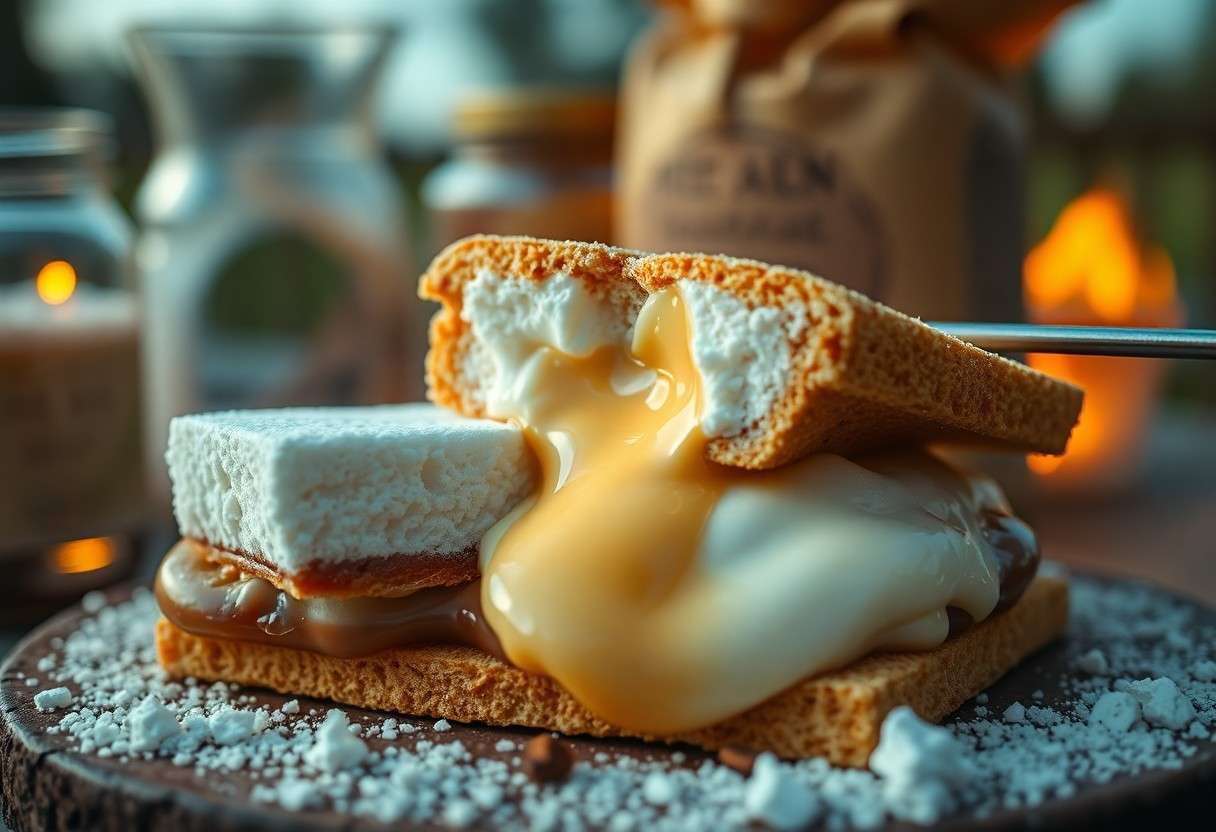
There’s a growing selection of plant-based marshmallows for you to try, and they melt just like originals for s’mores and baking; watch for allergens and high sugar, and choose brands with simple ingredients.
The Science of Plant-Based Ingredients
Science shows plant-based marshmallows rely on a balance of gums, proteins and sugars to trap air and melt on heat; you adjust hydration and sugar concentration to tune mouthfeel. Pay attention to gelling strength and sugar stage because those factors determine whether you get a true melt-and-stretch experience.
Gelatin Alternatives: Agar-Agar and Carrageenan
Agar-agar creates a firm gel that sets at higher temperatures, so you’ll often need to combine it with softer binders to mimic gelatin’s elasticity; you can reduce concentration or blend with starches for a gentler bite. Use small test batches to match chewiness without brittleness.
Carrageenan comes in kappa, iota and lambda forms, each giving different textures-kappa for firmness, iota for elastic gels; you should screen for sensitivity because some people report digestive reactions. Blending with konjac or alginate smooths texture while keeping plant-based status.
Achieving the Signature Airy Texture
Whipping aquafaba, pea or soy protein with sugar and a touch of acid traps stable bubbles, and you must stabilize that foam with gums or starch so it holds through cooking; you’ll want an approach that yields an airy, meltable interior similar to gelatin-based marshmallows.
Temperature control during syrup cooking and cooling preserves bubble size, so you should heat to the correct sugar stage and cool under controlled conditions; avoid overheating which can scorch proteins and collapse foam, and test batch size to repeat results reliably.
Top-Rated Brands for Authenticity
Top-rated picks prioritize authentic texture and melt so you can enjoy the same gooey pull and browning as classic marshmallows.
Experience with these brands reveals they differ most in browning and collapse, so you can pick the one that suits your s’mores or cocoa.
Dandies: The Gold Standard for S’mores
Dandies offers a fluffy, gelatin-free option that gives you the melt and stretch needed for classic s’mores.
Perfect for campfires, they brown evenly so you can achieve the iconic char and pull without gummy residue.
Freedom Mallows: Superior Melting for Hot Cocoa
Freedom Mallows are formulated to melt smoothly in hot cocoa, producing a creamy top you can stir into your drink.
Many tasters note their quick dissolution and consistent softness, which lets you get a glossy, velvety finish without over-thickening.
More practical details: check the label for allergens and storage, and you’ll find Freedom Mallows deliver a reliable melt with minimal residue.
Evaluating Melt and Caramelization
Tests reveal whether plant-based marshmallows achieve an even melt and a true caramelized crust while delivering a silky, molten center you can stretch and scoop.
Heat Resistance and Internal Softening
Products formulated with alternative gels often resist collapsing under heat but can trap a dangerously hot core, so you should let each piece rest briefly to reach a soft, pillowy interior before biting.
Comparing Toasting Profiles to Traditional Options
Skewers show plant-based marshmallows may brown unevenly because of different sugars, so you should use lower, sustained heat to coax a thin, crispy exterior without burning the interior.
Below is a short comparison to guide you when testing toasting behavior and heat tolerance.
Toasting and Heat Comparison
| Plant-based | Traditional |
|---|---|
| Faster, spotty browning; use low flame | Even golden browning with direct flame |
| Can stay gummy or very hot inside | Melts to a gooey, molten center |
| Heat tolerance varies by binder | Softens and collapses predictably |
| Best with slow, indirect toasting | Best with quick roast over flame |
Dietary and Nutritional Profiles
Labels reveal that many plant-based marshmallows match original calories while replacing gelatin with agar or carrageenan; you should watch for high added sugar and blends of gums. You can value the gelatin-free benefit if you follow vegetarian or vegan plans.
Ingredients lists often lack protein and fiber, so you must assess sweetener type and stabilizers. You should note if products contain soy or corn syrup for allergy or blood-sugar concerns, and whether manufacturers add vitamins or calcium.
Identifying Non-GMO and Soy-Free Labels
Reading labels for a Non-GMO Project Verified seal or USDA Organic mark helps you confirm non-GMO claims; you should prefer third-party verified products because plain claims can be misleading.
Look for explicit “soy-free” statements and scan ingredients for soy lecithin or soy protein; you must avoid items with cross-contact warnings if you have a severe allergy because undetected soy can cause reactions.
Understanding Natural vs. Artificial Sweeteners
Sugar choices affect melting and browning: cane sugar or maple syrup supports classic melt and caramel notes, while sucralose or aspartame won’t brown and can change texture; you should expect artificial sweeteners to alter results.
Stevia and monk fruit provide zero-calorie alternatives used in some brands, though you may notice a cooling or bitter aftertaste that impacts desserts; you should sample small amounts before baking to gauge flavor changes.
Compare ingredient lists for sugar alcohols like erythritol, which can cause bloating in sensitive people, versus sucrose that preserves mouthfeel; you should balance digestive tolerance and the melting performance you want in recipes.
Culinary Applications and Versatility
You can use these plant-based marshmallows across desserts and campfire classics without sacrificing texture; they melt like originals and maintain a pillowy mouthfeel while often offering cleaner ingredient labels. Be aware that some brands separate or scorch at high heat, so monitor temperatures when toasting or broiling.
Performance in Rice Cereal Treats
Rice cereal treats rely on marshmallow viscosity; you’ll find most plant-based options form a pliable, sticky matrix that binds crisps firmly. Expect slight differences in chew and browning-firm set is common, but avoid overheating to prevent grainy texture.
Baking and Dessert Topping Compatibility
Baked goods accept plant-based marshmallows well for melting into batters or topping pies; you can achieve a glossy finish under low oven heat. Test a small batch first because some formulations will lose loft or caramelize unevenly near direct flame.
Carefully watch broiler times when toasting, since sugars in alternative recipes can burn faster than you expect; tent with foil if edges brown too quickly. For s’mores and torches, pick brands labeled for high-heat use to maintain gooey interior and avoid bitter char.
Consumer Buying and Storage Guide
When choosing plant-based marshmallows, you should inspect ingredient lists for hidden gelatin or stabilizers and favor brands using tapioca, konjac, or aquafaba that melt like originals. You can store them in an airtight container at room temperature away from heat and humidity, because moisture causes clumping and stickiness; freeze for longer shelf life if you buy in bulk.
Sourcing via Specialty and Online Retailers
Online vegan shops and specialty grocers let you compare brands and ingredient transparency, and you should read reviews and photos to confirm melt performance. Small producers often use cleaner ingredients and artisanal methods that closely mimic traditional texture-check shipping times and return policies so you don’t receive compromised stock.
Maintaining Texture and Preventing Stickiness
Store opened marshmallows in a zip-top bag or airtight jar with a food-safe desiccant so you reduce humidity exposure that leads to stickiness. If they soften, you can briefly toast or warm them to revive bounce before using in s’mores or hot chocolate.
Check for sugar clumping by gently shaking the container; if you see powdery lumps, sift or toss a few in a bowl to separate and restore texture. For travel, keep marshmallows in a resealable freezer bag inside a dry cooler to avoid condensation and potential spoilage.
Final Words
With these considerations you can choose plant-based marshmallows that match the texture and meltability of originals. Look for ingredients like agar, carrageenan, or tapioca syrup and brands that test for even melting and low graininess. You will enjoy s’mores, hot chocolate, and recipes without compromise when you pick the right product.


