Why Plant Based Marshmallows Are the Next Big Sweet Trend
Marshmallows made from plants let you enjoy sweets with fewer allergens and cleaner labels; you must watch for hidden sugars and stabilizers and compare brands

This article contains Amazon affiliate links. As an Amazon Associate, CandiesAndSweets earns from qualifying purchases.
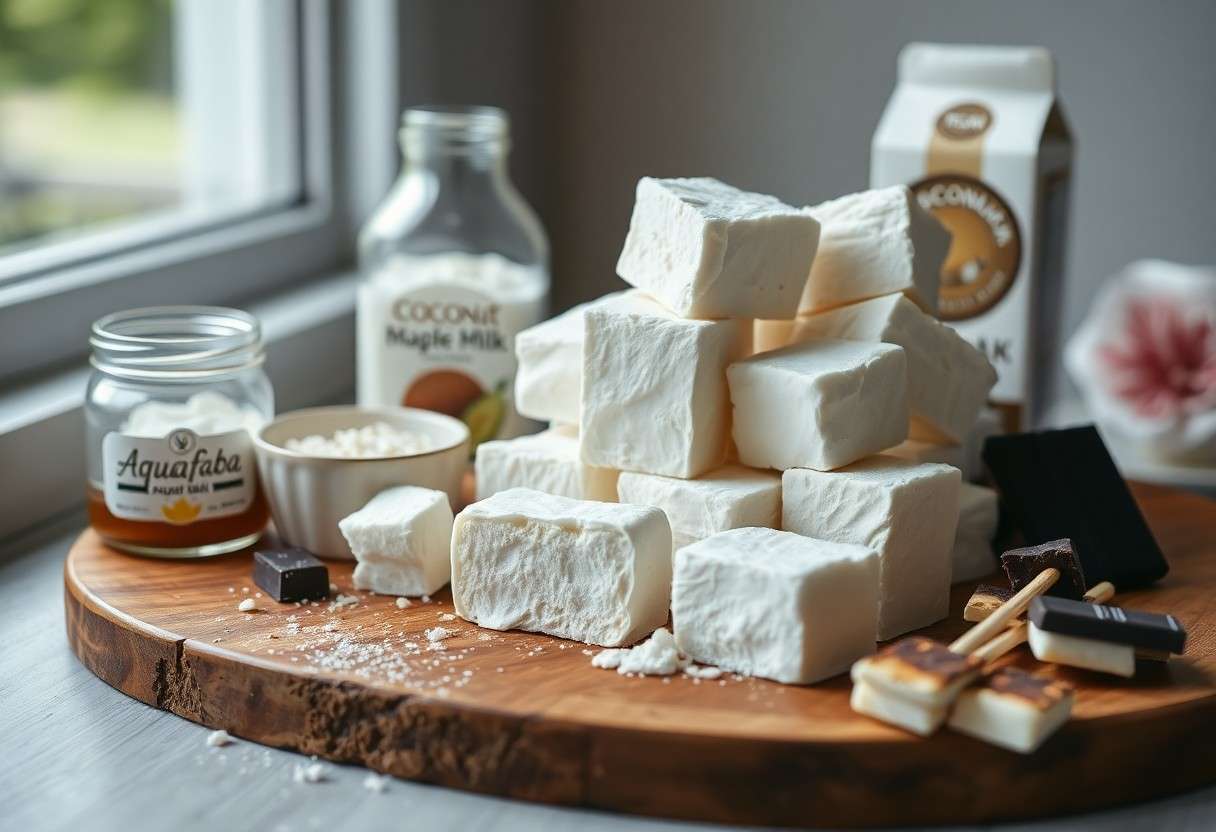
Marshmallows made from plants let you enjoy sweets with fewer allergens and cleaner labels; you must watch for hidden sugars and stabilizers and compare brands for quality.
The Evolution of Confectionery: Moving Beyond Gelatin
Shifts in ingredient demand have pushed confectioners to replace gelatin with plant-based alternatives; you witness new textures and cleaner labels appearing on shelves. Chefs and manufacturers blend agar, pectin and gums to recreate chew and aeration while keeping products vegan-friendly and more sustainable.
Consumers expect ethical sourcing and transparent ingredients, so you see rapid experimentation with agar and carrageenan alongside pectin for softer bites. Formulators must heed research: degraded carrageenan has been linked to gastrointestinal irritation in some studies, so you should monitor grades and regulatory guidance.
The science of plant-based gelling agents like agar-agar and carrageenan
Agar-agar forms firm gels that set at room temperature while carrageenan yields elastic, creamy gels; you can combine them to tune bite and melt. Precise ratios matter, and accurate dosing determines shelf-life, mouthfeel, and manufacturability.
Achieving the signature “fluff” and melt-ability without animal by-products
Hydrocolloids such as xanthan, locust bean and konjac partnered with aquafaba or soy protein allow you to trap air and stabilize foam so the marshmallow stays light; controlling whip speed and syrup concentration delivers the classic fluff.
Technique governs success: you should whip aquafaba to stiff peaks, heat sugar to target temperature, then incorporate gums at measured speeds to secure melt-ability and avoid graininess, using small trials to dial ratios for your desired texture.
Driving Forces Behind the Vegan Marshmallow Boom
Market demand shows you favor plant-based sweets as health, sustainability and novelty drive purchases; manufacturers respond with airy alternatives that replace gelatin and reduce animal-derived ingredients, opening mainstream retail and café opportunities.
The global rise of plant-based and flexitarian lifestyles
Global shifts toward flexitarian habits mean you try plant-based treats more often, increasing acceptance of marshmallows made from pea protein, aquafaba or agar; this expands appeal beyond strict vegans to families, chefs and snackers seeking clean-label options.
Addressing religious dietary requirements including Halal and Kosher standards
Religion-driven demand leads you to prefer sweets that comply with Halal and Kosher rules, because traditional gelatin conflicts with many dietary laws; plant-based marshmallows remove that barrier and unlock new market segments.
Certification bodies require traceability and segregation to prevent cross-contamination with animal-derived ingredients, so you rely on recognized Halal and Kosher seals to confirm compliance and protect consumer trust.
Ingredient Transparency and Clean Label Trends
Transparency matters when you scan a package: simple ingredient lists and clear sourcing let you decide quickly. Look for brands that display clean label credentials and ingredient origins so you can avoid hidden additives and assess food quality at a glance.
Consumers are pushing for honesty, so you should expect marshmallow labels to list plant-based gelling agents and natural sweeteners. Clear labeling makes it easier for you to choose snacks that align with health goals and ethical preferences. You might also enjoy our guide on How Oat Milk Chocolate Is Changing the Candy Industry.
Eliminating artificial colors and high-fructose corn syrup
Removing artificial colors and high-fructose corn syrup from formulations reduces exposure to controversial additives that many buyers avoid. You gain a product with fewer synthetic ingredients and a more transparent health profile.
You can still enjoy vivid hues and familiar sweetness thanks to botanical dyes like beet and turmeric and alternatives such as cane sugar or rice syrup, which preserve taste while supporting a cleaner label promise.
The shift toward organic, non-GMO, and natural sweeteners
Choosing marshmallows made with organic, non-GMO, and natural sweeteners aligns your treats with broader food trends that favor minimal processing. You benefit from ingredients that are often perceived as healthier and more ethically sourced.
Brands reformulate to replace refined additives with ingredients like maple, coconut sugar, or agave, so you get familiar textures with fewer industrial inputs and clearer sourcing statements. You might also enjoy our guide on Why Plant Based Coloring Beats Artificial Dyes.
Sourcing certifications such as USDA Organic and Non-GMO Project Verified give you tangible markers to assess claims, and you should check labels for these seals to confirm ingredient provenance and manufacturing standards.
Culinary Versatility in Modern Food Service
Chefs are adding plant-based marshmallows to menus because you can use them across desserts, drinks, and plated presentations; their clean labeling and vegan appeal attract broader diners and simplify menu descriptions.
Operators value longer shelf life and fewer cold-chain demands, so you can reduce supply complexity and a lower risk of animal-derived contamination compared with gelatin options while managing sticky handling during service.
Performance in traditional applications: Roasting, baking, and beverages
Roasting plant-based marshmallows gives you the same golden crust and stable melt when formulations use agar or gelled starches, making s’mores and fireside desserts perform reliably.
Bakers should test formulations because some plant bases absorb moisture differently, so you can avoid excess chewiness or spread by adjusting hydration and bake time.
Gourmet flavor innovations and the rise of artisanal marshmallow brands
Artisanal makers experiment with infusions-charred citrus, yuzu, miso caramel-so you can offer signature pairings that command premium pricing and social buzz.
Experimentation with cocktail pairings and savory mashups encourages you to collaborate with local producers; ensure clear labeling and allergen disclosure to protect customers when introducing bold new flavors.
Environmental Sustainability and Ethical Sourcing
You will see plant-based marshmallows often use sustainably farmed sugars and botanical gelling agents, which deliver a lower carbon footprint and reduced water and land use compared with gelatin-based production.
Plant-based sourcing lets you push for supplier transparency and prefer brands that publish sourcing maps and impact data, steering demand toward traceable, fair-trade ingredients and away from practices that drive deforestation.
Reducing the ecological footprint of large-scale sweet production
Switching bulk recipes to plant-derived gelling agents and sustainably grown sugars helps you reduce industrial waste and lower greenhouse gas emissions, while enabling manufacturers to cut intensive animal-farming inputs.
Supporting ethical supply chains for sugar and botanical extracts
Producers who prioritize audited suppliers let you avoid products linked to child labor and illegal land conversion, and reward farms that meet labor and environmental standards through premium sourcing agreements.
Traceability systems and certifications give you concrete checks-look for labels like Fairtrade or supplier audits and published origin data so you can verify claims and support brands that pay farmers fairly.
Market Expansion and Consumer Accessibility
Retailers are expanding shelf space as you demand plant-based options; mainstream chains now trial bundled multipacks and seasonal flavors. Wider availability lowers barriers so you can buy without hunting specialty stores.
Consumers appreciate label clarity and ingredient transparency, so you trust brands and try premium vegan marshmallows. Labels warn about cross-contact risks; severe allergy concerns require you to check manufacturing claims. Affordability parity with conventional sweets will make you buy them as routine treats.
Transitioning from niche health stores to mainstream retail shelves
Brands adapt packaging and pricing so you spot plant-based marshmallows in mainstream aisles; partnerships with major distributors speed rollouts. National distribution means you no longer need niche retailers to access them.
Pricing strategies, such as promotional bundles and private-label lines, let you compare cost directly with gelatin-based options, making trial purchases easier. Lower entry price increases repeat buys.
The impact of social media and visual marketing on confectionery trends
Visuals and colorful plating convince you to share and try new flavors; Instagram-ready shapes and pastel hues fuel discovery. High-quality imagery drives impulse buys and broadens appeal.
Creators and food photographers show you recipes and hacks that make plant-based marshmallows feel experiential rather than niche, boosting mainstream interest. Viral tutorials accelerate trend adoption.
Analytics give you proof of demand as engagement metrics and sales spikes signal retailers to expand placement; clear sales signals create a feedback loop between social buzz and shelf space.
Conclusion
Following this, you will see why plant-based marshmallows are the next big sweet trend: they match growing demand for allergen-friendly, sustainable treats, recreate familiar texture using aquafaba or agar, and offer clear labeling that builds consumer trust. You can add these products to menus or retail lines to reach health-conscious buyers and keep flavor front and center. You might also enjoy our guide on Plant-Based Candy Market Growth Drives Innovation in Vegan Confectionery Solutions.


