What Candy Reveals About Economic Trends
Over time, your candy choices can offer fascinating insights into economic conditions and consumer behavior. By examining the popularity of specific candies, yo

This article contains Amazon affiliate links. As an Amazon Associate, CandiesAndSweets earns from qualifying purchases.
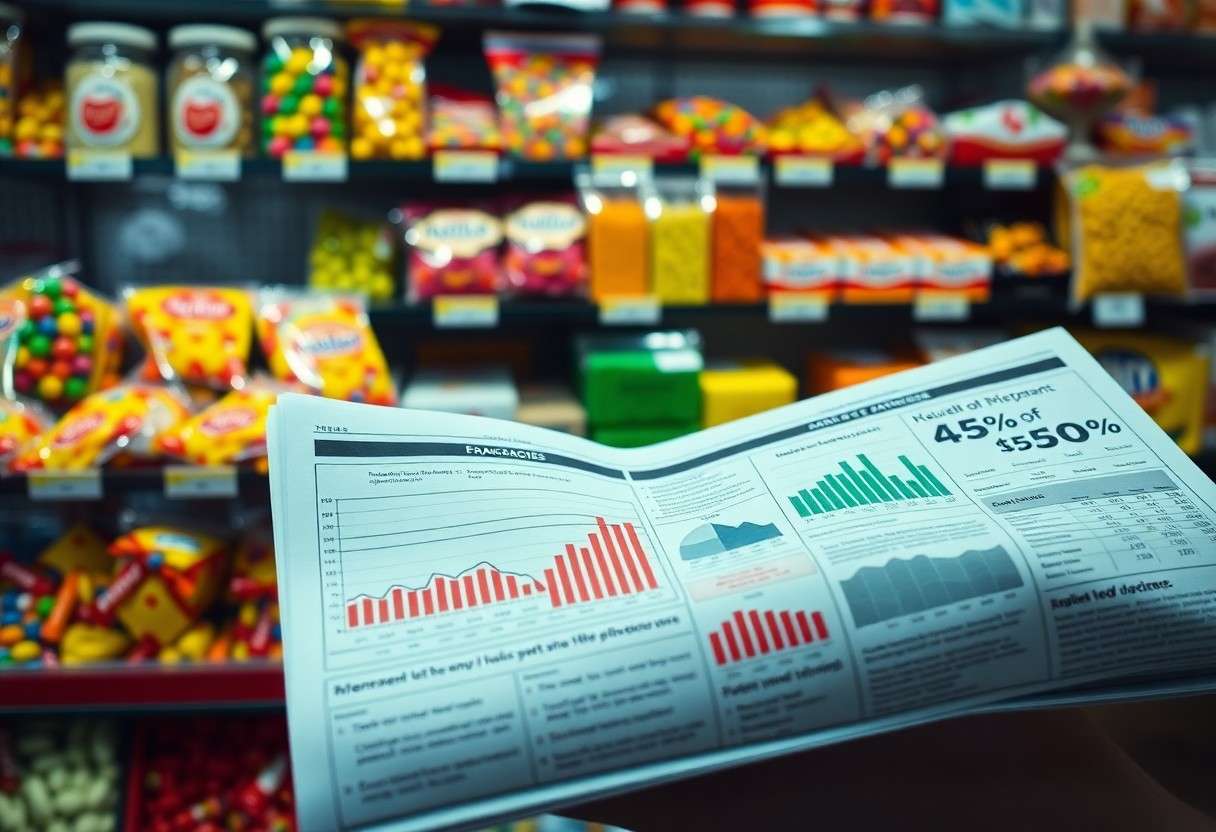
Over time, your candy choices can offer fascinating insights into economic conditions and consumer behavior. By examining the popularity of specific candies, you can glean valuable information about spending habits, market fluctuations, and even cultural shifts. This blog post will research into how changes in candy sales reflect broader economic trends, providing you with a unique lens through which to view market dynamics. Understanding these connections can enhance your perspective on both the economy and your own purchasing decisions.
Sweet Signals: How Candy Consumption Reflects Economic Health
The Correlation Between Candy Sales and Economic Indicators
Tracking candy sales can be as telling as examining more traditional economic indicators. For instance, during periods of economic downturn, consumers often gravitate towards affordable indulgences like candy. Data shows that in times of recession, candy sales, particularly those of lower-priced options, see a significant uptick. In 2008, candy sales rose by 1.5 percent despite the broader economy struggling. This phenomenon indicates that when people face tighter budgets, they might swap out larger purchases for small affordable treats, reflecting a psychological coping mechanism during hard times.
Your personal candy choices can serve as a barometer for the economic climate. In contrast, when the economy is thriving, there’s a noticeable shift towards premium and artisanal candy brands. Statistics demonstrate a substantial rise in sales for gourmet chocolates and innovative sweets, as disposable incomes increase. This trend highlights a unique dynamic where candy consumption reflects both personal spending power and the overall economic well-being, offering a sweet snapshot into consumer sentiment.
Demographic Shifts in Sugar Preference and Purchasing Behavior
Shifts in demographics can influence not only what types of candy people buy but how often they indulge. Generation Z, known for prioritizing health and wellness, shows a growing preference for candies that are organic, sugar-free, or contain alternative sweeteners. Reports indicate a 20% increase in demand for such healthier options in the past few years alone. This younger generation is not afraid to shy away from traditional candies, potentially reshaping the market as their preferences drive manufacturers to innovate.
The inclination of millennials to share experiences, especially on social media, also plays a significant role in shaping candy purchases. Popular trends such as “Instagrammable” candies or limited-edition flavors often lead to spikes in sales—a trend that emphasizes the importance of digital marketing strategies within the confectionery industry. As brands strive to appeal to these younger consumers, understanding their tastes and behaviors becomes key, reflecting broader societal values around health, wellness, and experience-driven consumption.
The Impact of Seasonal Cravings on Market Fluctuations
Holiday Trends: Understanding Consumer Spending Patterns
During holidays like Halloween, Valentine’s Day, and Christmas, your spending patterns reveal interesting insights about consumer behavior. For instance, statistics show that Americans spend an estimated $3 billion on Halloween candy alone each year. This seasonal spike in sales indicates not just a festive spirit but also how entrenched candy consumption is in holiday traditions. Your decisions often reflect an emotional connection to these celebrations, demonstrating that when it comes to candy, your purchases can serve as a proxy for broader economic health. Additionally, promotions and seasonal availability can drive sales even higher, suggesting that brands capitalize on your festive tendencies to boost revenue.
As you navigate through these holiday periods, special promotions and creative marketing campaigns can significantly streamline your purchasing decisions. For example, retailers often employ strategies such as limited-edition flavors and themed packaging to entice you. By analyzing sales data during these peak times, businesses can enhance their understanding of market cycles and consumer preferences, adjusting inventories and promotional tactics accordingly. Your engagement during these celebrations provides a fertile ground for understanding economic trends, illustrating how both cultural and emotional factors meld with fiscal behaviors.
The Role of Weather on Candy Sales
Weather conditions have surprising effects on candy sales, with temperature and seasonal changes influencing your cravings in ways you might not have considered. For example, studies have shown that warmer weather tends to drive up sales of ice creams and chocolate bars, while colder months can lead to increased purchases of chewy or hard candy. You may find yourself gravitating toward different types of sweets depending on whether it’s a sweltering summer day or a chilly winter evening, and both manufacturers and retailers closely monitor these trends to optimize their sales strategies.
Your buying behavior correlates directly with changing weather patterns, allowing companies to strategize around peak sale times. For instance, a heatwave can prompt an uptick in candy-pop brands as people look for cool and refreshing treats. Conversely, colder months often see an increase in candy sales related to cozy movie nights and holiday gatherings. Trends have shown that the first fall chill can spark a surge in purchases for classic flavors like pumpkin spice or cinnamon, demonstrating how seasonal shifts encourage different consumer spending. If you’re a fan of seasonal treats, your preferences provide necessary data for companies aiming to align their offerings with your needs.
Inflation’s Unexpected Creep: Price Adjustments in the Confectionery Market
How Rising Costs Affect Consumer Choices
The impact of inflation is all around you, with candy prices rising alongside everyday importants. In recent years, the cost of sugar and cocoa has seen a notable increase, often passed on to consumers in the form of higher candy prices. As you stroll through aisles filled with colorful packaging, you may notice that your once-favorite brands are now hitting your wallet harder than before. This economic shift can prompt you to reconsider your usual purchases, leading to potentially less frequent splurges on treats that you once bought without a second thought. The candy market, like many others, reflects shifting priorities as people adapt to tighter budgets.
You might find that you’re opting for smaller packages or choosing seasonal discounts, shifting your purchasing behavior from indulgence to a more cautious approach. With economic strains tightening wallets across various demographics, it’s not uncommon to substitute those cherished premium brands for value alternatives. It’s all part of the market’s ebb and flow, reflecting your decision-making processes influenced by rising costs.
Comparative Analysis of Premium vs. Budget Brands
As you explore the candy aisle, the significance of premium versus budget brands becomes apparent. Premium brands, often marketed as gourmet or specialty candies, may maintain their prices and loyal consumer bases despite rising costs. Conversely, budget brands likely focus on competitive pricing, appealing to value-conscious shoppers. Studies show that during inflationary times, sales of budget brands frequently increase as consumers prioritize cost over indulgence. For you, this choice might come down to whether you value the experience of a luxury chocolate or simply wish to satisfy your sweet tooth without breaking the bank.
This shift is evident not only in sales figures but also in brand loyalty dynamics. You may find that your previous attachment to certain premium brands is tested as you navigate economic pressures. These market trends showcase how consumer behavior evolves, leading to significant ramifications throughout the confectionery industry.
| Premium Brands | Higher price points, emphasizing quality and unique ingredients. |
| Budget Brands | Lower prices, focusing on volume sales and affordability. |
As a shopper, choosing between premium and budget brands is increasingly a reflection of your personal economic situation. Premium brands tend to emphasize rich flavors, artisanal manufacturing processes, and innovative offerings, appealing to those moments when you desire a special treat. Budget brands, however, have evolved their strategies to capture the affordability market while still providing tasty options. This adaptability not only caters to your need for cost savings but also highlights a broader trend of consumers focusing on practical choices. The balance between luxury and economy continues to be pivotal in the confectionery industry, shaping preferences based on financial realities.
The Rise of Health-Conscious Confectionery: A Shift in Consumer Demands
The candy industry faces a transformative wave as consumers increasingly prioritize health and wellness. Recognizing this shift, many candy producers are innovating to meet the demands for indulgent yet guilt-free treats. You might have noticed more shelves stocked with options boasting natural ingredients, lower sugar content, and functional benefits, such as added vitamins or minerals. The rise of health-conscious confectionery is not just a fleeting trend; it’s a reflection of changing consumer priorities, where taste is balanced against health in purchasing decisions. As you browse the candy aisle, you’ll likely spot several prominent brands adapting their product lines to feature sugar-free and organic variations, transforming the landscape of the sweets market in the process.
The Growth of Sugar-Free and Organic Alternatives
As you consider your candy choices, the surge in sugar-free and organic alternatives becomes increasingly evident. According to recent market reports, the sugar-free category alone has grown significantly, with a projected compound annual growth rate (CAGR) of 7.3% through 2027. You’ll find brands like Halo Top and ChocZero leading the charge, crafting delectable treats without the guilt. Organic ingredients are also making their mark, as consumers seek transparency and sustainability in their food sources. For instance, the organic candy market is expected to reach $8 billion by 2025, reflecting a strong demand for confectionery options that align with health-conscious values.
Price Premiums and Their Impact on Sales Dynamics
The willingness of consumers to pay more for health-oriented products speaks volumes about the current economic dynamics. Health-conscious candy brands often come with price premiums, typically ranging from 20% to 40% higher than their traditional counterparts. This phenomenon can be traced back to the production costs associated with higher-quality ingredients and the craftsmanship that goes into developing healthier recipes. You might question whether these price premiums cut into sales; however, the evidence suggests otherwise. Sales in the health-conscious segment not only remain robust but are actually growing as people shift their priorities.
This trend also reflects an evolving perception of value among consumers. As you weigh the benefits of nutrition and clean labeling against price, it becomes clear that many are willing to invest in products that resonate with their personal health goals. For example, recent studies show that nearly 60% of consumers are prepared to pay more for organic and sugar-free confectionery, viewing them as healthier investments in their overall diet. This shift impacts market dynamics, where brands that align their pricing and offerings to cater to health-conscious consumers find themselves in a favorable position, driving growth while navigating the pressures of inflation throughout the wider economy.
Candy as a Cultural Mirror: Examining Regional Preferences
Local Flavors and the Economics of Candy Production
Your taste buds often tell a story shaped by the region you call home. In the U.S., for instance, the inclination towards sour candies in the Pacific Northwest contrasts with the South’s love for pecan-flavored confections. This regional variation not only reflects cultural preferences but also influences the economics of candy production. Manufacturers adapt to these local tastes, creating specialized products that resonate with communities, often resulting in well-performing niche markets. According to a recent study, localized production can enhance sales by up to 30% when aligning flavors with consumer preferences.
When candy companies capitalize on local ingredients, they cultivate a sense of community and support local economies. Imagine a thriving craft candy shop in Oregon that incorporates locally sourced berries into its products. Not only does this create unique flavors, but it also strengthens alliances with local farmers and businesses, promoting circular economic growth. The impact reaches beyond regional sales; it opens doors for brands to build loyal customer bases while contributing to the sustainability of their local economies.
Global Trends Influencing Domestic Candy Markets
The influence of global trends on your local candy market can be quite pronounced. As global supply chains become more interconnected, trends such as health-conscious eating and sustainability are making waves across regions, reshaping consumer expectations. In 2022, one report noted that about 26% of candy consumers sought out lower-sugar options, a preference that has become standard in markets worldwide. This shift prompts domestic brands to innovate by creating healthier, organic alternatives to traditional sweets to keep up with changing demand.
Social media has also played a pivotal role in popularizing international flavors and textures, sparking trends like the rise of Asian-inspired gummies or the use of unique spices in traditional chocolates. The exposure to diverse global palates encourages you to explore flavors outside your cultural comfort zone, driving domestic brands to experiment and adapt. For instance, while peanut-infused candy might be a staple in the American Midwest, the popularity of matcha-flavored treats is gaining traction, showcasing how flavors can transcend borders and mingle within your local candy aisles.
Demand for ethically sourced and environmentally friendly ingredients is also shaping domestic markets. Brands that can convey the story behind their sourcing or their commitment to fair trade practices often resonate deeper with consumers, tapping into your desire to make informed choices that reflect your values. This cultural shift drives innovation not just in flavor, but in the very fabric of candy production, aligning with your pursuit of a more ethical and sustainable lifestyle while satisfying your sweet tooth.
Final Words
As a reminder, your choices in candy consumption can provide valuable insights into broader economic trends. When you observe shifts in popular candy brands or flavors, consider how they align with changes in consumer behavior, spending power, and disposable income levels. For instance, during economic downturns, you may notice a shift towards more affordable candy options, while during prosperous times, premium and gourmet candies may find their way into your shopping cart more frequently. Understanding these patterns can help you make informed decisions about your personal finances and spending habits.
In addition, your awareness of candy’s role in the economy can guide you in understanding market dynamics and consumer preferences. Pay attention to which candies are marketed towards specific demographics, as this can reveal insights into targeted marketing strategies and the importance of branding. Analyzing these trends will not only enhance your purchasing experience but also equip you with knowledge on how the economy influences your choices. Embracing this perspective allows you to see candy as more than just a treat; it becomes a reflection of economic sentiments and consumer confidence.