Why Certain Candies Are Associated With Luck
There's a fascinating connection between various candies and the concept of luck that you may not have considered. From the bright colors of jelly beans to the

This article contains Amazon affiliate links. As an Amazon Associate, CandiesAndSweets earns from qualifying purchases.
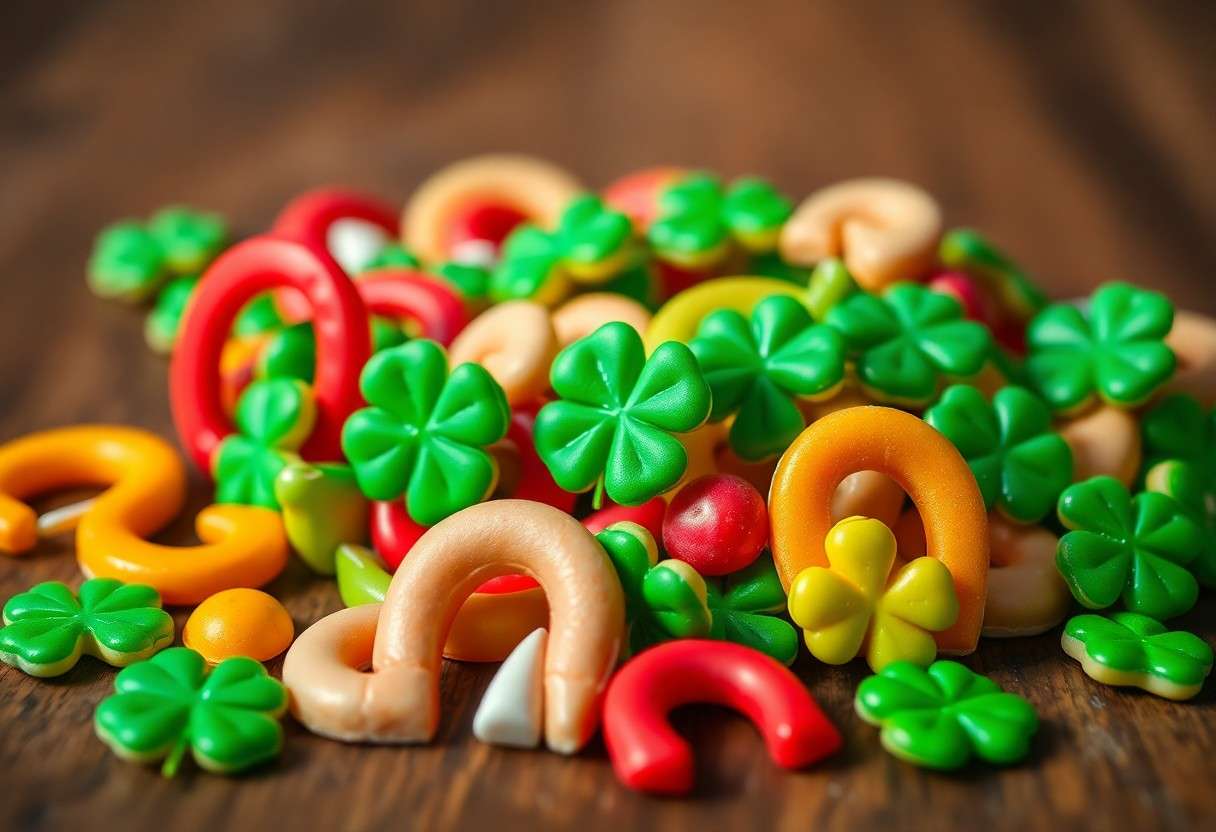
There’s a fascinating connection between various candies and the concept of luck that you may not have considered. From the bright colors of jelly beans to the delightful crunch of fortune cookies, these sweets often carry symbolic meanings in different cultures. Understanding why certain candies are thought to bring good fortune can deepen your appreciation for them and perhaps even enhance your experiences during special occasions. Join us as we explore the intriguing origins and meanings behind these lucky treats.
The Historical Roots of Candy and Luck
Ancient Beliefs and Symbolism
Throughout history, candies have carried deeper meanings, often linked to the beliefs of ancient cultures. For instance, honey was revered in many civilizations, including the Egyptians and Greeks, as a symbol of prosperity and sweetness in life. In the ancient Mesopotamian culture, sugar and honey were associated with offerings to deities, intended to ensconce good luck and protection over one’s affairs. This connection established a precedent, where sweetness became a metaphor for positive outcomes, setting the stage for the association of sweets with luck that persists today.
The symbolism around candies often encompassed more than just their taste. For example, peppermint candies were believed to bring good health and honest thoughts, rooted in traditional herbal practices. In some cultures, sharing candy during festivals or significant life events became a ritual aimed at enhancing bonds and attracting fortune. The act of sharing a sweetened treat shifted from a mere culinary experience to a gesture laden with hopeful intentions and blessings.
Regional Variations in Candy Luck Traditions
The diversity of cultures around the world has led to various unique interpretations of what candies embody when it comes to luck. In many Latin American countries, for instance, candies made from sugar cane, known as “dulce de caña,” are often gifted during celebrations. This act is steeped in tradition; it’s believed that sharing these treats can bless the giver with good luck and joy in the upcoming year. In contrast, in the United States, you might find that jellybeans, particularly during Easter, are thought to promise fertility and abundance, making them symbols of budding fortune. Each culture intertwines its own historical narratives and values into these sweet traditions.
You’ll discover that regional variations not only encompass the types of candies popular in different areas but also how these sweets are associated with local customs. In Japan, for example, you might encounter mochi rice cakes, which are often consumed during New Year’s celebrations as a way to invite prosperity and good fortune into the coming year. Meanwhile, in Ireland, the tradition of handing out “lucky charms” refers to candies that promote good luck in games of chance, making them particularly popular around St. Patrick’s Day. Such examples illustrate that while the candies themselves may differ, the underlying desire for luck and positivity is a universal theme that remains intact across cultures.
The Psychological Connection: Why We Associate Sweets with Fortune
The Role of Nostalgia and Positive Reinforcement
Your childhood experiences often play a key role in how you perceive candy and good luck. Sweet treats have a unique ability to evoke memories of carefree moments, such as receiving a piece of chocolate at a birthday party or unwrapping candy during festive holidays. This nostalgia triggers a sense of happiness and warmth, which can become intertwined with the notion of good fortune. When you associate certain candies with positive past experiences, it’s no surprise that you might treat them as tokens of luck in your adult life. Over time, those feelings of joy linked to candy help reinforce the belief that these sweets could also bring about fortune in your current endeavors.
Candy as a Reward System in Cultural Contexts
Candies That Carry Luck: A Deep Dive
Specific Types of Candies and Their Symbolic Meanings
Diverse candies have amassed unique associations with luck, often deriving their meanings from cultural traditions and color symbolism. For instance, red candies like jellybeans are frequently interpreted as symbols of prosperity and good fortune, especially in Chinese culture where red is synonymous with happiness. Similarly, chocolates, particularly those shaped like coins, evoke the wish for wealth and sweetness in life. This belief resonates deeply during celebrations such as weddings and significant holidays.
Here’s a brief overview that captures the essence of various lucky candies and their meanings:
| Candy Type | Symbolic Meaning |
|---|---|
| Red Jellybeans | Prosperity and happiness |
| Gold Chocolate Coins | Wealth and sweetness |
| Lucky Charms Cereal | Good fortune and protection |
| Licorice | Healing and protection |
| Rainbow Candy | Diversity and bright opportunities |
Perceiving these candies in the context of their meanings enriches your experience. You might find that having a small stash of these sweets on hand during important events, like job interviews or exams, enhances your confidence and invites positive energy.
Popular Myths and Folklore Surrounding Lucky Candies
Candies and sweets have nestled themselves into various myths and folklore. For example, some cultures believe that carrying a specific type of candy can ward off bad luck or attract good fortunes. In Italy, it’s said that finding a four-leaf clover-shaped candy during Easter can bring blessings for the rest of the year. Similarly, M&Ms were once linked to romantic fortune; a common belief was that sharing a pack could lead to an enduring relationship, where each color represented different virtues like loyalty or joy. Such tales manifest the deep-seated desire for control over fate through seemingly innocuous treats.
The intersection of candy and luck reflects our innate desire to connect with superstitions and symbols that offer us a comforting narrative in life’s unpredictable course. When you next indulge in a piece of candy, consider the tales and symbolism behind it—discovering a universe of meaning often hidden in what appears to be just a simple treat.
The Marketing Magic: How Brands Leverage Luck in Candy Promotion
Brands adept at crafting campaigns that resonate with consumers tap into the notion of luck to differentiate their products in a crowded market. Through storytelling and visual branding, they create narratives that not only emphasize the cheerful and celebratory aspects of candy but also connect with the consumer’s desire for good fortune and happiness. For example, limited edition products are often associated with elements of luck, enticing consumers to believe that purchasing these candies might yield something positive in their lives. This strategic alignment between luck and candy creates a compelling reason for consumers to choose one brand over another.
Case Studies of Successful Campaigns
Brands have developed creative marketing strategies that hinge on the theme of luck, generating impressive results. Here’s a snapshot of several standout campaigns:
- M&M’s ‘Lucky Green’ Campaign: In 2018, M&M’s launched a limited edition green candy to celebrate St. Patrick’s Day, resulting in a 30% increase in sales during the campaign period compared to the previous year.
- Starburst’s ‘Luck is a Taste’ Promotion: This campaign introduced a sweepstakes tied to the product, where consumers could win experiential prizes. Results highlighted a 25% engagement rate on social media, with over 250,000 entries submitted.
- Skittles ‘Pot of Gold’ Edition: In a St. Patrick’s Day push, Skittles released a rainbow-themed pack with golden hints, driving up sales by 40% during its two-month run.
- Hershey’s ‘Lucky Charm’ Bars: Hershey’s capitalized on the luck theme by launching a new bar infused with “lucky” ingredients. Promotions led to a 50% growth in market share within the bars category over two quarters.
The Impact of Cultural Narratives on Consumer Behavior
Incorporating culturally significant themes around luck not only influences how you perceive and select candy but also taps into deeper collective beliefs and values. Happiness and fortune are universally desirable traits, and when brands weave these themes into their marketing, it creates an emotional bond with consumers. Every interaction with a ‘lucky’ candy may reinforce positive experiences or beliefs, persuading you to choose these products repeatedly. As candy brands align their offerings to cultural stories about luck—like traditions that involve candy during celebrations—they enhance your likelihood of purchasing their products. This reflects the broader impact of folklore and communal narratives on consumer shopping behaviors.
Modern Interpretations: Candy Rituals in Today’s Society
From Weddings to Celebrations: Rituals That Endure
Your special occasions are often accompanied by sweet traditions that invoke an aura of luck and happiness. For instance, during weddings, many cultures partake in the ritual of tossing sugared almonds or even chocolate-covered treats at the newlyweds. This practice, steeped in history, symbolizes the couple’s hopes for prosperity and fertility. Similarly, wedding cakes adorned with fondant figurines often feature marzipan or sugar-coated candies, enhancing the celebratory atmosphere while also carrying good fortune for the couple’s future.
The Rise of ‘Lucky’ Candy Trends in Current Culture
To Wrap Up
Hence, understanding the connection between certain candies and luck can enrich your appreciation of these sweet treats in your life. Cultural beliefs, historical anecdotes, and personal traditions all play significant roles in shaping your perceptions of luck-related candies. By exploring these connections, you not only gain insight into why certain sweets hold a special place in various celebrations and rituals but also allow yourself to partake in experiences that may enhance your sense of fortune.
Incorporating these candies into your special moments can serve as a delightful reminder of the positive energies and beliefs that surround them. Whether it’s sharing them with loved ones during festivities or keeping them as tokens of good luck, the symbolism tied to these treats can foster a deeper connection to the traditions that shape our lives. In this way, you can enjoy both the flavor and the fortune that these candies represent, ultimately creating your own narrative of luck with every bite.