Why Minimally Processed Candy Wins Consumer Trust
Most consumers today seek transparency and authenticity in their food choices, especially when it comes to treats. Minimally processed candy, often made from na

This article contains Amazon affiliate links. As an Amazon Associate, CandiesAndSweets earns from qualifying purchases.
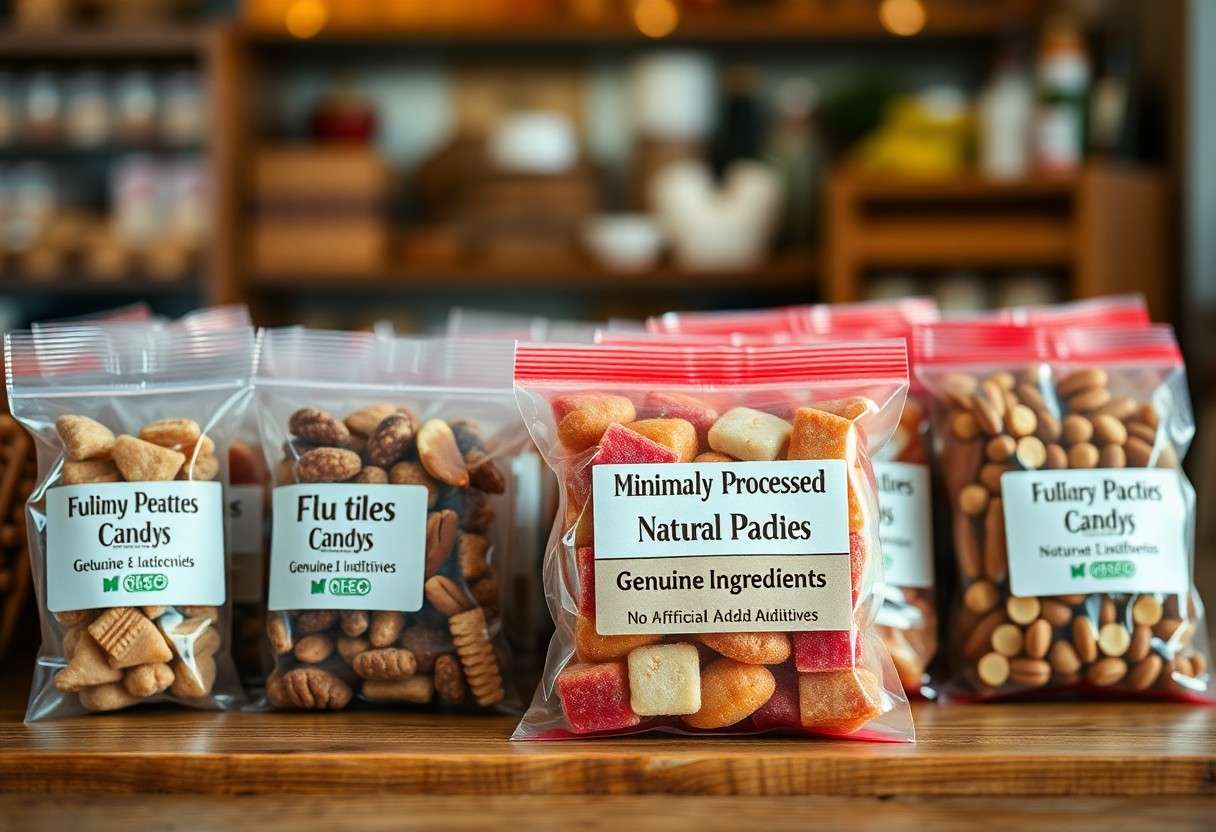
Most consumers today seek transparency and authenticity in their food choices, especially when it comes to treats. Minimally processed candy, often made from natural ingredients with fewer additives, resonates with your desire for wholesome options. This type of candy not only satisfies your sweet tooth but also builds trust through clear labeling and genuine sourcing. Understanding why these products appeal to you can guide your purchasing decisions and enhance your overall satisfaction with your snack selections.
Understanding Minimally Processed Candies
Definition and Characteristics
Minimally processed candies are those that undergo limited manufacturing methods to preserve their natural ingredients while enhancing taste. These treats often boast a few, easily recognizable ingredients, such as sugar, natural flavorings, and localized additives, making them less complex than highly processed options. You might find candies made from fruits, nuts, or grains that are free from artificial colors, flavors, and preservatives. This clarity in ingredient sourcing contributes to higher consumer confidence and aligns with the growing trend towards transparency in food production.
A significant characteristic of minimally processed candies is their texture and flavor profile. Due to fewer additives, the mouthfeel of these candies tends to be more authentic, allowing the natural flavors to shine through without being masked by artificial enhancers. For instance, a gummy candy made with real fruit juice will have a fresher taste compared to one made with synthetic flavors, which can lead to a less satisfying experience. The simplicity in their composition not only appeals to your palate but also reflects a philosophy of health-conscious eating.
Your perception of candy shifts when you can easily identify and understand its ingredients. When choosing minimally processed options, you welcome products that align with a simpler lifestyle, emphasizing quality over quantity. The connection to source and authenticity is vital; when you indulge in these candies, you’re likely to appreciate the craftsmanship involved in their production, rather than consume something manufactured for mass consumption without care for quality.
Comparison with Highly Processed Options
Highly processed candies typically contain a long list of ingredients, many of which can be difficult to pronounce. These options often rely on artificial flavors, colors, and preservatives to enhance appeal and prolong shelf life. For you, this complexity can lead to concerns regarding health implications, as numerous additives are linked to negative effects, including allergies and other health issues. Therefore, it is vital to evaluate these products critically, understanding that quick gratification may not be worth the potential health risks.
Comparison of Candy Types
| Minimally Processed Candies | Highly Processed Candies |
| Few, recognizable ingredients. | Long ingredient lists with complex additives. |
| Real flavors from natural sources. | Artificial flavors that can be overwhelming. |
| Health-conscious appeal. | Potentially unhealthy additives. |
When juxtaposing highly processed candies with their minimally processed counterparts, it becomes clear that you might prefer the former not just for taste but health considerations as well. Highly processed options often provide the convenience of instant gratification but at the cost of quality and safety. As you navigate your choices in candy, understanding the implications of these differences empowers you to make informed decisions that reflect your values and health goals.
The Consumer Trust Factor
Transparency in Ingredients
As a consumer, you likely prioritize knowing what you are putting into your body. Minimally processed candies boast transparency in their ingredient lists, which contributes significantly to the trust you place in these products. Unlike highly processed alternatives laden with artificial additives, minimally processed options often feature straightforward ingredients that are recognizable. For instance, a chocolate bar made from cocoa solids, sugar, and a natural emulsifier tells you precisely what you’re consuming, eliminating confusion and uncertainty about hidden components that might raise red flags.
Your growing demand for clearly labeled products stems from a broader industry trend where transparency is valued. Brands that prioritize minimal processing often showcase their ingredient sourcing, ensuring that you understand the product’s origins. This practice fosters an authentic connection between you and the brand, reinforcing your trust. When a company shares the story behind its sourcing and processing methods, it demonstrates a commitment to quality and ethical practices, further solidifying your loyalty.
Moreover, the emphasis on transparency often extends to the production methods used, providing insights that enhance your sense of safety. Certifications, such as organic or non-GMO labels, accompanying minimally processed candies can assure you that the product aligns with your values. As you seek to make healthier choices, knowing that brands are being transparent about their manufacturing processes makes you more likely to choose these products over highly processed counterparts, actively signaling a shift towards better consumer habits.
Awareness of Health Trends
The landscape of candy consumption is evolving as you, the consumer, increasingly prioritize health and wellness. This shift has compelled brands that produce minimally processed candies to align their offerings with current health trends, enhancing your trust in their products. Research shows that a significant percentage of consumers are looking for healthier snacking options, and this trend has pushed manufacturers to adapt. For instance, snacks that are lower in sugar and free of artificial ingredients resonate with health-conscious individuals, prompting brands to modify their recipes and market them effectively.
You may have encountered brands that actively promote their adherence to popular dietary trends, such as keto, paleo, or gluten-free. By adapting to these lifestyle choices, companies produce candies that cater specifically to your dietary needs and preferences. This not only makes you feel seen but also fosters a sense of community around shared values of health and wellness. Your decision to opt for minimally processed candies often stems from the desire to enjoy treats without compromising your health, making it pivotal for brands to reflect this in their product development.
This awareness of health trends also extends to ingredient innovation, with many brands gravitating towards natural sweeteners and superfood inclusions. Examples such as using agave or maple syrup instead of refined sugars not only cater to your health goals but also appeal to your desire for guilt-free indulgence. As you navigate the crowded market of confectionery, the ability to choose brands that stay ahead of health trends reinforces your trust in minimally processed candies.
Marketing Strategies for Minimally Processed Candies
Branding and Packaging
Your approach to branding and packaging plays a pivotal role in how minimally processed candies resonate with consumers. Utilizing earthy colors and simple designs can effectively convey the authenticity and natural aspect of your products. For instance, brands like Tony’s Chocolonely incorporate vibrant visuals alongside clear messaging regarding ethical sourcing and minimal processing, which cultivates trust with consumers who prioritize transparency. Packaging that emphasizes recyclable materials can also enhance your brand’s commitment to sustainability, aligning with consumer values and garnering loyalty.
When considering fonts and imagery, opt for a straightforward, clean aesthetic that reflects the simplicity of your ingredients. Highlighting key components—such as organic, non-GMO, or locally sourced—on the front of the package can provide immediate reassurance of quality. Take a cue from brands like Pascha Chocolate, which uses minimalist labeling to showcase the purity of its ingredients, attracting an audience eager for reassurance that they are making healthier choices. Strategic placement of certifications, such as vegan or gluten-free symbols, can further bolster consumer confidence in your product.
Engagement through storytelling is another powerful tool for your branding. Sharing the origin of your ingredients or the journey behind your candy-making process can create an emotional connection with your customers. For this, consider platforms like Instagram or Facebook, where you can share captivating visuals and stories about your sourcing practices. Brands that effectively communicate their commitment to minimal processing and ingredient quality can foster a community of like-minded consumers, elevating loyalty and encouraging word-of-mouth marketing.
Targeting Health-Conscious Consumers
Your target market of health-conscious consumers is growing, and reaching them requires a strategic focus on their values and preferences. These consumers prioritize transparency in ingredients and often gravitate towards products that offer health benefits without compromising on taste. Clearly articulating the nutritional advantages of your minimally processed candies—such as lower sugar content or the inclusion of superfoods—can significantly influence their purchasing decision. Brands like Hu Chocolate thrive on this by positioning themselves as indulgent yet health-centric, detailing how their products fit into a balanced lifestyle.
Marketing strategies that involve educating consumers about the benefits of minimally processed ingredients can also be highly effective. This can include blog posts, social media content, or in-store displays that examine into the nutritional profiles of your candies. When you provide facts, such as reduced preservatives or artificial additives, consumers can feel informed and empowered to make choices that align with their health goals. Collaborations with nutritionists and wellness influencers can help in amplifying this message, lending credibility and reaching a broader audience.
As the health-conscious segment continues to drive market trends, leveraging online platforms for promotional campaigns can enhance your visibility. Engaging in targeted ads that list health benefits or featuring dazzling images of your products can attract clicks and conversions. Offering samples at health food stores or events can directly introduce your candy to potential customers who appreciate the efforts behind naturally delicious treats, creating advocates for your brand who are eager to share their experiences.
The Role of Social Media
Social media serves as a powerful platform where brands and consumers interact, fostering a sense of community centered around food choices. For minimally processed candies, this is particularly impactful. Leveraging platforms like Instagram, TikTok, and Facebook, manufacturers can showcase their products through visually appealing content that emphasizes natural ingredients and ethical sourcing. You’re likely to find tantalizing images or short, engaging videos that illustrate the simplicity and quality of these candies. These representations help solidify your trust in the brand, as they align with a growing consumer preference for transparency and authenticity in food marketing.
Influencer Impact
Influencer marketing has emerged as a fundamental element in shaping consumer behavior and perceptions. When an influencer you admire shares their love for a minimally processed candy, it resonates on a personal level. The credibility and relatability of these figures often outweigh traditional advertising methods. According to a recent study, 70% of teenagers trust influencers more than traditional celebrities, suggesting that endorsements from trusted voices can effectively bridge the gap between you and the brand. These partnerships often involve influencers detailing their experiences with the product, highlighting how it fits seamlessly into a healthier lifestyle. This narrative compels you to view the candy not just as a treat, but as a thoughtful choice that aligns with your values.
The relatability of influencers extends beyond simple endorsements. They often create content that showcases their daily routines, where the use of minimally processed candies becomes part of a wider healthy lifestyle narrative. Whether it’s a quick snack during a workout, or a sweet indulgence post-meal, seeing these products integrated into authentic situations can significantly influence your purchasing decisions. Statistics indicate that products that influencers incorporate into their lives see a 11 times higher ROI than traditional ads, reinforcing the potential of these partnerships. This connection built through shared values encourages you to trust the brand and consider trying their offerings.
Consumer Reviews and Recommendations
Word-of-mouth marketing remains one of the most effective forms of persuasion, and in social media, consumer reviews play a pivotal role. When you’re considering purchasing minimally processed candy, the opinions of fellow consumers can sway your decision significantly. Platforms like Trustpilot and Yelp, along with social media comment sections, provide a landscape where real users share their experiences. Positive reviews highlight not just the taste but also the product’s adherence to health-conscious practices, from ingredient sourcing to artisan production methods. For instance, a candy brand that garners thousands of positive reviews may signal to you its reliability and quality, making it more likely for you to make a purchase.
Additionally, seeing consumers share their personal stories related to these candies reinforces the emotional connection you may feel towards the product. When others describe how these candies have contributed to their wellness journeys or childhood memories, your trust in the brand deepens. Platforms that encourage user-generated content provide a sense of community, where you can feel part of a larger movement prioritizing health. The gathering of consumer feedback regarding taste, texture, and overall satisfaction helps shape your expectations while guiding your choices in a market saturated with options.
The impact of consumer reviews cannot be overstated. A study found that 84% of consumers trust online reviews as much as personal recommendations, emphasizing their significance. Moreover, when a product receives substantial positive feedback, it often leads to a bandwagon effect where others feel compelled to try it, fearing they’ll miss out on something exceptional. This collective enthusiasm creates a ripple effect, further solidifying your confidence in choosing minimally processed candy as a snack that aligns with your food values.
Challenges Facing Minimally Processed Candy Manufacturers
Cost and Production Limitations
You face significant cost and production challenges when manufacturing minimally processed candy. The raw materials required, often organic or sourced from sustainable practices, can be substantially more expensive compared to conventional sugar and artificial ingredients. For instance, the price of organic cane sugar often ranges 20-30% higher than its non-organic counterpart, which directly impacts your production costs. Additionally, sourcing non-GMO and locally grown ingredients can lead to higher logistical expenses and longer lead times for ingredient availability. These financial pressures can constrain your ability to compete on price with mass-market candy brands, making it imperative to find innovative ways to maintain profitability without compromising on ingredient integrity.
Production capabilities also pose a challenge in terms of scalability. Many traditional candy manufacturing processes are built around high-volume production lines optimized for speed and efficiency, often using preservatives and artificial flavors to extend shelf life. Transitioning to a minimal processing approach may necessitate an overhaul of your production infrastructure, leading to increased initial investment. Additionally, the shorter shelf life of minimally processed candies demands more precise inventory management and supply chain logistics. Finding reliable suppliers who can guarantee the consistent quality of these ingredients, while also being able to supply larger batches as demand increases, often presents a logistical conundrum for you as a manufacturer.
Lastly, consumer education is a vital aspect of this challenge. As you aim to highlight the benefits of minimally processed candy, you must also educate consumers about potentially higher prices and shorter shelf lives. This requires strategic marketing efforts and a commitment to transparency in your ingredient sources and production processes. Crafting narratives around these challenges can help you resonate with health-conscious consumers, but it may also take time before the market fully recognizes and values the benefits of your high-quality offerings.
Competition from Major Brands
The landscape of the candy market is dominated by major brands that have substantial resources at their disposal. These brands can invest heavily in marketing and advertising, creating deep brand recognition that makes it difficult for you to gain traction in the marketplace. For instance, companies like Mars and Mondelez leverage extensive distribution networks, ensuring their products are readily available in retail spaces ranging from convenience stores to supermarkets. On the other hand, as a manufacturer of minimally processed candy, you may find yourself restricted to niche markets or smaller retailers, limiting your visibility and access to a broader consumer base.
Moreover, the price point set by these large corporations, bolstered by economies of scale, often undercuts your ability to price competitively. With their bulk purchasing power, they can secure lower prices for ingredients and packaging, allowing them to offer promotions and discounts that may lure potential customers away from your products. As you strive to maintain a commitment to high-quality minimally processed ingredients, you may inadvertently create barriers to customer acquisition due to higher pricing. This can lead to a perception that your candies are more of a premium option rather than an accessible choice for everyday consumers.
Additionally, the innovative prowess of major brands provides them the leeway to frequently launch new products and trends that capture consumer interest. Your response to this rapid innovation cycle is critical; you must remain agile, continuously researching market demands while also developing unique flavors or ingredients that can differentiate your offerings. Fostering brand loyalty requires you to connect with consumers on a personal level, yet building that connection against the backdrop of an established competitor’s stronghold demands strategic foresight and resilience.
Future Trends in the Candy Industry
Innovations in Minimal Processing
As the candy industry evolves, you will notice a shift towards innovative techniques that enhance minimal processing methods. Brands are increasingly adopting cold-press technologies that preserve natural flavors and nutrients found in fruits and other ingredients. For instance, companies such as SmartSweets are leading the charge with their use of plant-based ingredients and minimal sugar additives, creating candies that not only taste great but also align with health-conscious consumer demands. These innovations provide opportunities for product differentiation while maintaining a clean label, which is becoming increasingly important to you as a consumer.
Moreover, advancements in natural preservation methods are paving the way for longer shelf lives without compromising the integrity of the candy. Techniques like high-pressure processing (HPP) allow manufacturers to eliminate preservatives while still ensuring product safety and quality. This method retains the original taste and texture of candies, empowering you to enjoy guilt-free indulgence. Companies that adopt such innovations are likely to position themselves at the forefront of the market, appealing to consumers who prioritize quality and transparency in their food choices.
The rise of customization and personalization is another innovative trend gaining traction. Many brands now offer options for consumers to create their own candy blends or tailor their ingredients to specific dietary needs, from vegan to gluten-free formulations. With a focus on minimal processing, these candies allow you to choose exactly what goes into your treat. As accessibility to technology increases, expect to see even more brands experimenting with interactive platforms that enable you to participate in the creation of your favorite confectionery products.
Shifts in Consumer Preferences
The shift in consumer preferences towards minimally processed candies has significant implications for the candy industry. With growing awareness of health and wellness, you are increasingly seeking treats that not only satisfy your sweet tooth but also align with your dietary values. This means prioritizing products made with recognizable ingredients and fewer additives, which creates a demand for brands that can deliver on these expectations. As a result, companies are compelled to innovate and reformulate their offerings to meet the criteria you set through your purchasing choices.
Furthermore, transparency is a key element in this evolving landscape. You want to know what you are consuming, leading brands to provide clear labeling and detailed ingredient stories. An example is the movement towards fair trade and ethically sourced ingredients, as ethical considerations hold significant weight in your decision-making process. This expectation for transparency fosters trust between you and the brands you choose to support, encouraging greater loyalty to those that prioritize honesty in their products.
Brands that can effectively communicate their minimal processing methods and the benefits of their ingredient choices are likely to foster deeper connections with you, the consumer. Your increasing interest in sustainability is influencing what you expect from candy manufacturers, propelling a rise in eco-friendly packaging and sourcing practices. Recognizing these shifts not only prompts changes in product offerings but also encourages a rethinking of marketing and promotional strategies, ensuring alignment with your evolving preferences.
To wrap up
Conclusively, understanding the growing preference for minimally processed candy helps you appreciate the shift in consumer behavior towards transparency and health-conscious choices. As you navigate the candy aisle, you may find that brands utilizing simple ingredients and natural flavors resonate with your desire for authenticity. This trend not only reflects your aspirations for a healthier lifestyle but also signifies a deeper connection with the food you consume, promoting a sense of trust between you and the products on the shelf.
Your inclination towards minimally processed options indicates a prioritization of quality over quantity, as well as a preference for familiar, recognizable ingredients. By choosing candies made with whole foods and fewer artificial additives, you are actively making decisions that align with your values. This not only satisfies your sweet tooth but also supports companies that prioritize ethical sourcing and sustainability, thereby fostering a community of conscientious consumers who advocate for better food practices.
Moreover, the appeal of minimally processed candy also lies in its straightforwardness; you know exactly what you are getting with each bite. This transparency fortifies your trust in these products and encourages you to feel confident in your choices. With a growing awareness of health and wellbeing, this type of candy aligns with your goals, giving you the freedom to indulge without guilt. Ultimately, the trend of minimally processed candy allows you to enjoy your treats while reinforcing your commitment to healthier, more responsible eating habits.