Why Small-Batch Chocolate Ensures Quality Control
You benefit from small-batch chocolate because it prioritizes quality in every step of the production process. By focusing on smaller quantities, makers can clo

This article contains Amazon affiliate links. As an Amazon Associate, CandiesAndSweets earns from qualifying purchases.
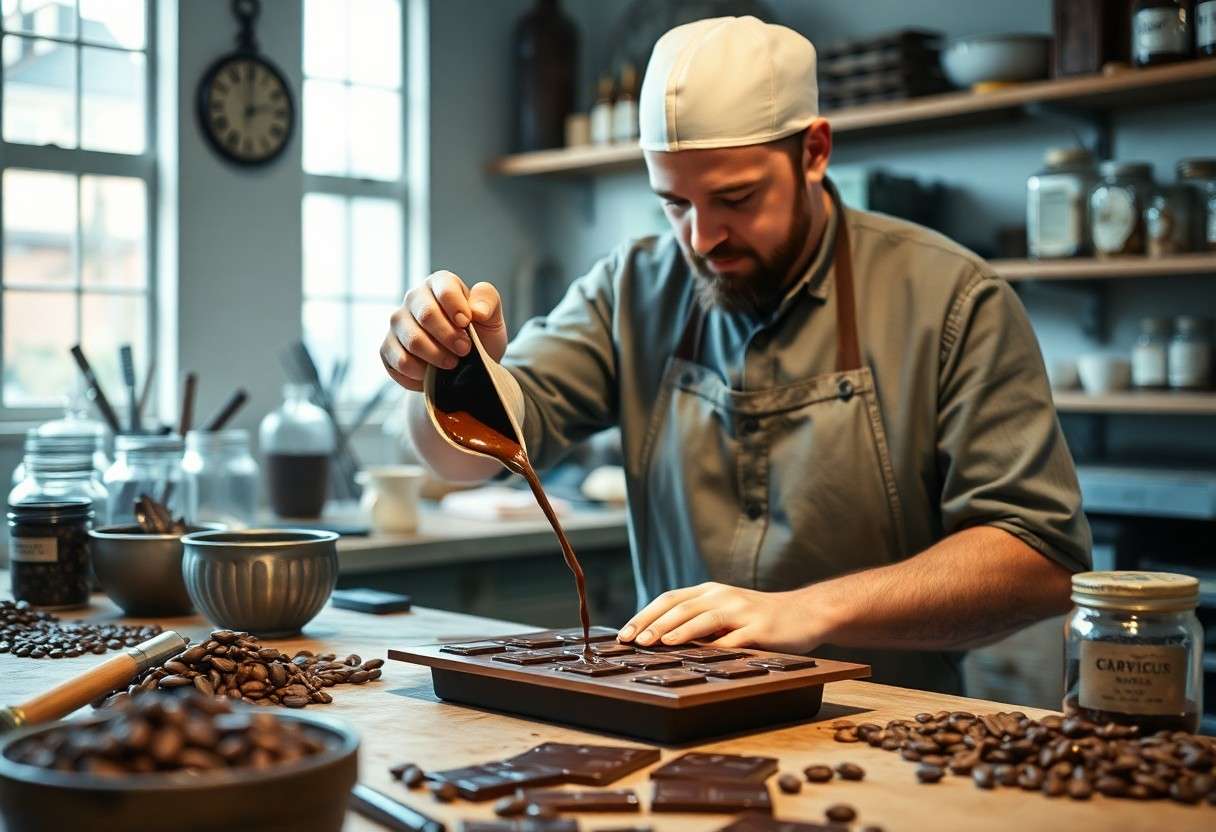
You benefit from small-batch chocolate because it prioritizes quality in every step of the production process. By focusing on smaller quantities, makers can closely monitor ingredients, refine techniques, and ensure that each piece adheres to high standards. This meticulous attention to detail allows you to enjoy a product that not only tastes exceptional but also reflects the craftsmanship behind it. When you choose small-batch chocolate, you are indulging in a product that values quality, consistency, and individual flavor profiles.
Understanding Small-Batch Chocolate
Definition of Small-Batch Chocolate
Small-batch chocolate refers to chocolate made in limited quantities, typically emphasizing artisanal practices over mass production. You’ll find that these chocolatiers often produce their products in batches ranging from a few kilograms to a couple of hundred kilograms at most, allowing for meticulous attention to each step of the chocolate-making process. This method enables the use of high-quality ingredients, often sourced from single origins, and provides an opportunity for flavor experimentation that larger manufacturers may overlook.
The manufacturing process for small-batch chocolate typically involves hand-selection of cocoa beans, careful roasting, and precise conching and tempering. Chocolatiers like you may favor traditional techniques that have been passed down through generations, which enhances the overall flavor profile of the chocolate. This dedication to craftsmanship results in unique chocolate experiences that reflect the distinctive characteristics of the cocoa’s origin and processing.
Furthermore, small-batch production encourages transparency in sourcing and ethical practices. You can often trace where the cocoa beans come from, which means knowing that your chocolate is produced with consideration for the environment and local communities. This level of oversight often translates into a superior product, where every bite tells a story of its origins.
Historical Context and Evolution
The history of chocolate production has undergone significant transformations, particularly with the rise of small-batch techniques. Originally, chocolate was consumed as a beverage by ancient civilizations such as the Mayans and Aztecs, who took pride in their unique rituals and high-quality ingredients. As the chocolate industry evolved, the Industrial Revolution ushered in mass production methods that emphasized quantity over quality. Consequently, the nuances of flavor and artisanal techniques began to diminish, leading to a homogenized chocolate experience that many people have become accustomed to today.
However, the small-batch movement began gaining traction toward the late 20th century, as consumers became more aware of and concerned about the origin of their food. You might be surprised to know that the bean-to-bar trend emerged during this time, where chocolatiers sought to regain control over the chocolate-making process from bean sourcing to final product. Inclusive of ethical sourcing practices and a return to traditional production methods, this shift has enabled artisans to craft chocolate that not only tastes exceptional but also promotes sustainability and fair trade.
Over the years, as consumers have grown more discerning and demanding, the small-batch chocolate market has expanded dramatically. This culinary revolution has inspired many to venture into artisanal chocolate-making, utilizing local ingredients and innovative techniques to refine their products. You can observe that today, small-batch chocolate is not just a niche indulgence; it has become a significant player in the chocolate landscape, encouraging a richer understanding of flavor and an appreciation for craftsmanship.
Quality Control in Chocolate Production
In chocolate production, implementing effective quality control measures is vital for ensuring that every batch is consistently exceptional. Small-batch chocolate makers focus on monitoring the entire production process, from sourcing raw materials to the final product. Unlike large-scale manufacturers, who may sacrifice quality for quantity, small-batch producers are more inclined to invest time and attention into developing their chocolate. This meticulous attention not only enhances flavor profiles but also helps maintain the integrity and safety of the product. Your experience with chocolate is thus shaped significantly by the commitment and oversight of small-batch artisans.
Key Factors Affecting Quality
Several key factors directly influence the quality of chocolate. First, the sourcing and selection of cocoa beans play a vital role; higher quality beans yield superior chocolate. For instance, beans from specific regions, such as Haiti or Madagascar, are well-regarded for their unique flavor notes. Additionally, bean fermentation and drying methods can greatly impact the final product. These processes help develop the nuanced flavors that distinguish premium chocolates from mass-produced options. Furthermore, the chocolate-making process itself, including conching times and tempering techniques, requires a delicate balance to achieve the desired texture and mouthfeel.
- Quality of sourcing and selection of cocoa beans
- Fermentation and drying methods
- Chocolate-making process such as conching and tempering
- Attention to detail in each production stage
Recognizing these factors early in the production process allows small-batch chocolatiers to maintain strict quality standards, ensuring that you receive a product that satisfies your palate. Each aspect demands precise control, as variations can lead to significant differences in your chocolate experience.
The Role of Ingredients
Ingredients used in small-batch chocolate are often selected based on their quality and origin to enhance flavor and texture. Chocolatiers prioritize using organic, ethically sourced, and high-quality components that align with their commitment to excellence. This focus on premium ingredients allows for a diverse range of flavors that reflect the unique terroir of the cocoa beans. For example, the addition of whole spices or specialty sugars can infuse your chocolate with unexpected yet delightful flavors. Additionally, small-batch producers often seek out artisanal additions, such as smoked sea salt or locally sourced fruits, to elevate the overall taste experience. Your satisfaction derives from the thoughtfulness behind each ingredient, expertly blended to create a harmonious and complex profile.
As you savor a piece of small-batch chocolate, you’re not just enjoying a treat; you’re experiencing the culmination of careful ingredient selection and craftsmanship. Each ingredient contributes to the overall taste, ensuring that your palate is delighted by distinctive flavors and textures. This deliberate approach differs significantly from mass-produced chocolate, where cost-cutting measures frequently compromise ingredient quality.
The Benefits of Small-Batch Production
Enhanced Flavor Profiles
Your experience with small-batch chocolate is elevated through its enhanced flavor profiles, which are the result of meticulous sourcing and careful crafting. Unlike mass-produced varieties, small-batch chocolate makers typically select high-quality, single-origin cocoa beans, allowing you to taste the distinct nuances that reflect the region’s terroir. For instance, chocolate crafted from beans sourced in Madagascar is known for its bright fruitiness, while Ghanaian beans may impart a deeper, earthier tone. This level of attention to origin creates a unique tasting experience that is both varied and enriching.
The artisanal approach used in small-batch production also allows for innovative flavor combinations that appeal to your palate. By experimenting with diverse ingredients, producers often incorporate spices, herbs, and even local fruits, resulting in chocolates that surprise and delight. A well-known example is the use of sea salt or chili to enhance a chocolate’s natural sweetness, creating a balanced flavor sensation that you won’t find in larger brands. These limited releases often foster a sense of exclusivity, making your chocolate moments even more special.
Greater Attention to Detail
When you examine into small-batch chocolate, you quickly notice the unmatched attention to detail these producers uphold. Every step of the production process—from bean selection to final packaging—is executed with care and precision. Unlike larger operations where efficiency often trumps quality, a small-batch chocolatier meticulously controls each phase, ensuring that you receive a product that meets high standards. Quality checks are frequent, and the makers may even hand temper chocolate to achieve the perfect sheen and snap, something often sacrificed in industrial processes.
This dedication to detail translates into a superior product, where factors such as temperature, time, and even humidity are monitored to protect flavor and texture. For example, chocolate that is conched for just the right amount of time allows for the development of smooth, rich flavors that you can savor. You also benefit from chocolates that have been roasted to perfection, preventing any burnt or overly bitter notes that can arise from hasty production methods. This methodical approach is what makes small-batch chocolate a cut above the rest, emphasizing craftsmanship.
Moreover, small-batch producers often engage in hands-on practices that keep them connected to their products. This might include small-scale roasting, grinding, and molding, all done with your satisfaction in mind. By staying intimately involved in the entire process, chocolatiers are not just creating a product but are also perfecting an art form. Each element is designed to enhance your experience, ensuring that every bite is a testament to the dedication and skill poured into the making of your chocolate.
Comparison with Mass-Produced Chocolate
| Small-Batch Chocolate | Mass-Produced Chocolate |
|---|---|
| Produced in limited quantities | Manufactured at a large scale |
| Focuses on artisanal techniques | Relies on automated processes |
| Greater control over ingredients | Often uses low-cost additives |
| Unique flavor profiles | Standardized taste across products |
| Emphasis on ingredient sourcing | Minimized sourcing transparency |
Quality Differences
When comparing small-batch chocolate with mass-produced options, quality differences become strikingly clear. Small-batch producers pay meticulous attention to sourcing high-quality cocoa beans, allowing you to savor a range of flavors that are often lost in mass production. Unlike mass-produced chocolate, which typically prioritizes uniformity and shelf-life stability, small-batch chocolate embraces the unique characteristics of its ingredients. You’ll notice hints of fruitiness or nuttiness that directly reflect the specific origin of the cocoa beans, offering a depth of flavor that is simply unparalleled.
Moreover, the production methods in small-batch chocolate-making allow for greater experimentation which you can taste in each bite. Artisans often incorporate exotic flavors or locally sourced ingredients, producing chocolates that not only have a personal touch but also showcase creativity. In contrast, mass-produced options tend to stick to established flavor profiles, ensuring they appeal to the broadest possible audience. This lack of variety diminishes the experience, making it difficult for you to discover truly unique tastes.
In terms of texture and mouthfeel, small-batch chocolates often undergo slower conching and tempering processes, which help develop a silkier, more luxurious finish. You may have noticed how mass-produced chocolate can sometimes be gritty or waxy, a direct result of accelerated manufacturing processes aimed at cutting costs. With small-batch chocolate, you gain a more pleasurable and satisfying eating experience, elevating your perception of chocolate quality.
Ethical Considerations
Ethical considerations play a significant role in the distinction between small-batch and mass-produced chocolates. Many small-batch producers prioritize fair trade practices and sustainability, ensuring that cocoa farmers receive fair compensation for their labor. This approach fosters a more responsible supply chain that respects both social and environmental factors, thus improving the overall impact of your chocolate consumption. When choosing small-batch chocolate, you’re not just indulging in an exquisite product; you’re also contributing to the livelihoods of farmers and communities.
Furthermore, many small-batch chocolate makers frequently establish direct relationships with cocoa growers, allowing you to enjoy chocolate that supports ethical farming practices. By cutting out intermediaries, these producers can ensure that sustainable methods are employed, positively impacting both the environment and the workers’ lives. In contrast, mass-produced chocolates often rely on a complex supply chain filled with disconnected entities, making it more challenging to trace the ethics behind the ingredients.
By choosing small-batch chocolate, you are aligning yourself with a movement that values transparency and empowerment within the cocoa industry. This personal connection to the chocolate-making process enhances not only your enjoyment but also your awareness of the broader implications of your choices. With each piece, you’re partaking in a story that champions ethical practices and sustainable development.
Consumer Awareness and Preferences
Trends in Chocolate Consumption
Your understanding of chocolate consumption trends reveals a significant shift in consumer behavior over the past decade. Statistics indicate that premium and artisan chocolate, which often emphasizes quality, sustainability, and transparent sourcing, now accounts for over 20% of the total chocolate market. You may find it interesting that younger demographics, particularly millennials and Gen Z, show a strong preference for dark chocolate and are increasingly seeking out products with lower sugar content and higher cocoa percentages. This inclination not only reflects a desire for higher-quality ingredients but also aligns with broader health and wellness trends that influence your purchasing decisions.
Within this context, experiential consumption has gained traction. Consumers like you are not only purchasing chocolate for its taste but also for the story behind it. A 2021 survey highlighted that 76% of chocolate buyers are willing to spend more on brands that commit to ethical sourcing practices or sustainability, emphasizing the connection you feel between your values and the products you choose. Craft chocolate makers focus on small-batch production methods that allow you to engage with the unique narratives of individual farmers and the regions where the cacao is grown, making your chocolate choices more meaningful.
This growing awareness has also led to an increase in online shopping, as brands leverage their storytelling to attract consumers. Direct-to-consumer models allow you to explore a wider array of artisan options, with an emphasis on quality and transparency. The rise of platforms dedicated to gourmet and handmade chocolates enables you to discover flavors from around the world that were previously inaccessible, expanding your palate while supporting local artisans. As these trends continue to evolve, it’s clear that your preferences are shaping the chocolate industry in profound ways.
The Rise of Artisan Brands
The emergence of artisan chocolate brands represents a paradigm shift in the chocolate landscape, catering to your growing desire for authenticity and craftsmanship. Unlike mass-produced options, these small-batch producers prioritize quality ingredients and traditional methods, often leading to a richer flavor profile and more satisfying experience. With brands such as Dandelion Chocolate and Amsterdam’s Masterpiece Chocolate gaining traction, you can explore an incredible variety of artisanal offerings that reflect innovations in taste and production techniques.
Artisan chocolatiers are increasingly highlighting the origins of their cacao, celebrating the diversity of flavor profiles found in different cacao varieties. For you, this means having access to chocolates that incorporate unique ingredients from around the globe, infusing cultural nuances into each bite. This focus on terroir—the concept that the geography, climate, and local processing can influence flavor—allows producers to create distinct products that you may find deeply satisfying and exciting to explore. The artisanal approach also fosters a stronger connection between you and the chocolate-making process, as many brands share their journeys and engage with consumers through tasting events and workshops.
This movement towards artisan chocolate also intertwines with broader lifestyle trends. For you, this isn’t just indulgence; it’s a conscious choice reflecting your values around sustainability, social impact, and health. Craft brands often adhere to fair trade principles, ensuring that farmers receive just compensation for their labor, which aligns with your increased awareness around ethical consumption. As you lean towards artisan brands, you’re supporting a shift in the industry that not only focuses on quality ingredients but also advocates for a fairer and more sustainable chocolate supply chain.
Challenges Faced by Small-Batch Producers
Economic Viability
In small-batch chocolate production, economic viability stands as one of the foremost challenges. The production costs associated with high-quality ingredients, artisanal methods, and limited output inherently lead to higher prices. You may find that sourcing organic cacao from sustainable farms can range from $3 to $6 per pound, a stark contrast to the artificially low prices of mass-produced options. This elevated cost structure often makes it difficult to compete on price, particularly when average consumers prioritize affordability over quality. As you navigate these economic waters, you must consider the balance between maintaining quality and achieving a price point that attracts customers.
Your overhead expenses can also be a considerable burden. Artisan chocolatiers often operate with smaller production facilities, which may limit their economies of scale. The need for investment in specialized equipment and a skilled workforce can further add to your financial strain. Additionally, fluctuations in ingredient prices due to global supply chain issues or climate change can significantly impact your bottom line. Establishing a stable supply chain while navigating these challenges requires strategic planning and a keen understanding of market dynamics.
Finally, marketing plays a pivotal role in the sustainability of small-batch producers. Engaging storytelling and brand presence are necessary in convincing consumers of the value of your premium products. You might find yourself investing more heavily in digital campaigns or local outreach initiatives to broaden your customer base, which can further stretch your budget. Navigating these financial complexities while maintaining the integrity of your craft is a constant balancing act, a reality that demands innovation and resilience in the small-batch chocolate industry.
Market Competition
Entering the chocolate marketplace as a small-batch producer means directly confronting an array of competitors, from sleek commercial brands to burgeoning artisanal counterparts. You must recognize that mass-production giants leverage their resources for expansive distribution, enticing consumers with marketing that often overshadows the quality of their ingredients. In many cases, you may see these companies selling their products in major retailers at prices that undercut your offerings despite their comparatively inferior quality. Standing out in such a saturated market demands creativity, a robust brand story, and a commitment to superior craftsmanship that can resonate with discerning customers.
The current trend of consumer preference for local and sustainably sourced products works in your favor but also heightens competition among small producers. You’re not just competing against well-established brands; you’re also vying for attention against a multitude of start-ups that share your ethos. To carve out your niche, it’s necessary to emphasize your unique selling points, such as handcrafted methods, ethical sourcing, or innovative flavor combinations. This differentiation can seriously impact your visibility and reputation, allowing you to cultivate a loyal customer base willing to pay a premium for the experience you provide.
Additionally, staying ahead of market trends is paramount. With the rise of vegan, gluten-free, or alternative sweeteners, your ability to adapt to these preferences can determine your success. You may need to invest time and resources into research and development to keep your product lines relevant. A sharp focus on innovative practices, combined with strong community ties and engaging marketing, sets the foundation for competing effectively in the dynamic chocolate landscape.
With the increasing market competition, monitoring consumer trends and feedback becomes necessary. You should consistently evaluate what consumers are seeking, not just through formal channels, but also by engaging with them directly through tastings, social media, or local events. Establishing a feedback loop not only fosters customer loyalty but also informs your future product development and marketing strategies.
Final Words
As a reminder, small-batch chocolate production allows you to maintain a higher level of quality control compared to mass production. When you engage with artisans who create chocolate in smaller quantities, each step of the process is closely monitored, from the sourcing of cocoa beans to the final packaging. This close attention enables you to ensure that only the finest ingredients are used, providing you with a chocolate experience that is rich in flavor and free from unwanted additives. You can take comfort in knowing that your chocolate has been cared for and crafted with intention and expertise.
Additionally, small-batch makers often emphasize ethical sourcing and sustainability, which can enhance your overall enjoyment of the product. Knowing that your chocolate is produced with a focus on fair trade practices and environmental responsibility can elevate your experience. When you choose small-batch chocolate, you are not just indulging in a treat; you are supporting a business model that prioritizes quality over quantity, and that aligns with your values regarding ethical consumption. This mindful approach often results in more complex and satisfying flavor profiles that mass-produced chocolates simply cannot offer.
Finally, the uniqueness of small-batch chocolate ensures that you are tasting something special and distinctive. Each batch may incorporate different flavor notes and innovative combinations, allowing your palate to explore new dimensions of taste. With small-batch producers, you are more likely to encounter limited-edition chocolates that reflect seasonal ingredients, local flavors, or artisanal techniques. This tailored approach means that your chocolate experience is not only about satisfaction; it becomes a journey of discovery, making every bite a connection to the broader narrative of craft and excellence in confectionery.