Why Compostable Candy Wrappers Are the Future of Packaging
With rising plastic waste, you confront persistent microplastic pollution; choosing compostable candy wrappers reduces landfill burden and offers certified biod

This article contains Amazon affiliate links. As an Amazon Associate, CandiesAndSweets earns from qualifying purchases.
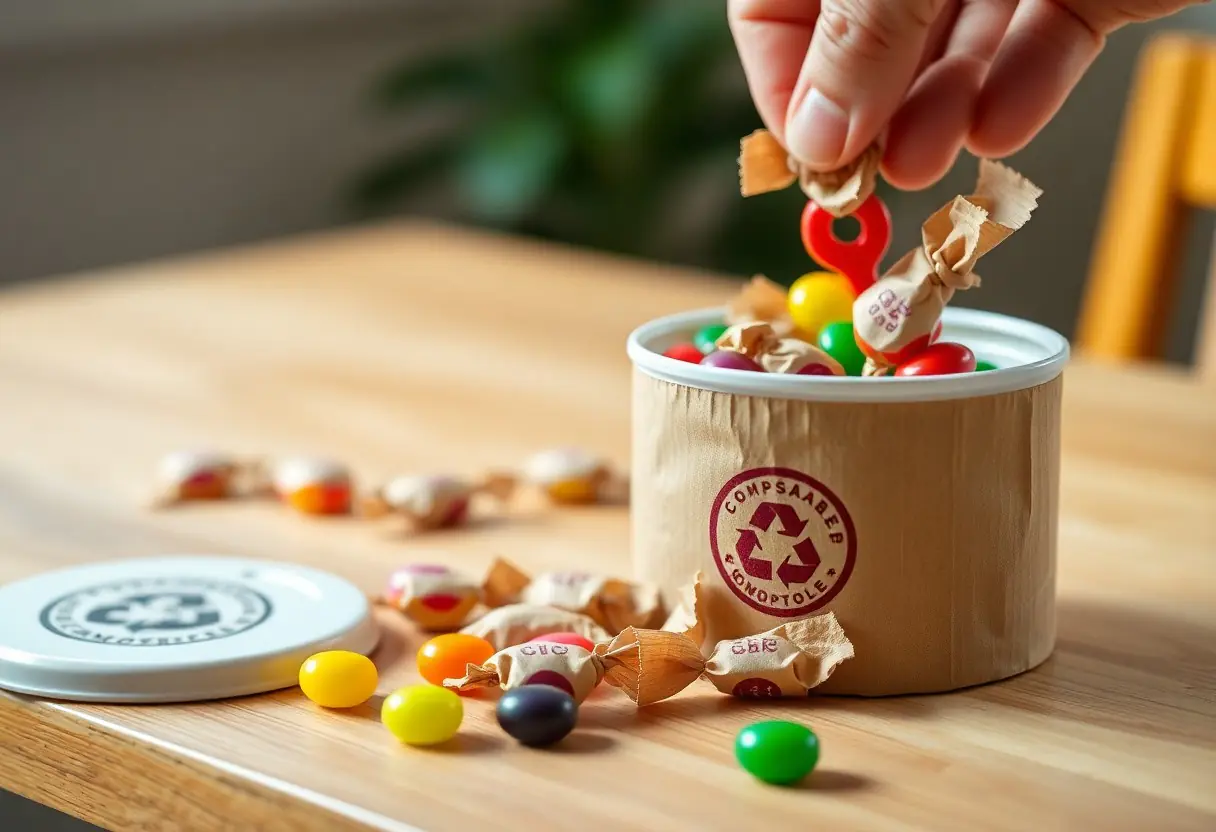
With rising plastic waste, you confront persistent microplastic pollution; choosing compostable candy wrappers reduces landfill burden and offers certified biodegradable disposal, aligning packaging with sustainable production and simple consumer composting.
The Environmental Crisis of Single-Use Plastic Wrappers
Plastic candy wrappers clog recycling streams because you can’t separate their thin, multi-layer films; facilities often classify them as contamination and send them to landfill or incineration. Single-use films resist recycling and force waste managers to divert resources to disposal rather than recovery.
Millions of discarded wrappers enter waste systems annually, increasing landfill volume and releasing toxins when burned; you see this reflected in overflowing bins and higher municipal disposal costs. Long-lasting pollution from these small items compounds environmental harm year after year.
Non-Recyclable Waste and Landfill Accumulation
You observe that thin candy films are routinely excluded from curbside programs, so they accumulate in landfills where they occupy space and slowly leach additives into soil and groundwater. Non-recyclable waste from confectionery packaging directly accelerates landfill expansion and cleanup expenses.
The Threat of Microplastic Contamination in Ecosystems
Tiny fragments from degraded wrappers release microplastics into soil and waterways, where you or wildlife can ingest them; these particles carry adsorbed chemicals and persist for years. Microplastic contamination undermines ecosystem health and the safety of food and water sources.
Research shows that microplastics from packaging fragment into particles small enough to enter tissues, so you may face exposure through seafood, crops, and airborne dust; bioaccumulation magnifies risks up the food chain and underscores the need for compostable alternatives.
Breakthroughs in Bio-Based Material Science
Advances in bio-based polymers are closing the performance gap so you can choose compostable candy wrappers without sacrificing shelf life. Manufacturers are improving formulations to deliver clarity, heat-sealability and barrier performance while reducing carbon footprint and plastic contamination risks in compost streams.
Engineers combine polysaccharides, PLA and cellulose nanofibers to create films that meet food-safety standards and composting protocols, letting you opt for home or industrial compostability while keeping product appeal.
Utilizing Plant-Derived Polymers and Cellulose
Plant-derived polymers like PLA and cellulose acetate offer you transparency and processability similar to fossil plastics, and blending with nanocellulose improves strength. These materials can lower lifecycle emissions and reduce reliance on petrochemicals, giving your packaging a clear positive environmental impact.
Enhancing Oxygen and Moisture Barrier Properties
Oxygen and moisture barriers matter because you rely on them to preserve flavor and prevent spoilage; bio-based films now match many conventional films through coatings and multilayer designs, so you can maintain freshness while meeting compostability targets.
Layered constructions use bio-based adhesives, polysaccharide coatings and thin mineral or nanocellulose layers to cut WVTR and OTR, and you should weigh trade-offs between barrier gains and composting compatibility-avoiding metalized films reduces contamination in compost.
Operational Advantages for Confectionery Manufacturers
When you adopt compostable wrappers, you can reduce packaging SKUs and cut disposal fees while meeting sustainability goals, with many formulations offering lower material costs and simpler inventory management.
Line adjustments are often minimal, so you maintain production rates and avoid extended downtime, allowing you to meet demand without sacrificing your delivery schedule.
Compatibility with Existing High-Speed Machinery
Testing on common form-fill-seal and flow-wrap machines shows you can run many compostable films at current speeds with no line slowdowns.
Switching roll widths or adhesive settings is typically supported by suppliers, enabling your teams to implement changes quickly and keep changeover times short, which preserves throughput.
Durability and Product Shelf-Life Performance
Lab barrier assessments demonstrate some compostable laminates provide comparable oxygen and moisture protection, so you can retain texture and flavor across typical shelf lives.
Packaging selection affects outcomes because certain compostable blends present increased moisture permeability, so you must validate performance against your product’s sensitivity to prevent quality loss.
Extended shelf-life trials under real storage conditions let you confirm MAP compatibility and refrigeration behavior, and you should run accelerated aging tests to document validated barrier performance.
Consumer Behavior and Market Transformation
You reward brands that prove packaging breaks down, driving retailers to stock compostable candy wrappers and shifting shelf share toward verified sustainable options.
As you demand clear evidence, procurement teams prioritize suppliers with third-party certification, which increases investment in compostable supply chains and reduces overall packaging waste, boosting sales and waste reduction.
Increasing Demand for Transparent Sustainability Practices
When you scan a label, QR codes and lifecycle data determine trust, making transparent claims a purchase trigger that raises adoption of genuinely compostable packaging.
If brands mislabel compostability, you punish them with returns and negative reviews; greenwashing becomes a dangerous liability that accelerates stricter industry verification.
Premium Positioning and Brand Loyalty Through Eco-Ethics
Because you are willing to pay more for products that match your values, compostable wrappers enable brands to command a price premium while signaling commitment to sustainability and increasing brand loyalty.
By pairing authentic storytelling with on-pack proof and disposal guidance, you form emotional connections that turn packaging into a visible brand asset and support long-term retention.
Your purchase behavior shows loyalty strengthens when brands back claims with traceability, convenient disposal instructions, and rewards; expect measurable uplifts in higher margins and repeat purchase when you choose compostable wrappers.
Navigating Regulatory Landscapes and Standards
Regulators set thresholds for compostability and labeling that determine whether you can claim compostable in marketplaces; meeting standards like EN 13432 or ASTM D6400 reduces legal exposure and curbs greenwashing accusations.
Manufacturers must align materials and documentation with local waste systems so you avoid consumer confusion and contamination of recycling streams, which can trigger recalls or bans.
Compliance with Global Composting Certifications
Certifications from bodies such as TÜV, BPI, and certified European labs prove to buyers that you meet composting criteria and expand market access across regions with strict labeling rules.
Testing protocols for biodegradation and ecotoxicity show whether your wrapper degrades in industrial composters versus home bins, and failing to certify risks rejection by waste facilities.
The Impact of Single-Use Plastic Bans on Innovation
Policies banning single-use plastics push you to adopt compostable alternatives quickly, driving R&D into plant-based films and coatings that balance shelf life with end-of-life performance and creating urgent demand for validated solutions.
Markets that enforce bans reward suppliers who can prove compostability with procurement opportunities and shelf placement, while supplier delays create a major operational risk for your product launches.
Investment from governments and brands funds pilots and scale-up, so you can tap grants and partnerships that lower R&D costs and turn regulatory pressure into a commercial advantage.
Overcoming Infrastructure and Scalability Challenges
Cities expanding organics programs will determine whether compostable wrappers reach proper end-of-life; you can push for collection routes and industrial facilities instead of sending materials to landfill. Limited industrial composting and inconsistent labeling create the biggest risk to actual composting, so press for clear standards and funding.
Brands that scale production reduce unit costs and signal demand to the waste sector, and you should work with suppliers on standardized films and pilot runs. Contamination risk falls when manufacturers adopt uniform labeling and coordinated end-of-life plans.
Expanding Industrial Composting Access
Municipalities can add drop-off sites and retrofit facilities to accept certified wrappers, but budgets lag and policy gaps persist; you can lobby local councils for grants and partnerships. Increased facility access raises diversion rates and lowers landfill burdens.
You as a buyer or advocate can fund community pilots and pressure retailers to map composting options, proving demand and de-risking municipal investment. Visible pilot successes unlock broader public funding.
Closing the Price Gap with Conventional Plastics
Supply chain consolidation and material innovation are narrowing costs, yet you still face higher shelf prices today; you can favor suppliers using blended biopolymers or lighter constructions to reduce input needs. Higher upfront costs remain the main adoption barrier.
Manufacturers who optimize processes and buy materials in bulk shrink margins quickly, and you benefit as savings are passed down; pursue co-investment and shared specifications to reach economies of scale.
Policy measures such as tax credits, procurement mandates, and extended producer responsibility cut effective costs when you account for avoided waste fees, so advocate for procurement standards that accelerate price parity.
Conclusion
As a reminder, you reduce waste and align with consumer values by adopting compostable candy wrappers. Compostable materials cut landfill impacts, support circular systems, and strengthen brand trust when you provide clear disposal instructions. You should select certified materials, design for industrial or home composting based on availability, and communicate end-of-life steps so your switch delivers measurable environmental gains without greenwashing.