Best Small-Batch Artisan Caramels Worth Splurging On Right Now
Many small makers craft caramels you'll crave; choose those with single-origin cream and buttery mouthfeel, but note high sugar and nut allergens that may pose

This article contains Amazon affiliate links. As an Amazon Associate, CandiesAndSweets earns from qualifying purchases.
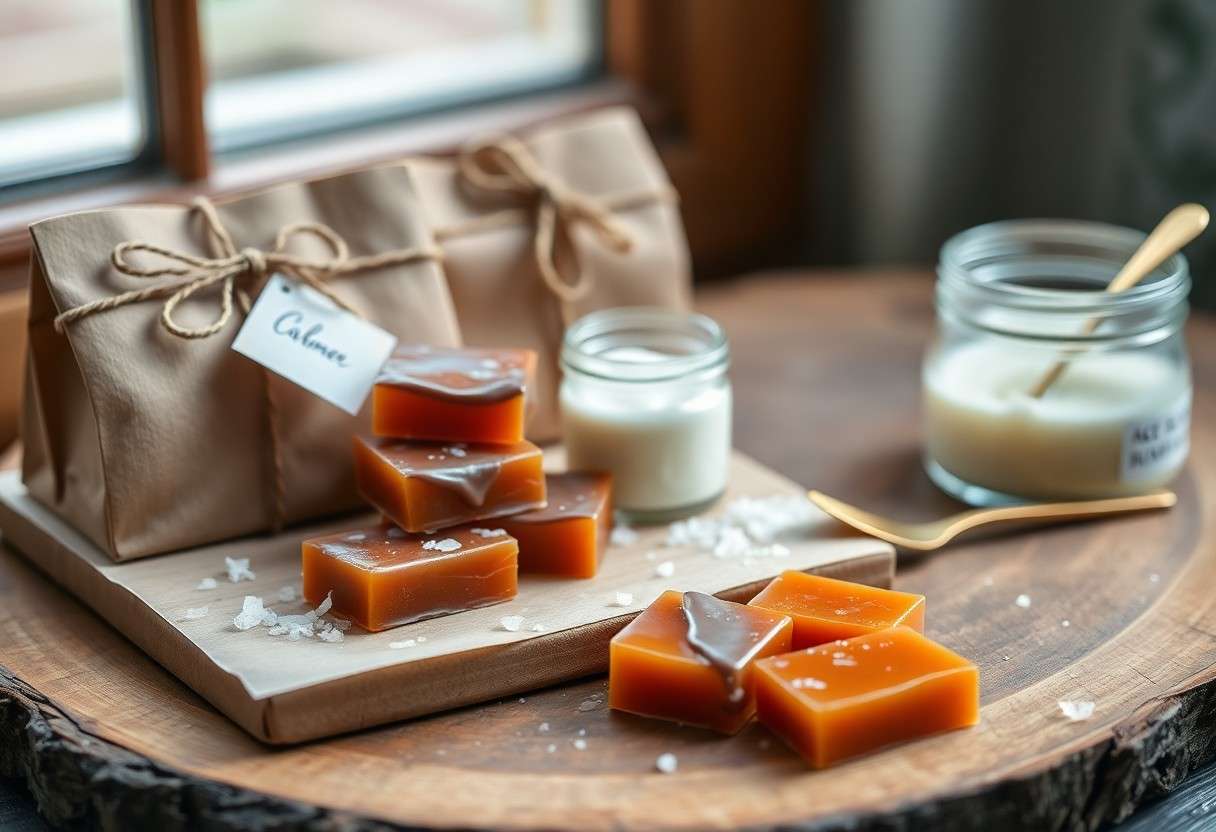
Many small makers craft caramels you’ll crave; choose those with single-origin cream and buttery mouthfeel, but note high sugar and nut allergens that may pose risks to your teeth and allergies.
Top-Tier Classic Sea Salt Selections
Artisan caramels that use flaky sea salt reward you with a finishing crunch and a briny lift that brightens butter and sugar. Hand-harvested crystals will give you a delicate snap, while you should watch portion size for the high sugar content.
You can favor brands that balance salt to sweetness and clearly label allergens; many small-batch caramels contain dairy and nuts, so check packaging before gifting or sharing.
Hand-Harvested Fleur de Sel and Grey Salt Pairings
Fleur de sel-topped caramels offer a floral, melting finish that you’ll notice immediately on the tongue, and grey salt lends earthy minerality that deepens the caramel’s caramelized notes. Fleur de sel shines when used sparingly to preserve nuance.
Smoked Salt and Mineral-Rich Variations
Smoked-salt caramels introduce savory, wood-smoke layers that make the candy feel more like a connoisseur treat; you’ll want just a hint to add complexity because smoke can overpower delicate buttered toffee flavors.
Mineral-rich salts such as Celtic grey bring umami depth and a moist mouthfeel that pairs well with dark chocolate or stout; you should still moderate intake due to high sodium levels.
Consider using smoked or mineral salts as accent notes-try a single flake atop a bite and sip a spirit or coffee to test pairing, and avoid heavy-handed use if you prefer traditional sweet-forward caramels. Complex smoke notes reward restraint.
Bold and Contemporary Flavor Infusions
You appreciate how modern artisans push caramel beyond simple sugar, blending unexpected acids, char, and smoke so you experience layered finishes that reward slow tasting and repeat visits.
These contemporary twists challenge you to sample mindfully, since concentrated oils and smoke can dominate delicate milkiness-try one at a time to parse nuance and texture.
Botanical Profiles: Lavender, Rosemary, and Hibiscus
Your palate will meet floral lavender, savory rosemary, and bright hibiscus that shift sweetness and mouthfeel, and you should note necessary oil intensity can overwhelm or trigger sensitivities.
Enjoy pairing these with green tea, chèvre, or a crisp cider so you can taste how hibiscus’ tart lift and herbal echoes reshape caramel’s sweetness.
Spirit-Forward Collections: Bourbon and Stout Reductions
You’ll encounter caramels made with bourbon and stout that offer caramelized oak, molasses, and roast notes, and you must respect their residual alcohol and concentrated bitterness when sampling.
Pair these with dark chocolate, aged blue cheese, or a nut-forward cracker so you can balance sweetness and tannin while assessing strength.
Note that many artisans age reductions to concentrate flavor-if you buy or gift them, keep them cool and clearly label for alcohol content so you don’t inadvertently serve them to those avoiding spirits.
Regional Artisans Redefining the Craft
Local makers keep pushing technique and flavor, so you encounter caramels that pair classic butter-caramel with unexpected ingredients like smoked seaweed or citrus blossom. Trust producers who emphasize small-batch freshness and clear ingredient lists so you know what you’re tasting.
Heritage Creameries of the Northeast
Northeastern creameries give you caramels steeped in butter-first tradition, slow-cooked for depth and finished with flaky salt. Check labels for contains dairy and sometimes nuts warnings before you indulge.
Family-run operations often age batches longer to coax brown-butter and toffee notes, offering you a dense, chewy bite that showcases pasture-raised butter and careful caramelization.
Innovative Confectioners of the Pacific Coast
West Coast confectioners fuse Pacific ingredients-bergamot, tea, and toasted coconut-into caramels that surprise your palate with bright or smoky accents, and some small batches feature smoke-infused flavors. Look for makers listing sourcing and technique so you can trust quality.
Startups on the coast use precise temperature control and experimental pairings to give you reliably glossy textures and inventive flavor combinations; expect flavors to rotate with the season and limited releases to command attention.
You should prioritize tasting limited runs and signed-season offerings, since limited releases often sell out fast and reveal the confectioner’s boldest work-always check allergen notes before you buy.
Identifying Superior Texture and Mouthfeel
Texture is what tells you a caramel is well-made: aim for a silky, even chew that melts without grit, since grainy or sandy pieces signal unwanted crystallization and inconsistent cooking.
Look for uniform color and pliable edges because you want elasticity rather than brittleness; overcooked sugar yields hard, tooth-threatening shards, while undercooked batches collapse into goo.
Achieving the Perfect Non-Stick Soft Chew
Feel for a non-stick soft chew that yields under gentle pressure yet holds shape, as artisanal makers achieve this with precise temperature control, a balanced butter-to-cream ratio, and properly inhibited crystallization so you avoid a clumpy mess.
Distinguishing Between Butter Toffee and True Caramel
Taste is the quickest giveaway: butter toffee presents a pronounced toasted snap and brittle finish, whereas true caramel offers deep, creamy browning and a tender chew you can savor.
Method often confirms the label-producers cook toffee to higher temperatures with more butter for hard shards, while caramel uses invert sugars and lower final temps to stay soft and chewy, so ask about cooking temps if you want a specific mouthfeel.
Evaluating Gifting and Storage Excellence
Gifting caramels works best when you choose packaging that both flatters and protects; you should favor boxes with compartments and airtight seals to prevent scent transfer and maintain freshness.
Sustainable Packaging and Aesthetic Presentation
Look for brands that use glassine, kraft, or compostable wraps so your gift feels expensive without leaving waste; you should check for clear labeling of recyclable or compostable materials.
Choose understated design elements-matte boxes, simple ribbon, and windowed trays-to let the product speak; you should expect inner dividers and parchment liners that keep pieces from sticking and preserve appearance.
Preserving Freshness and Butterfat Integrity
Seal matters more than you think: you should prefer tins or vacuum-style pouches that limit exposure to air and light to guard texture and flavor.
Butterfat content influences shelf life and mouthfeel; you should store higher-butterfat caramels away from heat and strong odors because they can turn rancid faster if mishandled.
Store wrapped caramels in a cool, dry spot and avoid long-term refrigeration unless necessary-chilling can cause sugar bloom, so if you refrigerate, bring them to room temperature before serving to restore softness.
To wrap up
So you should splurge on small-batch artisan caramels when you want concentrated flavor, nuanced salt balance, and handcrafted textures that mass-made sweets can’t match. You can justify occasional indulgence for gifts or a pantry upgrade; choose makers who list pure butter, single-origin ingredients, and careful aging. You will get more satisfaction per bite than from bulk confections.


