Best Coconut Milk Chocolates for Dairy Free Indulgence
Just trust your taste: you should check labels for hidden dairy or cross-contact, seek certified dairy-free seals, and favor creamy, rich flavor while avoiding

This article contains Amazon affiliate links. As an Amazon Associate, CandiesAndSweets earns from qualifying purchases.
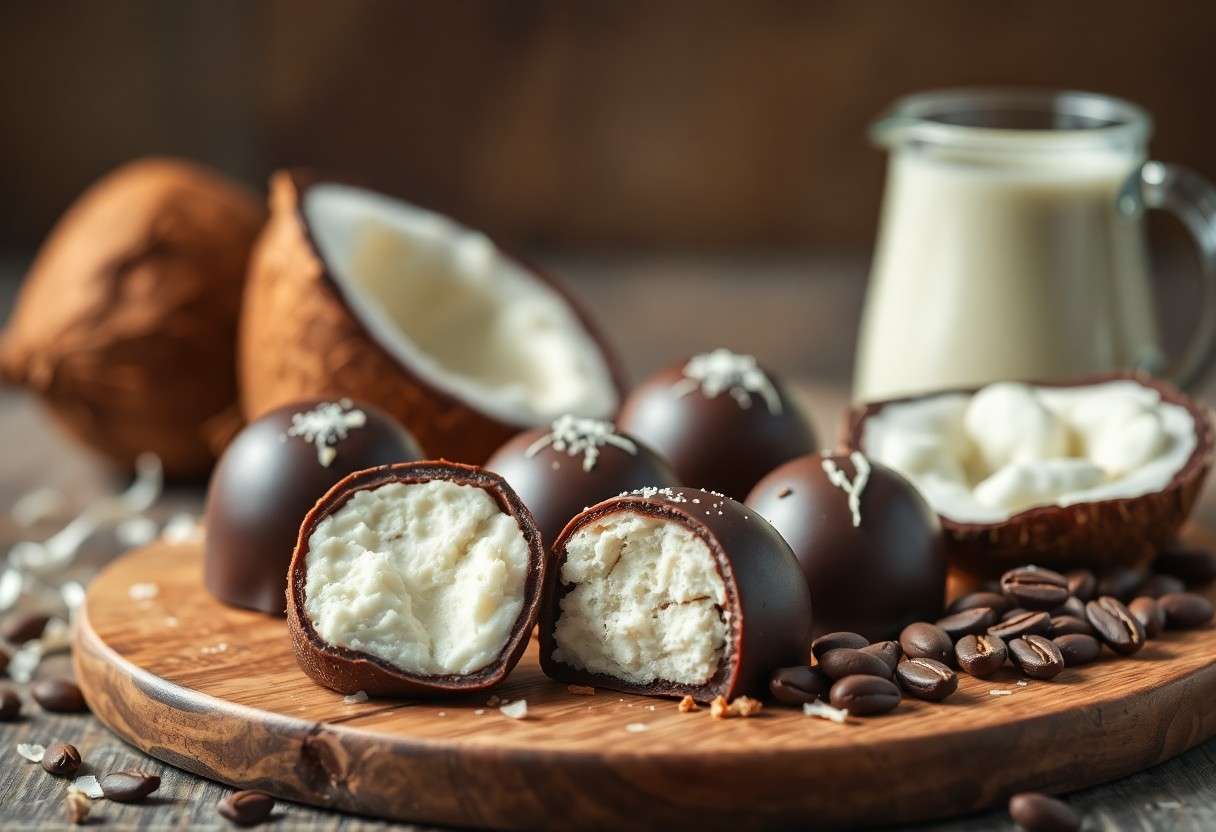
Just trust your taste: you should check labels for hidden dairy or cross-contact, seek certified dairy-free seals, and favor creamy, rich flavor while avoiding brands with allergen risks.
The Rise of Coconut Milk in Premium Confections
Coconut milk’s creamy profile has propelled it into premium chocolates, giving you rich mouthfeel without dairy. You’ll notice chocolatiers using it for silky texture and a subtle tropical lift that complements dark and single-origin bars.
Brands are reformulating ganaches and truffles to use coconut milk as a stable dairy-free base, so you can enjoy familiar creaminess while choosing cleaner labels. You should watch for higher saturated fat and check packaging if you monitor intake.
Achieving the Perfect Dairy-Free Emulsion
Emulsification depends on correct temperature and the right binders, so you should heat coconut milk gently and add lecithin or natural gums to keep ganaches glossy. You’ll reduce separation by cooling slowly and stirring consistently.
Recipe balance matters: you should target a fat-to-cocoa ratio that preserves snap without becoming oily, adjusting coconut cream versus water to control mouthfeel and shelf stability.
Comparing Coconut Milk to Other Plant-Based Bases
Compared to oat or almond bases, you get more immediate richness and faster set from coconut’s fat, while other bases offer milder flavor and often lower saturated fat. You should choose based on flavor goals and dietary restrictions.
Below you’ll find a quick side-by-side to help you decide; if you have nut sensitivities, check allergen statements since processing and cross-contact can vary.
Quick Comparison: Coconut Milk vs Other Plant Bases
| Coconut Milk | Other Plant Bases |
|---|---|
| Flavor: Tropical notes. Fat: Higher saturated fat. Texture: Silky, creamy. Allergens: Rare coconut sensitivity possible. | Flavor: Neutral to nutty (oat, almond, soy). Fat: Lower saturated fat (varies). Texture: Varies-oat is creamy, almond is lighter. Allergens: Nut or soy allergens may apply. |
Essential Standards for Gourmet Coconut Milk Chocolate
Standards for gourmet coconut milk chocolate prioritize clean labels, high cacao content, and verified dairy-free processing so you can trust each bite. You should expect transparent sourcing, minimal additives, and clear allergen statements that protect you from hidden dairy contamination.
Texture must be creamy and smooth without relying on artificial stabilizers; you should find a true silky melt from coconut milk and cocoa butter rather than polysaccharides or excessive gums.
Evaluating Cacao Origin and Sustainability
Cacao origin affects flavor and ethics; you should favor beans with traceable, sustainably sourced certifications that support farmers and reduce environmental harm while enriching chocolate complexity.
Certifications like organic, Fair Trade, and direct-trade signal better practices, and you should look for clear provenance statements that confirm both quality and fair compensation for growers. You might also enjoy our guide on Complete Guide to Dairy-Free Confectionery Alternatives.
Identifying Hidden Additives and Emulsifiers
Labels can conceal emulsifiers and stabilizers; you should scan for ingredients such as carrageenan, soy lecithin, and mono‑ and diglycerides, all of which alter texture or may raise allergen concerns.
Watch for allergen warnings and phrases like “may contain traces” or “processed in a facility” because cross-contact with milk proteins is a major risk for dairy-free consumers.
Check with manufacturers when in doubt and prefer products that list plant-based emulsifiers such as sunflower lecithin or simple coconut-based stabilizers to minimize hidden animal-derived ingredients.
Top Picks for Velvety Smooth Texture
You should prioritize bars with a higher coconut-fat ratio and minimal stabilizers to achieve that familiar milk-chocolate creaminess without dairy; look for products where coconut milk enhances rather than masks cocoa. Seek options with high coconut fat and balanced cocoa for the truest velvety mouthfeel.
Silky texture often depends on cocoa butter balance and careful emulsification, so examine ingredient lists and production notes when available. Favor bars with simple formulations and avoid those listing hydrogenated oils; clean ingredient lists typically translate to superior creaminess.
Best Single-Origin Coconut Milk Bars
Single-origin bars let you taste terroir alongside coconut cream, so you can choose beans that complement tropical notes; select moderate cacao percentages so the coconut doesn’t overwhelm bean character. Watch labels for processing practices and cross-contamination risks if you have severe dairy allergies.
Leading Organic and Fair-Trade Options
Certified organic and fair-trade bars offer assurance of ethical sourcing and reduced pesticide exposure, and many brands use better-quality coconut milk for improved texture. Expect slightly higher prices in exchange for cleaner ingredients and responsible sourcing.
Price reflects sourcing and small-batch methods, so you should weigh budget against values and verify seals like USDA Organic and Fair Trade Certified while checking coconut milk content to ensure the level of creaminess you prefer.
Innovative Flavor Profiles and Pairings
Creative pairings push coconut milk chocolates into unexpected territories: you can try miso caramel for umami contrast or smoked cacao for depth. Seek makers that balance texture and flavor, and check for clean labels so you get consistent, high-quality dairy-free indulgence.
Try tasting small pieces side-by-side so you can identify delicate floral, nutty, or smoky notes; your palate will reveal which profiles suit you best. Pay attention to mouthfeel-silky coconut milk ganaches deliver the most decadent experience.
Savory Enhancements: Sea Salt and Toasted Spices
Salt flakes on coconut milk chocolate sharpen sweetness and lift cocoa complexity; you should prefer bars with restrained salting that enhances rather than dominates. Also watch labels for cross-contamination with nuts if you have allergies.
Toasted spices like cumin or cardamom introduce warmth and savory depth, and you can pair them with roasted coconut for crunchy contrast. Look for producers who use lightly toasted spices to avoid bitter notes.
Botanical Infusions and Fruit-Forward Blends
Floral infusions such as lavender or rose meld with coconut milk’s creaminess, but you should sample cautiously because these flavors can be potent; choose bars that use natural extracts for a clean, authentic taste.
Citrus-forward blends featuring yuzu, orange, or passionfruit brighten the finish and cut richness; you can pair them with a slightly bitter dark shell to achieve a lively balance and a refreshing aftertaste.
Experiment by pairing fruit-forward chocolates with tea or sparkling water to reset your palate, and you should test serving temperature-slight warmth unlocks aromatics. Always scan ingredient lists for added sugars or hidden dairy.
Nutritional Advantages of Coconut-Based Treats
Coconut milk chocolates deliver creamy, dairy-free texture while offering medium-chain triglycerides and lauric acid that can be easier on digestion than dairy. You’ll get a richer mouthfeel with fewer lactose-related issues and a treat that suits vegan or lactose-intolerant diets.
You should watch calories and sugar since some brands pack high added sugar that can outweigh health benefits; practice portion control when indulging.
Understanding Healthy Fats and MCTs
MCTs in coconut milk provide quick energy and are metabolized differently from long-chain fats, so you may notice steadier energy and increased satiety after a small serving.
Glycemic Impact and Natural Sweeteners
Choosing chocolates sweetened with low-glycemic alternatives like erythritol, stevia, or moderate coconut sugar helps keep blood sugar steadier; read labels to avoid hidden sugars.
Consider that sugar alcohols lower glycemic impact but may cause digestive upset for some people, so if you have diabetes check total carbs and pick options with minimal net carbs.
Expert Advice for Selection and Storage
Choose bars that list coconut milk near the top of the ingredient list and avoid ones that mention milk, casein, whey, or ambiguous “natural flavors” if you have dairy concerns. You should also watch for allergy warnings like “may contain traces of milk or tree nuts” which indicate potential cross-contact risk.
Store unopened chocolate in a cool, dry place away from direct sunlight and strong odors; you want stable conditions to prevent fat or sugar bloom. You should move opened bars into airtight containers and keep them at consistent temperatures to maintain texture and flavor.
Decoding Label Terminology
Check ingredient panels for terms like “full‑fat coconut milk” versus “coconut cream concentrate” to predict mouthfeel and sweetness; you should prefer formulations with higher coconut content for a creamier, dairy-like experience. Watch for lecithin sources-soy or sunflower-if you have other allergies.
Compare sugar sources and preservatives: some brands use refined sugars while others use coconut sugar or erythritol, which affect taste and aftertaste. You should also note storage instructions and best‑by dates, since coconut‑based fillings can have a shorter shelf life than plain dark chocolate.
Maintaining Temper and Freshness
Keep chocolates at a steady temperature around 60-70°F (15-21°C) with low humidity to avoid fat bloom and textural changes; you should let chilled bars come to room temperature in their wrapping before opening to prevent condensation. You should also avoid storing chocolates near strong‑smelling foods that can transfer odors.
Allow opened chocolates to be resealed in airtight containers with a small desiccant packet or a folded paper towel to absorb moisture and protect crunches or fillings. You should refrigerate only when unavoidable, and if you do, place the sealed container in a secondary airtight bag to minimize condensation and flavor transfer. You might also enjoy our guide on Ultimate Guide to Vegan Chocolate Truffles.
Final Words
Summing up, you should prioritize coconut milk chocolates that list simple ingredients, high cocoa percentage, and quality sourcing; you will enjoy creamy texture without dairy and can select options with minimal additives. You can compare brands by sampling small bars and checking for allergy-friendly or certification notes to find a favorite for everyday treats or special occasions. You might also enjoy our guide on Vegan Chocolate Market Surge: Innovations and Real-Life Brand Success Stories.