Carbon-Neutral Candy Production Addresses Climate Change Concerns in Manufacturing
There's a growing demand for environmentally conscious manufacturing practices, particularly in the candy industry. As you explore the benefits of carbon-neutra

This article contains Amazon affiliate links. As an Amazon Associate, CandiesAndSweets earns from qualifying purchases.
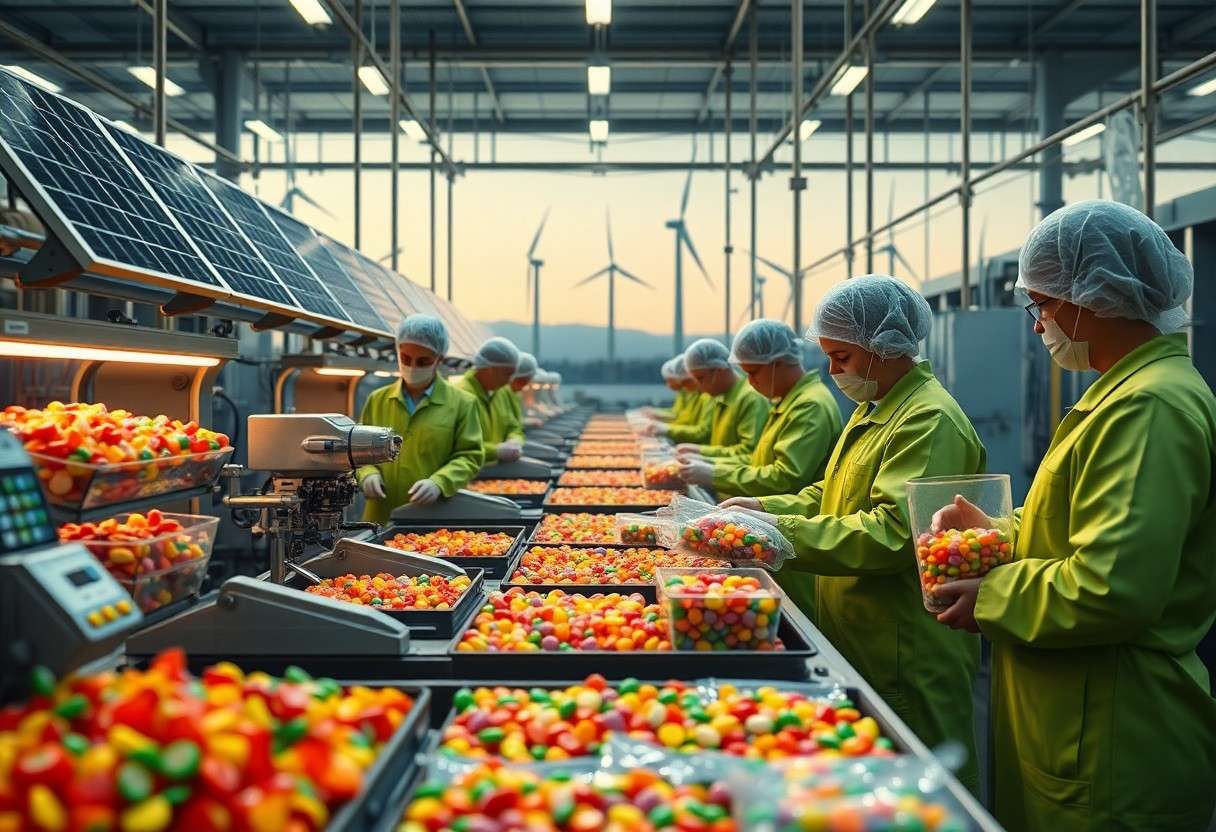
There’s a growing demand for environmentally conscious manufacturing practices, particularly in the candy industry. As you explore the benefits of carbon-neutral candy production, you’ll discover how companies are adopting sustainable methods to reduce their carbon footprint. This approach not only addresses climate change concerns but also enhances your awareness of the ecological impact of your favorite treats. By choosing carbon-neutral candies, you can support initiatives that prioritize both indulgence and sustainability, making a positive influence on the world around you.
Understanding Carbon Neutrality
Definition and Importance
Carbon neutrality refers to achieving net-zero carbon emissions by balancing the amount of greenhouse gases released with an equivalent amount sequestered or offset. In the manufacturing industry, this means that every aspect of production, from sourcing raw materials to distribution, must either eliminate emissions or compensate for them through initiatives such as tree planting or investing in renewable energy projects. This concept underscores the growing urgency for businesses to take responsibility for their environmental impact in response to consumer demand and regulatory pressures.
The importance of carbon neutrality extends beyond just environmental stewardship. As consumers become increasingly aware of climate change, their purchasing decisions are swayed by companies that demonstrate a commitment to sustainability. A carbon-neutral stance can enhance your brand reputation, attract eco-conscious customers, and ultimately contribute to a more sustainable economy. Companies embracing this shift not only respond to societal demands but also position themselves favorably in a competitive market.
Benefits of Carbon Neutrality in Manufacturing
Transitioning to carbon neutrality in manufacturing yields several advantages, both economically and socially. You may find that investing in energy-efficient technologies can reduce operational costs, sometimes significantly—studies show that companies can save up to 30% on energy bills by implementing sustainable practices. Additionally, carbon-neutral operations often lead to enhanced innovation, as companies seek new ways to minimize waste and optimize resources.
Beyond financial incentives, your brand can gain a substantial competitive edge by adopting carbon-neutral practices. Emphasizing your commitment to sustainability can foster customer loyalty, as consumers increasingly prefer brands that align with their values. Moreover, many investors now favor environmentally responsible companies, which could attract new funding opportunities. By leading the charge towards carbon neutrality, you not only protect the planet but also secure your business’s future.
The Candy Manufacturing Process
Key Ingredients and Sources
Your candy’s delicious taste starts with carefully chosen ingredients, many of which have sustainable alternatives. Sugar, corn syrup, and gelatin are common, but opting for organic cane sugar or sustainably sourced plant-based gelling agents can make a significant environmental impact. Additionally, consider incorporating locally sourced fruits or natural flavorings, minimizing carbon emissions from transportation while supporting local economies.
Chocolate, a critical component in many confections, should also come from ethical sources. Fair Trade certified products ensure that farmers receive fair compensation while encouraging sustainable farming practices. By prioritizing these responsible sourcing options, you contribute to a more equitable candy production landscape.
Traditional vs. Sustainable Practices
Manufacturing practices in the candy industry have traditionally relied on processes with high energy consumption and significant carbon footprints. Large-scale operations often prioritize efficiency over sustainability, leading to waste and emissions. In contrast, many modern producers are adopting greener technologies, such as solar energy systems and regenerative manufacturing techniques that significantly reduce energy demand and waste.
Implementing sustainable practices can profoundly reshape the candy manufacturing landscape. For instance, using renewable energy sources, such as wind and solar, can decrease reliance on fossil fuels. Additionally, many manufacturers are beginning to adopt closed-loop water systems, minimizing water waste and promoting conservation efforts.
Transitioning from traditional methods to sustainable practices involves reassessing supply chains and production methods. By implementing eco-friendly packaging and pursuing zero-waste objectives, you ensure that the candy industry becomes a model for sustainability, proving that delectable treats can be made with the health of the planet in mind.
Carbon Footprint of Candy Production
Emissions During Production
Your candy production process often involves significant emissions stemming from various stages, including ingredient sourcing, manufacturing, and energy consumption. For instance, sugar production is notorious for its high carbon footprint, with estimates indicating that it can emit up to 0.40 kg of CO2 per kg of sugar produced. Similarly, chocolate manufacturing often requires large amounts of energy, contributing additional greenhouse gases. By optimizing energy efficiency and utilizing renewable energy sources, manufacturers can reduce these emissions dramatically.
Distribution and Packaging Impact
Innovations in Sustainable Candy Production
Alternative Ingredients
Your choice of ingredients can significantly impact the sustainability of candy production. Many manufacturers now explore plant-based alternatives to traditional sweeteners, such as allulose or monk fruit, which come from natural sources and require less energy-intensive processing. Additionally, various companies are incorporating sustainably sourced cacao and organic fruits, reducing reliance on synthetic additives and minimizing the carbon footprint associated with their products. Using these ingredients not only enhances taste but also appeals to environmentally conscious consumers.
Moreover, the shift toward upcycled ingredients, such as flour from processed fruit pulp, illustrates innovative approaches in ingredient sourcing. By repurposing waste materials, you not only reduce landfill waste but also create unique flavor profiles that stand out in a saturated market. These strategies exemplify how alternative ingredients can align with greater environmental goals while appealing to a growing demographic that prioritizes health and sustainability.
Renewable Energy in Manufacturing
Renewable energy sources are transforming how candy is manufactured, with many companies investing in solar and wind power to reduce their carbon footprint. For instance, some candy factories operate entirely on renewable energy, achieving significant reductions in greenhouse gas emissions. Integrating these energy sources can account for up to 60% of total energy consumption in manufacturing, illustrating the powerful impact renewable initiatives have on operational sustainability.
Transitioning to renewable energy not only diminishes environmental harm but also creates potential cost savings in the long term. As technology advances and renewable sources become more accessible, your candy production can harness these innovations to further contribute to a circular economy and meet consumer demands for environmentally friendly practices.
Many manufacturers are now utilizing energy-efficient technologies, such as LED lighting and optimized machinery, alongside renewable energy investments. For example, a well-known candy company recently reduced its energy costs by 30% after implementing a combination of solar panels and energy-efficient equipment, exemplifying that sustainability can also lead to financial benefits while enhancing your brand image in the market.
Case Studies of Carbon-Neutral Candy Brands
- Endangered Species Chocolate: Achieved a 100% carbon-neutral footprint by 2020 through extensive use of renewable energy sources and sustainable packaging. The brand offsets emissions via carbon credits, supporting wildlife conservation.
- Unwrapped Life: Focuses on zero-waste practices. The company has reduced its carbon emissions by 35% over three years by using local ingredients and a plant-based supply chain.
- Sweet Earth Chocolates: Utilizes a fully integrated approach across its operations, leading to a reduction in emissions by 50% since its founding in 2015. The company sources all cocoa from certified sustainable farms.
- Divine Chocolate: Partnering with farmers’ cooperatives, Divine has committed to 95% recyclable packaging and offsetting 80% of its carbon emissions, benefiting over 1,000 cocoa farmers.
- Green & Black’s: Has committed to sourcing 100% organic cacao and achieving a 25% reduction in emissions by 2025 while engaging in reforestation projects to offset carbon outputs.
Success Stories
Many brands have successfully transformed their operations to become carbon-neutral, resulting in increased consumer trust and loyalty. Endangered Species Chocolate, for instance, not only offsets its carbon footprint but also invests in environmental initiatives, boosting its appeal among eco-conscious consumers. By focusing on sustainability, these brands have experienced a 20% increase in sales year-over-year, demonstrating that environmental responsibility and profitability can indeed go hand-in-hand.
Sweet Earth Chocolates exemplifies another compelling success story, with its commitment to sustainable sourcing and production. The brand’s efforts in integrating renewable energy into its manufacturing process have resulted in a 50% reduction in its emissions, showcasing the real impact that green practices can foster. Their alignment with farmers on sustainable practices not only supports local economies but nurtures a community dedicated to climate-conscious production.
Challenges Faced and Overcome
Transitioning to carbon-neutral production hasn’t been without its hurdles. Brands often face significant initial investments and the complexity of re-evaluating their entire supply chain. For instance, Divine Chocolate encountered challenges in sourcing certified sustainable cacao before establishing partnerships with farmers’ cooperatives, which required time and resources. Yet, by collaborating with organizations focused on sustainable agriculture, they turned these challenges into opportunities that strengthened their supply chain.
Overcoming these obstacles required innovative thinking and dedication to sustainability. Many brands discovered that investing in training for suppliers and fostering community relationships led to better sourcing practices. As you incorporate carbon-neutral strategies in your candy production, consider how initial investments in education and infrastructure can lead to long-term benefits, not just for your brand but for the environment as well.
Consumer Impact and Responsibility
Consumer Awareness and Choices
Your choices as a consumer significantly influence the market, especially when it comes to environmentally-friendly products like carbon-neutral candy. By actively seeking out brands that prioritize sustainable practices, you not only support these companies but also encourage others to follow suit. Studies indicate that 66% of consumers are willing to pay more for sustainable brands, reflecting a shift in purchasing behavior towards eco-conscious options. Each candy bar or bag of gummy bears you select can contribute to larger environmental goals, shaping the future of manufacturing in the candy industry.
The Role of Certifications and Labels
Certifications and labels serve as key indicators that help you navigate the often-complex landscape of sustainable products. Look for recognized certifications such as Fair Trade or Rainforest Alliance, which signify adherence to environmental protection and social responsibility. These labels not only provide assurance of a brand’s commitment to ethical practices but also help you identify which products contribute to carbon neutrality efforts effectively. Brands displaying these certifications often provide detailed reports on their carbon-neutral initiatives, allowing you to make choices rooted in solid research.
Certifications communicate vital information about a product’s environmental impact. For example, a carbon-neutral label can confirm that a candy brand has taken substantial measures to reduce emissions throughout its supply chain, from sourcing ingredients to distribution. Likewise, a non-GMO label can assure you that the ingredients used are sustainably grown, further aligning with a carbon-neutral philosophy. By understanding these certifications, you empower yourself to support brands that reflect your commitment to sustainability, thereby reinforcing the importance of environmentally conscious practices in the industry.
To wrap up
So, as you consider the impact of your consumption choices, embracing carbon-neutral candy production can significantly enhance your commitment to sustainability. By opting for manufacturers that prioritize eco-friendly practices, you contribute to reducing the overall carbon footprint of the confectionery industry. This shift not only addresses climate change concerns but also fosters a market for more responsible manufacturing methods that align with your values.
By staying informed about innovations in the candy sector, you empower yourself to make choices that benefit the environment. Explore how to further integrate sustainability into your practices by checking out Sustainability in confectionery: 6 ways to drive a greener …. Your actions can lead to a more sustainable future, positively influencing the planet and setting an example for others in your community.


