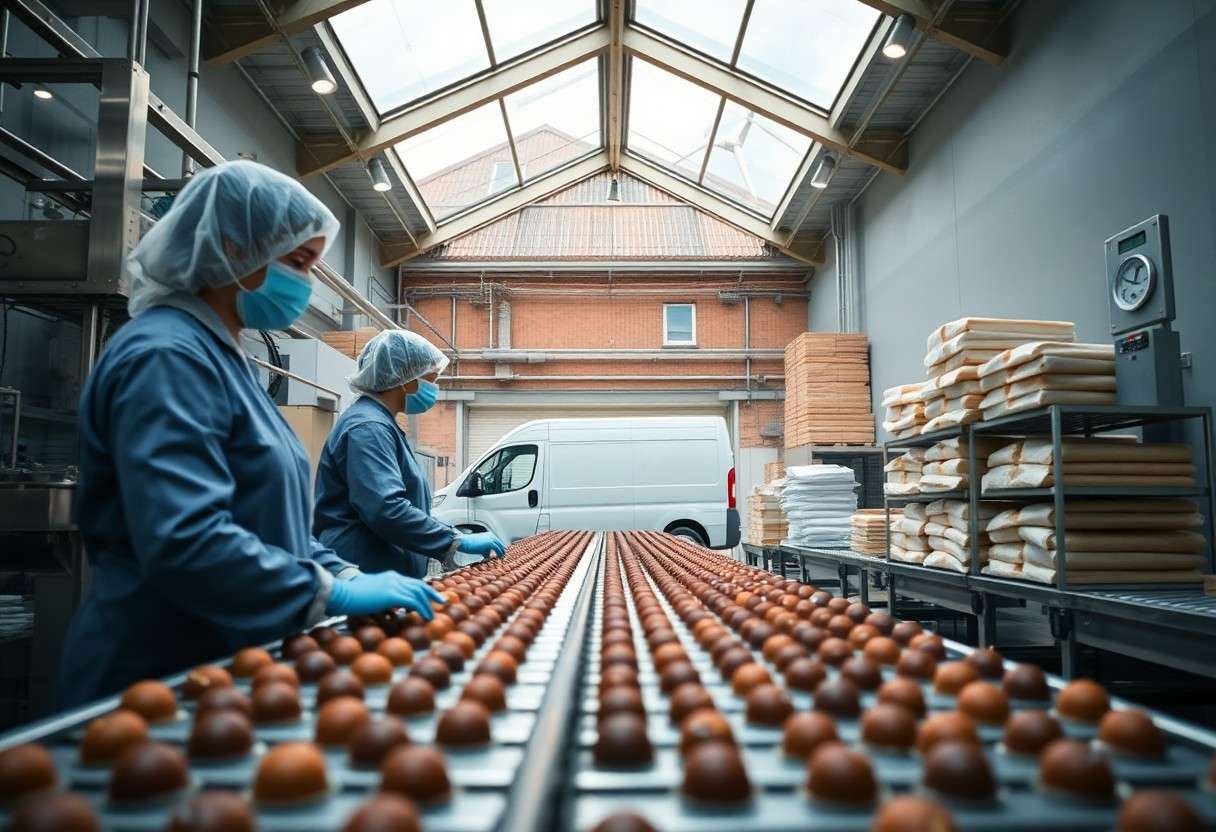
How Solar Powered Factories Make Sustainable Sweets
Sustainability in the confectionery industry is becoming increasingly important, and you can explore how solar-powered factories are leading the change. By harn

This article contains Amazon affiliate links. As an Amazon Associate, CandiesAndSweets earns from qualifying purchases.

Sustainability in the confectionery industry is becoming increasingly important, and you can explore how solar-powered factories are leading the change. By harnessing the sun’s energy, these factories reduce their carbon footprint while producing delicious sweets. Your choices as a consumer can encourage more businesses to adopt these green practices, contributing to a healthier planet. In this post, you will learn about the innovative processes and benefits of solar energy in sweet production, showcasing how sustainability can go hand-in-hand with your favorite treats.
The Rise of Solar Powered Factories
Energy Efficiency in Manufacturing
Incorporating solar energy into your manufacturing processes significantly enhances energy efficiency. Solar panels convert sunlight into electricity, which can be used to power machinery and other operational needs without relying on fossil fuels. For example, some factories have reported a reduction in energy bills by up to 50% after switching to solar power, allowing for more funds to be allocated toward sustainable practices or innovation. This not only cuts costs but also promotes a more resilient and self-sufficient manufacturing environment.
Optimizing energy usage is another key benefit. You can implement energy storage systems to save excess power generated during sunny days, ensuring reliable energy supply even during cloudy periods or at night. Battery storage solutions are becoming more accessible and affordable, making them attractive options for factories looking to maintain consistent operations while minimizing their carbon footprint. This strategic approach to energy management ensures that you are never caught off guard by fluctuating energy demands.
Your factory could also benefit from integrating smart sensors and energy management systems. These tools monitor real-time energy consumption and adjust the operations accordingly, reducing waste. For instance, a confectionery factory might automatically halt production during peak demand hours when energy prices spike, only to resume when costs decrease. By implementing such technologies, you’re not only increasing efficiency but also demonstrating a commitment to sustainability, appealing to environmentally-conscious consumers.
Environmental Impact of Solar Energy
The switch to solar-powered manufacturing offers significant environmental advantages. You play a vital role in reducing greenhouse gas emissions, often the largest contributor to climate change. Studies show that solar energy can cut carbon emissions by up to 80% compared to traditional fossil fuel sources. For instance, if your factory’s energy needs are met entirely by solar power, you contribute to the reduction of hundreds of tons of carbon dioxide over its lifetime, aligning your operations with global sustainability efforts.
Furthermore, solar panels require minimal water for maintenance, unlike conventional energy sources that often entail substantial water usage for cooling and processing. This is particularly important in water-scarce regions where every drop matters. By adopting solar energy, you’re making a conscious choice to preserve vital resources while fostering a cleaner manufacturing process. The sustainability of your sweet manufacturing endeavors is enhanced, ensuring that you are on the right side of environmental stewardship.
As you integrate solar energy into your operations, the positive ripple effects extend beyond your factory walls. Your commitment can inspire other businesses in the confectionery industry to evaluate their energy sources and consider similar transitions. This collective shift not only bolsters consumer confidence but also positions your brand as a leader in environmental responsibility, creating a competitive edge in a market increasingly dominated by eco-conscious choices.
Sustainable Ingredients in Sweet Production
In the quest for sustainability, sourcing local and organic ingredients stands as a cornerstone of sweet production. By prioritizing these options, you’re not only supporting local economies but also ensuring that the ingredients in your sweets are free from harmful pesticides and synthetic fertilizers. For instance, ingredients like sugar are often sourced from regional farmers who practice crop rotation and organic growing methods, resulting in a better quality product that retains more nutrients. This approach not only boosts the flavor of your confections but also reduces the harmful impact on the environment compared to industrial farming practices.
Sourcing Local and Organic Ingredients
When you choose to incorporate locally sourced and organic elements, you create a direct link between your sweets and the surrounding community. Local sourcing typically means reduced transportation costs and times, which lowers the overall carbon emissions associated with ingredient supply. A chocolate factory in Oregon, for example, has developed partnerships with nearby organic farms to secure cacao and sugar. This allows them to offer authentic flavors that reflect their region while keeping their footprint minimal. Using organic fruits, nuts, and grains sourced from nearby farms not only bolsters your brand’s sustainability credentials but also enhances freshness, leading to better taste and quality in your sweets.
Organic ingredients bring an assortment of benefits as well. For starters, they often have higher standards for animal welfare, biodiversity, and eco-friendly farming practices. When you opt for organic materials, you are avoiding genetically modified organisms (GMOs) that can have unforeseen effects on health and the environment. Research shows that organic farming can sequester more carbon in the soil, making it a viable option for improving soil health and diminishing your overall ecological impact. Additionally, your customers increasingly prefer brands that showcase transparency and sustainability; thus, incorporating organic ingredients helps in building customer loyalty. You might also enjoy our guide on Complete Sustainable Packaging Standards Explained.
Reducing Carbon Footprint Through Supply Chain
Minimizing your carbon footprint through an efficient supply chain is critical for sustainable sweet production. By optimizing logistics and shortening delivery times, you can significantly cut down on greenhouse gas emissions. Collaborating with local suppliers allows you to establish a lean supply chain that emphasizes quick turnover and minimal waste. For example, one candy manufacturer reduced its emissions by 30% after switching to suppliers located within a 100-mile radius. This practice not only contributes to sustainability but also fosters stronger community ties and stability for local farmers.
Moreover, employing renewable energy sources across your supply chain can amplify sustainability efforts significantly. If you’re using solar-powered facilities, you’re already on your way; make sure to partner with suppliers who prioritize renewable energy as well. This holistic approach not only aligns with your sustainable values but also creates a network of like-minded businesses that reinforce each other’s efforts in reducing environmental impact. Each step of your supply chain, when consciously designed with sustainability in mind, works towards a sweet future that benefits all parties involved.
The Process of Solar-Powered Sweet Production
Energy Conservation Techniques
You will find energy conservation techniques play a significant role in the operation of solar-powered sweet factories. These facilities often employ high-efficiency equipment that minimizes energy consumption during the production process. For instance, advanced energy management systems can monitor real-time usage, adjusting outputs based on solar energy availability, thus ensuring that excess energy is not wasted. By integrating methods such as heat recovery systems, these factories can recycle waste heat generated during production, reducing the overall demand for energy and maximizing the utilization of solar power.
Moreover, you can see that solar-powered factories optimize their operational schedules around peak sunlight hours. By aligning production runs with times when solar energy is at its highest, these facilities significantly decrease reliance on supplementary energy sources. Some factories utilize battery storage technology, which captures surplus energy produced during sunny days to fuel operations during overcast periods or nighttime. This dual approach not only enhances energy efficiency but also stabilizes production, ensuring that your favorite sweets are always available regardless of weather conditions.
Your engagement with the sweet production process highlights the commitment of these solar factories to sustainability. For instance, many plants are equipped with smart sensors and IoT devices that monitor energy consumption across various production stages. Innovations such as these allow for instantaneous adjustments to processes that consume excessive power, ultimately optimizing operations for lower energy use. By adopting such proactive energy conservation techniques, these factories exemplify how thoughtful design and technology can lead to significant reductions in carbon footprints.
Innovations in Production Technology
As you explore the advancements in production technology, it becomes clear that solar-powered sweet production is leaning towards automation and smart manufacturing processes. Robotics and artificial intelligence are increasingly utilized to increase precision, efficiency, and speed. For example, automated mixing and packaging systems ensure consistent quality and reduce the likelihood of human error, thereby optimizing resource use. Coupled with solar energy, these innovations help minimize waste while maximizing productivity.
Additionally, you may notice the integration of blockchain technology within the supply chain of solar-powered sweet factories. This innovative approach enhances traceability and transparency in sourcing ingredients, enabling you to make informed choices about the products you consume. By tracking how and where ingredients were sourced, these factories allow for a collective effort toward sustainability that resonates with eco-conscious consumers. Furthermore, the use of machine learning algorithms can predict demand, allowing factories to adjust production schedules dynamically and reduce overproduction.
Another noteworthy innovation lies in the development of plant-based sweeteners and alternatives that align with healthier consumption trends. By utilizing solar power to produce these ingredients, factories not only reduce their ecological impact but also respond to consumer preferences for sustainable and wholesome products. Technologies used to extract and refine these sweeteners are designed with energy efficiency in mind, ensuring that minimal energy is consumed during processes that often require significant heat and energy inputs.
This intersection of solar energy with cutting-edge technology signals a shift in the sweet manufacturing landscape, making it more accessible for small and medium-sized producers to enter the market without compromising on sustainability or quality. The added capability to share data across the production line fosters collaboration and innovation among producers, creating an ecosystem of sustainability in the sweets industry. You might also enjoy our guide on Complete Sustainable Sourcing Standards Explained.
Case Studies of Successful Solar Powered Factories
Examples from Around the World
Across the globe, various solar-powered factories exemplify the potential of renewable energy in the food industry, particularly in candy manufacturing. For instance, in India, the candy producer Chhota Bheem set a benchmark by incorporating a 500 kW solar power system, which fulfills nearly 80% of its energy requirements. This transition not only reduced annual energy costs by approximately 30%, but it also decreased the factory’s carbon footprint by saving around 300 tons of CO2 emissions yearly. Such tangible benefits underscore the viability of solar energy in operations that rely heavily on continuous power.
In the United States, a significant case is that of a well-known chocolate manufacturer in California, which has installed a state-of-the-art solar array capable of producing 1.2 MW of electricity. This initiative enables the factory to power its operations, including chocolate production and packaging, completely with solar energy. As a result, they’ve reported a decrease in electricity costs by 40%, translating into savings of roughly $500,000 annually. Moreover, this shift not only promotes sustainability but also enhances the company’s brand image among environmentally-conscious consumers.
Internationally, one notable example arises from a factory in Germany that specializes in gummy candies. With a 700 kW solar panel installation, this facility generates impressive annual electricity output, covering 90% of its energy needs. The financial implications are profound, with an anticipated return on investment period of just five years and operational savings reaching approximately $250,000 annually. This factory illustrates how combining solar technology with efficient production can drive both environmental and economic success simultaneously.
- Chhota Bheem, India: 500 kW system, 30% reduction in energy costs, 300 tons of CO2 saved annually.
- California Chocolate Manufacturer, USA: 1.2 MW array, 40% decrease in electricity costs, $500,000 in yearly savings.
- German Gummy Factory: 700 kW installation, 90% energy needs met, $250,000 in annual savings.
Economic Benefits and Challenges
Transitioning to solar power in factories comes with sizable economic benefits that significantly impact the bottom line. By reducing dependency on traditional energy sources, you can lower operational costs and insulate your business from fluctuating energy prices. Moreover, government incentives and tax credits for renewable energy installations can further enhance financial viability, allowing for quicker recouping of initial investment costs. Enhanced sustainability initiatives can also lead to stronger brand loyalty and customer attraction, driving long-term growth.
However, along with advantages, there are challenges that need careful consideration. Initial capital costs for solar installations can be high, requiring substantial financial resources upfront. Maintenance and technology upgrades also pose ongoing expenses. Additionally, if you operate in regions with less consistent sunlight, the efficiency of a solar-powered system may diminish, necessitating supplementary energy sources or storage solutions, which can complicate overall energy management.
The balance of benefits and challenges varies significantly depending on your location, energy consumption patterns, and available financial resources. Before proceeding, conduct thorough feasibility studies and consider partnering with solar energy experts to tailor a strategy that aligns with your specific operational needs and long-term sustainability goals.
Consumer Awareness and Marketing of Sustainable Sweets
Educating Consumers on Sustainability
Understanding the principles of sustainability is necessary for consumers as they navigate their purchasing decisions. You may already be familiar with how solar-powered factories reduce carbon footprints, but the broader implications extend to the entire supply chain of sustainable sweets. Knowledge about the environmental impact of conventional products compared to their sustainable counterparts enables you to make more informed choices. For instance, a study revealed that products labeled as sustainable saw a 20% increase in sales when consumers understood the benefits, indicating that education directly correlates with consumer decision-making.
Sustainable sweets often utilize ingredients sourced from regenerative agriculture, which enhances soil health and promotes biodiversity. Educating yourself about these practices can help you appreciate the narrative behind each product. For example, brands that disclose their sourcing policies and highlight their partnerships with local farmers are more likely to resonate with conscientious consumers like you. Engaging with informative content, such as blogs or documentaries, further enriches your understanding and drives the demand for ethically produced sweets.
Furthermore, social media platforms have become pivotal in spreading awareness. Brands leveraging platforms like Instagram or TikTok can effectively share behind-the-scenes insights into their manufacturing processes, emphasizing their commitment to sustainability. You’ll find that storytelling around these themes can create a strong emotional connection with you as a consumer. When the story aligns with your values, you’re more inclined to support those brands, ultimately pushing the market toward more sustainable practices. You might also enjoy our guide on Renewable Energy Powers Sustainable Confectionery Production Facilities.
Marketing Strategies for Eco-Friendly Products
To capture your attention and convey a brand’s commitment to sustainability, marketing strategies must be authentic and transparent. You may find it compelling when brands use certifications like Fair Trade or USDA Organic on their packaging. These labels not only enhance trust but also become a shorthand for quality and ethical sourcing, making it easier for you to choose wisely. Social proof, through customer testimonials and influencer partnerships, reinforces this message, showcasing real-life experiences that resonate with your values.
Interactive packaging, which can include QR codes linking to sustainability initiatives or resource details, provides a direct avenue for you to engage deeper with the brand. This tactic encourages brands to offer more than just products – they create a community around the shared goal of sustainable living. Your participation in this community can also foster loyalty, as you feel more invested in the brand’s mission. Moreover, efficient storytelling in video ads not only captures your attention but can effectively convey the significance of sustainable practices in a digestible format.
In your journey toward making more environmentally-friendly choices, brands that emphasize local and seasonal ingredients stand out. Sustainable sweets marketed with a focus on how these ingredients benefit both the planet and local economies resonate well with eco-conscious consumers. When brands highlight their commitment to minimizing food miles and supporting nearby farmers, they create a strong connection with you, giving you additional reasons to choose their products over others.
Future Trends in Sustainable Confectionery
Emerging developments in sustainable confectionery are reshaping how you think about your favorite treats. Innovations in ingredients, production methods, and packaging are increasingly aligning with environmental goals. For instance, regular investments in alternative sugar sources, such as stevia or monk fruit, are demonstrating a commitment not only to health but also to reducing the carbon footprint associated with traditional sugar production. Moreover, advancements in food technology have enabled manufacturers to harness new fermentation processes, transforming by-products like food waste into sweeteners and flavor enhancers. This not only reduces waste but also minimizes resource consumption, showing that sustainability can be delicious.
Innovations on the Horizon
As the demand for sustainable sweets grows, innovative approaches will further define the confectionery landscape. Expect to see more companies utilizing biodegradable or compostable packaging materials. Brands are actively researching innovative materials derived from plant-based sources, aiming to eliminate plastic waste associated with traditional candy wrappers. Furthermore, you’ll discover collaborations among confectionery manufacturers, agricultural enterprises, and packaging innovators that focus on creating closed-loop systems. Such partnerships foster a regenerative approach that addresses both sustainability and scalability, supporting local economies while meeting consumer expectations.
Artificial intelligence (AI) plays an increasingly vital role in predicting consumer preferences and optimizing production processes. By analyzing trends and social media feedback, AI tools can suggest new flavors or recipes that align with sustainable practices. For instance, confectioners can identify the most environmentally friendly ingredient combinations without sacrificing taste, thereby appealing to the growing segment of eco-conscious consumers. This integration of technology not only streamlines production but also enhances your experience as a buyer, allowing you to enjoy products tailored to both your personal taste and your sustainability values.
The Role of Policy and Regulation
Stringent policies and regulations increasingly shape the future of sustainable confectionery. Governments around the world are implementing stricter guidelines on sugar content, labeling practices, and environmental impacts associated with food production. As a result, your favorite brands are pressured to adapt, often leading to a shift toward healthier ingredient profiles and sustainable sourcing. Regulatory bodies are also incentivizing businesses that prioritize sustainability through tax breaks or grants, enabling manufacturers to scale their eco-friendly practices effectively. Countries like Denmark and Sweden have introduced policies that highlight sustainability in food production, paving the way for conscientious consumer choices.
The landscape of policy and regulation in the food industry is continually evolving, with sustainability at its core. Recent international agreements, such as the Paris Agreement, have prompted many countries to consider strict carbon reduction targets. As a consumer, your advocacy for environmentally friendly practices influences policymakers, encouraging them to prioritize sustainability within the confectionery sector. With more consumers demanding transparency and accountability from manufacturers, the push towards compliant and eco-friendly sweets will only grow stronger, radically transforming how confectionery products are made and marketed in the years ahead.
To Wrap Up
As you explore sustainable sweets produced in solar powered factories, it’s imperative to recognize the broader implications of this innovative approach. By harnessing solar energy, these facilities significantly reduce their reliance on fossil fuels and lower their carbon footprint. This transition not only contributes to a cleaner environment but also promotes ethical practices within the food industry, aligning with the values of consumers who prioritize sustainability. When you choose sweets made in these factories, you support a movement towards environmental responsibility that extends beyond just your taste preferences.
Your involvement goes beyond simply enjoying delicious treats; it encompasses a commitment to the future of sustainable manufacturing. The incorporation of solar energy into production processes enables factories to operate more efficiently, minimizing waste and resource depletion. By purchasing products from these manufacturers, you are actively participating in a shift toward sustainable practices that can inspire other industries to follow suit. This choice helps create demand for environmentally friendly products, encouraging wider adoption of renewable energy technologies across various sectors.
Ultimately, the journey of solar powered factories creating sustainable sweets reflects a significant evolution in how we think about food production. As you indulge in these sweets, you are not merely satisfying your cravings; you are making a conscious decision that supports sustainability and innovation. This synergy between sweet treats and renewable energy paves the way for a greener future, empowering you to make choices that matter. With your support, these factories can thrive, leading to a larger impact on the environment and society as a whole.