Complete Botanical Candy Flavor Guide
Candy enthusiasts like you are always on the lookout for new, exciting flavors that elevate your taste experiences. This Complete Botanical Candy Flavor Guide d

This article contains Amazon affiliate links. As an Amazon Associate, CandiesAndSweets earns from qualifying purchases.
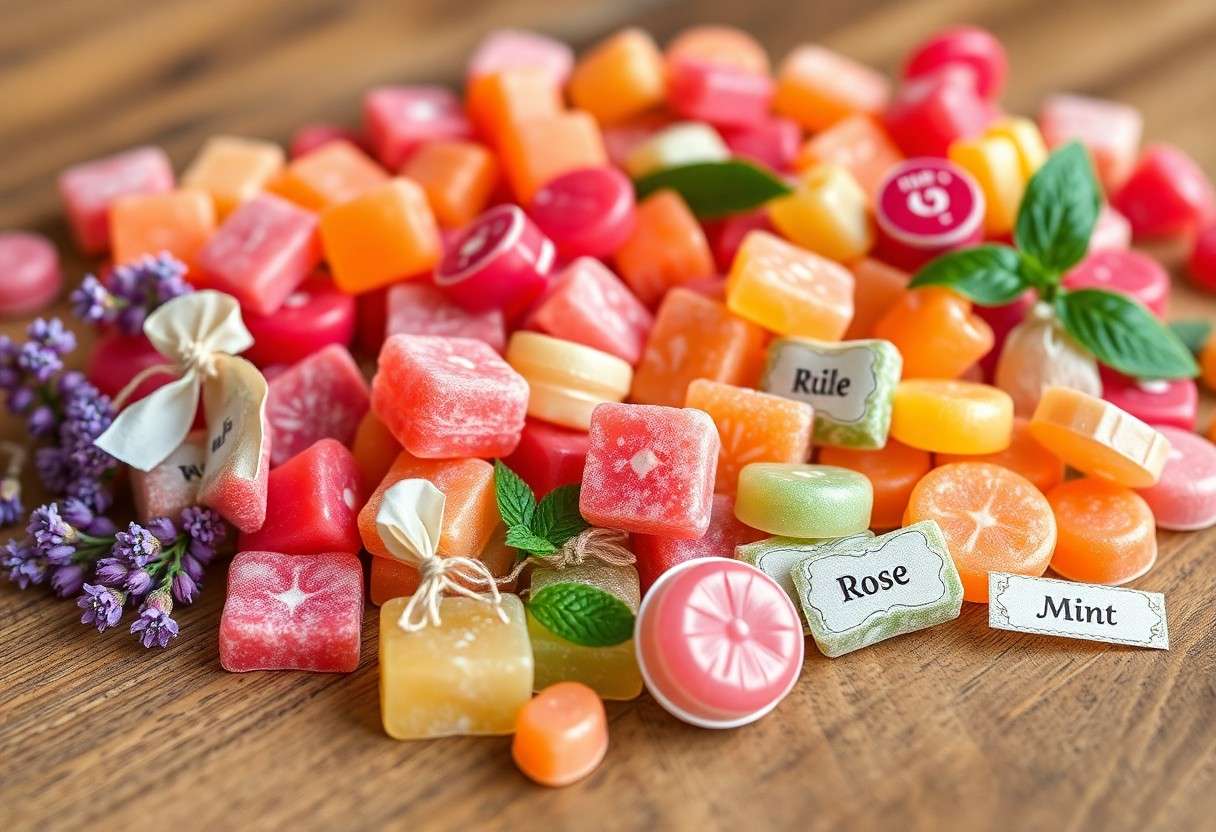
Candy enthusiasts like you are always on the lookout for new, exciting flavors that elevate your taste experiences. This Complete Botanical Candy Flavor Guide dives into the diverse world of botanical flavors used in candies, from floral notes to herbal undertones. You’ll discover how these unique ingredients can transform your favorite sweets, enhancing both flavor and enjoyment. Get ready to expand your palate and learn about the vibrant profiles that can bring your candy choices to life.
Types of Botanical Candy Flavors
| Type | Description |
| Herbal Flavors | Derived from various herbs commonly used in cooking and traditional medicine. |
| Floral Flavors | Inspired by the aroma and taste of flowers. |
| Fruit-Based Flavors | Capturing the essence of different fruits, both sweet and tangy. |
| Citrus Flavors | Highlighting zesty fruits like lemons, limes, and oranges. |
| Spice Flavors | Using spices to add warmth and complexity to the candy. |
Herbal Flavors
Herbal flavors provide a unique and sometimes unexpected twist to your candy experience. Flavors such as rosemary, basil, and peppermint can be used to create candies that are aromatic and refreshing, bridging the gap between traditional confectionery and natural herbaceous notes. You might find herbal candies that combine these elements with sweet syrups to deliver an invigorating taste, often reminiscent of herbal teas or extracts.
When incorporating herbal flavors, the balance between sweetness and herbal intensity is vital. For example, using thyme or sage in your candy can create a sophisticated palate that appeals to those with a penchant for gourmet tastes. By infusing these herbs during the candy-making process, you allow the natural oils and flavors to deepen, contributing to a more complex product that offers more than just a sweet surprise.
Many herbal candies are celebrated for their potential health benefits. Herbal ingredients like ginger and chamomile not only provide delightful flavors but can also soothe feelings of nausea or promote relaxation, making your candy indulgence a feel-good treat. Thou may find these herbal variations particularly appealing due to their versatility and the multitasking they achieve in both flavor and wellness.
Floral Flavors
Floral flavors bring a delicate sweetness to the candy world, often evoking a sense of nostalgia and sophistication. Candies flavored with lavender, rose, or hibiscus can transport you to a blooming garden, infusing each bite with a unique and aromatic experience. The inclusion of flowers in candies can create not just taste but also a sensory celebration of color and scent, which is why these flavors are becoming increasingly popular among artisanal candy makers.
In crafting floral-flavored candies, the extraction process is key. Techniques such as steeping or infusing floral petals into syrups ensure that the flavors are potent without being overpowering. For instance, lavender-infused hard candy may be sweetened with honey, creating a harmonious balance that aligns beautifully with the earthy notes of lavender. The result is a candy that invites you to savor each moment, often reminiscent of traditional confections found in cultures that celebrate floral essences.
Floral flavors also offer a unique pairing with other ingredients, paving the way for creative blends. Combining rose with tart berries or lavender with zesty citrus can lead to intriguing palate sensations. By experimenting with ratios, you can craft candies that are not only pleasing to taste but also visually appealing. Thou shall be amazed at how these unique combinations can elevate everyday tastes to exquisite experiences.
Fruit-Based Flavors
Fruit-based flavors dominate the botanical candy landscape with their refreshing and vibrant profiles. When you bite into a candy infused with flavors like raspberry, mango, or green apple, the distinct sugars and acids energize your taste buds instantly. Utilizing fresh, high-quality fruit extracts or purees allows candy makers to harness the true essence of the fruit, translating that into a sweet treat that feels both indulgent and refreshingly natural.
The variety in fruit-based flavors provides ample opportunity for creativity. For instance, combining tropical fruit notes like passion fruit and guava can create a luscious and exotic candy that transports your taste buds to a summer paradise. Alternatively, you can experiment with blending tart and sweet fruits, such as mixing blueberries with tart cherries, to achieve a compelling flavor profile that surprises and delights. Engaging with seasonal fruits can also inspire limited-edition candies that keep the flavor experience fresh and exciting.
Using fruit juices and purees in the candy-making process not only enhances the flavor but also elevates the nutritional profile. Many fruit-based candies now leverage natural sweetness from these ingredients rather than relying on excessive added sugars. The result is a more balanced treat that satisfies your sweet tooth while celebrating the natural flavors of fruits. Thou shall find that these fruit-based delights marry taste and health seamlessly, making them a perfect treat for any occasion.
Tips for Using Botanical Flavors
Integrating botanical flavors into your creations requires a nuanced understanding of how they interact with other ingredients, particularly sweeteners and fats. Each botanical flavor can evoke different taste sensations and aromas, so it’s vital to start with small amounts and gradually increase them to achieve the desired impact. You should also consider the extraction process; whether using necessary oils, tinctures, or dried plants, the potency can vary significantly. For instance, one drop of a concentrated oil may provide a stronger, more pronounced flavor than a tablespoon of dried herbs. Experimenting is key, as slight adjustments can lead to significantly different outcomes.
- Start with a base flavor that you know works well.
- Introduce one botanical flavor at a time.
- Use complementary flavors to enhance the profile.
- Document your experiments for future reference.
- Consider seasonal variations in flavor profiles.
In addition to understanding how to use botanical flavors, matching them with other ingredients can elevate your recipe. For instance, floral flavors like lavender or hibiscus pair beautifully with lighter, citrusy notes from fruits like lemon or orange. Similarly, herbs like basil or rosemary complement sweet ingredients such as strawberries or honey, creating an enticing balance. You can leverage this synergy to create more complex flavor experiences, making your botanical candy stand out.
Pairing with Other Ingredients
The interaction between botanical flavors and other components of your recipe can profoundly influence the final taste and texture. When creating confections, consider the body of your mixture; heavier ingredients such as chocolate or cream can absorb and soften the impact of botanical flavors. For example, incorporating chamomile with a creamy white chocolate can yield a delicate, soothing candy. Conversely, flavors like mint or ginger are stronger and may demand a more assertive pairing, like a dark chocolate or robust nougat, to ensure they shine through.
Additionally, texture plays a significant role in how flavors are perceived. Crunchy elements like nuts or seeds can add a different dimension to your botanical candies. When paired with a floral-infused syrup, not only does this enhance the flavor profile, but it also provides a textural contrast that makes the candy more enjoyable. Keep in mind how each component interacts not only in taste but also in mouthfeel; a well-rounded texture can elevate your final product.
In experimenting with various pairing combinations, you will likely discover unique interactions that surprise you. Always take a moment to reflect on how each ingredient contributes to the overall experience, from aroma to taste to texture. Any discovery could inspire your next signature flavor blend. You might also enjoy our guide on How Yuzu Flavoring Enhances Premium Confectionery.
Balancing Flavors
Finding the right balance is necessary for creating a harmonious flavor profile in your botanical candy. The aim is to ensure that no single flavor overwhelms the others, resulting in a well-rounded taste experience. Start by recognizing the intensity levels of each botanical flavor you’re using; some may require careful measuring while others can be freely added. For example, rosemary has a strong, woody flavor that can easily be overpowering if not balanced with creaminess from a sugar or a lower-intensity option like lemon balm.
Consider the role of sweetness in the balance equation. Sweetness can mute certain flavors; therefore, it’s important to match your botanical flavors against the sweetness level you desire. Anise, for example, pairs elegantly with sweeter profiles but may disappear if oversweetened. Instead, you might consider adding a touch of salt or acidity—say, from lemon juice—to counteract excessive sweetness and bring out the underlying herbal notes.
Balancing flavors is not just about counteraction; it’s also about enhancing the natural qualities of botanical ingredients. You may find that combining contrasting elements such as sour and sweet can create a beautiful complexity. By thoughtfully assessing each ingredient’s presence and impact, you can arrive at a well-balanced formulation that highlights the best of your chosen botanicals.
Step-by-Step Guide to Creating Botanical Candies
Preparation
| Step | Description |
| 1 | Gather all your ingredients and tools. Essential components include sugar, glucose (or corn syrup), water, and your chosen Botanical flavors or extracts. Be prepared with a candy thermometer, saucepan, and molds. |
| 2 | Measure your ingredients accurately. A standard ratio is about 2 parts sugar to 1 part glucose to 1 part water. Adjust this depending on the desired texture and flavor intensity. |
| 3 | Prepare your workspace. Clean surfaces ensure that no unwanted particles interfere with your candy-making process, which is vital for achieving clarity and consistency. |
In preparation, meticulousness is key to successfully making botanical candies. Start by gathering all needed ingredients and tools, including sugar, glucose or corn syrup, water, and your botanical flavors or extracts. Ensure you have a candy thermometer, a saucepan, and candy molds ready for use. Each element plays a significant role, especially the temperature, which directly impacts the candy’s texture and formation.
You should accurately measure your ingredients. For a standard batch, a common ratio is about two parts sugar to one part glucose and one part water. This balance helps create the right consistency and allows the flavors to shine through. Depending on your preference, you can customize these proportions, but maintaining the base ratios will aid in successful outcomes, particularly for beginners.
Create a clean and organized workspace. Any particles or residues can affect the final appearance and taste of your candies. Use a smooth surface, as it will help in pouring the mixture and handling it comfortably. Organizing your tools and ingredients will streamline the process and help keep you focused on the task at hand.
Infusion Techniques
Infusion is an imperative technique in preparing botanical candies, allowing you to extract the full flavor potential of herbs, flowers, or spices. Begin with a high-quality neutral sugar base, and soluble powders derived from the botanicals you’d like to incorporate, such as hibiscus powder or lavender extract. Start by heating the sugar and glucose mix to the soft-ball stage, around 240°F (115°C), before adding your infusion ingredients. This precise temperature enhances the extraction of flavors, ensuring your botanical notes shine through in the finished product.
An effective method for infusing flavors involves making a concentrated syrup before combining it with the candy mixture. To do this, mix equal parts sugar and water, then add your botanicals and simmer gently for 10 to 15 minutes. Strain the syrup to remove solid particles before adding it into your candy mix. This technique not only allows for greater control over flavor intensity but also helps prevent overheating the delicate compounds in certain herbs that may be lost at higher temperatures.
Experiment with steeping times and temperatures to discover various flavor profiles. Each botanical will respond differently to heat and time, with some offering more profound and complex flavors with longer infusion times. Keep detailed notes of your processes and adjustments to refine your technique and highlight the unique characteristics of each botanical in your candies.
Combining infusion techniques such as cold infusion or heat infusion can yield diverse tastes. Cold infusion allows certain botanicals, like mint or rosemary, to maintain their fresh qualities, whereas heat infusion might enhance the depth of flavors in spices like cinnamon or star anise.
Molding and Finishing
Once your candy mixture reaches the desired consistency and flavor, it’s time to mold and finish your botanicals. Carefully pour the hot candy mixture into prepared molds, ensuring an even distribution to avoid bubbles. Adjust the fill level based on the specific designs of your molds; for example, if you’re using intricate silicone molds, be cautious not to overfill, leading to potential spillage. Allow the mixture to cool slightly before handling, which helps you prevent burns while offering better control as you transfer it.
After cooling, remove the candies from their molds gently. If you notice any imperfections, you can use a sharp knife to trim any excess edges or create a more polished finish. Optionally, coat your candies in a light dusting of cornstarch or powdered sugar to prevent sticking and enhance their aesthetic appeal. Others may choose to dip them in chocolate for an elegant presentation and added texture that complements the botanical flavors beautifully.
Finishing touches are crucial in the final stages. Wrapping your candies in decorative packaging or placing them in clear bags can elevate their visual presentation. When stored properly in an airtight container, these botanical candies can maintain their freshness, flavor integrity, and appealing appearance for weeks, making them perfect for gifting or personal enjoyment.
The final presentation matters greatly. Whether arranging your finished candies on a beautifully designed platter or packaging them in whimsical boxes, this step adds to the enjoyment of the botanical experience you’ve created. You might also enjoy our guide on Asian-Inspired Candy Flavors Introduce Western Markets to Matcha and Taro Varieties.
Factors Influencing Flavor Selection
Flavor selection for botanical candies is dictated by multiple factors, including seasonality, target audience, and intended use. Each of these elements plays a vital role in determining which flavors will resonate best with consumers, ensuring your offerings are not only delicious but also well-received. Understanding these influencing factors allows you to tailor your product line effectively, enhancing the overall appeal and marketability of your botanical candies.
- Seasonality
- Target Audience
- Intended Use
For instance, flavors that evoke memories of summer, like lemon or watermelon, may see increased popularity in warmer months, while earthy tones such as cinnamon or clove might be more favorable in the fall and winter seasons. Seasonal trends can also be reinforced through marketing strategies and promotions, aligning your product offerings with events and holidays. Knowledge of these trends enables you to create limited-time flavors that can generate buzz and urgency among consumers, potentially leading to higher sales volumes.
Seasonality
When considering seasonality, the timing of your flavor introduction can significantly impact your product’s success. Depending on the time of year, consumers might be more inclined to indulge in particular tastes that reflect the mood and atmosphere around them. For example, in spring, floral and fruity flavors such as lavender or strawberry often see heightened interest as people associate these tastes with freshness and renewal. Conversely, during autumn, richer flavors like pumpkin spice or apple cider can evoke warmth and nostalgia, aligning perfectly with the season’s festivities.
It’s also important to consider regional variations in seasonality. For example, while a flavor like peppermint may soar in popularity in colder climates during winter, it may not hold the same appeal in tropical areas. Embracing local customs and preferences can position your botanical candies as not just tasty treats but also culturally relevant choices. Incorporating local sourcing of ingredients for seasonal flavors can enhance authenticity and sustainability, giving you an additional marketing angle to attract environmentally-conscious consumers.
Additionally, the trend of incorporating seasonal ingredients into recipes offers an opportunity to create limited edition candies that are both timely and unique. By promoting these seasonal flavors aggressively during their peak, you can elevate their desirability and urgency, encouraging consumers to purchase before they disappear. Knowing how to leverage seasonality not only enriches your product lineup but also drives engagement and loyalty from your customer base.
Target Audience
Your target audience should heavily influence your flavor selection process. Identifying who your primary consumers are allows you to tailor your flavors to their preferences and expectations. For instance, if your audience skews younger and health-conscious, you might choose plant-based, lower-sugar options with vibrant flavors like acai or hibiscus. Alternatively, more traditional consumers might gravitate towards nostalgic flavors that remind them of their childhood, such as root beer or strawberry daiquiri. Understanding these demographics can also help shape your branding and marketing strategies, ensuring they resonate well with your intended consumers.
Furthermore, the target audience’s cultural backgrounds can impact their flavor preferences significantly. Some regions have distinct culinary identities that can influence what botanical flavors might be more appealing. For example, in areas where herbs are heavily utilized in cooking, flavors such as basil or rosemary may attract attention. Conversely, in regions with a rich history of tea consumption, flavors like green tea or chai could find a more receptive market. By doing thorough research on your target demographic and local tastes, you can better curate flavors that not only please the palate but also connect on a personal level.
In addition to age and cultural background, consider your consumers’ lifestyle choices. Trends toward veganism and clean eating have opened up opportunities for unique flavors that were once overlooked. By analyzing the preferences of your audience when selecting flavors, you can create a more profound impact and foster brand loyalty.
Intended Use
The intended use of your botanical candies significantly shapes your flavor choices. Are you creating a product designed for a casual snack, or do you envision your candies as a sophisticated dessert option? For everyday use, you might lean toward accessible and familiar flavors, such as citrus or vanilla, that complement easy-to-eat forms. However, for more special occasions, elaborate and bold flavors could draw attention and entice curiosity. Naming your candies accordingly and developing the packaging to reflect their intended use will enhance consumer understanding and desire for your product.
Understanding the intended use helps in developing complementary flavors that can elevate the overall experience. For example, creating botanical candies aimed at cocktail enthusiasts could lead to intriguing flavor combinations like elderflower paired with gin or a synergy of chili and mango. Additionally, candies meant for gifting should have flavor selections that appeal to a wider audience, ensuring they are universally appealing while maintaining a presentation that reflects their occasion-focused intent. This thoughtfulness can set your brand apart in a crowded market.
When pondering intended use, also consider the health benefits consumers seek in sweet treats. There is a growing demand for functional snacks that not only satisfy cravings but also support wellness. Integrating flavors known for their beneficial properties, like ginger for digestion or lavender for relaxation, can add significant value to your offerings, making them more appealing to health-conscious consumers.
Pros and Cons of Botanical Candy Flavors
Pros and Cons Table
| Pros | Cons |
|---|---|
| Unique flavor profiles that enhance creativity. | Potential for allergic reactions in some individuals. |
| Healthier alternatives to artificial flavors. | May require specific knowledge to balance flavors effectively. |
| Can appeal to health-conscious consumers. | Shorter shelf life compared to artificial options. |
| Versatile use in various confections. | Higher production costs due to sourcing and processing. |
| Sustainable and eco-friendly sourcing options. | Required experimentation to achieve desired results. |
| Potential for enhanced sensory experiences. | Variable potency can complicate formulation. |
| Aligns with trends toward natural ingredients. | Limited availability for some botanicals can affect consistency. |
| Ability to create nostalgic flavors. | May not resonate with all demographics. |
| Offers opportunities for storytelling in branding. | Regulatory considerations may arise with certain botanicals. |
Advantages
Integrating botanical flavors into your candy allows you to explore unique and intricate flavor profiles that can elevate your creations. For instance, flavors such as lavender or hibiscus can add floral notes that enhance the overall palate experience, setting your products apart from conventional options. This uniqueness not only entices adventurous consumers but also aligns with growing trends toward artisanal and handcrafted sweets. The presence of these flavors can create a sense of authentic craftsmanship, which appeals strongly to modern shoppers looking for distinctive products.
Moreover, botanical flavors often serve as healthier alternatives to synthetic flavorings. Many consumers today prioritize natural ingredients due to rising health consciousness and concerns around artificial additives. By using sources like fruit extracts, herbal infusions, or floral essences, you can cater to this demand while providing a product that boasts full-bodied taste profiles without the negative health implications tied to artificial compounds. This appeal helps build brand loyalty among health-minded individuals who appreciate the dietary benefits without sacrificing flavor.
The versatility of botanical flavors means that they can enhance a wide range of candies, from gummies to chocolates to hard candies. By leveraging the adaptability of these ingredients, you can create signature offerings that showcase seasonal inspirations or thematic flavors that resonate with consumers. The ability to align your product development with seasonal botanicals, like using pumpkin spice in the fall or refreshing mint in the summer, can also keep your offerings relevant and interesting throughout the year. You might also enjoy our guide on 10 Unique Artisan Candy Flavors You Need To Try This Year.
Disadvantages
While the use of botanical flavors is ripe with potential, there are notable disadvantages to consider. One significant concern is the risk of allergic reactions among consumers. Ingredients like certain herbs and flowers may trigger sensitivities in some individuals, which necessitates careful labeling and awareness when formulating your products. Furthermore, the procurement of high-quality botanical ingredients can lead to increased production costs. It’s crucial to find reliable suppliers, which may require in-depth research and partnerships, thus challenging your operational processes.
Another aspect to acknowledge is the learning curve involved in effectively utilizing botanical flavors in your candy recipes. Balancing these flavors to avoid overpowering sweetness or bitterness may involve extensive experimentation, which can be resource-intensive. This trial-and-error process can be particularly daunting for those new to working with botanical extracts or who lack prior culinary expertise. Additionally, the variable potency of these flavors means you might face challenges when scaling your recipes, leading to inconsistencies in taste across batches.
Additionally, limited availability can impact your ability to maintain consistent flavor profiles over time. For instance, if a particular botanical ingredient is subject to seasonal fluctuations or regional shortages, your production line could face disruptions. This unpredictability can also affect your marketing narrative and consumer expectations if flavor changes occur. Moreover, as regulations surrounding food ingredients tighten, navigating these complexities can add another layer of difficulty to incorporating botanical flavors into your candy lines.
Common Mistakes to Avoid
Overusing Flavors
One of the most common pitfalls in crafting botanical candies is the tendency to overuse flavors. It might be tempting to pack your creations with as many distinct elements as possible, but this often leads to muddled profiles rather than harmonious blends. For instance, if you decide to combine lavender, rosemary, and chamomile all in one candy, you risk losing the unique characteristics that each botanical brings to the table. Instead, experiment with one or two flavors at a time to allow their nuances to shine through while complementing one another effectively.
When you overload a candy with flavors, you not only overwhelm your palate but also dilute the individual botanical qualities that make each component special. Subtle nuances can be lost, leaving your candy tasting artificial or overly complex. As a guideline, aim for a ratio of 1:3 for showcasing strong flavors against lighter ones. For example, pairing a bold elderflower with a softer mint can yield refreshing results that create a lasting impression without overshadowing either component.
Varying your approach with different flavor combinations and proportions can enhance your product’s appeal significantly. Start with smaller batches where you can take notes, and gradually increase complexity once you find successful pairings. Your target audience will appreciate the delicate balance in each piece, making your botanical candies memorable for their true flavor rather than a chaotic blending of tastes.
Ignoring Allergens
Ignoring allergens is a mistake that can have serious repercussions for your brand and your customers. As you develop your botanical candies, it’s vital to consider the common allergens that may be present in your ingredients. For instance, certain herbs can be derived from plants that trigger allergic reactions, such as pollen from chamomile or spices like cinnamon. Failing to label ingredients accurately puts consumers at risk and can damage your reputation if negative reactions occur.
Incorporating an open dialogue with your suppliers about the sourcing and processing of your botanicals can provide further insight into potential cross-contamination. For example, if your lavender is processed in a facility that also handles nuts, cross-contact could lead to unintended consequences. Establishing clear protocols for allergen management, including potential testing and transparent labeling, goes a long way toward ensuring consumer safety and trust.
When planning your recipes, consult reliable sources or food safety guidelines that outline common allergens and recommended practices. Crafting clear labels with allergen warnings not only protects consumers but also demonstrates your commitment to responsible production. Awareness and proactivity in managing allergens contribute to the credibility of your brand and foster loyalty among your customer base.
Conclusion
Considering all points, you can appreciate the diverse world of botanical candy flavors and their unique characteristics. Each flavor embodies the essence of the plant it represents, offering more than just sweetness; it presents an opportunity to explore the intricate relationship between nature and confectionery. This guide has equipped you with the knowledge to distinguish between different botanical flavors, giving you a clearer understanding of their applications and potential pairings in various culinary creations.
Your exploration into this colorful realm allows you to elevate your candy-making skills and broaden your palate. Understanding the flavor profiles of ingredients such as lavender, hibiscus, and elderflower will enable you to create innovative and tantalizing treats. Moreover, being aware of how these flavors interplay with taste can significantly enhance your gastronomic endeavors, whether you are a home cook or a professional chef.
As you venture into the world of botanical candies, you will find that flavor experimentation can lead to delightful surprises. With knowledge in hand, you can tailor your creations to suit specific occasions or personal preferences. Embracing botanical flavors presents endless possibilities, allowing you to craft unique and memorable confections that resonate with a broader audience. By integrating the insights from this guide, your candy-making journey will be both enjoyable and rewarding, ultimately leading to a deeper connection with the world of flavors that nature provides.


