How Yuzu Flavoring Enhances Premium Confectionery
Confectionery enthusiasts like you are always on the lookout for unique flavors that elevate your treats. Yuzu, a fragrant citrus fruit from East Asia, offers a

This article contains Amazon affiliate links. As an Amazon Associate, CandiesAndSweets earns from qualifying purchases.
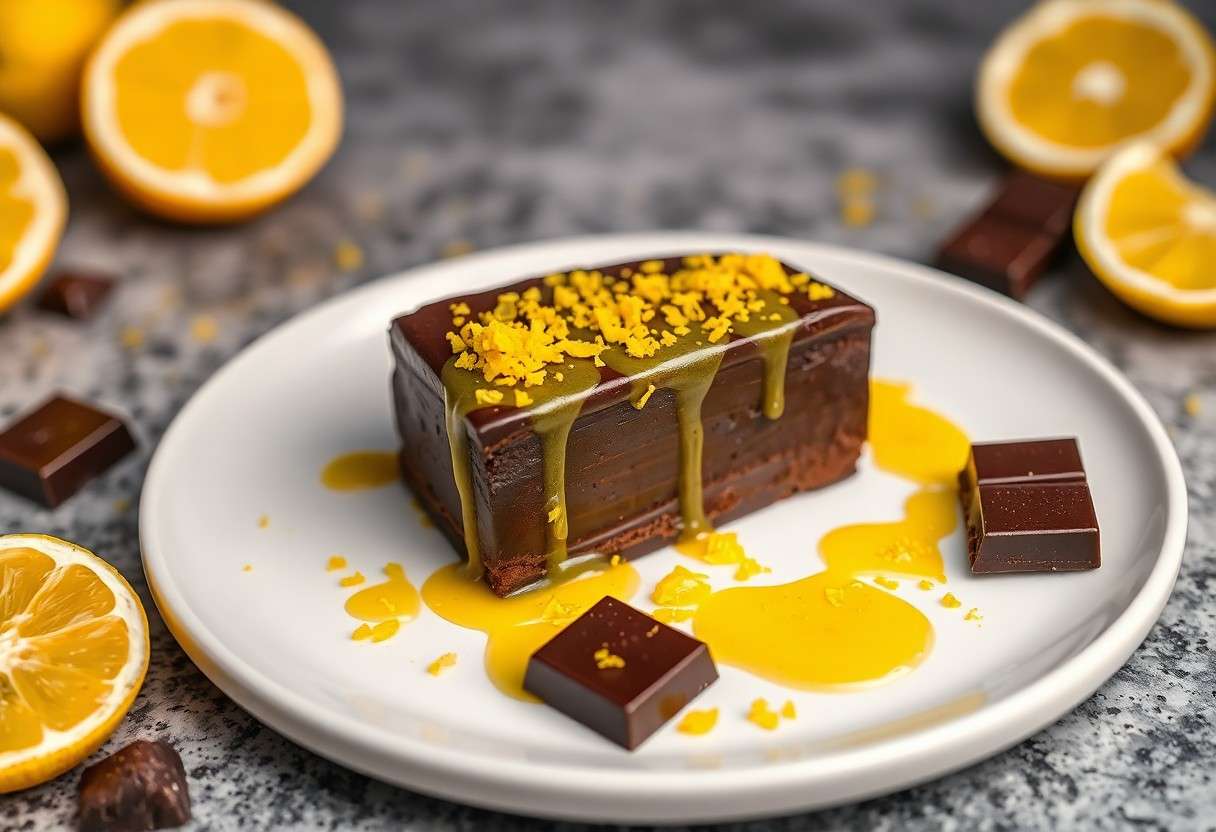
Confectionery enthusiasts like you are always on the lookout for unique flavors that elevate your treats. Yuzu, a fragrant citrus fruit from East Asia, offers a refreshing twist that can transform your premium confections into extraordinary delights. Its bright, tart flavor complements chocolates, cakes, and candies, adding layers of complexity that intrigue the palate. By incorporating yuzu into your creations, you can surprise your customers and elevate their tasting experience, making your offerings stand out in a competitive market.
The Unique Profile of Yuzu
Flavor Characteristics
Yuzu offers a flavor profile that seamlessly blends the tartness of grapefruit with the citrus sweetness of mandarin. This combination creates a refreshing and vibrant taste that can elevate your confectionery creations. Dishes utilizing yuzu can range from subtly sweet to strikingly tangy, depending on how you incorporate the fruit. The balance of acidity in yuzu not only enhances the overall taste but also cuts through richness, making it an excellent companion to creamy or chocolate-based confections.
When used in desserts, yuzu can transform familiar flavors into sophisticated experiences. For instance, a yuzu-infused chocolate truffle combines deep, rich chocolate with the zesty brightness of yuzu juice, creating a multi-layered taste explosion. You might find it fascinating that chefs and confectioners often pair yuzu with other flavors like ginger or matcha, crafting combinations that resonate on multiple sensory levels. This versatility allows you to explore various texture and flavor pairings, whether you prefer delicate pastries or bold candies.
The unique tanginess of yuzu also lends itself well to savory confections, making it a favorite in gourmet candy production. Picture yuzu-flavored caramels that maintain their sweet foundation while adding an unexpected twist that both intrigues and delights the palate. This flavor characteristic encourages creativity, inviting you to experiment with yuzu in ways that traditional citrus might not inspire. The myriad possibilities showcase yuzu’s capacity to enhance culinary artistry and redefine the confectionery landscape.
Aroma and Sensory Experience
Yuzu’s aromatic profile is equally compelling, characterized by a bright and floral scent that can evoke feelings of freshness and clarity. When you open a yuzu fruit, the immediate fragrance seems to transport you to a sun-soaked citrus grove, enhancing your overall sensory experience. This captivating aroma can significantly influence the way your palate perceives flavor, amplifying the enjoyment of any confection infused with yuzu. As you savor yuzu-infused treats, you’ll notice how the fragrance intertwines with the taste, heightening the overall experience.
Many connoisseurs of fine confectionery argue that aroma plays an imperative role in flavor perception. Yuzu’s complex scent notes, which combine elements of lemon, grapefruit, and a hint of floral sweetness, create an inviting quality that can make any dessert irresistible. In your exploration of premium confections, consider how yuzu’s fragrance might elevate a simple dessert into a memorable indulgence, enhancing both taste and emotional connection to the experience. Aromatic compounds in yuzu may reinforce the sweetness or tartness you encounter, making its presence felt long after the treat has disappeared.
Your experience with yuzu doesn’t just start and end with taste; it’s a full sensory journey. As you bite into a yuzu macaroon, for instance, the delightful aroma might waft before the initial flavors hit your palate, enriching the moment. A simple yuzu-infused jelly can evoke memories of sunlit afternoons and fresh markets, intensifying the enjoyment. This layered sensory interplay makes yuzu not just a flavor, but an experience, which is paramount in premium confectionery.
Culinary Applications of Yuzu
Traditional Japanese Confections
In traditional Japanese confections, known as wagashi, yuzu serves as a delightful and aromatic ingredient that elevates classic recipes. For instance, yuzu has a prominent place in the making of yuzu daifuku, where sweet white rice flour dumplings are filled with a yuzu-infused sweet bean paste. This combination not only provides a refreshing citrus burst but also complements the subtle sweetness of the filling, creating a balanced flavor profile that many enjoy. You might also find yuzu featured in anmitsu, a dessert that combines agar jelly, fruits, and sweet syrup—where yuzu syrup enhances the overall taste with its bright acidity, making each bite a harmonious experience.
Another traditional delicacy that showcases yuzu’s unique qualities is yuzu koshō, a condiment made from yuzu zest and chili peppers. This fiery yet fragrant mixture can enhance the taste of mochi or other confections, adding depth and complexity. You can appreciate how the interplay between the spicy element and the citrus can elevate a simple dessert into a fantastic culinary adventure. As you explore the world of wagashi, you will likely encounter yuzu in various forms, symbolizing its versatility in traditional Japanese sweet-making.
Moreover, yuzu plays a significant role in seasonal and regional confections, often associated with celebrations and cultural events. For example, during the winter solstice, it’s customary to enjoy yuzu bath rituals, reflecting the fruit’s symbolism of good fortune and health. This cultural significance further illustrates how yuzu isn’t merely an ingredient; it embodies tradition and nostalgia, making it a cherished element in Japanese sweets. As you probe deeper into these confections, you’ll understand how yuzu not only enhances flavors but also connects people to their heritage. You might also enjoy our guide on Dried Fruit Chocolates: The Sweet Spot of Health and Indulgence.
Contemporary Fusion Desserts
In contemporary fusion desserts, you’ll discover that yuzu’s distinctive flavor is being creatively combined with a variety of international desserts, transcending borders and igniting culinary inspiration. Chefs are increasingly incorporating yuzu into desserts like cheesecake, where the tartness cuts through the richness of cream cheese, providing a refreshing contrast that makes the dessert more approachable. You might encounter yuzu-infused macarons, where the vibrant citrus zest is blended into the filling, offering a refreshing twist to the classic French treat. These innovative applications showcase how yuzu can bridge cultural culinary divides while creating new and thrilling flavor experiences.
Moreover, ice creams and sorbets featuring yuzu are gaining popularity for their bright, zesty flavors that deliver a refreshing palate cleanser after rich meals. Consider yuzu sorbet served alongside chocolate cake; the citrus acidity balances the sweetness and enhances the enjoyment of both elements. You will find that the versatility of yuzu makes it an excellent option for pastry chefs looking to create a signature dessert that leaves a lasting impression. The combination of traditional and modern techniques allows you to explore infinite possibilities for incorporating yuzu into your culinary repertoire.
Additionally, yuzu’s use in cocktails has surged, with mixologists harnessing its flavor to craft unique beverages. Yuzu margaritas or yuzu-infused gin and tonics highlight how this citrus fruit provides a fragrant and flavorful element to drinks that could otherwise be predictable. This trend in fusion desserts and beverages further exemplifies your ability to appreciate yuzu as not just an ingredient but a transformative element that enhances the overall culinary experience.
Yuzu in Premium Confectionery
Elevating Taste and Texture
In premium confectionery, yuzu introduces a remarkable synergy that elevates both taste and texture, captivating the palate. When you incorporate yuzu into chocolates or pastries, its unique citrus notes brighten the overall flavor without overpowering. You might find yuzu-infused ganaches or creams that offer a refreshing contrast to rich chocolate, creating a multi-dimensional tasting experience. A striking example is the yuzu chocolate truffle, where the bright zest complements the smoothness of dark chocolate, leading to a harmonious bite that lingers on the taste buds.
The texture also benefits from yuzu, particularly in creations like macarons or mousse. When integrated into these delicate desserts, it adds a vibrant juiciness that enhances the mouthfeel. If you’ve experienced a yuzu-flavored macaron, you’ve likely noticed how the airy shell contrasts with the creamy, citrus-infused filling. This dynamic interplay transforms ordinary confections into a sophisticated indulgence, one that you can savor and appreciate on multiple levels.
Moreover, yuzu’s acidity can help to balance sweetness, making it a popular choice for high-end pastry chefs. By using yuzu to cut through the richness of sugary components, you create a more complex profile that encourages you to enjoy each bite fully. Some chefs employ yuzu juice or zest in syrups and glazes, adding a bright finish that elevates the overall confection while maintaining an exquisite balance of flavors.
Visual Appeal and Presentation
Visual presentation is paramount in premium confectionery, and yuzu naturally contributes to this aspect. The bright, almost luminescent hue of yuzu zest or the vibrant orange-yellow color of yuzu curd attracts the eye, making any dessert instantly more appealing. When you consider that guests eat with their eyes first, using yuzu can significantly enhance the overall aesthetic of your confectionery creations. For example, a yuzu tart adorned with candied yuzu peel not only offers a tantalizing taste but also catches the light beautifully with its glossy finish, compelling you to take a closer look.
The use of yuzu in plating is equally impressive. You might explore drizzling yuzu-infused sauces around your desserts, using the contrasting colors to create visual interest. For instance, a silky yuzu sauce dotted around a white chocolate mousse evokes a sense of elegance and sophistication, signaling that what you’re about to taste is a thoughtfully crafted confection. Each element contributes to a cohesive look that showcases the artistry of the confectioner, giving you a sense of indulgence before the first bite.
Additionally, the incorporation of yuzu into the decor of desserts—whether it’s zest, candied slices, or yuzu jelly—can serve as eye-catching accents. These small details not only enhance flavor but also draw the viewer’s attention, inviting them to appreciate the culinary craftsmanship involved in creating such visually stunning treats. By focusing on these visual aspects, you can create a memorable experience that lingers long after the last bite.
Pairing Yuzu with Other Ingredients
Complementary Flavors
When exploring the world of premium confectionery, yuzu’s unique flavor profile allows it to shine alongside various complementary ingredients. One popular pairing is yuzu with dark chocolate, where the citrus notes of yuzu elevate the rich, earthy characteristics of the chocolate. Yuzu adds brightness, cutting through the bitterness, while enhancing the dessert’s complexity. Many chocolatiers utilize this combination to create gourmet truffles that blend the intense flavors seamlessly, often with zest or infused oils to intensify the yuzu essence.
Another delightful pairing emerges when yuzu meets sesame. The nutty undertones of sesame paste provide an excellent foundation for yuzu’s tartness. By creating yuzu-infused sesame brittle or sesame yuzu cookies, you can achieve a balance that appeals to both sweet and savory palates. Additionally, the increasingly popular combination of yuzu and matcha not only caters to the growing demand for Japanese-inspired flavors but also plays well with the bittersweet profile of the matcha, resulting in a harmonious dessert that delights the senses.
Fruit compotes also serve as excellent companions to yuzu. Pairing it with berries, especially strawberries and blueberries, complements yuzu’s tartness and enhances the entire flavor profile through a floral note that many consumers find appealing. You might find yuzu paired with berry-infused ganache or blended into sorbet, embracing the fresh fruit’s natural sweetness while offering a complex citrus backdrop. You might also enjoy our guide on Why Yuzu Matcha Candy Tastes Exotic and Fresh.
Balancing Sweetness and Acidity
Yuzu’s dynamic acidity requires thoughtful consideration when incorporating it into confectionery. The goal is to create a well-balanced dessert that neither overwhelms tasters with tartness nor drowns out the vibrant citrus flavor. For instance, when making yuzu curd or cheesecakes, the addition of sugar must be precise. A typical ratio involves pairing one part yuzu juice to two parts sugar to achieve a pleasing balance and ensure that the sweet and sour elements can coexist harmoniously without one overpowering the other.
Furthermore, in the context of macarons, the yuzu filling can be prepared with a blend of cream and sugar, allowing you to harness the creamy element to soften the acidity. Adding a touch of salt can intensify the sweetness while simultaneously enhancing the overall flavor. This delicate balancing act will impress your guests as they savor each bite, showcasing how skillfully you’ve harmonized yuzu with other elements.
In addition, yuzu-infused syrups can help you navigate the balance between sweetness and acidity when drizzled over desserts or incorporated into glazes. A syrup with a 1:1 ratio of water to sugar, infused with yuzu zest and juice, acts as a cohesive element that unifies the last-minute touches on your gourmet creations, ensuring a pleasing experience that highlights the tartness without sacrificing sweetness. This method allows the yuzu flavor to develop fully, making it a perfect finishing touch for both cakes and pastries.
The Global Influence of Yuzu
Rising Popularity in Western Desserts
Yuzu has made significant inroads into the Western dessert landscape, rapidly gaining recognition not just among chefs but also among pastry enthusiasts. You can find it in the form of yuzu curd, sorbets, and macarons, bringing a bright, citrusy touch to traditional recipes. Renowned pastry chefs such as Dominique Ansel have adopted yuzu in their creations, often pairing it with flavors like vanilla or chocolate to provide a striking balance. For instance, Ansel’s renowned yuzu cheesecake showcases how this Japanese citrus can elevate a familiar dessert into something extraordinary, attracting a diverse clientele eager to explore new taste dimensions.
As you indulge in these Western desserts infused with yuzu, you aren’t just experiencing a trend; you’re partaking in a cultural exchange that embraces the richness of flavors from different parts of the world. The rise of yuzu in the gourmet scene aligns with the growing interest in unique and exotic ingredients among home bakers. You might notice that grocery stores now carry yuzu juice and zest, making it more accessible for you to incorporate into your personal culinary adventures. This democratization of yuzu has allowed you to experiment with a fusion of flavors in your homemade creations, blending classic Western techniques with a bold Japanese citrus twist.
The versatility of yuzu is another appealing factor driving its popularity in Western desserts. Its juiciness can be transformed into refreshing vinaigrettes or used as a glaze for cakes, offering a brightening effect that cuts through richer flavors. Chefs often employ yuzu in beverages like cocktails and specialty teas, where its aromatic qualities can shine. As you explore the vast possibilities with yuzu, it becomes clear that this fruit is more than just a novelty; it represents a bridge between cultures, introducing your palate to the vibrant taste of Japan while enhancing the familiar comforts of Western confectionery.
Cultural Significance and Trends
The cultural significance of yuzu transcends its culinary applications, embodying a rich heritage rooted in Japanese tradition. You might be surprised to learn that yuzu has been cultivated for over a thousand years, with its origins traced back to East Asia. In Japan, yuzu plays a traditional role in celebrations, particularly during the winter solstice when it is often used in yuzu baths (yuzuyu) to promote warmth and health. This cultural context adds depth to its use in your desserts, making each bite not just delectable but also imbued with history.
Trends surrounding yuzu are also evolving, as its use extends beyond confectionery into various culinary spheres, influencing global cuisine. The increasing popularity of Asian fusion dining has made yuzu a sought-after ingredient, inviting chefs to experiment with its complex flavor profile in savory dishes as well. The trend of incorporating yuzu in craft beverages, such as artisanal sodas and cocktails, reflects your growing desire for diverse flavors that break away from the conventional. You’ll see mixologists using yuzu to create refreshing, aromatic drinks that tantalize your taste buds, making it an integral part of both dessert and beverage trends.
Moreover, with the rising awareness and appreciation for sustainable and ethically sourced ingredients, yuzu has captured your interest as a unique, environmentally friendly option. Many brands are now focusing on sourcing yuzu from farms that practice sustainable agriculture, appealing to your conscious consumerism. The combination of its rich cultural narrative and the push for ethical sourcing creates a perfect storm for yuzu’s incorporation into contemporary culinary trends, ensuring that you continue to see this vibrant fruit weave its way into modern desserts and dining experiences. You might also enjoy our guide on Exploring Exotic Flavor Pairings in Global Truffles.
Challenges in Sourcing Yuzu
Availability and Sustainability
Sourcing yuzu presents numerous challenges, particularly when it comes to availability. While demand for yuzu is on the rise, especially in gourmet and artisanal markets, the supply chain can struggle to keep pace. Yuzu trees, which require specific climatic conditions for optimal growth, predominantly thrive in Japan and parts of Korea. In regions beyond these, cultivation is still relatively limited. You may find that sourcing fresh yuzu can be especially difficult outside its native zones, particularly during off-seasons. The limited geographical distribution means that even if you can find yuzu in specialty stores, it might come at a premium price or lack the freshness crucial for your confections.
Additionally, sustainability plays a vital role in the yuzu supply chain. Many yuzu farmers operate on small-scale farms that prioritize traditional growing methods over mass production. While this often results in more flavorful fruit, it also means that large-scale sourcing is impeded. As a conscientious confectioner, you should be wary of sourcing practices that may not support local farming communities. Utilizing sustainable suppliers not only ensures quality but also promotes responsible agricultural practices that protect the environment. Exploring partnerships with certified organic farms or local cooperatives can be a worthwhile strategy, both for your brand’s ethos and for securing a reliable yuzu supply.
It’s also important to consider the seasonal nature of yuzu harvesting. The fruit typically has its peak season in the late fall to early winter months, which poses challenges for year-round supply. To manage this scarcity, some companies have turned to frozen or dehydrated yuzu alternatives, but these can vary in flavor intensity and aroma. You will want to ensure that any alternatives you use for your premium confections closely replicate the fresh essence of yuzu, as authenticity is key in high-end desserts. This leads to another significant challenge: maintaining the quality of yuzu and its derivatives throughout the sourcing process.
Authenticity and Quality Control
Authenticity is a major concern when working with yuzu in dessert applications, especially as the demand for this flavor has surged globally. You may come across products marketed as yuzu, but their authenticity can vary considerably. This inconsistency often stems from blends that use synthetic flavoring or inferior citrus variants marketed as yuzu. To maintain the integrity of your premium confectionery, you must ensure that the yuzu flavor you incorporate is genuine. This often involves engaging directly with suppliers who can certify the source of their yuzu and provide traceability for their products. Building relationships with reputable growers can enhance your confidence in the authenticity of the ingredients you’re using.
Quality control processes are crucial for discerning the integrity of your yuzu supply. You should consider collaborating with suppliers who perform rigorous testing and verification of their products. This may include sensory evaluations to assess flavor profiles and lab testing to confirm the absence of artificial additives. Such diligence not only protects your brand’s reputation but elevates the overall quality of your confections. You might find it beneficial to attend trade shows or industry conferences focused on citrus products, where you can engage with producers and learn more about their cultivation and harvesting processes.
Implementing standards for quality control may also extend to your production environment. Regular sensory analysis among your team can help you remain aligned with the flavor profiles that customers expect. Developing a comprehensive checklist for your yuzu-based products ensures that each batch meets your high standards for taste and authenticity. By focusing on these factors, you can fortify your brand’s commitment to offering true yuzu flavoring in your premium desserts.
To wrap up
With these considerations, you can appreciate how yuzu flavoring elevates the status of premium confectionery. The unique citrus profile of yuzu, with its balance of tartness and sweetness, has found a special place in the world of high-end desserts. By incorporating yuzu, you not only introduce a refreshing taste but also enhance the overall eating experience, encouraging your palate to explore the complex interplay of flavors that this delightful fruit offers. This complexity serves as a sophisticated canvas for various textures and ingredients, allowing you to craft memorable creations that stand out in a crowded marketplace.
The sensory impact of yuzu is not limited to taste alone; its vibrant aroma adds another layer of intrigue to your confectionery products. You should consider how the scent of yuzu can evoke feelings of freshness and zest, creating an inviting atmosphere around your confections. This aromatic aspect can be particularly advantageous in engaging customers, drawing them in and encouraging them to experience your treats. By focusing on the holistic sensory experience, you can create confections that do not merely satisfy a sweet craving but resonate with customers on multiple levels.
Ultimately, embracing yuzu flavoring in your premium confectionery line can set you apart as a leader in innovation and creativity. Its growing popularity and versatility allow you to cater to evolving consumer preferences for unique and exotic flavors. As you continue to explore this distinctive ingredient, you empower yourself to push the boundaries of traditional confectionery, crafting items that provide not only a treat but a journey through flavor that reflects your commitment to quality and originality.