How Recyclable Packaging Design Wins Over Eco Conscious Buyers
Recycling packaging shows you how design can cut waste, build trust and boost sales, while design choices that use toxic inks or non-recyclable laminates will r

This article contains Amazon affiliate links. As an Amazon Associate, CandiesAndSweets earns from qualifying purchases.
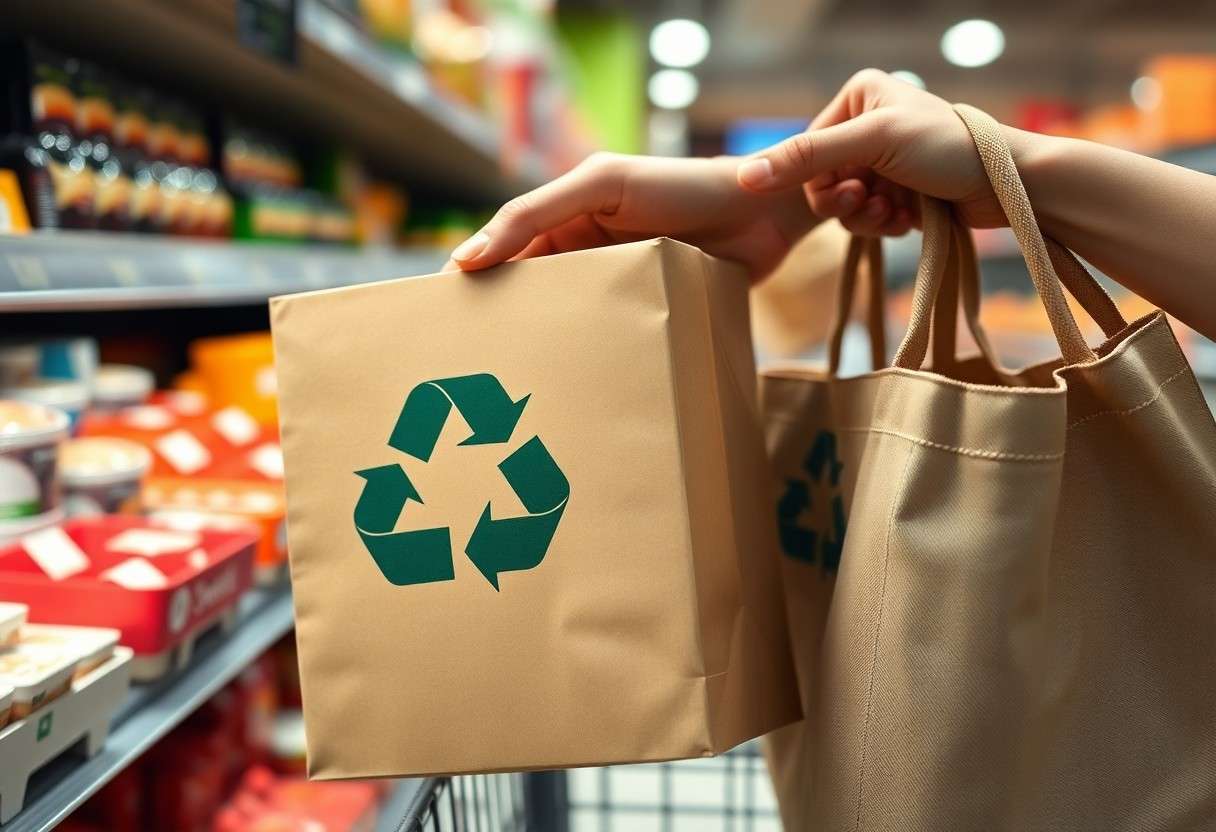
Recycling packaging shows you how design can cut waste, build trust and boost sales, while design choices that use toxic inks or non-recyclable laminates will repel eco-conscious buyers.
The Psychology of the Eco-Conscious Consumer
You notice eco-conscious buyers favor brands that reflect their ethics; visible use of recyclable packaging signals authenticity and can sway purchasing, while greenwashing quickly erodes loyalty.
Packaging that shows simple, verifiable recycling information makes you more likely to choose the product because clear cues reduce perceived risk and build trust.
Understanding Values-Driven Purchasing Decisions
When you compare options, long-term impact and brand consistency weigh heavily; you reward transparency, so values-driven choices often become repeat purchases and referrals.
The Role of Visual Cues in Sustainability Perception
Design choices like muted colors, kraft textures and legible symbols help you infer recyclability quickly; prominent icons and material cues shorten decision time and raise perceived value.
Visuals that prioritize readable recycling instructions and recognized certifications make you trust claims, whereas vague imagery or hidden labels trigger suspicion and can be seen as greenwashing.
Core Principles of Design for Recyclability
You should prioritize designs that make recycling straightforward for consumers and facilities, using clear labeling, removable non-recyclable elements, and material consistency. Simple, identifiable materials increase recovery rates and keep your brand aligned with eco-conscious buyers.
Clear disposal instructions and visible mono-material choices reduce sorting errors and contamination for you and recyclers. Reduced complexity builds buyer trust by proving your packaging can be processed rather than merely claimed.
Prioritizing Mono-material Construction for Ease of Processing
Design packaging from a single polymer family so you ensure mechanical recycling succeeds; mixed substrates often end up unrecoverable. Mono-materials simplify sorting, lower processing costs, and make your sustainability claims verifiable.
Selecting compatible inks, labels, and closures that belong to the same recycling stream preserves material value and avoids rejection at facilities. Consistency in materials signals to buyers that you respect the full lifecycle.
Minimizing Adhesives and Contaminants in the Waste Stream
Reduce adhesive use and choose water-soluble or easily separable glues so you allow recyclers to process materials without contamination. Excess adhesives can render otherwise recyclable streams unusable.
Avoid laminated films, mixed-metal closures, and heavy wax coatings that introduce contaminants; you should specify removability or alternative fastenings. Contamination drives rejection at sorting facilities and erodes buyer confidence.
Consider testing adhesives in standard recycling simulations and requiring supplier compositional data so you can document recyclability claims and avoid greenwashing. Proven separability and supplier transparency reassure both buyers and waste managers.
Transparent Labeling as a Trust Catalyst
Labels that state material type, recycling eligibility, and clear disposal icons give you immediate clarity and reduce sorting errors at home. Clear marks build consumer trust and can increase repeat purchases when you see verified recyclability.
Implementing Standardized Disposal Instructions
You benefit when brands adopt consistent icons, short instructions, and QR codes linking to local rules, because this reduces contamination and improves recovery rates. Simple visuals and a one-step disposal guideline make it easier for you to recycle correctly.
Leveraging Third-Party Certifications to Prevent Greenwashing
Third-party seals indicate independent testing, so you can trust packaging that carries recognized certifications rather than vague marketing claims. Look for certifiers with transparent criteria to avoid greenwashing.
Certification details you should check include scope, audit frequency, and a verifiable ID or QR so you can confirm authenticity; watch for copied logos that pose a fraud risk.
Material Innovation and Selection Strategies
Materials choices let you turn recyclability into a selling point by prioritizing high recycled content, simple material pairings, and clear end-of-life labels that buyers can trust.
Designers who quantify sourcing impacts and present lower carbon and waste outcomes give you measurable proof points that influence eco-conscious purchasing decisions.
The Rise of High-Performance Paper and Bio-based Alternatives
Paper advances allow you to replace many plastics with strong, lightweight boards and molded fibers that meet protection needs while offering compostable or widely recycled disposal routes.
Balancing Product Protection with Environmental Impact
Testing regimes show you where protection is required and where material can be reduced, helping you weigh durability against the environmental cost of added materials.
Options for cushioning and barriers should favor mono-materials or certified bio-based films so you can protect goods while simplifying recycling streams for consumers.
Consider standardized drop, vibration, and moisture tests so you can substitute excess padding with molded fiber or right-sizing strategies and document the reduction in waste for buyers and certifiers.
Brand Differentiation Through Sustainable Aesthetics
Brand visual cues like recycled textures and muted palettes help you stand out to eco-conscious buyers; clear sustainability signals increase trust and drive repeat purchases.
Design choices such as honest material reveals and restrained finishes let you convey quality without excess. False sustainability claims create a greenwashing risk that erodes consumer trust.
Communicating Eco-Friendliness Through Minimalist Design
You can communicate eco-friendliness with minimalist layouts that reduce ink and spotlight recyclability icons, making decisions easier for shoppers; use clear icons and concise messaging.
Minimalist type and natural textures help you signal authenticity while keeping production footprint low; include legible recycling instructions to guide proper disposal.
Aligning Packaging Form Factor with Circular Economy Values
Form factors designed for disassembly, refill, or mono-material construction make it easier for you to fit into existing recycling streams and encourage reuse; prioritize refillability and mono-materials.
Circular design reduces waste across product life cycles and offers you measurable claims like lower material use and easier recovery; pair designs with take-back programs to enable closed-loop recovery.
Practical choices such as standardized closures, avoiding mixed laminates, and minimizing adhesives ensure recyclers accept your packaging; simple separation instructions and local testing prevent contamination and protect your brand.
Economic and Regulatory Drivers for Change
Regulation is tightening across markets, forcing you to redesign packaging or face fines and restricted shelf access. Adapting design reduces your compliance risk and protects distribution channels.
Costs from disposal fees and supply chain disruption are rising, so you should calculate the total cost of ownership for packaging choices. Governments offer incentives; choosing recyclable materials can yield lower long-term material costs and tax relief.
Anticipating Global Plastic Bans and Packaging Levies
Policymakers are accelerating bans on certain plastics and imposing packaging levies, so you must plan for sudden regulatory shifts. Prioritizing recyclable formats reduces exposure to single-use bans and escalating levies.
Long-term ROI of Sustainable Brand Loyalty
Customer expectations favor sustainable packaging, driving repeat purchases and advocacy when you get it right. Packaging that clearly signals recyclability can capture a price premium and higher lifetime value.
Projected savings from reduced material use, avoided levies, and increased retention often offset redesign expenses within a few years, giving you a clear financial case. Tracking these metrics demonstrates short payback periods and reduced regulatory risk to stakeholders.
Final Words
Upon reflecting, you recognize that recyclable packaging design wins over eco-conscious buyers by aligning visible materials, certified symbols, and transparent end-of-life instructions with their values. You compel purchase by reducing ambiguity about recycling, simplifying disposal, and communicating measurable environmental benefits. You strengthen brand loyalty when packaging signals responsibility and matches the sustainable behaviors buyers expect.


